

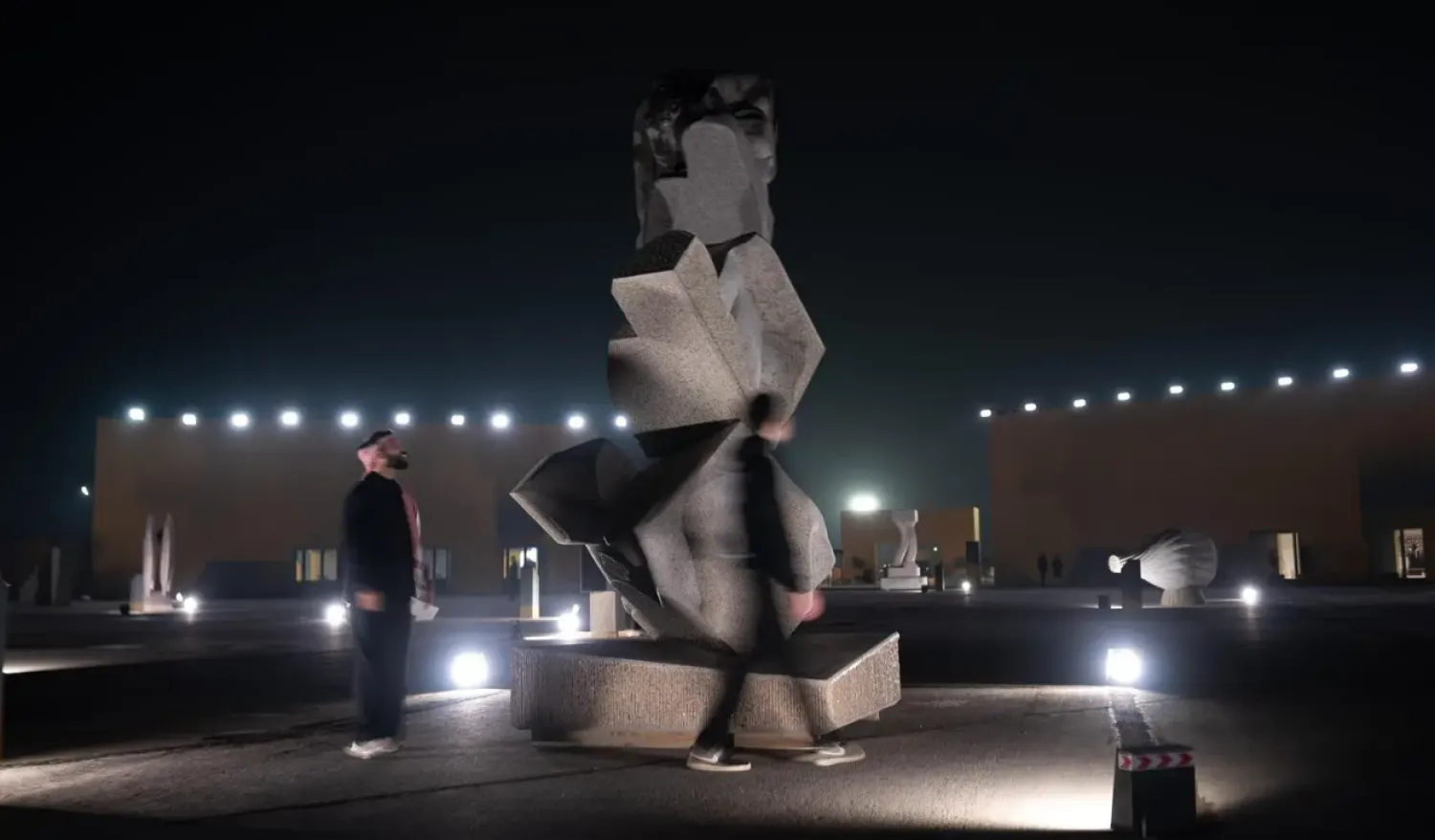

Tuwaiq Sculpture 2026 Announces 25 Participating Artists for Seventh Edition

The 2026 edition features a month-long live sculpting phase alongside a community engagement program - SPA
TT

Tuwaiq Sculpture 2026 Announces 25 Participating Artists for Seventh Edition

The 2026 edition features a month-long live sculpting phase alongside a community engagement program - SPA

Under the Royal Commission for Riyadh City and Riyadh Art, Tuwaiq Sculpture has announced the selection of 25 artists for the seventh edition of the annual sculpture symposium and exhibition, taking place from January 10 to February 22, 2026.

This year’s edition unfolds under the curatorial theme “Traces of What Will Be,” inviting artists to reflect on how sculptural form can express the physical, cultural and conceptual traces that shape the future of cities and communities, SPA reported.

A total of 25 artists from 18 countries, including Saudi artists, have been selected for the seventh edition. Their proposals reflect a diverse range of artistic approaches, responding to the theme through explorations of transformation, place, and materiality.

Director of the Tuwaiq Sculpture Symposium Sarah Alruwayti said: "The seventh edition of Tuwaiq Sculpture received more than 590 applications, reflecting the cultural diversity and global interest in the symposium. The selection of the 25 participating artists was carried out by a jury of industry experts and specialists. Their proposals show meaningful engagement with the theme and reflect the strength and diversity of contemporary sculptural practice. We look forward to welcoming them to Riyadh for the creation of new works that will become lasting additions to the city.”

Building on the evolving material practice of the symposium, Tuwaiq Sculpture 2026 introduces two sculpting categories: granite with optional stainless-steel integration and reclaimed metal. Twenty artists will work in granite, while five will create new works in reclaimed metal. Over four weeks, they will produce large-scale sculptures that will later be added to Riyadh Art’s permanent public art collection.

The 2026 edition features a month-long live sculpting phase alongside a community engagement program, inviting visitors to witness the creation of artworks and take part in panel discussions and workshops. The symposium will conclude with a public exhibition showcasing the completed sculptures from its seventh edition.


Louvre Museum's Denon Gallery Damaged by Water Leak, Mona Lisa Unaffected

A view shows the Porte des Lions, the new public entrance to the renovated Denon wing (Aile Denon) at the Louvre Museum in Paris, France, December 2, 2025. REUTERS/Gonzalo Fuentes
TT

Louvre Museum's Denon Gallery Damaged by Water Leak, Mona Lisa Unaffected

A view shows the Porte des Lions, the new public entrance to the renovated Denon wing (Aile Denon) at the Louvre Museum in Paris, France, December 2, 2025. REUTERS/Gonzalo Fuentes

The Louvre museum's Denon gallery, where its most valuable paintings are displayed, was hit by a water leak on Thursday evening, although the area which houses Leonardo Da Vinci's Mona Lisa was unaffected, said a Louvre spokesperson.

The spokesperson said the water leak had been stopped in the early hours of Friday and that the gallery would soon re-open.

The leak happened in the room 707, where paintings from 19th century French artist Charles Meynier and 16th century Italian artist Bernardino Luini are displayed. The water caused some damage to a ceiling painted by Meynier, Reuters reported.

The water leak is the second in less than three months in a museum that has gone through a spate of recent setbacks - including a spectacular jewel heist, strikes and a massive ticket fraud investigation- that have put its management under intense scrutiny.


Saudi Heritage Commission Uncovers 147 Architectural Units at Ra’s Qurayyah Port

Comparative analysis and organic sampling indicate the site’s timeline spans from the pre-Islamic era - SPA
TT

Saudi Heritage Commission Uncovers 147 Architectural Units at Ra’s Qurayyah Port

Comparative analysis and organic sampling indicate the site’s timeline spans from the pre-Islamic era - SPA

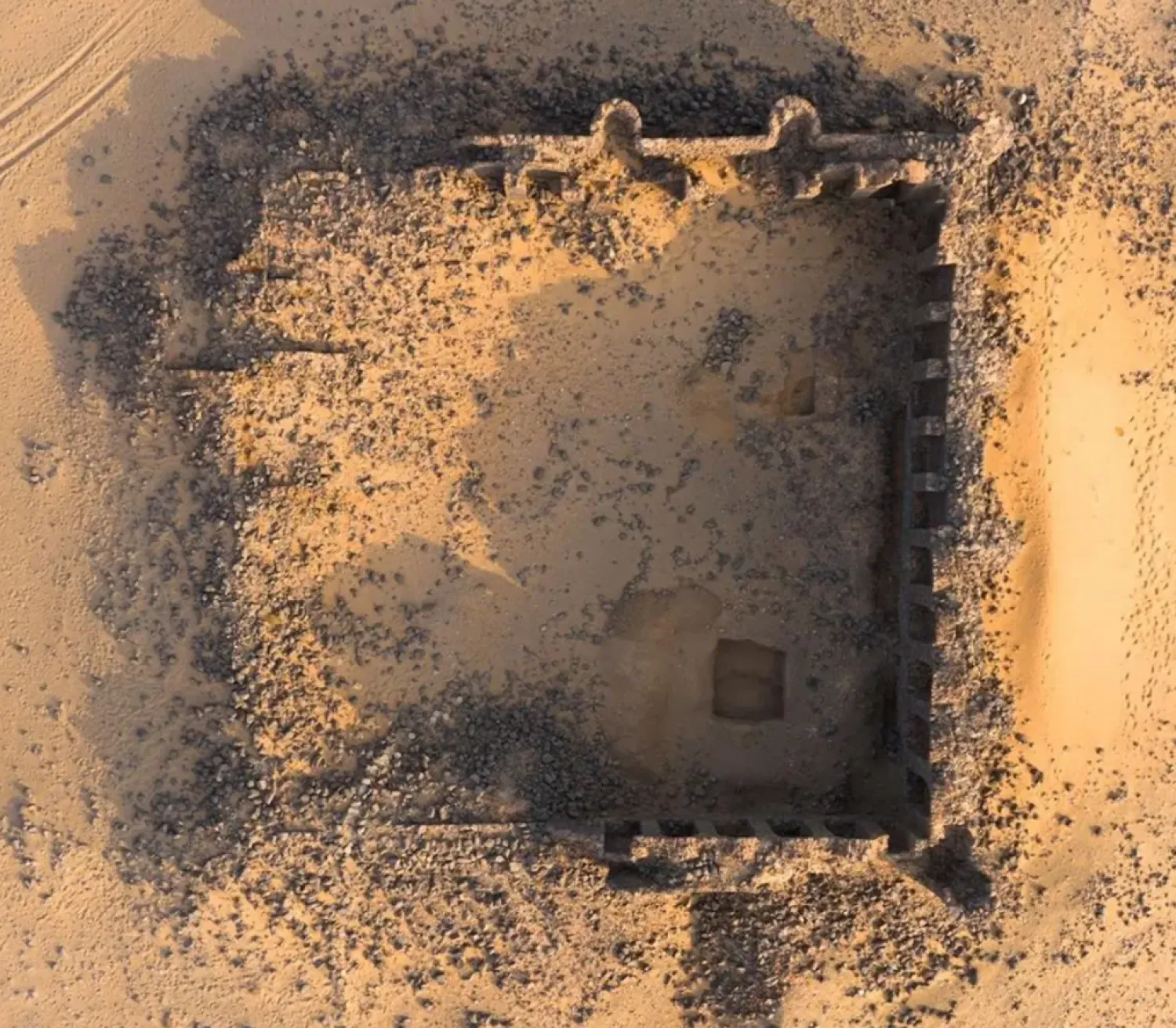
The Saudi Heritage Commission has concluded its second archaeological season at the Ra’s Qurayyah Port in Al-Ahsa Governorate, Eastern Region, uncovering 147 diverse architectural units, including large courtyards and ancient wells.

Located 26 km northwest of Al-Uqair Port, the site yielded significant artifacts, including an Abbasid dirham minted in 148 AH, bronze ornaments, and glazed pottery, SPA reported.

Comparative analysis and organic sampling indicate the site’s timeline spans from the pre-Islamic era through the early Islamic period and into the late 4th century AH.

This discovery aligns with the national cultural strategy to document the Kingdom’s tangible heritage and strengthen its scientific and historical presence on a global scale.


Crowds Flock to Istanbul's Museum of Innocence before TV Adaptation

Pamuk brought his bestselling novel to life in a red-painted house in Istanbul. Yasin AKGUL / AFP
TT

Crowds Flock to Istanbul's Museum of Innocence before TV Adaptation

Pamuk brought his bestselling novel to life in a red-painted house in Istanbul. Yasin AKGUL / AFP

On a cobbled street in Cukurcuma, a district on Istanbul's European side known for its antiques shops, the story penned by Nobel laureate Orhan Pamuk in his bestselling novel "The Museum of Innocence" has been brought to life.

Inside a red-painted house, visitors are confronted by a wall of 4,213 cigarette butts, many of them lipstick-stained, others angrily stubbed out, all obsessively kept by the book's protagonist, Kemal Basmaci.

Just days before Friday's launch of a serialized Netflix adaptation of the novel, hundreds of curious visitors have come to the museum, squeezing past one another on the narrow wooden stairs up to Basmaci's attic room.

At the entrance, Umit, who runs the museum and declined to give his surname, said there had been about 500 visitors per day since Netflix began running trailers for the nine-part series, compared to 200 on a normal day.

"And that will likely double after it comes out," he predicted.

Set in the 1970s, the series features a young man from a wealthy Istanbul family who is devastated by the end of his relationship with Fusun, a distant cousin from a working-class background.

The break-up sends him on an obsessive mission to collect anything that is hers, AFP said.

Hence the wall of cigarette butts mounted on pins, each painstakingly labelled by circumstance, collected over an eight-year period starting from 1976.

There are hundreds more items on display, from bits of jewelry to items of clothing, photos, cinema tickets and bottles of Meltem soda, which was popular in the 1970s -- a huge collection of mundane mementoes passionately collected to fill the void left by Fusun's absence.

They are laid out in 83 display cases, the same number of chapters in the book.

Nobel literature prize-winner Pamuk, who opened the museum in 2012, four years after the novel was published, has admitted to being a similarly compulsive collector.

- 'Truth in it' -

The novel emerged when he began writing about the objects he had saved, everything from family keepsakes to trinkets picked up at the bazaars, which gradually brought his characters to life.

The museum showcases objects that make up the story, but the story also developed as he acquired new objects, the museum website says.

And the whole novel opens a unique window onto a decade of Istanbul history.

Songul Tekin, 28, a visitor who loved the book, said she is convinced some of it really happened and came to the museum to "see it in real life".

"It's told in real depth. There has to be some truth in it because otherwise you would never have so many objects and so much detail," she told AFP.

She arrived with a friend and her copy of the novel -- a gesture which lets visitors enter for free, thanks to a ticket on page 485 of the Turkish version of the book.

Also visiting was Aydin Deniz Yuce, a psychologist in his 30s who is a huge fan of Pamuk's works.

Although "The Museum of Innocence" was not his "favorite", he said he was really keen to see the Netflix series and is convinced the "handsomeness" of the main actor, Selahattin Pasali, will be perfect for creating a credible Kemal.

- Turkish series, global popularity -

With the novel translated into more than 60 languages, the museum has drawn international interest.

Visitors from China, Hungary, Italy, Japan and Russia turned up over the space of a few hours, an AFP correspondent said.

Poring over the display cabinets, Zeng Hu and Zeng Lin An, sisters from Hubei province in central China, said they were now intrigued to read the book and watch the series, although Netflix is not available in China.

Speaking to AFP at the screening late on Thursday, Pamuk said he was happy with the adaptation by Istanbul-based production company Ay Yapim after a disastrous first attempt several years ago.

"Since I was so dissatisfied and unhappy with my first try with Hollywood, I decided I wouldn't allow anyone to make a film of any of my books without seeing the complete script first," he said.

That meant working closely with a scriptwriter for 18 months before any money changed hands, which gave him "tight control" over the script.

"Once every two months, we would meet, like students doing homework. I would go over the scriptwriter's texts, criticize it, improve it, suggest other things," Pamuk said.

"It worked magically."

Hugely popular, Turkish television dramas and series, known as "dizi", are now available in 170 countries.

Global demand for them rose by 184 percent between 2020 and 2023, figures from Parrot Analytics show.

In 2024, Türkiye was the world's third-largest exporter of television series, after the United States and the UK.