



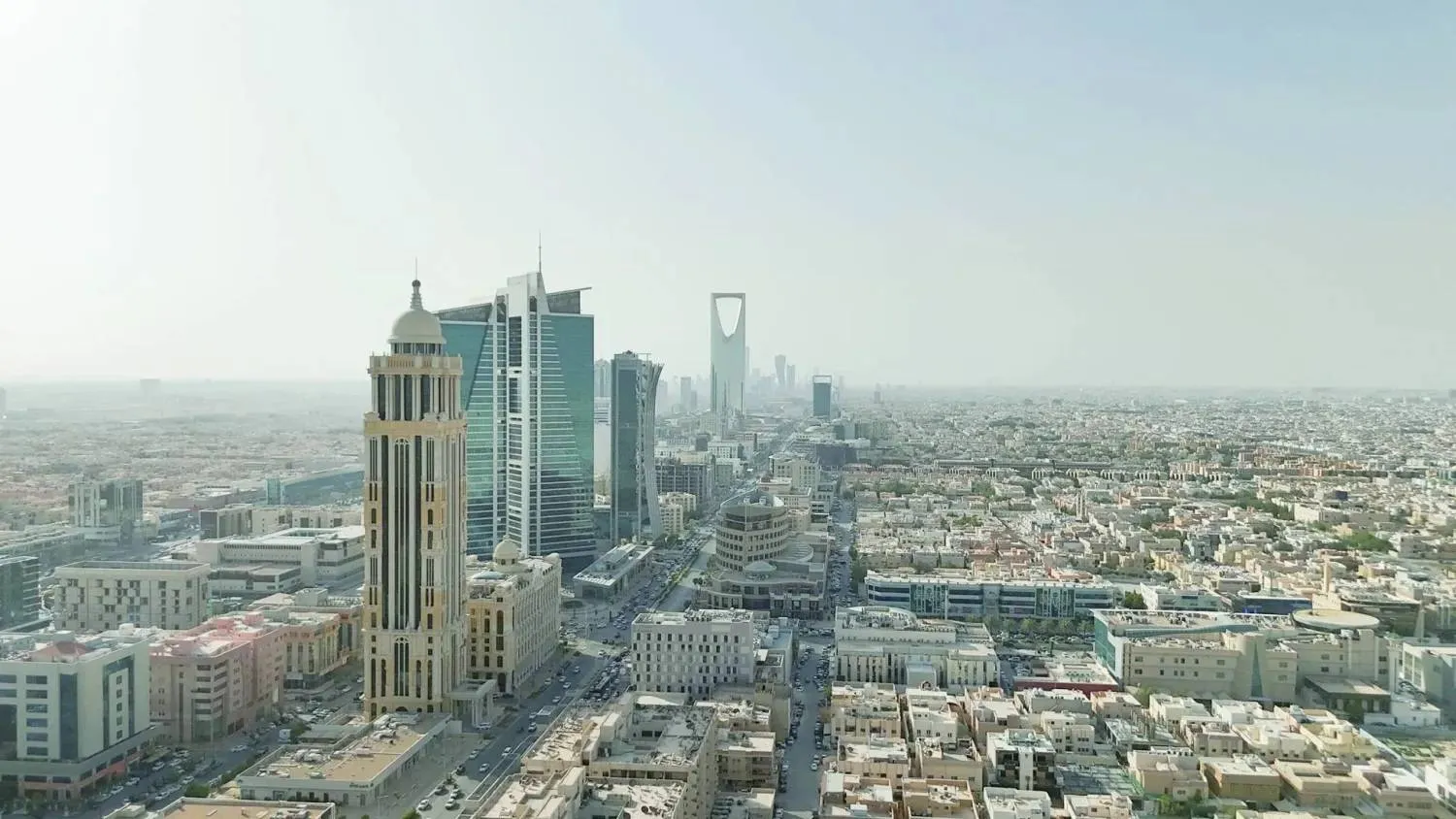

Saudi Arabia opened a new chapter in its development drive on Thursday as a long-anticipated law allowing non-Saudis to own real estate came into force.
The step marks a pivotal shift in the Kingdom’s property framework, anchoring a revamped set of real estate laws designed to reposition the Saudi market from a largely domestic arena into a global investment destination.
The overhaul aims to draw foreign capital, individuals, and companies from across continents, capitalizing on the Kingdom’s political stability and steady economic expansion as one of the Middle East’s largest economies.
The updated system, approved by the Cabinet on July 8, 2025, caps a series of structural reforms under Vision 2030 and reflects the broader economic transformation reshaping the country. It seeks to deliver a secure and equitable investment environment aligned with international best practice.
Its objectives extend beyond financial considerations to include broader development goals, such as stimulating growth in the real estate sector by increasing project diversity and quality, and creating high-quality job opportunities for Saudi nationals in development and property-related services.
By enabling non-Saudis to own property, the Kingdom is laying the foundation for more dynamic and diverse communities, directly enhancing urban quality of life and fostering a competitive environment that raises standards for residential and commercial real estate projects alike. The move underscores stability and growth as defining features of the next phase.
Under the law, a “non-Saudi” is defined as a person who does not hold Saudi nationality, or owns a foreign company, a foreign non-profit entity, or any other non-Saudi legal person designated by a decision from the Cabinet.
'Saudi Real Estate' platform
As part of efforts to ensure transparency and protect rights, the General Authority for Real Estate announced that the “Saudi Real Estate” digital portal will serve as the official platform for managing ownership applications. User journeys have been designed to accommodate different categories:
Residents within the Kingdom can apply directly through the portal using their residency number, with requirements verified automatically and the process completed entirely online.
Non-residents outside the Kingdom must obtain the required digital identity from Saudi missions and embassies abroad before completing their application through the platform.
Foreign companies and entities without an existing presence in Saudi Arabia must first register with the Ministry of Investment through the “Invest Saudi Arabia” platform to obtain a unified number, then proceed to the “Saudi Real Estate” portal to complete the ownership process.
Geographic scope
The new system grants broad flexibility for ownership across the Kingdom, with particular focus on Riyadh and Jeddah as global economic and commercial hubs.
For Makkah and Madinah, a special regulatory framework has been established based on a “Geographic Zones Document,” details of which are set to be announced in the first quarter of 2026. The framework restricts ownership in the two holy cities to Muslims, whether inside or outside the Kingdom, and to Saudi companies wholly owned by Saudis, balancing investment openness with the cities’ religious status.
Under the law, a legally resident non-Saudi may own one residential property outside the designated geographic zones. Makkah and Madinah are excluded, with ownership there limited to Muslims.
Non-listed companies established under Saudi company law, in which one or more shareholders are non-Saudi or legal persons, are permitted to own property or acquire related rights within the designated zones, including Makkah and Madinah, for the purpose of conducting business activities and housing employees.
Listed companies, investment funds, and special purpose entities licensed under Saudi regulations may also own property and acquire related rights, including in Makkah and Madinah, in accordance with capital market laws, their executive regulations, and rules set by the Capital Market Authority in coordination with the Real Estate Authority and other relevant bodies.
Sustainable economic impact
The law translates Saudi Vision 2030 targets into action by attracting foreign direct investment and localizing real estate expertise through the entry of international developers and specialized companies.
The resulting activity is expected to stimulate related sectors, such as housing, trade, industry, and tourism, boosting the real estate sector’s contribution to non-oil gross domestic product on a sustainable basis.
Linking the ownership portal to the real estate title registration system provides the highest levels of legal certainty, strengthening foreign investor confidence in Saudi regulations and reinforcing the Kingdom's commitment to building a diversified, transparent, and innovation-driven economy.


