


Saudi Judiciary Under King Salman: Faster Justice, Better Rulings

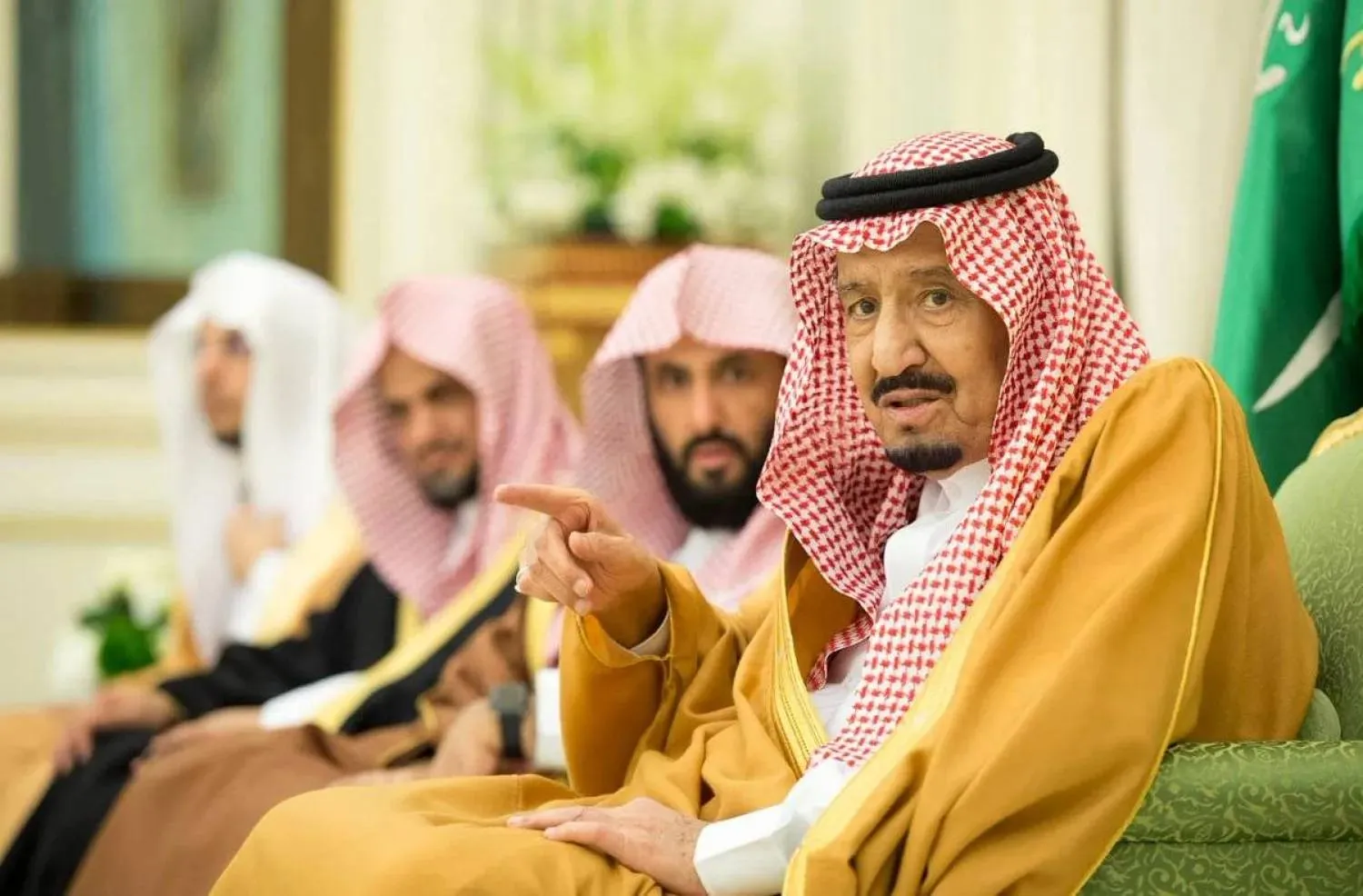
King Salman bin Abdulaziz receives members of the Supreme Judicial Council and the Supreme Court in Riyadh on November 28, 2018. (SPA)
TT

Saudi Judiciary Under King Salman: Faster Justice, Better Rulings

King Salman bin Abdulaziz receives members of the Supreme Judicial Council and the Supreme Court in Riyadh on November 28, 2018. (SPA)

During the reign of Custodian of the Two Holy Mosques King Salman bin Abdulaziz, now entering its second decade, Saudi Arabia’s judiciary has been reshaped by a sweeping digital transformation.

At the heart of the overhaul is the "Najiz" platform, which has emerged as the unified electronic gateway for all Ministry of Justice services, moving the justice system beyond physical courtrooms and into remote litigation through electronic filings and virtual hearings.

The Ministry of Justice has previously said Saudi courts held more than 2.3 million hearings in 2024, with 98 percent conducted remotely through electronic litigation services.

The system covers all litigation procedures that can be carried out electronically, including the exchange of pleadings, the submission of documents, the holding of hearings by video link, the issuance of judgments, the receipt of copies of rulings, and the filing of appeals.

The service shortens the duration of cases, accelerates adjudication, and allows litigants full access to case documents.

Najiz services

The Najiz platform includes four portals for individuals, businesses, lawyers, and government entities and offers more than 160 judicial services, sparing users the need to visit judicial facilities.

Services include filing lawsuits electronically, electronic litigation, requests for enforcement of judgments, and documentation services, such as marriage and divorce registration, issuance of powers of attorney, and amendments to real estate deeds. Litigants and their representatives can plead cases online through Najiz and respond to court requests without attending in person.

Saving 65 million visits

At the second International Justice Conference, held in Riyadh in November 2025, Deputy Minister of Justice Najm Al-Zaid said the Najiz platform had delivered more than 160 services and facilitated two million remote court sessions, saving beneficiaries an estimated 65 million visits to judicial facilities.

Services for inmates

In January 2025, the Ministry of Justice launched the “Inmate Services” initiative to develop judicial services. Media reports said the initiative enabled 300,000 remote video hearings for inmates in 2024.

Prisoners can attend hearings by audio and video without being transferred to court, receive or authenticate judgments electronically, and file appeals through Najiz. The ministry also established a dedicated "Inmate Services System" unit to coordinate these services.
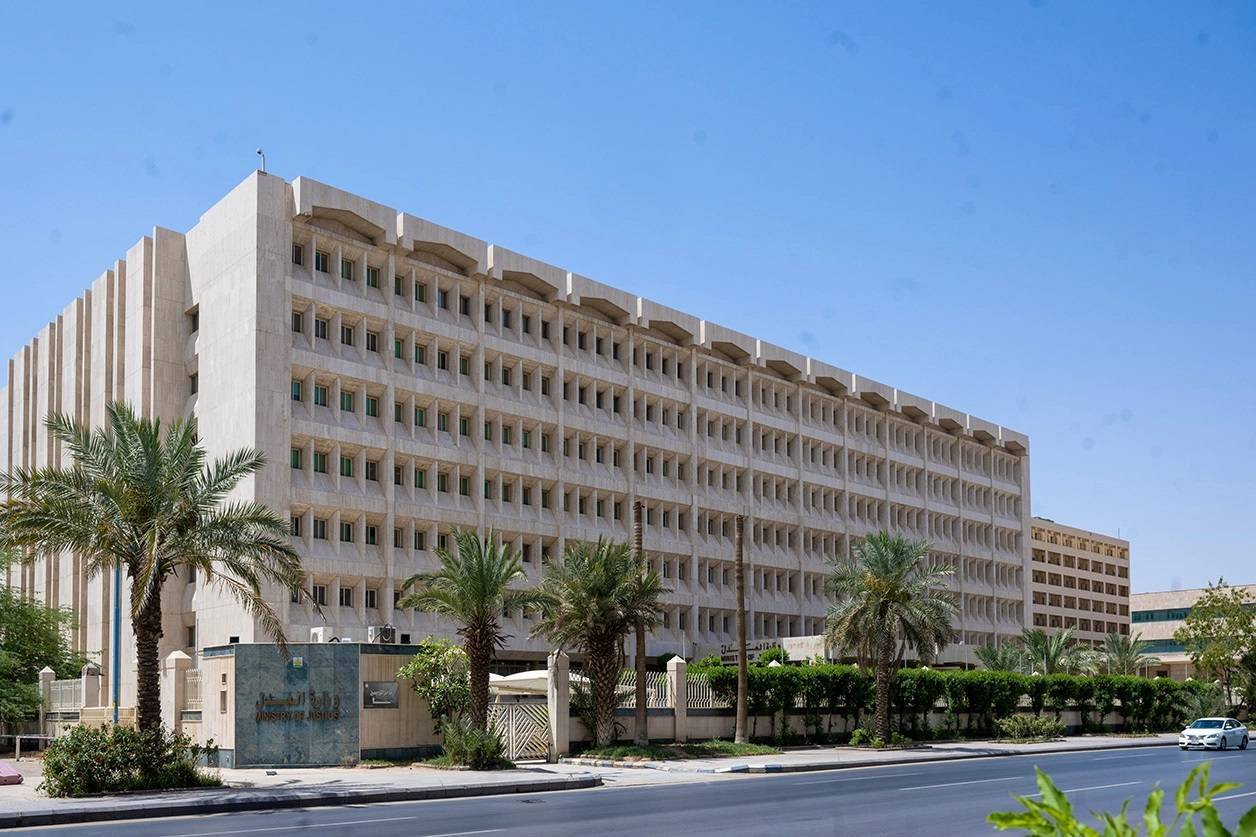
The Saudi Ministry of Justice. (SPA)

Impact on justice and investment

Participants at the second International Justice Conference in November 2025 said digital transformation in the judiciary boosts transparency and speeds up rulings, making it an essential factor in attracting investment to the Kingdom.

Saudi courts began remote operations during the COVID-19 pandemic. In 2020, during the suspension of in-person attendance, 10,897 judgments were issued remotely, enabled by electronic services provided through Najiz and a unified call center.

These indicators show the Saudi judiciary has achieved a qualitative leap toward digital justice. Najiz has consolidated most judicial services and electronic litigation into the norm rather than the exception, expanding to include inmates and people with disabilities. This has been reflected in the rising number of remote hearings and the saving of millions of court visits.

From oral to digital litigation

As part of reengineering justice to align with the requirements of a digital state, the reign of the King Salman bin Abdulaziz has seen major amendments to judicial regulations. Among the most significant was the 2021 amendment to Article 65 of the Law of Civil Procedure, establishing written pleadings as the default before courts after oral pleadings had previously been the norm.

Under the amendment, lawsuits, memoranda, defenses, and responses must be submitted in writing through official channels, and courts must grant litigants sufficient time to review and respond to case documents.

The shift was not merely procedural. It marked a move toward institutional digital justice, grounded in documentation, transparency, ease of archiving, and integration with electronic litigation platforms, such as Najiz, thereby enhancing both the speed of adjudication and the quality of judgments.

Faster justice and more reliable procedures

Meanwhile, judicial notification methods were expanded to include electronic notices via text messages and email.

This transformation has helped shorten litigation timelines, ensure faster and more reliable delivery of notices, and reduce case delays caused by failures of traditional notification methods.

The changes reflect the Saudi judiciary’s alignment with digital government concepts during King Salman’s reign. Justice is no longer tied to location or paper but has become an integrated, data-driven, technology-enabled system that reinforces the principle of “justice without delay” in the era of digital transformation.



US Affirms Partnership with Riyadh is at its Strongest Level

Alison Dilworth, Charge d’Affaires ad interim to Saudi Arabia, shakes hands with a participant from the United States at the exhibition (Asharq Al-Awsat)
TT

US Affirms Partnership with Riyadh is at its Strongest Level

Alison Dilworth, Charge d’Affaires ad interim to Saudi Arabia, shakes hands with a participant from the United States at the exhibition (Asharq Al-Awsat)

US Charge d’Affaires ad interim to Saudi Arabia, Alison Dilworth, said Sunday that the World Defense Show currently being held in Riyadh reflects the strongest manifestation of the bilateral partnership between the United States and the Kingdom, affirming that relations between the two countries “have never been stronger than they are today.”

In remarks to Asharq Al-Awsat on the sidelines of the Show, Dilworth said the strong US participation in the exhibition clearly demonstrates the strength of cooperation between Washington and Riyadh. She pointed out that the partnership has witnessed sustained and strengthening growth in recent years.

Dilworth added that the Show brings together major global names in defense and aviation, such as Boeing and Lockheed Martin, alongside small and medium-sized US companies working in artificial intelligence, cybersecurity, and advanced defense systems, reflecting the diversity of American participation and the broad scope of technical and industrial cooperation.

She highlighted that US companies aim to grow with Saudi partners, supporting the Kingdom’s security and prosperity in line with Vision 2030.

On the Saudi-US political momentum that has strengthened bilateral relations in recent years, Dilworth said that 2025 saw what she described as a “historic” visit by US President Donald Trump to the Kingdom, followed by a visit by the Saudi Crown Prince to Washington in November.

The two visits resulted in the signing of 23 agreements which she described as “pivotal achievements” in the trajectory of US-Saudi cooperation.

Regarding the military displays at the exhibition, the diplomat highlighted that the F-35 and the scheduled aerial demonstrations underscore the US commitment as a long-term partner to Saudi Arabia.


World Defense Show in Riyadh Witnesses Signing of Important Agreements

Saudi Minister of Defense Prince Khalid bin Salman bin Abdulaziz signs an agreement with his Slovakian counterpart. SPA
TT

World Defense Show in Riyadh Witnesses Signing of Important Agreements

Saudi Minister of Defense Prince Khalid bin Salman bin Abdulaziz signs an agreement with his Slovakian counterpart. SPA

Saudi Minister of Defense and Vice Chairman of the Board of Directors of the General Authority for Military Industries (GAMI) Prince Khalid bin Salman bin Abdulaziz inaugurated in Riyadh the third edition of the World Defense Show, organized by GAMI until February 12.

At the Saudi Arabian Military Industries (SAMI) Group pavilion, the Defense Minister launched on Sunday SAMI Land Company, SAMI Autonomous Company, SAMI Land Industrial Complex, and the HEET Program.

He also unveiled the SAMI Local Content Program (RUKN), the group's flagship supply chain program.

Prince Khalid and his South Korean counterpart witnessed the signing of a memorandum of understanding between the Saudi General Authority for Defense Development and the Korean Agency for Defense Development.

The agreement focuses on defense research, development, and innovation in advanced military technologies and systems.

The Saudi Defense Minister also signed three defense cooperation agreements with Slovakia, Malaysia, and Somalia.

Furthermore, the National Industrial Development Center signed a cooperation memorandum with European aerospace corporation Airbus to explore opportunities for developing and localizing the aviation and helicopter industry in Saudi Arabia.

Under the memorandum, the two sides aim to strengthen collaboration to establish an integrated aviation industrial base in the Kingdom. They will study the creation of an engineering center to develop national capabilities in manufacturing, assembly, maintenance, and repair, alongside a supporting logistics network.

The agreement also covers technology and knowledge transfer, encouraging global suppliers to invest in Saudi Arabia, and developing Saudi talent through educational and training partnerships with domestic institutions. It includes coordination with relevant authorities to examine procurement options, support the shift toward exports, and explore incentives and financing mechanisms to enhance project readiness and competitiveness.

GE Aerospace and the Middle East Propulsion Company Ltd. (MEPC) announced signing three new agreements to enhance operational readiness for the Royal Saudi Air Force (RSAF) F110 fleet and build in-country capabilities.

Leveraging their decade-old partnership, are focused on the RSAF’s F110-129 engines and will also support F110-129 customers across the broader region.

These agreements represent Phase 3 of a long-term initiative, building on the success of similar Phase 1 and 2 agreements, which saw GE Aerospace providing repair and overhaul services support to MEPC.

The agreements seek to ensure sustained material supply and comprehensive maintenance and repair services support for the RSAF F110 Engine Structural Integrity Program (ENSIP).

They highlight the shared vision of both companies to advance the safety, efficiency, and operational excellence of defense aircraft in the wider Middle East.

MEPC Managing Director Mohammed Alnawkhani said: “These agreements represent the next phase of our strategic partnership with GE Aerospace and a major step forward in enhancing readiness for the RSAF F110 fleet.”

“Together, we are expanding in-Kingdom F110-129 sustainment capabilities, ensuring long-term material availability, and delivering the high standards of safety and performance required by our customers in the Kingdom and across the region.”

“This milestone also strengthens localization efforts in support of Saudi Vision 2030, contributing to national industrial development and building sovereign aerospace sustainment capabilities,” he added.

Salim Mousallam, Vice President, Defense & Systems for the Middle East, Africa, and Türkiye at GE Aerospace said that the enduring partnership with MEPC is a testament to the company’s shared vision of enhancing in-country capabilities and ensuring peak operational readiness through maximized availability for its customers.

“These agreements will significantly increase engine availability, streamline MRO processes, and directly support the RSAF’s critical missions. As a trusted partner to the Kingdom, we are proud to provide high-quality services to MEPC, reducing maintenance burden and service disruptions for their mission-critical F110 fleet,” he said.

Under the F110-129 Material Support Agreement, GE Aerospace will provide essential ENSIP Kits (F110-129 parts) to support MEPC in performing the necessary overhaul of RSAF F110-129 engines within the Kingdom.

The F110-129 repair and overhaul agreement further solidifies the provision of comprehensive repair and overhaul services specifically for the Royal Saudi Air Force fleet. GE Aerospace also signed a new F110-129 services agreement to extend critical repair and overhaul capabilities to support other F110 customers across the region.


Kuwait Includes 8 Lebanese Hospitals on 'Terror' List

Kuwait indicated that it had listed eight hospitals in Lebanon as part of regulations related to "combating terrorism.” KUNA
TT

Kuwait Includes 8 Lebanese Hospitals on 'Terror' List

Kuwait indicated that it had listed eight hospitals in Lebanon as part of regulations related to "combating terrorism.” KUNA

Kuwait's foreign ministry issued on Sunday a circular indicating that it had listed eight hospitals in Lebanon as part of regulations related to "combating terrorism.”

Lebanon's health ministry expressed surprise and said it would seek clarification.

It said it received the Kuwaiti statement "with great surprise", adding it had not been provided with "any information or notification from any Kuwaiti entity about this matter.”

"The hospitals mentioned in the statement are registered with the syndicate of private hospitals in Lebanon and carry out their role in providing treatment and health services to all Lebanese without exception," the ministry statement said.

It called the facilities "an essential part of the Lebanese health system,” and said it would contact the relevant authorities to request clarification and "protect Lebanon's health system.”

It noted that "Kuwait has numerous joint projects with the ministry... and has been among the most prominent countries that have stood by the health system during the successive crises that Lebanon has faced.”

The latest move was "unprecedented and inconsistent" with the Gulf country's usual approach, it added.