
Syrian President Ahmed al-Sharaa will arrive in Moscow on Wednesday for talks with Russian President Vladimir Putin, Syrian media reported, in a surprise visit that comes amid rapid shifts in Russia’s military posture in northeastern Syria.
The reports said Sharaa would hold talks with Putin, but did not provide further details.
The Kremlin confirmed the visit on Tuesday, saying Putin would meet Sharaa in Moscow on Wednesday. It said the two presidents were expected to discuss the state and prospects of bilateral relations across various fields, as well as the current situation in the Middle East.
A Syrian source in Moscow told Asharq Al-Awsat that Sharaa may ask Putin to hand over several “second- and third-tier figures who have direct links to attempts to inflame tensions along Syria’s coast.”
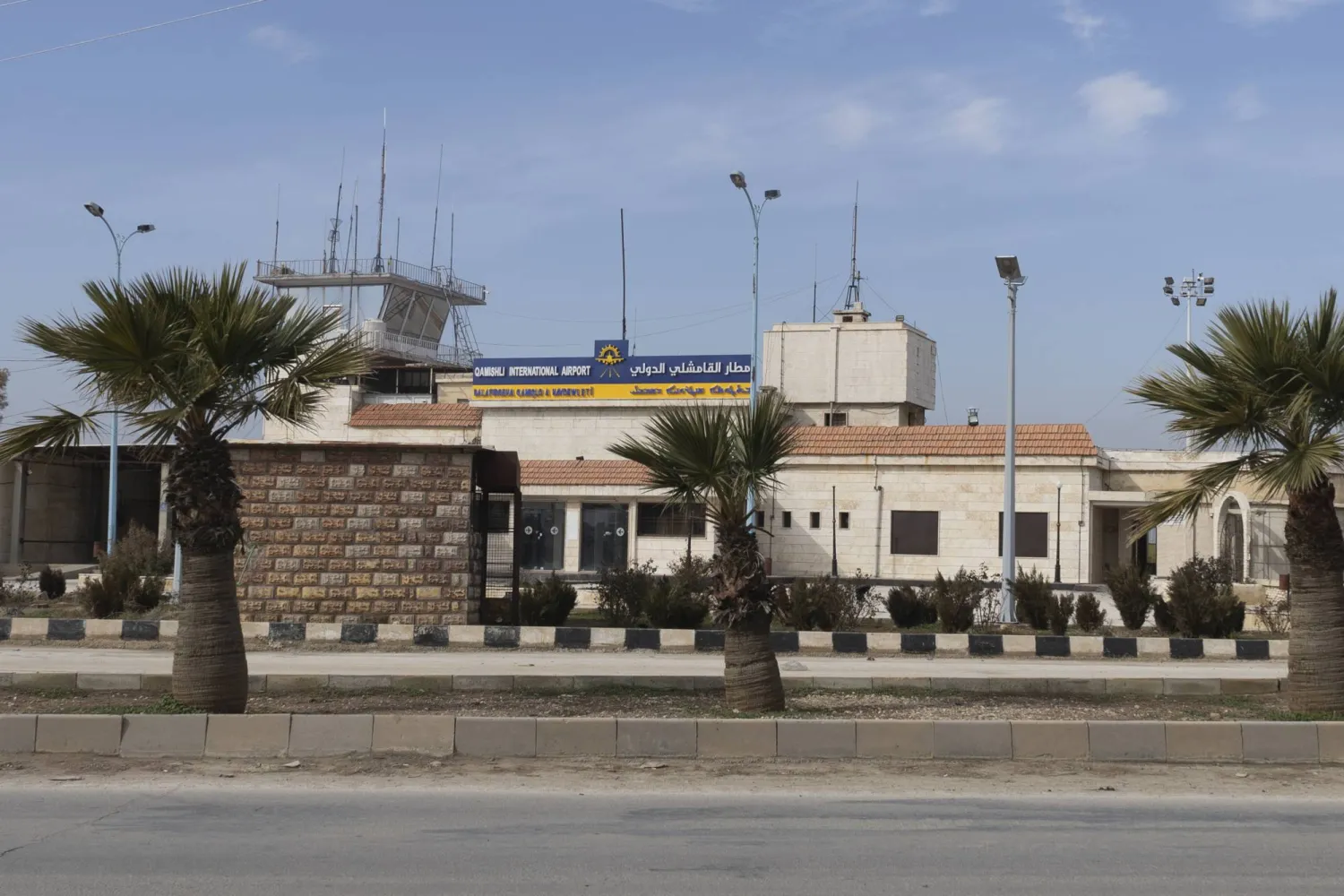
The visit comes just two days after Moscow carried out an urgent withdrawal of its forces and equipment from Qamishli airport, prompting observers to link the two developments.
Russian sources told Asharq Al-Awsat that the evacuation was carried out at Damascus’ request after government forces expanded their control over areas in northeastern Syria.
The source said there was “no longer a need for a Russian presence in this region.”
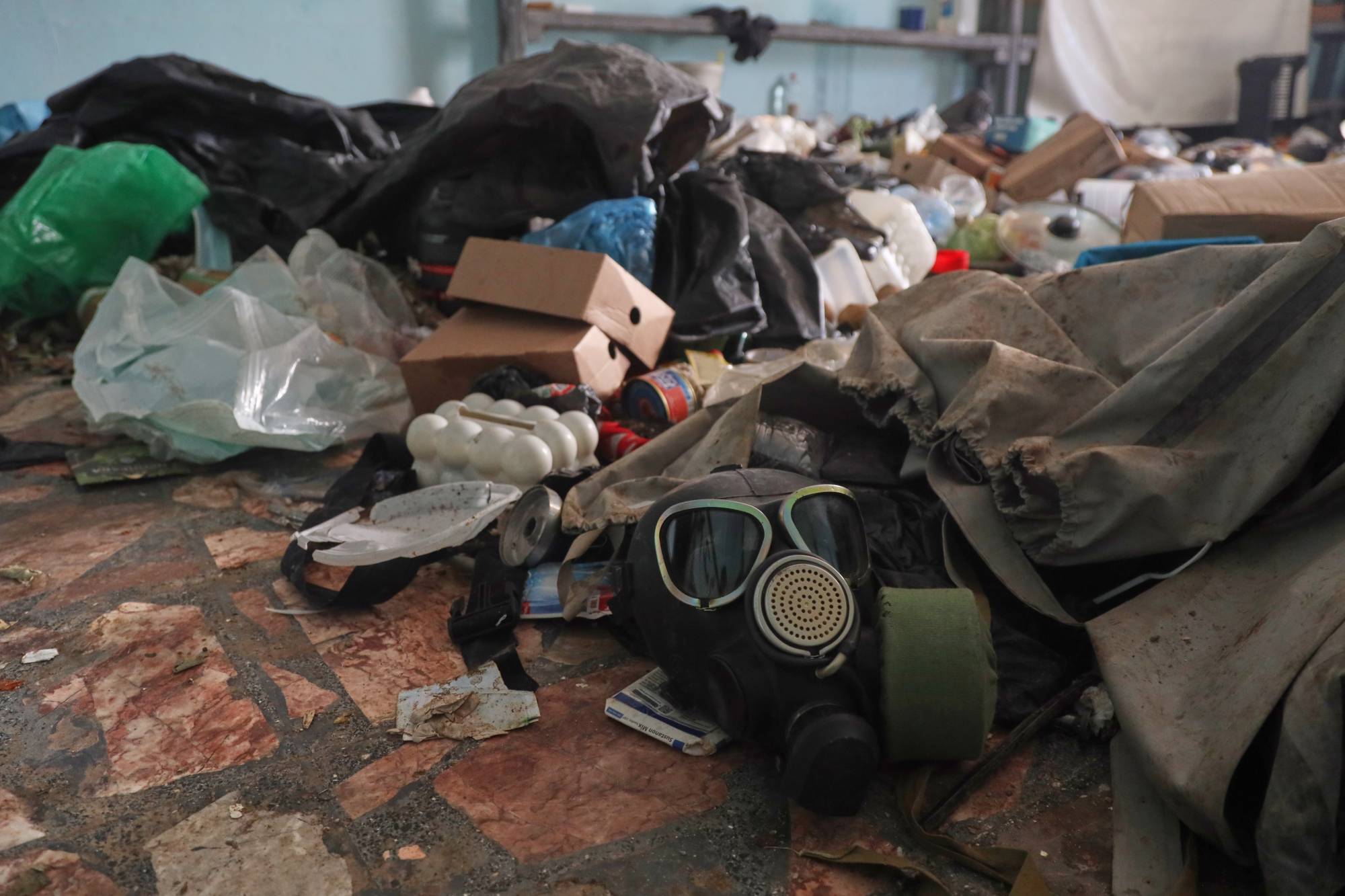
The reports on the Russian withdrawal from northeastern Syria coincided with field accounts by foreign correspondents describing heightened activity in the area, including the removal of military vehicles, armored units, and troops, which were transferred to the Hmeimim airbase.
A Syrian security source on Syria’s western coast said Russian military vehicles and heavy weapons had been moved from Qamishli to the Hmeimim airport over the past two days.
Correspondents in the coastal region documented intensified movements of Russian convoys over the past few days, most of which were carrying sealed crates.
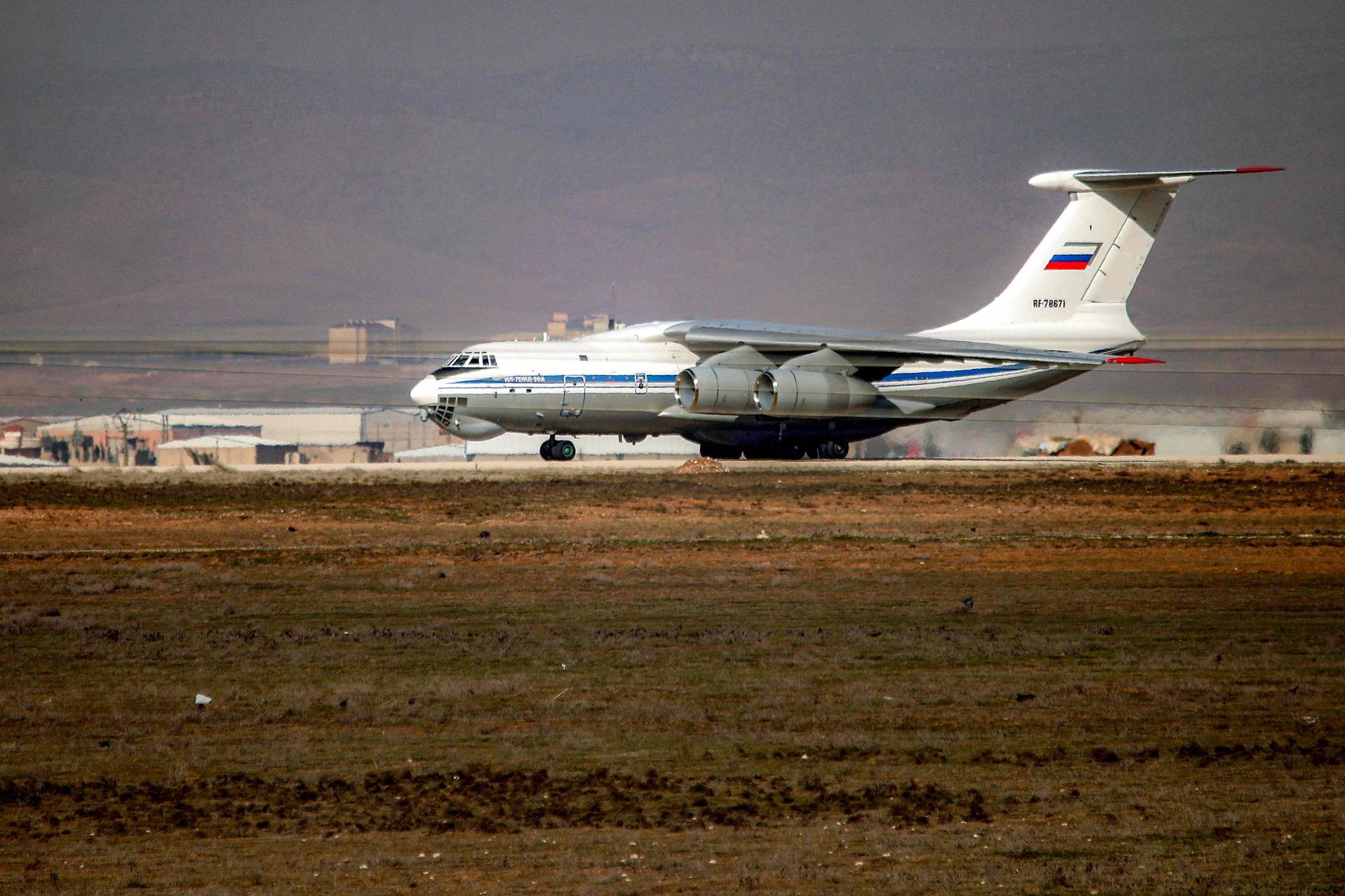
A Reuters correspondent saw Russian flags still flying at Qamishli airport, along with two aircraft bearing Russian markings on the runway.
Russia has maintained a limited presence at Qamishli airport since 2019, smaller than its deployment at its airbase and naval facility on Syria’s Mediterranean coast.
In recent months, however, Moscow significantly reinforced its presence at Qamishli, deploying radar systems and missile defense units, and transferring a large number of vehicles and helicopters from Hmeimim to the airport.
The move had been widely seen as a sign of plans for a long-term Russian presence there.
Attention was also drawn to the fact that the Russian pullout was not limited to Qamishli airport, but also included positions in Hasakah province, which has seen security tensions between the Syrian government and the Syrian Democratic Forces.
According to sources at the Russian airbase in Hmeimim, some of the withdrawing forces were redeployed to western Syria, while others were to return to Russia.
Russian sources did not rule out that developments in northeastern Syria would be at the top of the agenda during the talks, particularly in light of Moscow’s swift response to Damascus’ request to withdraw from the area.
The discussions are also expected to cover bilateral cooperation in various fields, as well as ongoing talks on restructuring the Russian presence at the Hmeimim and Tartous bases on new terms that serve the interests of both sides.
They may also include follow-up discussions, previously launched at the military level, on Russia’s assistance to Syria in rehabilitating the Syrian army, along with logistical requirements for maintaining military equipment, most of which is Russian-made.
The two sides have exchanged several visits at the level of their defense ministries in recent months.
Sources said the visit could lay the groundwork for “new arrangements in relations between Moscow and Damascus, after both sides showed a willingness in recent months to overcome points of disagreement and establish foundations for cooperation in various fields.”
Sharaa last visited Moscow in mid-October, when he met Putin for the first time. Their talks lasted about 2.5 hours.
At the time, Russian Deputy Prime Minister Alexander Novak said the discussions covered several areas, most notably humanitarian issues, as well as energy, transport, health care, and tourism.
“Syria needs to rebuild its infrastructure,” Novak said after the talks, adding that Russia was capable of providing support in this area.
He revealed that the two sides discussed prospects for cooperation in other fields, including cultural and humanitarian areas, tourism development, and health care. He noted that Damascus had expressed interest in obtaining Russian wheat and medicines.
Novak added that Moscow and Damascus agreed to hold a joint intergovernmental commission meeting in the near future.