


Trump Warns Iraq Against Returning Former PM Maliki to Power Amid Worries about Iran Influence

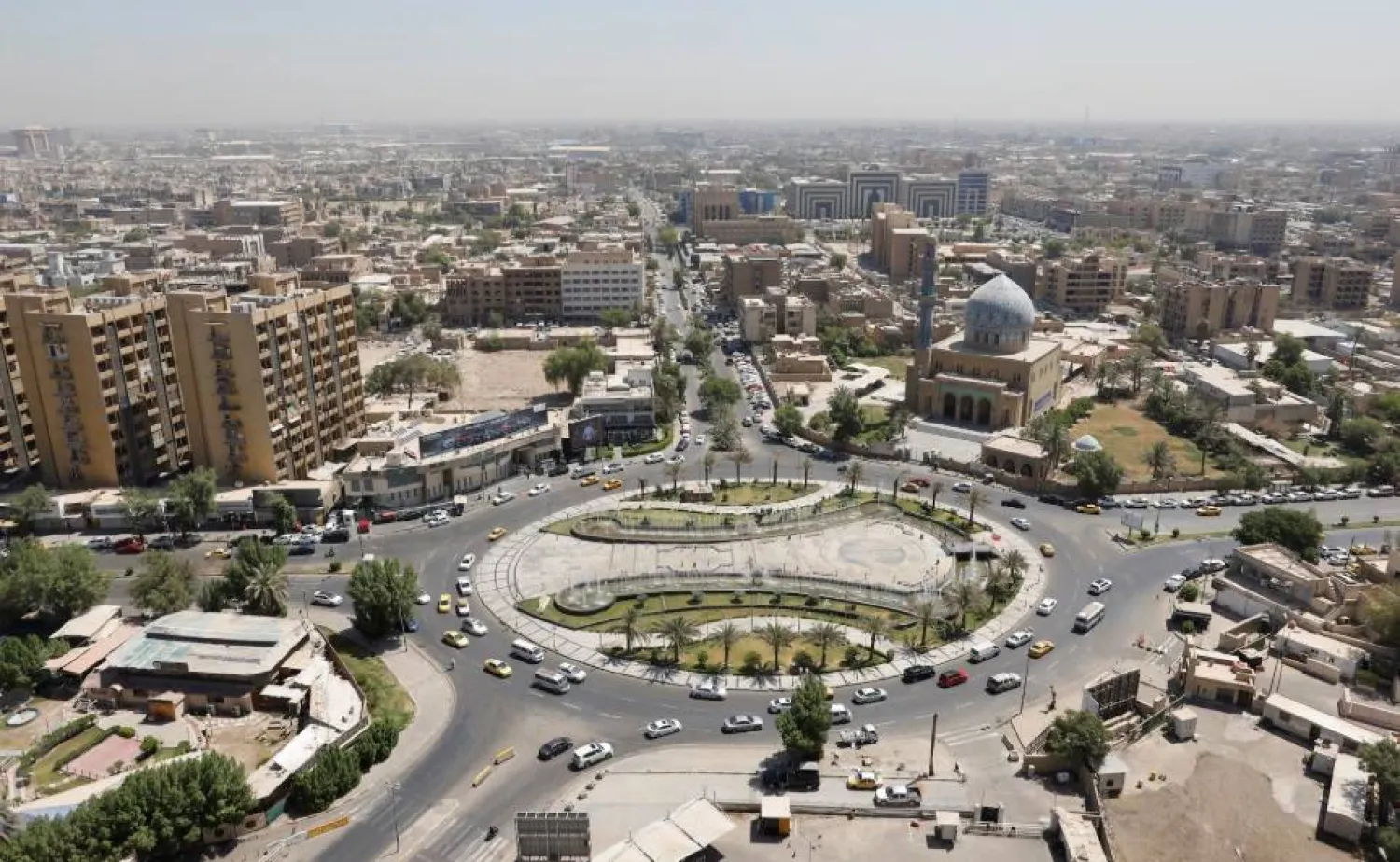
A general view shows al-Firdous Square in Baghdad, Iraq July 27, 2022. (Reuters)
TT

Trump Warns Iraq Against Returning Former PM Maliki to Power Amid Worries about Iran Influence

A general view shows al-Firdous Square in Baghdad, Iraq July 27, 2022. (Reuters)

President Donald Trump warned Iraq on Tuesday that the US would no longer support the country if its former prime minister, Nouri al-Maliki, returns to power.

Trump made the threat days after the dominant political bloc known as the Coordination Framework, a collection of Shiite parties, announced it was backing the nomination of Maliki, who the US administration views as too close to Iran.

"Last time Maliki was in power, the Country descended into poverty and total chaos. That should not be allowed to happen again,” Trump said in a social media post announcing his opposition to Maliki.

“Because of his insane policies and ideologies, if elected, the United States of America will no longer help Iraq and, if we are not there to help, Iraq has ZERO chance of Success, Prosperity, or Freedom," he warned.

Trump's intervention into Iraqi politics comes at a fraught moment for Trump in the Middle East as he weighs carrying out new strikes on Iraq's neighbor Iran, which has maintained deep influence in Iraq's government since the US ouster of Saddam Hussein in 2003.

Trump has left open the possibility of military action in response to Tehran's deadly crackdown on recent protests against the government.

Maliki's troubled relationship with Washington

Caretaker Prime Minister Mohammed Shia al-Sudani 's bloc won the largest share of seats in November’s parliamentary elections. But he stepped aside earlier this month after he was unable to form a government. That cleared the field for Maliki after the two had competed for the backing of the Coordination Framework.

Maliki, who first served as prime minister in 2006, is the only Iraqi prime minister to serve two terms since the US toppled Saddam in 2003. Maliki's bid for a third term failed after he was accused of monopolizing power and alienating the country's sizable Sunni and Kurdish populations.

When he came to power in May 2006, Maliki was initially embraced by President George W. Bush. Maliki took over as prime minister months after the bombing of the al-Askari shrine, a significant Shiite mosque. It was a moment that deepened sectarian tension in Iraq and sparked a period of intense violence in the country.

But within months, US officials soured on Maliki. They saw his government as too often favoring Shiite factions and alienating Sunni populations, which exacerbated the security crisis.

For years, concerns were frequently raised in Washington about Maliki’s closeness to Iran and his ability to govern independently of Tehran’s influence.

By 2014, the Obama administration had lost confidence in Maliki’s ability to manage the security situation, particularly the rise of the ISIS group, which had seized large swaths of the country.

‘This is Iraq, so never say never’

The Trump administration began publicly signaling its concerns about the political situation in Iraq in recent days, with Secretary of State Marco Rubio telling caretaker PM Sudani in a phone call Sunday that the US was concerned about a pro-Iran government taking root in Iraq.

“The Secretary emphasized that a government controlled by Iran cannot successfully put Iraq’s own interests first, keep Iraq out of regional conflicts, or advance the mutually beneficial partnership between the United States and Iraq,” said State Department principal deputy spokesperson Tommy Pigott in a statement.

Hussain Abdul-Hussain, a research fellow focused on the Middle East at the Foundation for Defense of Democracies, a hawkish Washington think tank, said that Trump's public opposition creates a difficult hurdle for Maliki to overcome.

“But this is Iraq, so never say never,” said Abdul-Hussein. “And this was a guy whose political life was supposed to have expired many, many years ago, and yet Maliki is still here.”

The US also has been pushing Baghdad to disarm Iran-backed groups operating inside Iraq — a difficult proposition, given the political power that many of them hold.

Fraught moment with Iran

It's not the first time that Trump has intervened in another country's politics since returning to office. He also offered strong backing last year for right-wing candidates in Argentina, Honduras, and Poland.

The long-frayed relationship between the US and Iran remains tense after Trump earlier this month repeatedly threatened Tehran with military action if his administration found the authorities were using deadly force against anti-government protesters.

He then said he was holding off on strikes after claiming that Iran had halted the execution of some 800 people detained in the protests — something Iran’s top prosecutor, Mohammad Movahedi, has strongly denied.

Trump may have been at least temporarily dissuaded from carrying out a strike because of a shift in the US naval presence from the Middle East to South America.

The aircraft carrier USS Gerald Ford was redirected from the Mediterranean Sea in November to support operations targeting drug smugglers in the Caribbean Sea and eastern Pacific as well as this month's capture of former Venezuelan president Nicolás Maduro.

But the aircraft carrier USS Abraham Lincoln and three accompanying warships have arrived in the Middle East, US Central Command confirmed Monday. That's raised anew speculation that Trump could soon opt to order airstrikes on Iran for its crackdown on protesters.
Sudanese Slowly Rebuild Their War-Ravaged Capital

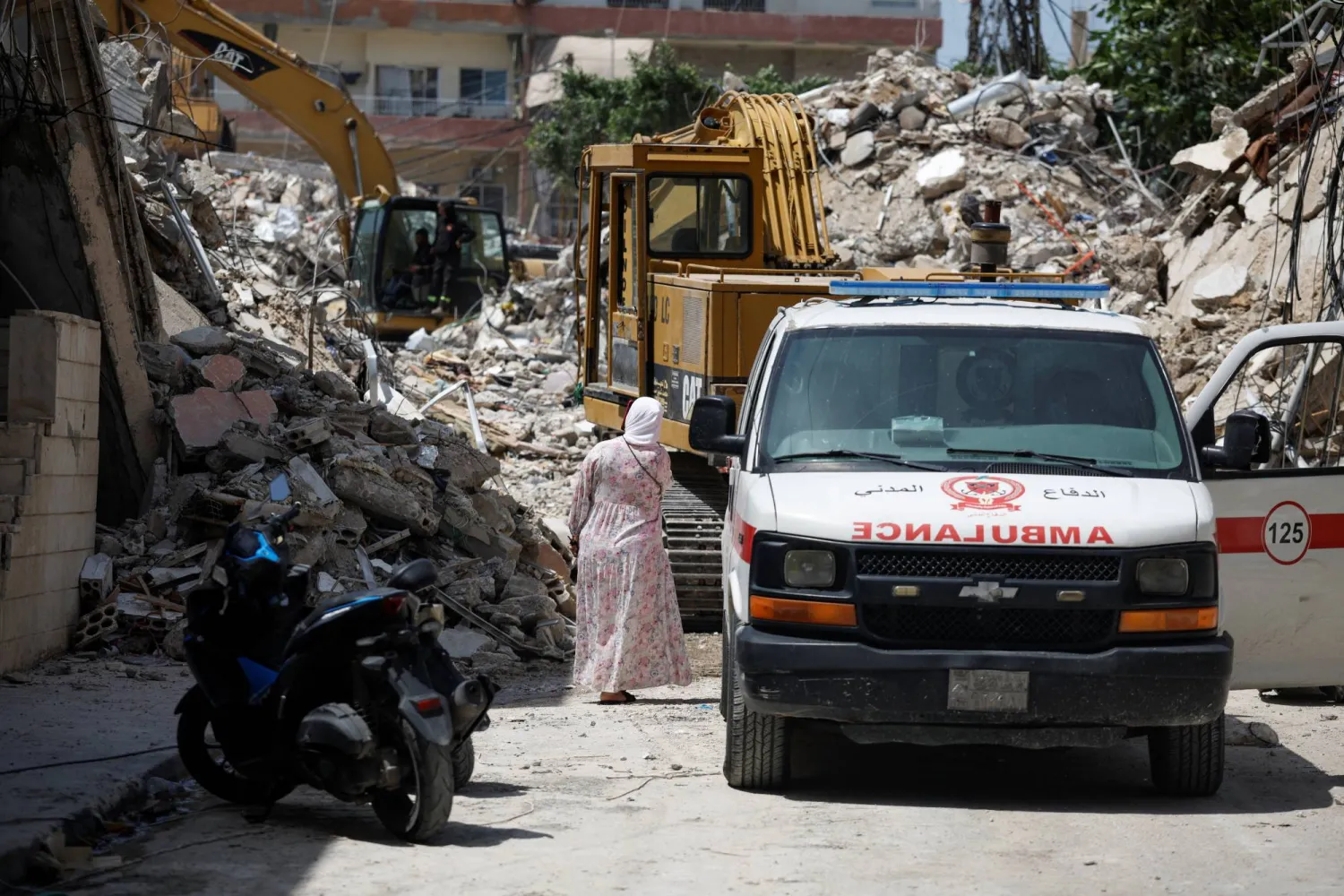
A view of Sudan's Ministry of Finance building after nearly three years of devastation caused by the war, as efforts to restore the city's infrastructure resumes, in the capital Khartoum on January 17, 2025. (AFP)
TT

Sudanese Slowly Rebuild Their War-Ravaged Capital

A view of Sudan's Ministry of Finance building after nearly three years of devastation caused by the war, as efforts to restore the city's infrastructure resumes, in the capital Khartoum on January 17, 2025. (AFP)

A jungle of weeds fills the Sudanese finance ministry's courtyard in central Khartoum, where the army-backed government says it plans a gradual return after nearly three years of war.

Abandoned cars, shattered glass and broken furniture lie beneath vines climbing the red-brick facades, built in the British colonial style that shaped the city's early 20th-century layout.

"The grounds haven't been cleared of mines," a guard warns at the ruined complex, located in an area still classified as "red" or highly dangerous by the United Nations Mine Action Service (UNMAS).

Even as war rages in the southern Kordofan region, Prime Minister Kamil Idris has announced that the government will return to Khartoum after operating from the Red Sea city of Port Sudan some 700 kilometers (440 miles) away for nearly three years.

Main roads have been cleared and cranes now punctuate the skyline of a capital scarred by the war between the Rapid Support Forces (RSF) and the army, which retook the city last March.

Since then, officials have toured reconstruction sites daily, promising a swift return to normal life.

Government headquarters, including the general secretariat and cabinet offices, have been refurbished. But many ministries remain abandoned, their walls pockmarked by bullets.

The central bank is a blackened shell, its windows blown out. Its management announced last week that operations in Khartoum State would resume, according to the official news agency SUNA.

A member of security stands in front of a destroyed high-rise building, as efforts to restore the city's infrastructure resumes after nearly three years of devastation caused by war, in the Sudanese capital Khartoum on January 17, 2025. (AFP)

- 'Still empty' -

At a ruined crossroads nearby, a tea seller has reclaimed her usual spot beneath a large tree.

Halima Ishaq, 52, fled south when the fighting began in April 2023 and came back just three weeks ago.

"Business is not good. The neighborhood is still empty," the mother of five told AFP.

Ishaq earns between 4,000 and 5,000 Sudanese pounds a day, less than two euros and about a third of her pre-war income.

More than a third of Khartoum's nine million residents fled when the RSF seized it in 2023. Over a million have returned since the army retook the city.

The UN estimates that rebuilding infrastructure will cost at least $350 million.

"We sell very little," glazier Abdellah Ahmed told AFP.

"People have no money and the big companies haven't come back yet."

Khartoum's international airport has been renovated, but remains closed after an RSF drone strike last September, just weeks before its planned reopening.

Near the city's ministries, workers clear debris from a gutted bank.

"Everything must be finished in four months," said the site manager.

Optimism is also on display at the Grand Hotel, which once hosted Queen Elizabeth II. Management hopes to welcome guests again by mid-February.

While its chandeliered lobby survived, much of the neo-classical building's rear was destroyed, just a few years after it was renovated during Sudan's oil boom in the late 2000s.

Elsewhere, symbols of Khartoum's former ambitions lie in ruins.

Men walk in front of a destroyed high-rise building as efforts to restore the city's infrastructure resumes after nearly three years of devastation caused by war, in the Sudanese capital Khartoum on January 17, 2025. (AFP)

The tower of the Greater Nile Petroleum Operating Company, unveiled when the city aspired to become "Africa's Dubai", stands charred and hollow.

Sudan lost half of its oil revenues during the war, on top of losses following South Sudan's secession in 2011, which removed about a third of the country's oil production.

Life is returning more quickly to the commercial districts of Khartoum's twin city Omdurman. On Liberty Street, Khartoum's main commercial avenue, only a few of the looted shops have reopened.

"Many shopkeepers aren't coming back," said Osman Nadir, an appliance seller.

"Suppliers are demanding repayment for goods destroyed during the fighting," added Nadir, who himself faces legal action.

For residents, restoring water and electricity remains the most urgent task.

- Dark streets -

At night, the streets are "dark and deserted," said Taghreed Awad al-Reem Saeed.

"You don't feel safe," the 26-year-old medical intern told AFP.

Men have returned to work alone, leaving their families elsewhere.

"Before I could go with my friends," Saeed said.

"I want my social life back," she added. "Like before."

"Like before and even better than before," hopes former National Theater director Abdel Rafea Hassan Bakhit, a retiree deeply involved in restoring the building.

Near the Nile, volunteers are repairing the National Theater, once graced by performers such as Umm Kulthum and Louis Armstrong.

The stage remains intact, but sound and lighting systems were destroyed. In recent weeks, official visits have multiplied, each bringing fresh promises of aid.

A few kilometers away, workers are clearing fallen trees from the red and yellow stands of Al-Merreikh Stadium, nicknamed "the Red Castle" and home to one of Africa's oldest football clubs.

Burnt-out cars still line the street outside. The pitch has been levelled, but machinery lies idle. The last match was played a week before the war. Since then, the club has competed in Rwanda's top division.


Qassem's Threat of New War Sparks Outrage in Lebanon 

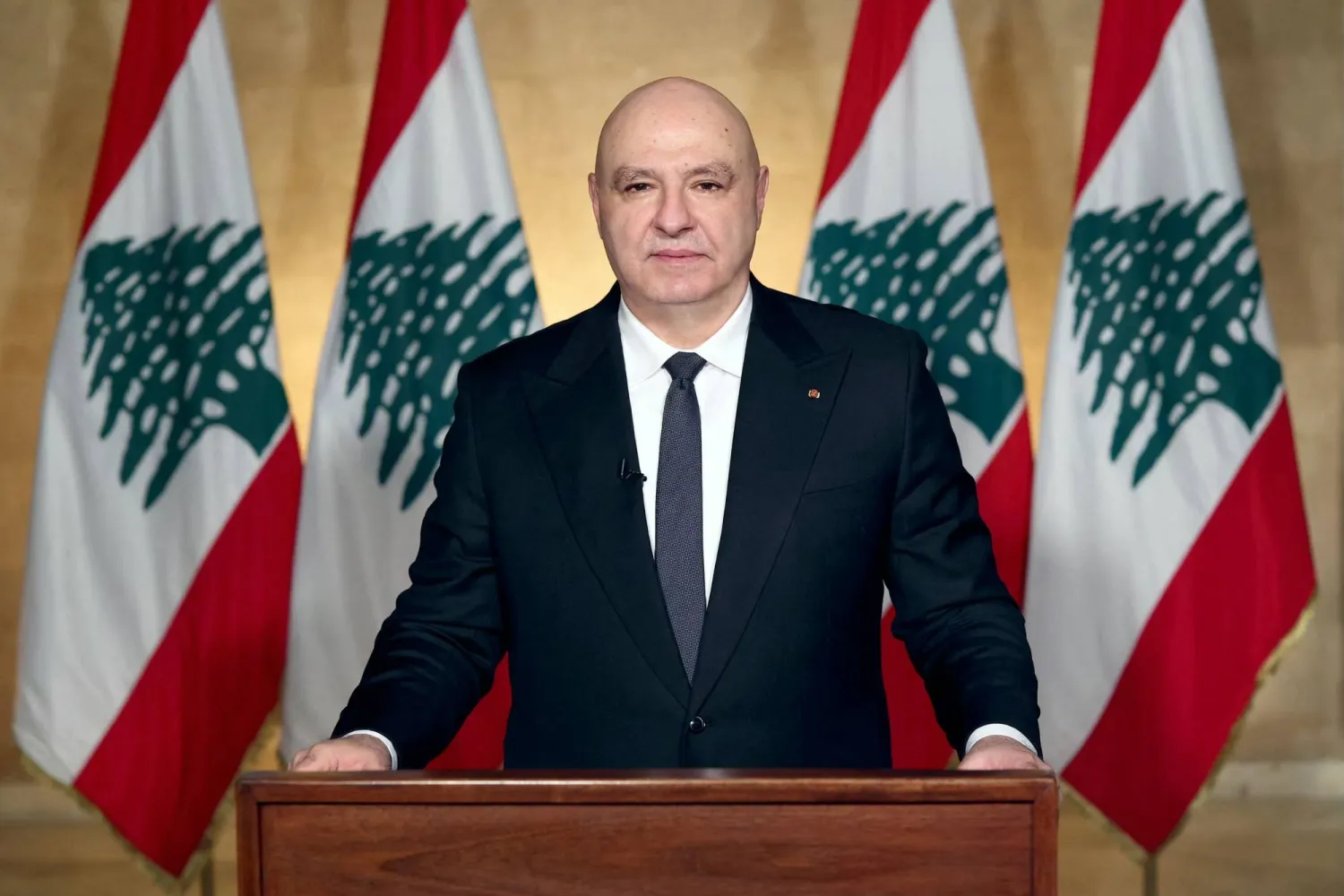
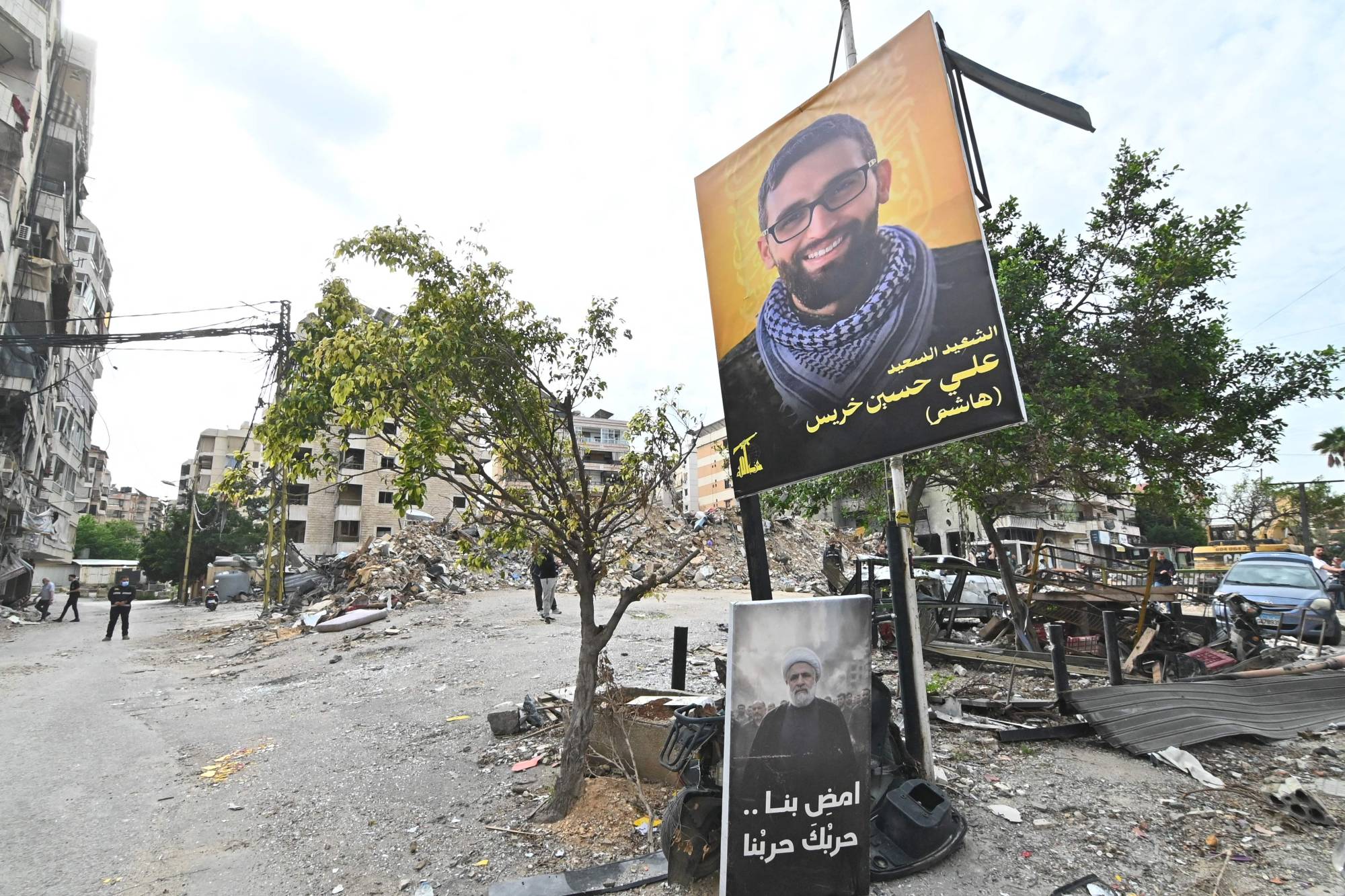
 Supporters watch a televised speech by Hezbollah chief Sheikh Naim Qassem during a rally to show their solidarity with Iran, in the southern suburb of Beirut on January 26, 2026. (AFP)
Supporters watch a televised speech by Hezbollah chief Sheikh Naim Qassem during a rally to show their solidarity with Iran, in the southern suburb of Beirut on January 26, 2026. (AFP)
TT

Qassem's Threat of New War Sparks Outrage in Lebanon 

 Supporters watch a televised speech by Hezbollah chief Sheikh Naim Qassem during a rally to show their solidarity with Iran, in the southern suburb of Beirut on January 26, 2026. (AFP)
Supporters watch a televised speech by Hezbollah chief Sheikh Naim Qassem during a rally to show their solidarity with Iran, in the southern suburb of Beirut on January 26, 2026. (AFP)

Hezbollah Secretary-General Sheikh Naim Qassem's statements that the party will not remain on the sidelines should Iran come under attack sparked outrage in Lebanon over dragging the country yet again into regional conflicts.

He made his remarks as the Lebanese state has been under intense international and internal pressure to come up with a plan to impose state monopoly over arms, including Hezbollah's arsenal, to avert a new conflict.

Qassem's statements, however, undermined those efforts by declaring that the party will come to Iran's aid in a new war.

Ministerial sources close to the presidency questioned Qassem's statements, saying they give Israel an excuse to escalate its attacks against Lebanon.

They told Asharq Al-Awsat: "He is obviously speaking of a new 'support war'... Hasn't Qassem seen what the first support war did to Lebanon and his party's environment in particular?"

Lebanon is still suffering from the consequences of that war, added the sources, asking: "Should it be dragged into another destructive conflict?"

Hezbollah launched its support war against Israel in 2023 in solidarity with Hamas in Gaza. Israel escalated its attacks against the party in 2024, turning into an all-out war that decimated Hezbollah's leadership. The war ended in a November 2024 ceasefire.

Qassem's statements give Israel an excuse to continue to violate the ceasefire that will in turn delay reconstruction efforts and the return of the displaced to their homes, warned the sources.

Outrage

Officials were quick to slam Qassem's renewed war threat. During a parliament session on Tuesday, MP Firas Hamdan urged against "using the residents of the South and Lebanese people for Iran's interests."

Head of the Kataeb party MP Sami Gemayel said on X: "You want to defend your master [Iran], then go there. You want to commit suicide, then do so alone, but just leave Lebanon alone!"

Kataeb MP Ziad Hawat said: "Sheikh Naim Qassem did not learn anything from the support war and the catastrophe that he brought to Lebanon."

"The time of dragging Lebanon to ruin and destruction is over."

Dismissed

Political analyst and Hezbollah critic Ali al-Amine said Qassem wants to wage a new support war this time in support of Iran's supreme leader Ali Khamenei.

He told Asharq Al-Awsat: "He is proving that his party is helpless against the humiliating blows it has been receiving from Israel for over a year."

"He is declaring his embarrassing helplessness against the Israeli attacks on his party and Lebanon, while at the same time saying he is ready to support Iran. This demonstrates that his party is nothing more than an Iranian pawn," he went on to say.

On how Qassem's speech was received by Shiites, who form Hezbollah's widest support base, al-Amine said: "Some Shiites believe that such statements can no longer be taken seriously and that they no longer have any actual impact."

"There are others who react with real concern over such statements, not because they believe them," but because they could drag Lebanon and its people to a new war, he added.

He said that on the surface, Shiites may still be supporting Hezbollah, but this support has not reached the extent to demand it to seriously retaliate to Israel's repeated violations against Lebanon and the party.

"So how would they possibly react to dragging Lebanon to a new conflict because of Iran? Such a step will be met with greater resistance," he noted.

"In general, it's safe to say that the Lebanese people, especially the Shiites, are in agreement that they do not want to be fodder in the wars of others. This position played out on social media where users were quick to dismiss and mock Qassem's statements," al-Amine said.

"Ultimately, Qassem's speech was not convincing to Hezbollah's immediate supporters or Shiites in general. He appeared to be carrying out foreign orders, more so than expressing Lebanon's national interest or even the actual concerns of the environment he should be addressing," he stated.


Trump Praises Syria’s Sharaa After Offensive in Kurdish Area

Syria's President Ahmed al-Sharaa speaks after signing an agreement at the Presidential Palace in Damascus on January 18, 2026. (AFP / Handout)
TT

Trump Praises Syria’s Sharaa After Offensive in Kurdish Area

Syria's President Ahmed al-Sharaa speaks after signing an agreement at the Presidential Palace in Damascus on January 18, 2026. (AFP / Handout)

US President Donald Trump said Tuesday he spoke to Syrian leader Ahmed al-Sharaa and was pleased by developments on the ground, after an offensive by Damascus against Kurdish fighters long backed by Washington.

The two spoke by telephone a day before the Syrian leader visits Russia, the key backer of former president Bashar al-Assad, toppled in late 2024 by Sharaa's opposition forces.

"I had a great conversation with the highly respected president of Syria, and all of the things having to do with Syria and that area," Trump told reporters.

"It's working out very well, so we're very happy about it."

Trump's show of support contrasts with earlier threats by one of his key backers in Congress, Senator Lindsey Graham, to reimpose sanctions on Syria in response to the recent offensive.

Shifting away from his threats, Graham on Tuesday instead credited Trump with restoring stability.

Syria's national army launched the operation to regain control over the country's north and east, where Kurdish fighters had created a de facto separate state during the brutal civil war, before reaching a fragile ceasefire.

Sharaa told Trump of "Syria's full commitment to its territorial integrity and its national sovereignty and the state's keenness to preserve its institutions and promote civil peace," according to a statement by the Syrian presidency.

The United States had allied with the Kurdish-led Syrian Democratic Forces (SDF) beginning over a decade ago to fight the ISIS extremist group, which had gained control over vast swathes of Syria and Iraq.

But Trump envoy Tom Barrack said this month that the partnership had outlived its usefulness and backed the Syrian government's efforts.

The United States has since helped move ISIS prisoners held for years by the SDF to across the border in Iraq.
