



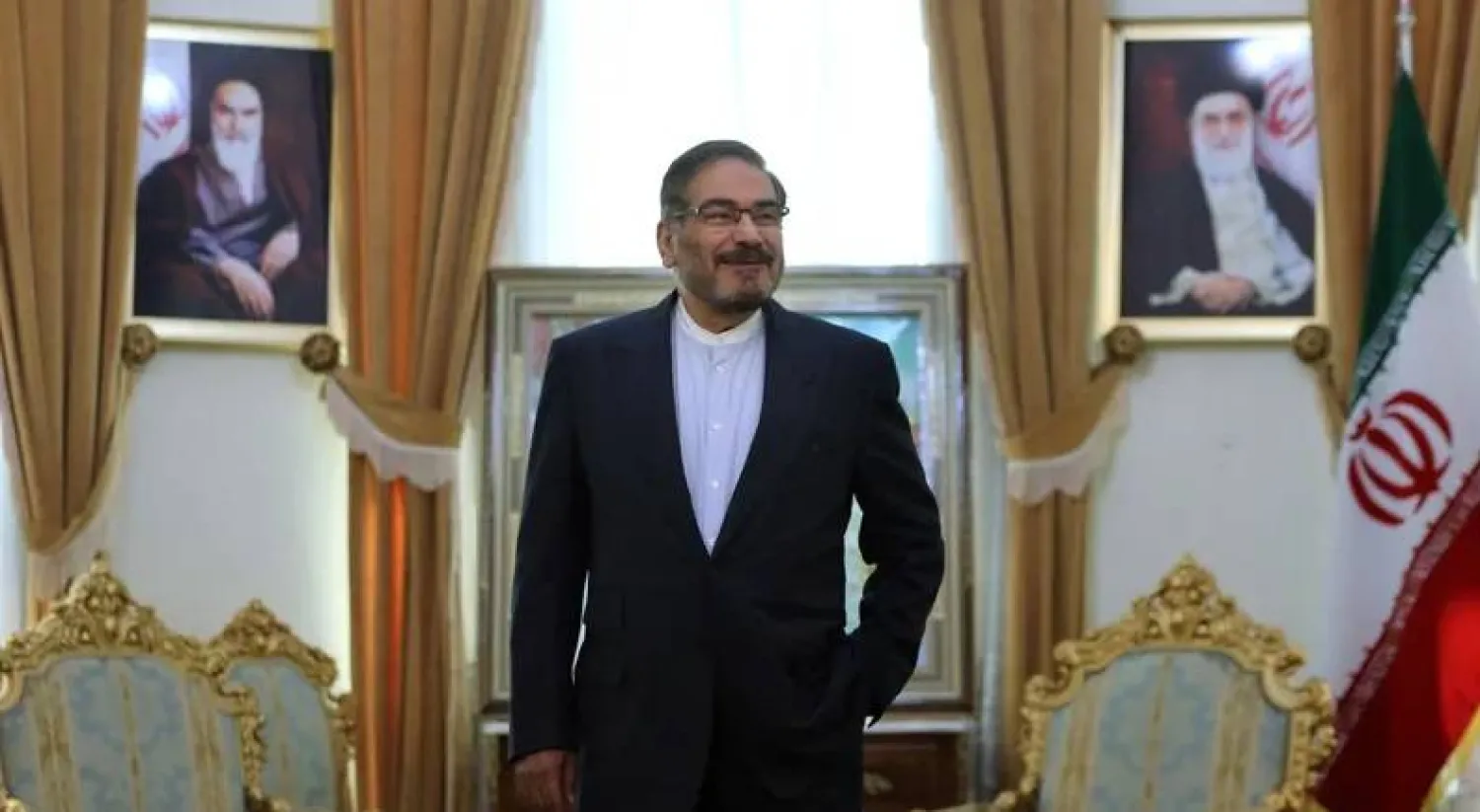

Ali Shamkhani, adviser to Iran's Supreme Leader Ali Khamenei, spoke on the nuclear issue late Monday saying that Iran does not seek nuclear weapons and suggesting that if the talks with the US happened, they would be indirect at the beginning, then moving to direct talks if a deal appeared to be attainable.
The pan-Arab satellite channel Al Mayadeen, which is politically allied with the Iranian-backed Lebanese militant group Hezbollah, aired the interview with Shamkhani.
He also said that the US “must offer something in return” if Iran were to reduce the level of enrichment.
Shamkhani, who now sits on the country’s Supreme National Security Council and who in the 1980s led Iran's navy, wore a naval uniform as he spoke.
He suggested if the talks happened, they would be indirect at the beginning, then moving to direct talks if a deal appeared to be attainable.
Direct talks with the US long have been a highly charged political issue within Iran's theocracy, with reformists like President Masoud Pezeshkian pushing for them and hard-liners dismissing them.
The talks would solely focus on nuclear issues, he added.
Asked about whether Russia could take Iran's enriched uranium like it did in Tehran's 2015 nuclear deal with world powers, Shamkhani dismissed the idea, saying there was “no reason” to do so. Kremlin spokesperson Dmitry Peskov on Monday said Russia had “long offered these services as a possible option that would alleviate certain irritants for a number of countries.”
“Iran does not seek nuclear weapons, will not seek a nuclear weapon and will never stockpile nuclear weapons, but the other side must pay a price in return for this," he said.
Iran had been enriching uranium up to 60% purity, a short, technical step away from weapons-grade levels. The International Atomic Energy Agency had said Iran was the only country in the world to enrich to that level that wasn't armed with the bomb.
Iran has been refusing requests by the IAEA to inspect the sites bombed in the June war.
“The quantity of enriched uranium remains unknown, because part of the stockpile is under rubble, and there is no initiative yet to extract it, as it is extremely dangerous," Shamkhani said.


