
Iraqi Guards Threatened by ISIS Prisoners

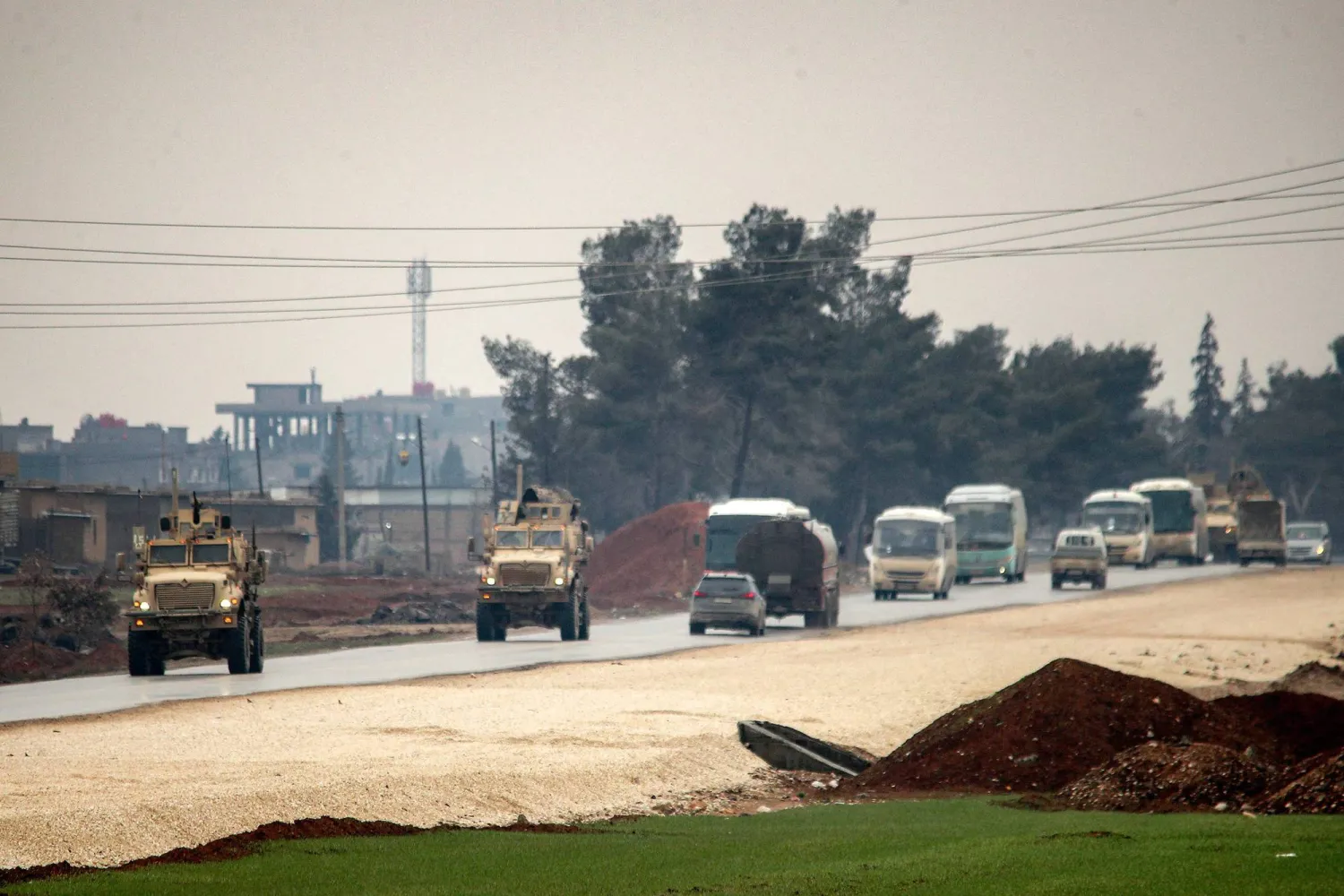
US military vehicles move along a road in a convoy transporting ISIS detainees being transferred to Iraq from Syria, on the outskirts of Qahtaniyah in Syria's northeastern Hasakah province on February 7, 2026. (Photo by Delil SOULEIMAN / AFP)
TT

Iraqi Guards Threatened by ISIS Prisoners

US military vehicles move along a road in a convoy transporting ISIS detainees being transferred to Iraq from Syria, on the outskirts of Qahtaniyah in Syria's northeastern Hasakah province on February 7, 2026. (Photo by Delil SOULEIMAN / AFP)

Iraq is continuing to transfer prisoners believed to be mostly ISIS members to its own detention facilities under a previous arrangement with Washington and the US-led coalition fighting the group, Iraqi security sources said.

The move is aimed at preventing jailbreaks following unrest last month in parts of northeastern Syria, which host camps and prisons holding thousands of ISIS fighters and their families.

Iraqi security officials said some detainees threatened Iraqi soldiers and guards during the transfer process, telling them, “We will kill you when we escape from prison,” an indication that the group’s violent ideology persists even while its members are in custody.

Iraq formally agreed last month to receive thousands of ISIS detainees held in northeastern Syria under the control of the Syrian Democratic Forces, a step the government described as preemptive to protect national security and prevent escapes, particularly given the fragile security situation in the area.

At the end of January, Iraq’s National Security Ministerial Council approved the formation of a high-level security committee to fully oversee the transfer process and the handling of detainees, including security, judicial, and logistical aspects.

Prosecutions

The Security Media Cell said on Saturday that Iraq had received 2,250 militants from the Syrian side and had begun judicial classification procedures “in accordance with Iraqi laws in force related to counterterrorism.”

The head of the Security Media Cell, Lt. Gen. Saad Maan, told the state news agency that Iraq had received the 2,250 militants by land and air in coordination with the international coalition, following extensive efforts by the security forces, and that they were being held in tightly secured official facilities.

Maan said the government and security forces were fully prepared to deal with the numbers “to avert danger not only from Iraq, but globally,” adding that specialized teams had started initial investigations and classifying the detainees according to their level of risk, as well as recording their confessions under direct judicial supervision.

He said all those involved in crimes against Iraq and affiliated with ISIS would be tried before competent Iraqi courts, noting that the foreign ministry was in continuous contact with several countries regarding detainees of other nationalities.

He added that the process of handing over militants to their home countries would begin once legal requirements were completed. At the same time, security agencies continued their field and investigative duties in the case.

In the same context, the Supreme Judicial Council announced last week the opening of investigation procedures into 1,387 ISIS members who were recently received from Syrian territory.

Former judge Rahim al-Uqaili previously told Asharq Al-Awsat that detainees transferred from Syria could be tried before Iraqi criminal courts if they were charged with committing crimes outside Iraq that affected internal or external state security, among other offenses.

He expressed doubt, however, about the possibility of obtaining conclusive evidence in some cases.

Tight transfer measures

Security sources told Asharq Al-Awsat that most detainees transferred from Syria were being held in prisons and detention centers in Baghdad and Hilla, both of which host highly fortified facilities.

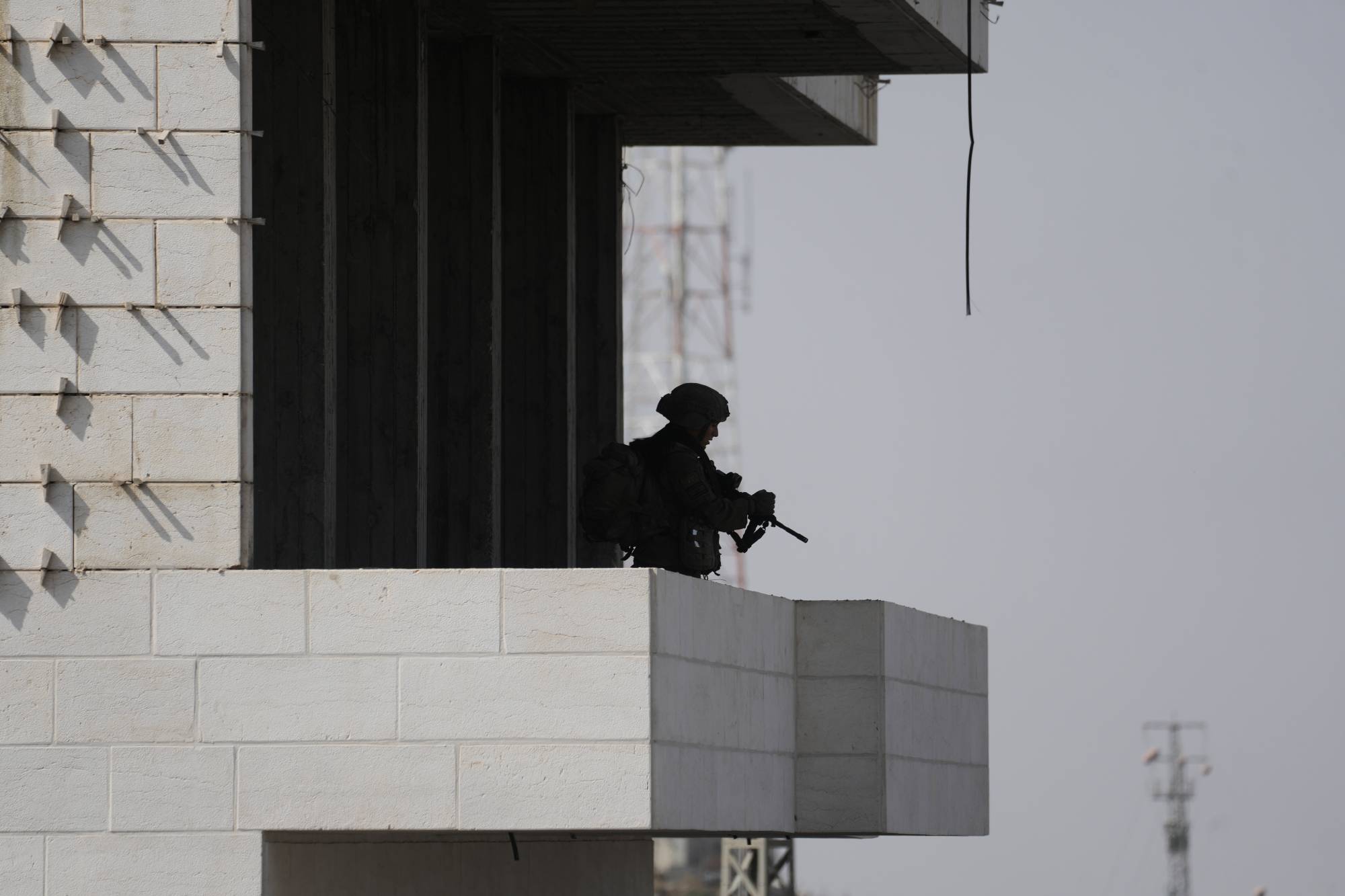
They said the Counter Terrorism Service was supervising the transport and distribution process, adding that detainees’ hands and feet were bound and their faces covered. Some hurled insults and direct death threats at guards if they managed to escape, while others remained silent.

The sources said security personnel had strict orders not to speak with or interact with detainees, and that most guards were unaware of the detainees' nationalities, as part of measures aimed at reducing risks and preventing communication or security breaches.


Rescue Teams Search for Survivors in Building Collapse that Killed at Least 2 in Northern Lebanon

A Lebanese flag is pictured, in the aftermath of a massive explosion, in Beirut's damaged port area, Lebanon August 17, 2020. REUTERS/Hannah McKay
TT

Rescue Teams Search for Survivors in Building Collapse that Killed at Least 2 in Northern Lebanon

A Lebanese flag is pictured, in the aftermath of a massive explosion, in Beirut's damaged port area, Lebanon August 17, 2020. REUTERS/Hannah McKay

At least two people were killed and four rescued from the rubble of a multistory apartment building that collapsed Sunday in the city of Tripoli in northern Lebanon, state media reported.

Rescue teams were continuing to dig through the rubble. It was not immediately clear how many people were in the building when it fell.

The bodies pulled out were of a child and a woman, the state-run National News Agency reported.

Dozens of people crowded around the site of the crater left by the collapsed building, with some shooting in the air.

The building was in the neighborhood of Bab Tabbaneh, one of the poorest areas in Lebanon’s second largest city, where residents have long complained of government neglect and shoddy infrastructure. Building collapses are not uncommon in Tripoli due to poor building standards, according to The AP news.

Lebanon’s Health Ministry announced that those injured in the collapse would receive treatment at the state’s expense.

The national syndicate for property owners in a statement called the collapse the result of “blatant negligence and shortcomings of the Lebanese state toward the safety of citizens and their housing security,” and said it is “not an isolated incident.”

The syndicate called for the government to launch a comprehensive national survey of buildings at risk of collapse.


Israel to Take More West Bank Powers and Relax Settler Land Buys

A view of Israeli settlement of Maale Adumim, in the West Bank, Sunday, June 18, 2023. (AP)
TT

Israel to Take More West Bank Powers and Relax Settler Land Buys

A view of Israeli settlement of Maale Adumim, in the West Bank, Sunday, June 18, 2023. (AP)

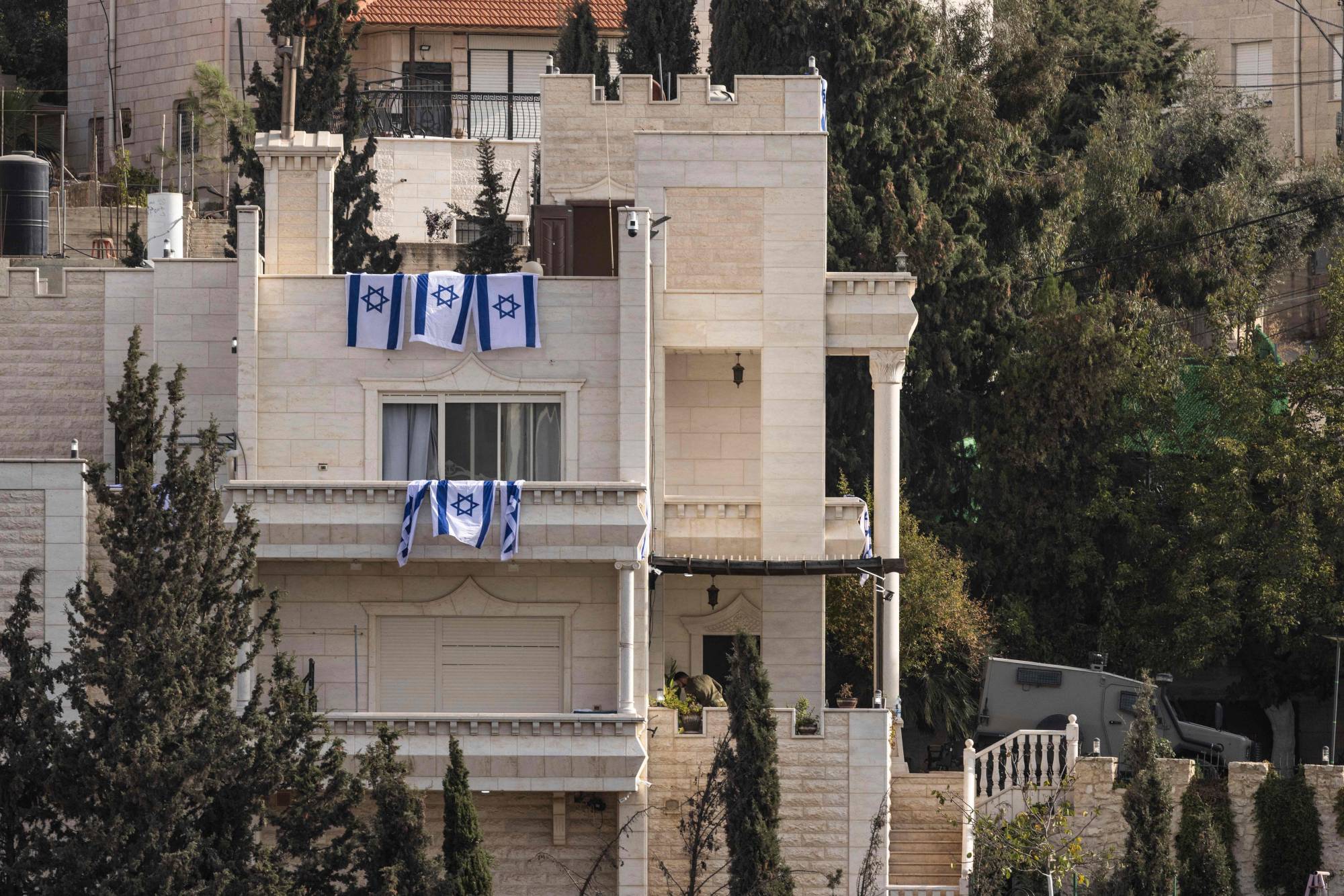
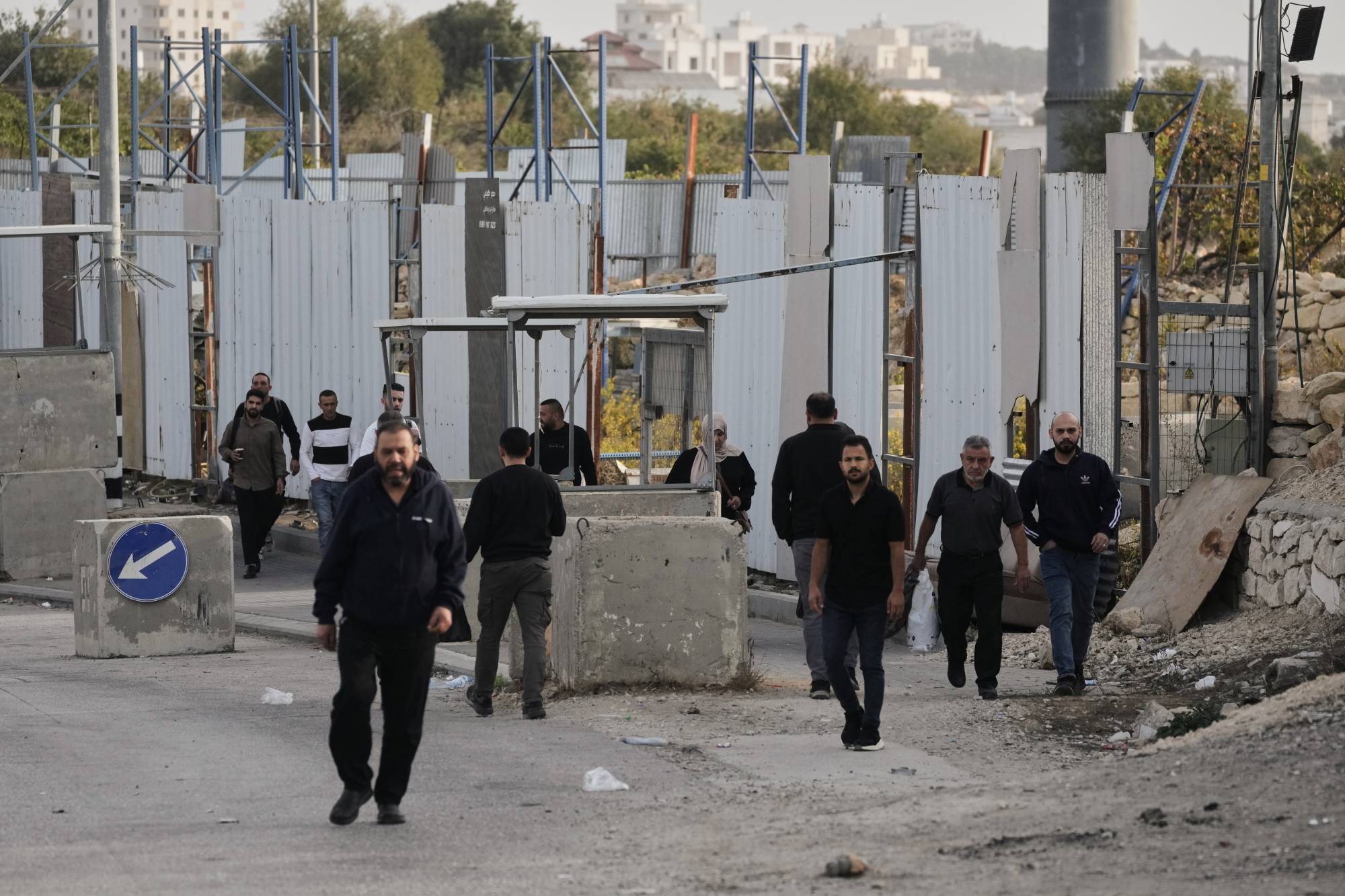
Israel's security cabinet approved a series of steps on Sunday that would make it easier for settlers in the occupied West Bank to buy land while granting Israeli authorities more enforcement powers over Palestinians, Israeli media reported.

The West Bank is among the territories that the Palestinians seek for a future independent state. Much of it is under Israeli military control, with limited Palestinian self-rule in some areas run by the Western-backed Palestinian Authority (PA).

Citing statements by Finance Minister Bezalel Smotrich and Defense Minister Israel Katz, Israeli news sites Ynet and Haaretz said the measures included scrapping decades-old regulations that prevent Jewish private citizens buying land in the West Bank, The AP news reported.

They were also reported to include allowing Israeli authorities to administer some religious sites, and expand supervision and enforcement in areas under PA administration in matters of environmental hazards, water offences and damage to archaeological sites.

Palestinian President Mahmoud Abbas said the new measures were dangerous, illegal and tantamount to de-facto annexation.

The Israeli ministers did not immediately respond to requests for comment.

The new measures come three days before Prime Minister Benjamin Netanyahu is scheduled to meet in Washington with US President Donald Trump.

Trump has ruled out Israeli annexation of the West Bank but his administration has not sought to curb Israel's accelerated settlement building, which the Palestinians say denies them a potential state by eating away at its territory.

Netanyahu, who is facing an election later this year, deems the establishment of any Palestinian state a security threat.

His ruling coalition includes many pro-settler members who want Israel to annex the West Bank, land captured in the 1967 Middle East war to which Israel cites biblical and historical ties.

The United Nations' highest court said in a non-binding advisory opinion in 2024 that Israel's occupation of Palestinian territories and settlements there is illegal and should be ended as soon as possible. Israel disputes this view.


Arab League Condemns Attack on Aid Convoys in Sudan

A general view shows the opening session of the meeting of Arab foreign ministers at the Arab League Headquarters (Reuters)
TT

Arab League Condemns Attack on Aid Convoys in Sudan

A general view shows the opening session of the meeting of Arab foreign ministers at the Arab League Headquarters (Reuters)

Arab League Secretary-General Ahmed Aboul Gheit strongly condemned the attack by the Rapid Support Forces on humanitarian aid convoys and relief workers in North Kordofan State, Sudan.

In a statement reported by SPA, secretary-general's spokesperson Jamal Rushdi quoted Aboul Gheit as saying the attack constitutes a war crime under international humanitarian law, which prohibits the deliberate targeting of civilians and depriving them of their means of survival.

Aboul Gheit stressed the need to hold those responsible accountable, end impunity, and ensure the full protection of civilians, humanitarian workers, and relief facilities in Sudan.