The Saudi government stressed on Tuesday that the Kingdom will continue to defend its sovereignty and security of its citizens and residents and protect its national assets.
It rejected the hostile and criminal behavior adopted by the extremist Houthi militia that is threatening Yemen and its Arab and Islamic surroundings.
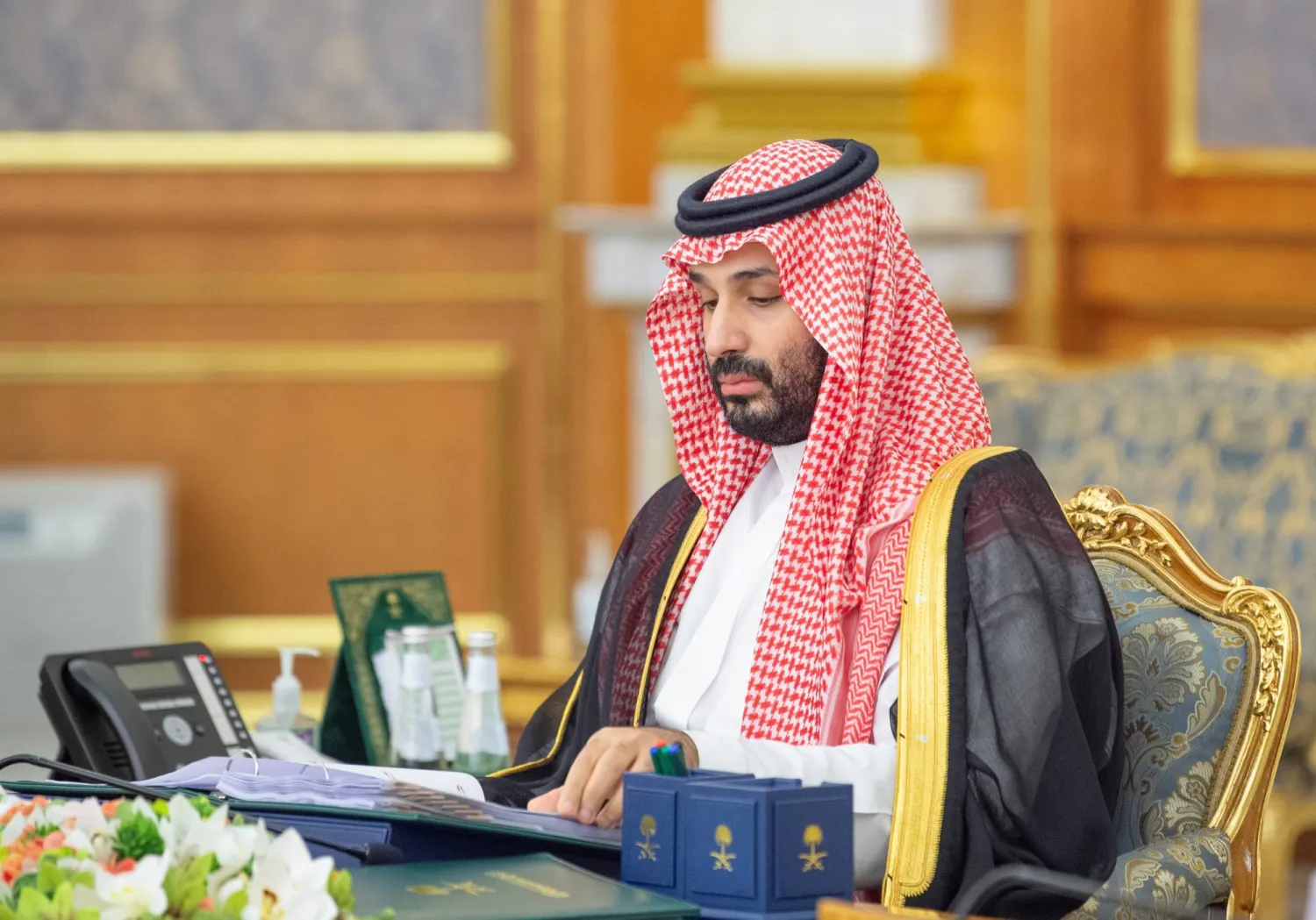
Prince Mohammed bin Salman bin Abdulaziz Al Saud, Crown Prince and Prime Minister, chaired the Cabinet meeting that was held in Jeddah.
The Crown Prince briefed the Cabinet on his consultations and talks with Oman’s Sultan Haitham bin Tarik, Egypt’s President Abdel Fattah al-Sisi, and Greek Prime Minister Kyriakos Mitsotakis. The talks focused on Saudi Arabia’s bilateral relations with these countries and ways to further strengthen them across various fields.
After reviewing the latest regional developments, the Cabinet stressed that the terrorist Houthi militia had carried out criminal attacks against civilian and economic facilities in Saudi Arabia’s Abha, Khamis Mushait, Jazan, and Najran, and continued to target commercial vessels in the Red Sea and threaten freedom of international maritime navigation.
The Cabinet stressed that the Kingdom of Saudi Arabia will continue to defend its sovereignty, safeguard the security of its citizens and residents, and protect its national assets.
The Cabinet directed that the highest levels of care and medical attention be provided to those injured in the terrorist attacks, praying to Allah Almighty to grant them a speedy recovery and preserve the Kingdom’s security and stability.
The Cabinet expressed Saudi Arabia’s support for joint Arab efforts to halt Israeli violations and attacks against Jerusalem and the occupied territories, confront Israel’s blatant actions in Palestine, and counter expansionist policies, settlement activities, and displacement, in violation of international law.
The Cabinet reviewed the outcomes of Saudi Arabia’s participation in regional and international meetings, highlighting its continued commitment to strengthening communication with countries and organizations worldwide and enhancing joint coordination. This includes advancing multilateral action to support collective efforts to address global challenges, promote development and economic prosperity, and build a more stable, progressive future.
The Cabinet welcomed the memorandum of understanding signed by the Saudi and German foreign ministers to establish a strategic dialogue, enhance consultation and coordination, and develop bilateral cooperation.
The Cabinet reviewed several reports on international conferences and gatherings hosted by the Kingdom. It commended the success of the 26th Scientific Forum for Hajj, Umrah and Visit Research and its contributions to enhancing integration among entities concerned with the Hajj and Umrah system, raising the level of coordination and partnerships, improving the quality of services provided to pilgrims, and supporting proactive decision-making based on scientific studies.
The Cabinet hailed the outcomes of LEAP 2026, which saw the launch of initiatives and agreements and investments worth nearly $15 billion in the fields of artificial intelligence infrastructure, data centers, cloud computing, technology manufacturing, venture capital, and national capacity development. This further reinforces the Kingdom’s leadership as a global destination for innovation and shaping the future.
The Cabinet considered the launch of new investment projects under the Water Industries and Services Localization Program in the Kingdom a strategic step in the sector’s transition from importing and operating technologies to developing, manufacturing, and exporting them, leveraging accumulated operational and knowledge-based expertise and unique, integrated infrastructure. This aims to build more reliable supply chains and an established industry capable of competing, expanding, and contributing actively to the economy locally and globally.