
A broad coalition of Sudanese political and civil forces has made an urgent appeal to the leadership of the Sudanese Armed Forces and the Rapid Support Forces (RSF), calling for a “comprehensive humanitarian truce” during the holy month of Ramadan.
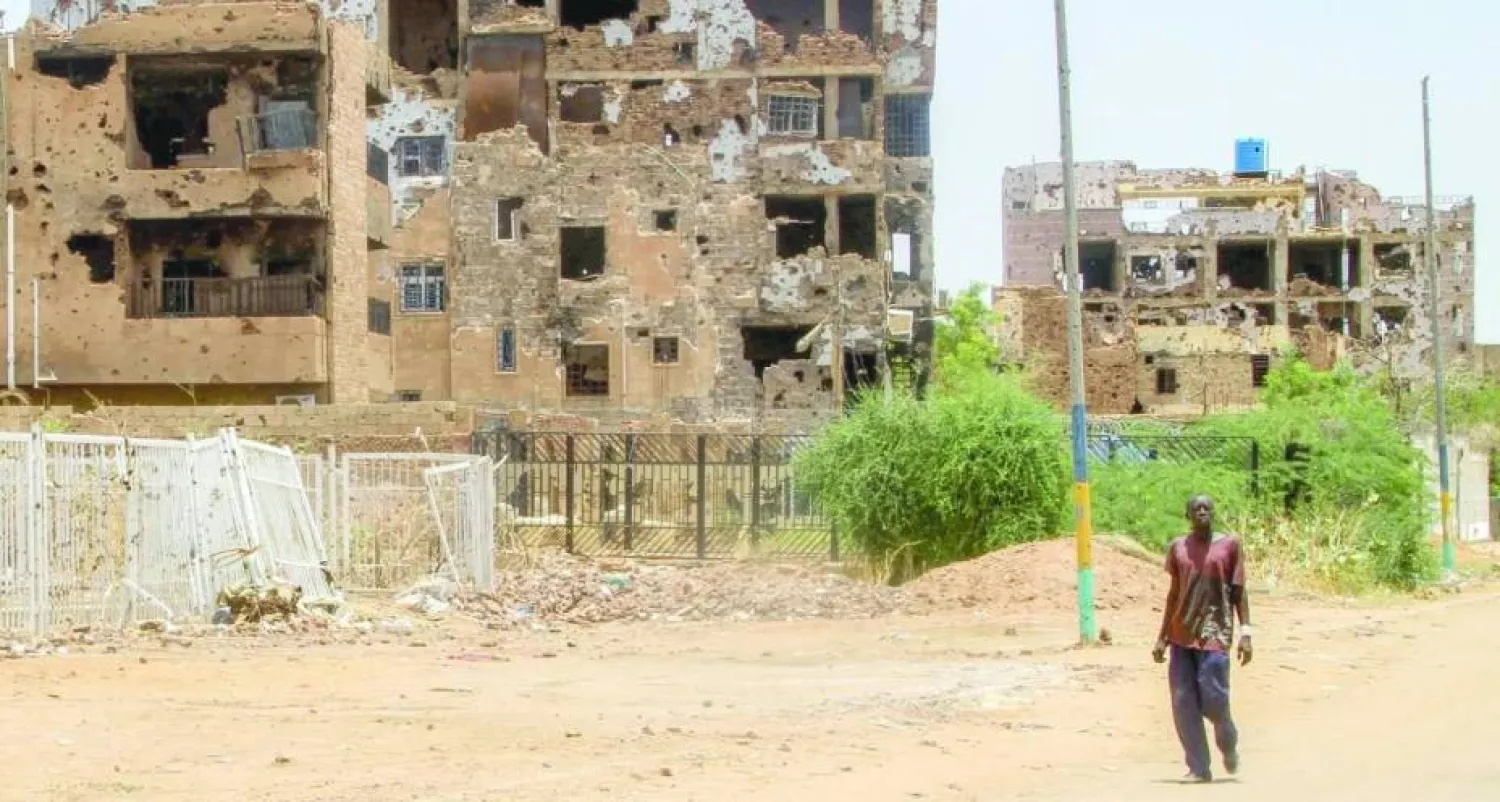
The initiative calls for a temporary cessation of hostilities, guarantees for the protection of civilians, and unhindered humanitarian aid delivery, amid increasingly dire humanitarian conditions as Sudanese citizens observe their fourth consecutive Ramadan under gunfire and shelling.
More than ten Sudanese political parties made the appeal, some of which are part of the Civil Democratic Alliance of the Forces of the Revolution (“Sumoud”), led by former Prime Minister Abdalla Hamdok.
Prominent signatories include the National Umma Party, the Federal Gathering, and the Sudanese Congress Party.
The document was also endorsed by parties outside the “Sumoud” alliance, most notably the Arab Baath Socialist Party and the Democratic Unionist Party, alongside various civil and trade union groups.
The appeal urges both warring parties — the army and the RSF — to announce a humanitarian truce beginning on the first day of Ramadan. The proposal includes a ceasefire, the safeguarding of civilian facilities, the opening of safe corridors for relief organizations, the immediate release of civilian detainees, and the initiation of prisoner exchange arrangements under international supervision to ensure compliance with humanitarian law.
It also calls for clear monitoring and implementation mechanisms to prevent either side from exploiting the truce for military gains.
The signatories stressed that the initiative comes in response to the worsening humanitarian crisis, particularly among vulnerable groups such as women, children, and the elderly, and to the mounting threats to the lives of millions, which they say require urgent intervention.
This marks the second initiative put forward by political and civil forces to halt the war since its outbreak in 2023. The first resulted in the signing of what became known as the “Addis Ababa Declaration” between the Civil Democratic Forces Alliance (Taqaddum) and the RSF. The declaration was addressed to the army leadership, which neither rejected nor signed it.
Since the fall of the cities of El-Fasher and Babanusa, as well as the town of Heglig in West Kordofan State, clashes between the army and the RSF intensified in South and North Kordofan before subsiding in recent weeks and shifting into more “technical” warfare.
This phase has seen the increased use of combat drones, jamming devices, guided artillery, and aerial munitions, leading to a rise in civilian casualties and injuries.