
Israel Carries Out More Strikes in Lebanon amid Lack of Int’l Assurances on Wider Regional Escalation

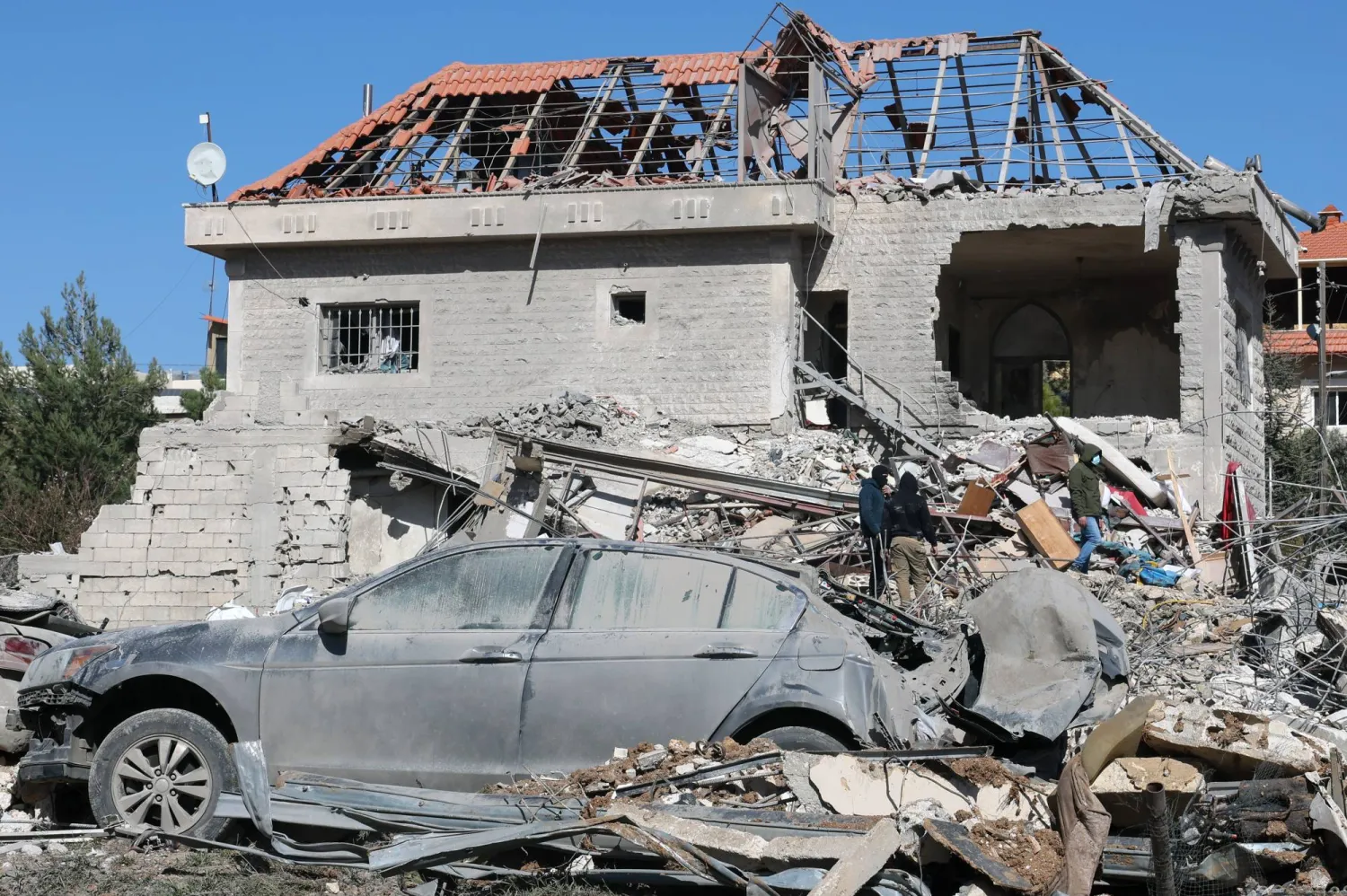
People gather near a building damaged in an Israeli strike in the village of Bednayel in eastern Lebanon, 21 February 2026. EPA/WAEL HAMZEH
TT

Israel Carries Out More Strikes in Lebanon amid Lack of Int’l Assurances on Wider Regional Escalation

People gather near a building damaged in an Israeli strike in the village of Bednayel in eastern Lebanon, 21 February 2026. EPA/WAEL HAMZEH

Lebanese officials say the country has yet to obtain firm or decisive Western guarantees that it will be spared from a larger confrontation in the region as speculation grows over a potential US strike on Iran.

Chief concerns center on whether Hezbollah would be targeted as part of any large-scale strike, or whether the group might intervene militarily alongside Tehran.

Ministerial sources said Israeli airstrikes on Hamas in the Ain al-Hilweh Palestinian refugee camp in southern Lebanon, as well as overnight raids targeting Hezbollah in the eastern Bekaa Valley fall within the pattern of ongoing military operations Lebanon, particularly targeted assassinations against figures linked to both groups.

The sources told Asharq Al-Awsat Lebanon has not received explicit Western assurances that it would not be drawn into a wider confrontation if the conflict expands.

On Hezbollah’s position, the sources noted that the group has not offered a clear position on how it would respond to potential developments.

They pointed to behind-the-scenes efforts led primarily by Parliament Speaker Nabih Berri who believes “Hezbollah will not take any step if Iran is struck.”

Although Hezbollah has previously declared it “would stand idle” in case of escalation, the sources said the party has not announced any specific military plans.

Statements made by its officials have been vague, they added, citing remarks by head of Hezbollah’s parliamentary bloc Mohammad Raad, who stressed on Friday the party’s commitment to “the security and stability of the country and the continuation of normal life.”

In Lebanon’s official response, President Joseph Aoun strongly condemned the Israeli raids carried out overnight by land and sea, which targeted the Sidon area and towns in the Bekaa.

He described the continued attacks as “blatant aggression” aimed at sabotaging Lebanon’s diplomatic efforts with brotherly and friendly nations - foremost among them the United States - to consolidate stability and halt Israeli hostilities.

Aoun said the strikes were a renewed violation of Lebanon’s sovereignty and a clear breach of international obligations, particularly United Nations Security Council Resolution 1701, which calls for a cessation of hostilities and full implementation of its provisions.

The president renewed his appeal to countries supporting regional stability to assume their responsibilities by pressing for an immediate halt to the attacks and ensuring respect for international resolutions in a way that preserves Lebanon’s sovereignty, security, and territorial integrity, and prevents further escalation.


Lebanon: Aoun Departs for Washington to Meet Trump

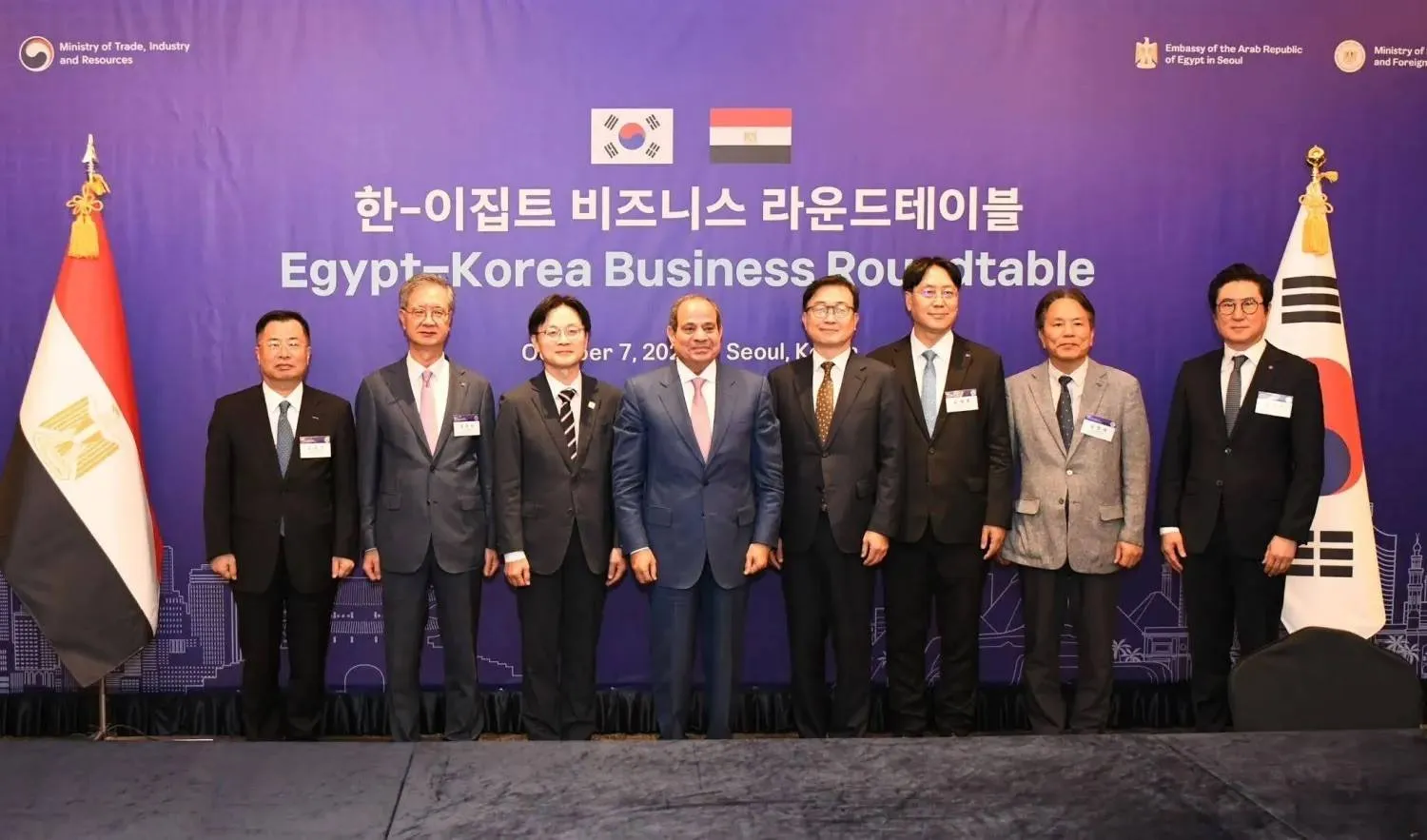
FILED - 16 February 2026, Lebanon, Beirut: FILE PHOTO - Lebanese President Joseph Aoun speaks during a press conference. Photo: Markus Lenhardt/dpa
TT

Lebanon: Aoun Departs for Washington to Meet Trump

FILED - 16 February 2026, Lebanon, Beirut: FILE PHOTO - Lebanese President Joseph Aoun speaks during a press conference. Photo: Markus Lenhardt/dpa

Lebanese President Joseph Aoun on Saturday left Beirut for Washington, where he is expected to meet Donald Trump, the Lebanese presidency said, after talks between Lebanon and Israel wrapped up in Italy.

Aoun will hold discussions "with several American officials on the situation in Lebanon and ways to strengthen the ceasefire,” particularly in Lebanon's south, as well as on "the withdrawal of Israel from the Lebanese regions it occupies,” the presidency said.

Meanwhile, the United States has postponed a virtual meeting between Lebanese, Israeli and US military delegations that had been expected on Friday to discuss the first phase of the “pilot zones” plan.

The delay puts the practical rollout of the framework agreement between Lebanon and Israel on hold, particularly the pilot zone arrangements, and renews questions over an implementation process that still has no clear timetable.

The technical meeting was agreed during the latest round of negotiations in Rome. It was intended to finalize the first phase mechanism: Israeli forces would withdraw from several pilot zones, allowing the Lebanese army to deploy there under the supervision of the monitoring committee. The plan would then expand in later stages.

Sources familiar with the negotiations told Asharq Al-Awsat that Washington requested the postponement, saying more time was needed to complete technical files, operational plans and implementation procedures.


Transport Costs: A Daily Burden Weighing on Khartoum Residents

A general view of a public transport terminal in Khartoum (Asharq Al-Awsat)
TT

Transport Costs: A Daily Burden Weighing on Khartoum Residents

A general view of a public transport terminal in Khartoum (Asharq Al-Awsat)

Getting to work, hospital or university in Sudan’s capital, Khartoum, has become a test of survival in a city battered by war.

As transport fares rise, incomes fall and unemployment spreads, thousands of families are being forced to choose between commuting and paying for food, medicine and education.

The crisis has deepened as displaced people return to Khartoum and its three cities while services remain limited and the number of operating vehicles falls far short of demand. Higher fuel, spare parts and operating costs have pushed fares up further.

Passengers face long waits, frequent fare changes and shortages of vehicles on several routes. Damaged infrastructure and road closures have altered routes, lengthened journeys and forced many commuters to use more than one vehicle, sharply increasing daily costs.

Official figures reflect the wider economic strain. Gold export revenues reached about $370 million in the first quarter of this year, while fuel imports exceeded $697 million over the same period, highlighting the gap between export earnings and the cost of essential imports as large parts of the economy remain shut by the war.

For bus driver Abdullah Ali, 50, the transport crisis mirrors his personal losses. His bus was stolen when fighting began, and he was wounded by shrapnel in his right hand before fleeing to Gezira state, then Atbara and Shendi.

After returning to Khartoum about six months ago, he began working as a hired driver on a bus he does not own.

Ali told Asharq Al-Awsat that his income barely covered his daily needs and was not enough to renew his driver’s license. Many drivers were also unable to pay licensing and maintenance fees as fuel, oil, tire and spare-parts prices continued to rise, he said.

Moussa al-Safi, a laborer supporting four children, said transport consumed much of his daily income.

“The war has not only raised prices, but also reduced job opportunities,” he told Asharq Al-Awsat. “A worker pays to travel there and back without any guarantee of finding work or earning money by the end of the day.”

Private-sector employee Sami Abdel Qayoum said he often used more than one vehicle to reach work, taking up a large part of his monthly salary. To save money, he gets off before his destination and walks long distances.

University student Shehab Othman said some students arrived late or missed lectures because they could not afford transport, while others walked long distances to cut daily expenses.

Ezzedine Jaber, a member of the bus union, said short-route fares were about 2,000 Sudanese pounds, while some longer routes cost up to 6,000 pounds. Lower fuel prices were the main way to reduce operating costs and ease the burden on passengers, he said.

The impact extends beyond passenger transport.

“The price of a gallon of diesel has exceeded 40,000 pounds, raising the cost of transporting goods from Port Sudan and production areas to markets and export ports,” economist Mohamed al-Nayer told Asharq Al-Awsat. “That is ultimately reflected in the prices of goods and services.”

In Khartoum, where displaced people and refugees continue to return, transport fares have become part of the cost of survival.

Each increase can mean one less meal for a family, delayed medicine for a patient, a missed lecture for a student or kilometers of walking for a worker trying to protect what remains of their income.


Libya’s Zawiya Pays Growing Price for Stray Gunfire

A victim of clashes in Libya’s Zawiya in early May (Emergency Medicine and Support Center)
TT

Libya’s Zawiya Pays Growing Price for Stray Gunfire

A victim of clashes in Libya’s Zawiya in early May (Emergency Medicine and Support Center)

Gunfire tore through a neighborhood near Jazirat al-Muaskar in Libya’s western city of Zawiya after an intoxicated militiaman opened fire on the headquarters of a rival armed group, adding to the blood toll in a city already weighed down by militia violence.

Zawiya, long under the grip of armed factions, has grown used to burying residents killed by stray bullets. The city barely emerges from one round of fighting before another begins, leaving more dead and wounded.

Amjad al-Kilani, known as “al-Zir” and affiliated with the Zawiya-based 103rd Battalion, also known as al-Salla, was seen staggering with a machine gun over his shoulder as he fired indiscriminately toward a base of the al-Far militia, led by Mohammed Bahrun, and at nearby shops.

Witnesses in Zawiya said the clash stemmed from a dispute involving Kilani, who was previously affiliated with the Rabi al-Fanouta militia and runs a business on the coastal road.

After he recently joined al-Far, members of al-Salla, led by Othman al-Lahab, attacked him and forced him out of the market, the witnesses said.

Entrance to the city of Zawiya (from Zawiya-related social media pages)

Libyan businessman Ismail al-Shtaiwi condemned the footage of the intoxicated gunman firing wildly, posting a video of the incident on Facebook.

“No country in the world, no matter how wealthy, can take a single step toward success and stability while drowning in a militia swamp,” Shtaiwi wrote on Friday.

“Stability cannot be achieved, nor can development and economic reform move forward, while the country remains at the mercy of illegal guns and militias that dictate decisions,” he said.

“It is painful and shameful that this criminal and absurd scene continues to be exported to the world, reducing Libya to a state held hostage by chaos, uncontrolled weapons and outlaw gangs, instead of one known for its enormous capabilities, opportunities and resources.”

Shtaiwi said ordinary Libyans were paying the price through restrictions on travel and movement, damage to their image and the erosion of their country’s standing abroad.

“What is also painful and regrettable is that billions are spent every year under the headings of security and defense, while the results are there for everyone to see,” he said.

Violence in Zawiya often flares and then subsides, but only after leaving behind dead and wounded. One question continues to haunt the city: When will the threat from armed groups that endanger lives and drain the country’s resources finally end?

Several young men from Zawiya were killed in armed skirmishes in late May, prompting UN envoy Hanna Tetteh to warn against escalation and call for restraint.

Nasser Ammar, commander of the Support Force within the Tripoli authorities’ Operation Volcano of Rage, said Kilani’s random gunfire and intimidation of civilians while intoxicated was “an insult to the city and its history.”

“Zawiya has never lacked, and will never lack, free men who will not allow a reckless man to violate the sanctity of their homes and property,” Ammar said. “Protecting our people and uprooting this corruption is a duty for every honorable person.”

Security forces near Tripoli following clashes between armed militias (file photo from pages affiliated with security agencies)

Since the overthrow of late leader Muammar Gaddafi in 2011, Libya has seen a pattern of random or unexplained assassinations, often driven by armed rivalries, militia struggles for influence and revenge for earlier killings.

Local media tracking the violence in Zawiya have counted 62 deaths since the start of this year.

A security source at the Zawiya Security Directorate told Asharq Al-Awsat, however, that the true toll was higher because no official count existed.

Moatasem Ambiya was killed early on Thursday after being shot in the Jodayem area east of Zawiya by people described as “outlaw gunmen,” according to human rights groups.

The National Institution for Human Rights called on the Interior Ministry, the Zawiya Security Directorate, the Criminal Investigation Department and the prosecutor’s office at the Zawiya Court of Appeal to open a full investigation into Ambiya’s killing.

The group expressed “deep concern over the rising rates and indicators of kidnapping, arbitrary detention and extrajudicial killings in numerous cities, regions and municipalities.”

It blamed what it called “security chaos” caused by the absence of the relevant security authorities.

Like embers beneath the ashes, Zawiya remains on edge, bracing for violence that could erupt at any moment.

The widely shared video of the intoxicated gunman has come to reflect the growing reach of militias, fueling anger among Libyans over the security situation.

With armed groups tightening their grip, bloggers and activists in Zawiya have found little recourse beyond social media hashtags such as “Zawiya Is Bleeding,” “Stop the Killing” and “Enough Silence.”

They hope to make their voices heard by the authorities in Tripoli, whom they accuse of appeasing the city’s armed groups, supporting their presence and inviting their leaders to official gatherings.