


Iraq’s Gas Imports from Iran Halted Due to War

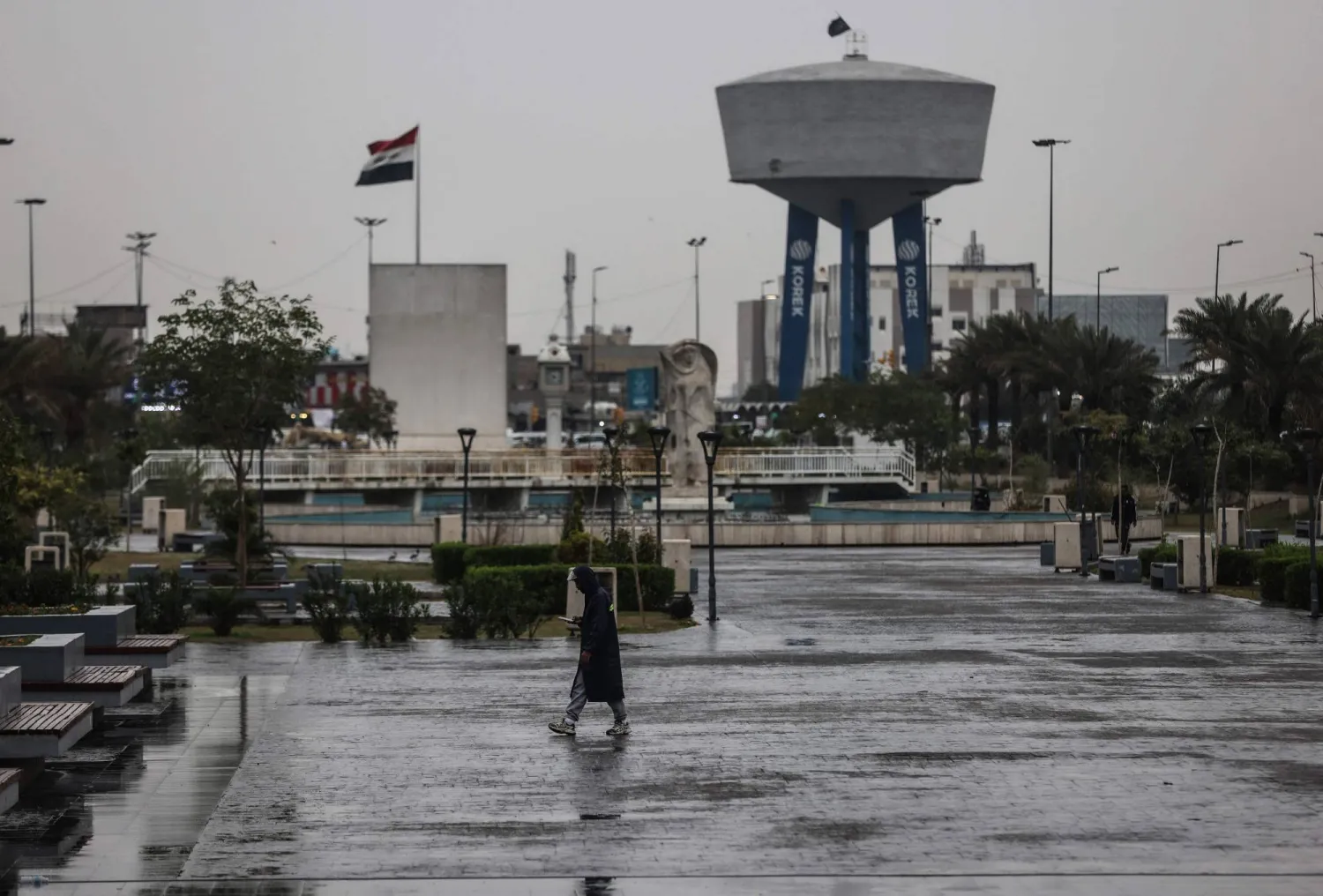
An Iraqi man walks through Al-Umma Park during rainfall in Baghdad on March 15, 2026. (AFP)
TT

Iraq’s Gas Imports from Iran Halted Due to War

An Iraqi man walks through Al-Umma Park during rainfall in Baghdad on March 15, 2026. (AFP)

Iraq's gas imports from Iran were completely halted on Wednesday, authorities said, the latest blow to the country's battered economy reeling from the impact of the Middle East war.

The country has been unwillingly drawn into the conflict triggered by the US-Israel attack on its neighbor Iran on February 28.

The cutoff came as Baghdad had barely had time to celebrate a deal to export a fraction of its oil production through Türkiye after disruptions to shipments through the Strait of Hormuz.

Ahmed Moussa told the Iraqi News Agency (INA) that "due to regional developments, Iranian gas supplies to Iraq completely halted an hour ago," cutting about 3,100 megawatts of power, which will "certainly affect the grid".

He sought, however, to calm fears of more frequent blackouts, saying the ministry will instead use "alternative fuels and domestic gas reserves".

News of the gas stoppage came after Tehran denounced a US-Israeli strike on Iranian facilities exploiting the vast South Pars/North Dome gas field.

Despite its abundant oil and gas reserves, Iraq's power plants are highly dependent on gas imported from Iran, which supplies about a third of the country's needs.

Electricity shortages are already a frequent complaint in Iraq, which suffers from endemic corruption and dilapidated public infrastructure.

Most households rely on private generators to compensate for daily power cuts.

Early Wednesday, Iraq said it resumed oil exports from its fields in the northern province of Kirkuk in agreement with the autonomous Kurdistan Region, through which the pipeline to Türkiye's port of Ceyhan runs.

But it will export 250,000 barrels per day (bpd), only a fraction of the 3.5 million before the war.

However, Iraq, whose crude sales make up 90 percent of its foreign revenue, had few options after Iran effectively shuttered the Strait of Hormuz, through which Iraq previously shipped most of its oil from the southern Basra fields.

- Fighters killed -

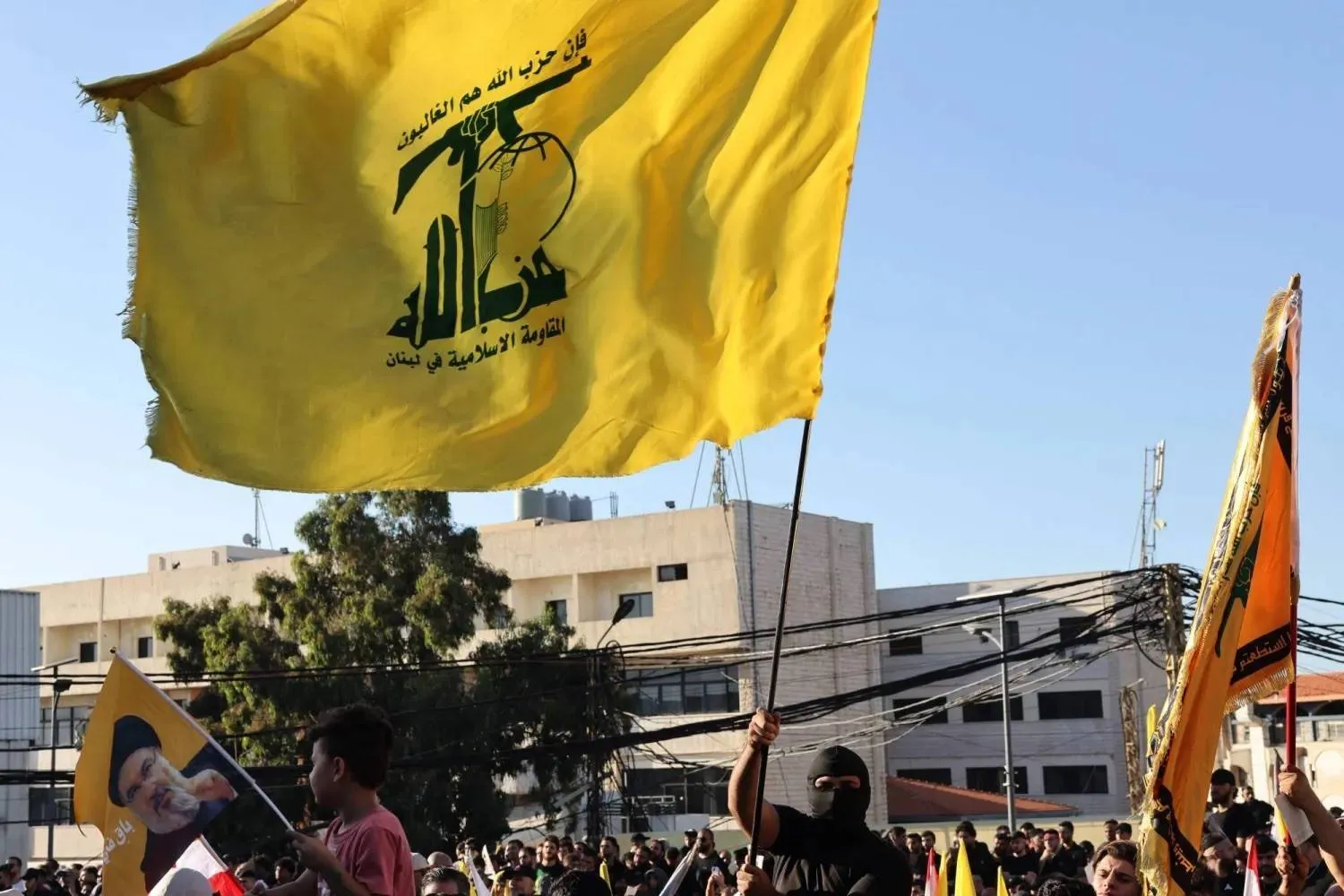
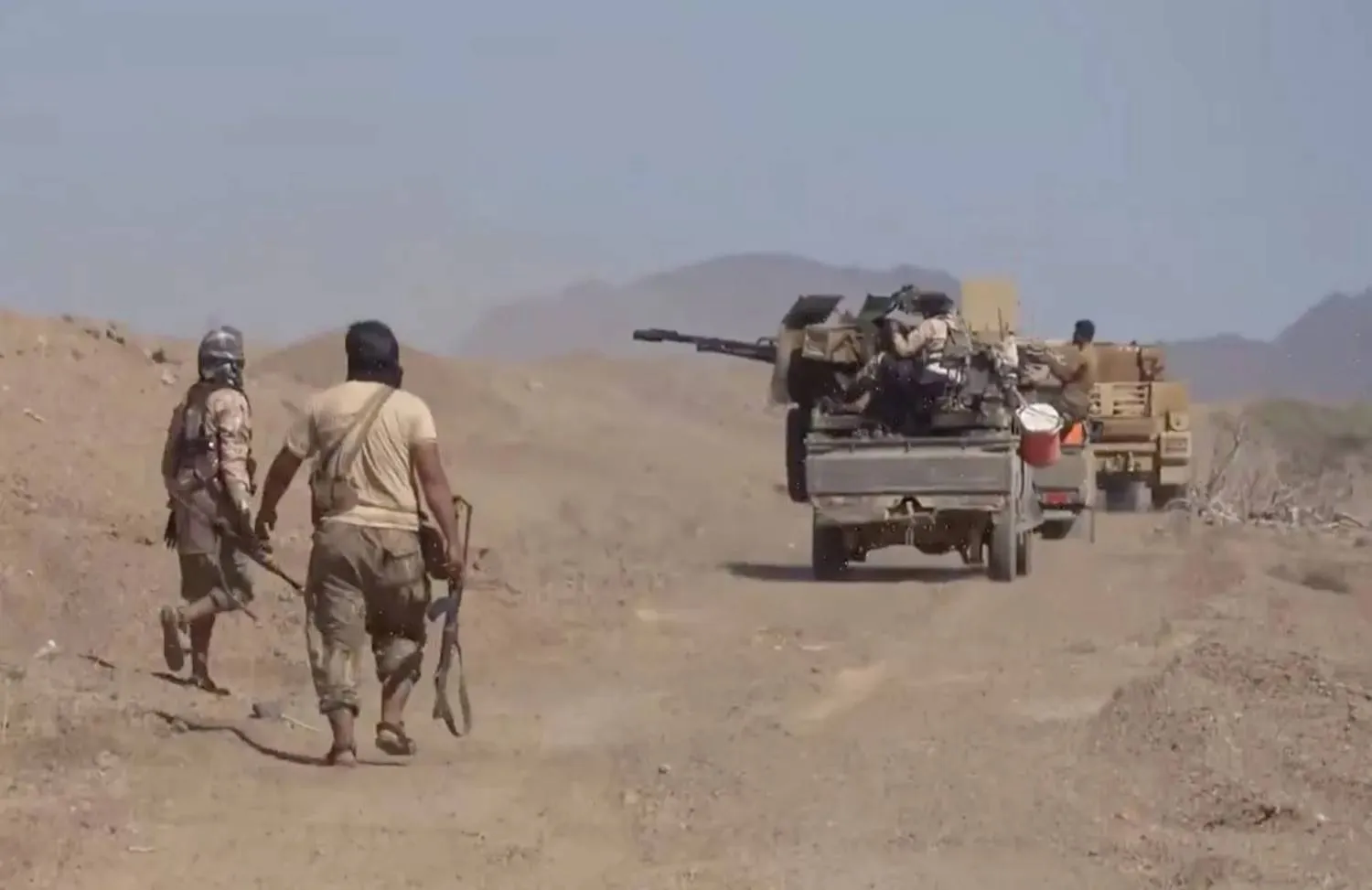
The impact of the war is not solely economic. Strikes have targeted Iran-backed groups, which in turn have claimed daily attacks on US interests in Iraq and across the region.

A strike near Iraq's western border with Syria on Wednesday killed three fighters from the former paramilitary coalition Popular Mobilization Forces (PMF), the alliance said.

The fighters from the alliance -- now part of Iraq's regular armed forces -- were hit in an US or Israeli strike that targeted their main command center in Anbar province.

Pro-Iran factions have also brigades that operate within the alliance, but have a reputation for acting on their own.

On Wednesday morning, an AFP journalist reported at least four explosions in the city of Erbil, the capital of the Kurdistan region.

It was unclear what the target was, and the projectiles were intercepted over the city, home to a major US consulate complex, while its airport houses US-led coalition troops.

Kurdish armed forces also reported that three soldiers were wounded in drone attacks on their positions in Erbil and the city of Sulaimaniyah.


Syria Court Charges Former Security Official with Acts Amounting to ‘War Crimes’

 Former head of political security in south Syria's Daraa province, Atef Najib attends the first trial session at the Palace of Justice, in Damascus last month. (AFP)
Former head of political security in south Syria's Daraa province, Atef Najib attends the first trial session at the Palace of Justice, in Damascus last month. (AFP)
TT

Syria Court Charges Former Security Official with Acts Amounting to ‘War Crimes’

 Former head of political security in south Syria's Daraa province, Atef Najib attends the first trial session at the Palace of Justice, in Damascus last month. (AFP)
Former head of political security in south Syria's Daraa province, Atef Najib attends the first trial session at the Palace of Justice, in Damascus last month. (AFP)

Syria's judiciary brought charges on Sunday against former security official Atef Najib for acts "amounting to war crimes" in 2011 against peaceful protesters in Daraa province, the cradle of the country's uprising.

Najib was the former head of political security in the south Syrian province and is accused of orchestrating a crackdown there. Washington sanctioned him for human rights abuses in April 2011, one month after the uprising erupted.

He appeared in a Damascus criminal court again on Sunday after the opening session last month in the trials of former senior figures, most prominently longtime president Bashar al-Assad and his brother Maher al-Assad, who are both being tried in absentia.

Judge Fakhr al-Din al-Aryan read out the charges at Sunday's session, part of which was broadcast on state television, as Najib stood in the docks.

"The accusations against you relate to events in Daraa province in early 2011, when the peaceful (protest) movement was met with an excessive use of force," Aryan said.

"As head of the political security branch then, you held direct and joint leadership responsibility for systematic acts that targeted civilians including killing, torture and arbitrary detention," he added.

He said abuses attributed to Najib, some of them deadly, include the arrest and torture of children due to "political writings on walls", involvement in "suppressing protests with excessive force" and "opening direct fire" on a peaceful sit-in at Daraa's Al-Omari mosque.

They also include "torture leading to death" in his branch's detention centers.

"You were the ultimate authority in Daraa province and hold direct responsibility for issuing orders to kill, arrest and torture... and for participating with political, security and military leaders in an organized hierarchical structure in committing these grave violations," the judge said.

The actions attributed to Najib and others not present "amount to war crimes... and crimes against humanity", he added.

The court heard statements from Najib and witnesses, state media said, after the judge halted media coverage.

Syria's more than 13-year civil war killed more than half a million people and displaced millions of others. Tens of thousands of people disappeared, some into the country's brutal prison system.

The uprising began in Daraa on March 15, 2011, after 15 students were arrested for allegedly writing anti-government slogans on the city's walls.

Residents said the children were tortured, leading to a protest to demand their release that ended in bloodshed.

Security personnel suppressed peaceful demonstrations with force and fired live ammunition to disperse sit-ins at several locations.

Najib was dismissed after the crackdown, as the protests spread to other provinces.

He was among the first Assad-era officials arrested by the new authorities after the December 2024 ousting of the longtime ruler.


Lebanese Army Arrests Iraqi Man for Impersonating a Security Official

A picture taken from the seaside promenade of the northern Lebanese coastal town of Dbayeh shows the skyline of the Lebanese capital Beirut on March 17, 2020. (AFP)
TT

Lebanese Army Arrests Iraqi Man for Impersonating a Security Official

A picture taken from the seaside promenade of the northern Lebanese coastal town of Dbayeh shows the skyline of the Lebanese capital Beirut on March 17, 2020. (AFP)

The Lebanese army said on Sunday that it had arrested an Iraqi national for impersonating an Iraqi security official in Lebanon, the second alleged high-level imposter caught in recent months.

A military source told AFP that the man had managed to network with Lebanese security and intelligence officials, telling them he worked at Iraq's Beirut embassy.

The scandals have highlighted the fragility of Lebanon's institutions, which are built on a sect-based power-sharing system in a country rife with foreign interference, and where personal connections often play a key role in gaining influence, money and privilege.

An army statement said the Iraqi man was arrested "for impersonating an Iraqi security official on Lebanese territory, as a result of a surveillance and security follow-up operation".

Preliminary investigations indicate that the man was using "forged documents", the statement said, adding that the military uniform he had been using was seized.

The military source told AFP on condition of anonymity that the man "is married to a Lebanese woman and managed to get close to an intelligence official in Beirut, presenting himself as an Iraqi officer in the counter-terrorism branch, and a security attaché at the Iraqi embassy".

The Lebanese intelligence official allegedly helped the man "make contact with security and military officials and meet them", the source said.

The suspect actually works at a popular cafe on the airport road in Beirut's southern suburbs, the source added, after he started out there doing valet parking.

It is the second recent high-level impersonation case to rock Lebanon.

For months, authorities have been investigating an imposter who posed as a prince, extorting several politicians with the help of a religious figure.

The military source said that in the latest case, preliminary investigations into the man and those who met him have not yet uncovered a motive, adding that during the meetings "he promised to provide financial assistance from Iraq".

The case's seriousness owes to the man's ability to "convince intelligence officers of his fake identity", the source added.


Sisi, Macron Hold Strategic Talks amid Escalating Regional Crises

Sisi welcomed Macron and the two discussed regional developments. (Egyptian Presidency)
TT

Sisi, Macron Hold Strategic Talks amid Escalating Regional Crises

Sisi welcomed Macron and the two discussed regional developments. (Egyptian Presidency)

Egyptian President Abdel Fattah al-Sisi and French President Emmanuel Macron held wide-range talks in Alexandria on Saturday focused on bilateral ties and mounting regional crises, as the two leaders inaugurated the new headquarters of Senghor University.

Macron arrived in the Mediterranean city after landing at Borg El Arab airport to open the campus of the francophone institution, which specializes in African development and leadership training.

The Egyptian presidency said the discussions covered strategic relations between Cairo and Paris as well as regional developments, describing Macron’s visit as a reflection of the “distinguished friendship” between the two countries.

Sisi praised what he called significant progress in bilateral ties, particularly after relations were elevated to a strategic partnership during Macron’s visit to Egypt in April 2025.

According to presidential spokesman Mohamed al-Shennawy, Sisi stressed the need to strengthen cooperation in trade, investment, education, industry and transport in ways that serve the interests of both peoples and deepen ties between Egypt and the European Union.

The talks also focused on regional tensions. Sisi reviewed Egyptian efforts aimed at containing current crises and warned against further escalation and instability, citing their impact on regional and global security as well as supply chains, trade and transport.

He reiterated Egypt’s support for the security and stability of Arab states and rejected any infringement on their sovereignty. Macron, for his part, said he hoped the current regional crisis would be resolved quickly to restore peace and stability to the Middle East.

The leaders also discussed the Palestinian issue, with Sisi outlining Egyptian efforts to preserve the Gaza ceasefire agreement and implement the second phase of the truce. He called for unrestricted humanitarian aid access to the Gaza Strip and for the launch of early recovery and reconstruction efforts.

Sisi also expressed Egypt’s “deep concern” over escalating violations in the occupied West Bank and reiterated support for a Palestinian state based on the June 4, 1967 borders with East Jerusalem as its capital, in line with international legitimacy and the two-state solution.

The discussions further touched on developments in Lebanon, with both sides emphasizing the importance of preserving peace and stability and enhancing Mediterranean cooperation to promote shared prosperity.

French foreign ministry spokesman Pascal Confavreux said Macron’s visit underscored the depth of the strategic partnership between Paris and Cairo and reflected French confidence in Egypt’s regional role.

In remarks to Egypt’s state news agency MENA, he said bilateral relations had gained momentum since the launch of strategic dialogue talks in April 2025, alongside stronger cooperation in priority sectors including the economy, energy and transport, supported by the French Development Agency.

The inauguration ceremony for Senghor University was attended by Burundi Prime Minister Nestor Ntahontuye, Organization internationale de la Francophonie Secretary-General Louise Mushikiwabo, Senegalese Foreign Minister Cheikh Tidiane Niang and African Union Commissioner for Education, Science, Technology and Innovation Mohammed Belhocine.

In his address, Sisi described the opening of the university’s new headquarters as coming at a critical moment marked by growing development challenges and a rising need for effective international partnerships, particularly among Global South countries.

Founded in 1990 on the initiative of the Organization internationale de la Francophonie, Senghor University focuses on African development issues and the training of future leaders across the continent.

Macron described the institution as a center for academic, scientific and cultural cooperation among francophone countries and said the Egypt-France alliance stood for “peace, stability and generosity”.

The French president is due to continue his African tour in Kenya for a France-Africa summit before heading to Ethiopia for talks with Prime Minister Abiy Ahmed.