


Iran Launched 83% of Missiles and Drones at the Gulf Compared to 17% at Israel

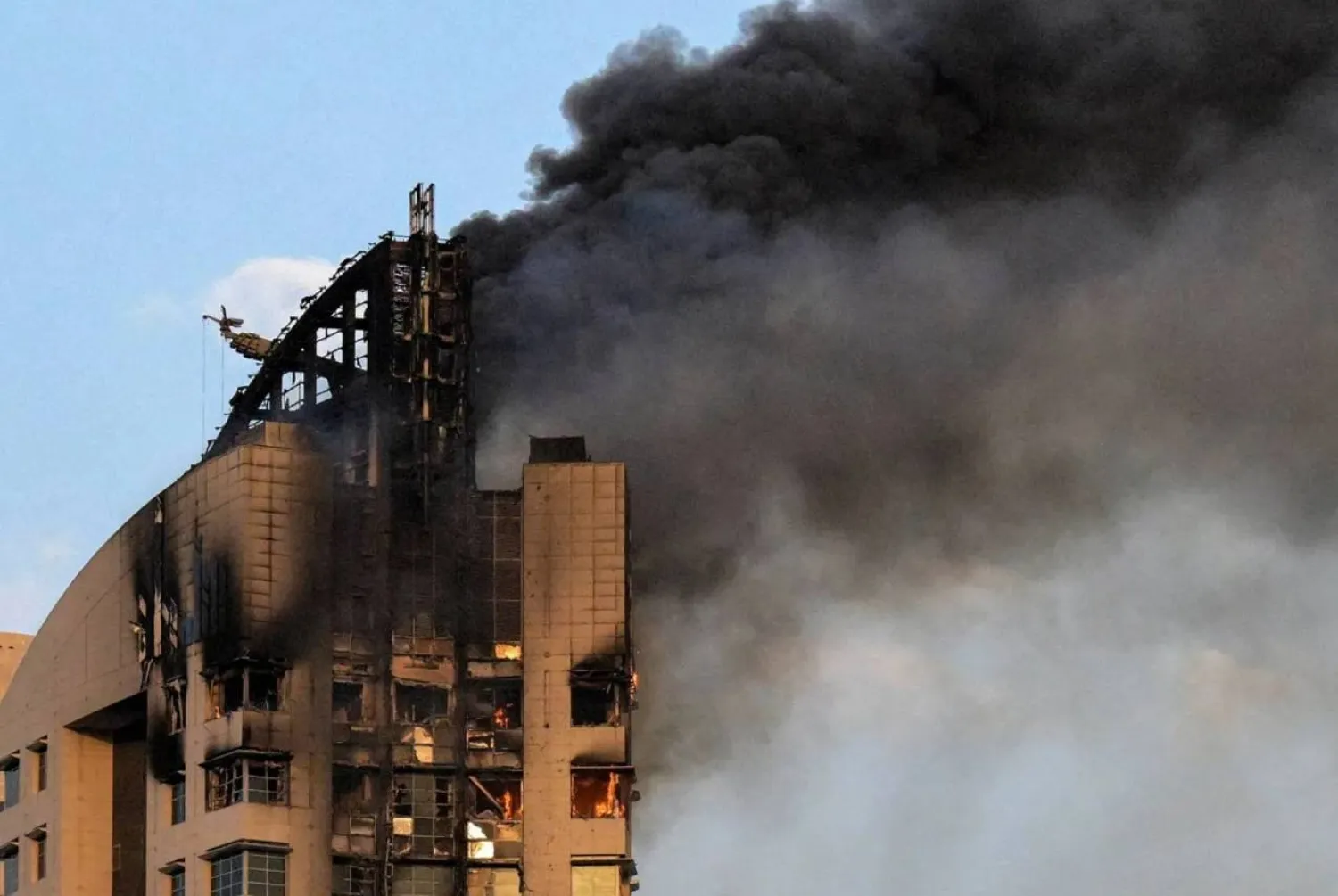
Smoke rises from a high-rise building following a drone attack in Kuwait City on March 8, 2026. (AFP/file photo)
TT

Iran Launched 83% of Missiles and Drones at the Gulf Compared to 17% at Israel

Smoke rises from a high-rise building following a drone attack in Kuwait City on March 8, 2026. (AFP/file photo)

Since the start of the war on February 28, about 83% of missiles and drones launched by Iran have targeted Gulf Cooperation Council (GCC) states, compared to 17% launched at Israel, reports indicate.

Official data shows that by Wednesday night, Iran had launched 4,391 missiles and drones at GCC vital infrastructure and civilian facilities, constituting a dangerous escalation that threatens regional security and stability.

As for Israel, which has initiated the war, it was hit by 930 Iranian missiles and drones or just 17% of the total attacks in the region.

Data shows that Iran has launched a total of 723 missile and drone attacks at Saudi Arabia since the beginning of the conflict.

The United Arab Emirates bore the brunt of Iranian attacks with 2,156 missiles and drones, followed by Kuwait with 791 attacks, Bahrain (429), Qatar (270) and Oman with 22 drone attacks.

Gulf air defense systems have demonstrated exceptional efficiency and professionalism in neutralizing these threats, proving to be an impenetrable shield safeguarding the region’s security and stability.

Arab and Muslim nations condemned the Iranian attacks, urging Tehran to cease aggression and respect international law for regional stability.

But Iran has escalated military operations against GCC countries, directly threatening the global economy and international energy security.




Saudi Arabia Welcomes US-Iran Deal to End Military Operations

A view of Riyadh, Saudi Arabia. (SPA)
TT

Saudi Arabia Welcomes US-Iran Deal to End Military Operations

A view of Riyadh, Saudi Arabia. (SPA)

Saudi Arabia welcomed on Monday the agreement reached between the United States and Iran to end their military operations and kick off 60-day negotiations to reach a lasting deal.

A Foreign Ministry statement said the Kingdom hailed the mediation led by Pakistan and Qatar, praising at the same time the US and Iran’s receptiveness to those efforts that helped lead to the agreement.

It stressed the importance of restoring security and freedom of navigation in the Strait of Hormuz to the way they were before February 28 when the war erupted, saying they were essential for regional security and ensuring the movement of global trade and energy.

Saudi Arabia hoped the upcoming negotiations would achieve lasting peace that would consolidate regional and global security through understandings that take into account the region’s security interests and consolidate respect for the sovereignty of nations and non-interference in their internal affairs.


GCC Launches Platform for Unified Review of Gulf Legislation

Secretary General of the Gulf Cooperation Council (GCC) Jasem Albudaiwi (4th from right) and other officials are seen at Sunday's launch. (GCC)
TT

GCC Launches Platform for Unified Review of Gulf Legislation

Secretary General of the Gulf Cooperation Council (GCC) Jasem Albudaiwi (4th from right) and other officials are seen at Sunday's launch. (GCC)

Secretary General of the Gulf Cooperation Council (GCC) Jasem Albudaiwi launched on Sunday the "Gulf Legislation Platform" that allows the review of unified Gulf legislation issued within the framework of joint Gulf action.

It provides a unified electronic reference that helps in supporting legislative and legal work across Gulf countries, said a statement by the GCC General Secretariat.

During the launch at the General Secretariat headquarters, Albudaiwi hailed the efforts of those in charge of the initiative, which came in implementation of the decision of the Standing Committee of Officials of Legislation Departments in the GCC States at its 19th meeting.

The committee had approved the General Secretariat's proposal to establish this specialized platform to streamline access to unified Gulf and national legislation.

The platform provides advanced search services that enable government and legal entities in the member states, alongside specialists, researchers, and those interested in legislative affairs, to access and review unified Gulf legislation and national legislation with efficiency and ease.

This boosts the exchange of legal expertise and supports legislative coordination and integration among the Council states. The platform currently boasts more than 24,700 legal and legislative documents.

The first phase of the project covers Bahrain and Oman, while the relevant authorities at the General Secretariat continue to work on completing the link with the remaining member countries.


KSrelief's Masam Project Clears 2,045 Mines across Yemen in One Week

The Saudi Project for Landmine Clearance (Masam) in Yemen cleared 2,045 mines from various regions of Yemen during the second week of June 2026. (SPA)
TT

KSrelief's Masam Project Clears 2,045 Mines across Yemen in One Week

The Saudi Project for Landmine Clearance (Masam) in Yemen cleared 2,045 mines from various regions of Yemen during the second week of June 2026. (SPA)

The Saudi Project for Landmine Clearance (Masam) in Yemen, implemented by the King Salman Humanitarian Aid and Relief Center (KSrelief), cleared 2,045 mines from various regions of Yemen during the second week of June 2026, the Saudi Press Agency said on Monday.

The clearance operations included 98 anti-tank mines, 18 anti-personnel mines, 1,927 unexploded ordnance items, and two improvised explosive devices (IEDs).

This brings the number of mines cleared since the beginning of June to 2,843, while the total removed since the launch of the Masam project has reached 567,182.

These mines had been indiscriminately planted across various parts of Yemen, posing a threat to civilians, including children, women, and the elderly.

Through KSrelief, Saudi Arabia continues to support mine-clearance operations across Yemen under the Masam project, helping to protect civilians from the dangers posed by landmines and explosive remnants of war