From Asia to the Americas: Governments Race to Contain Energy Shock

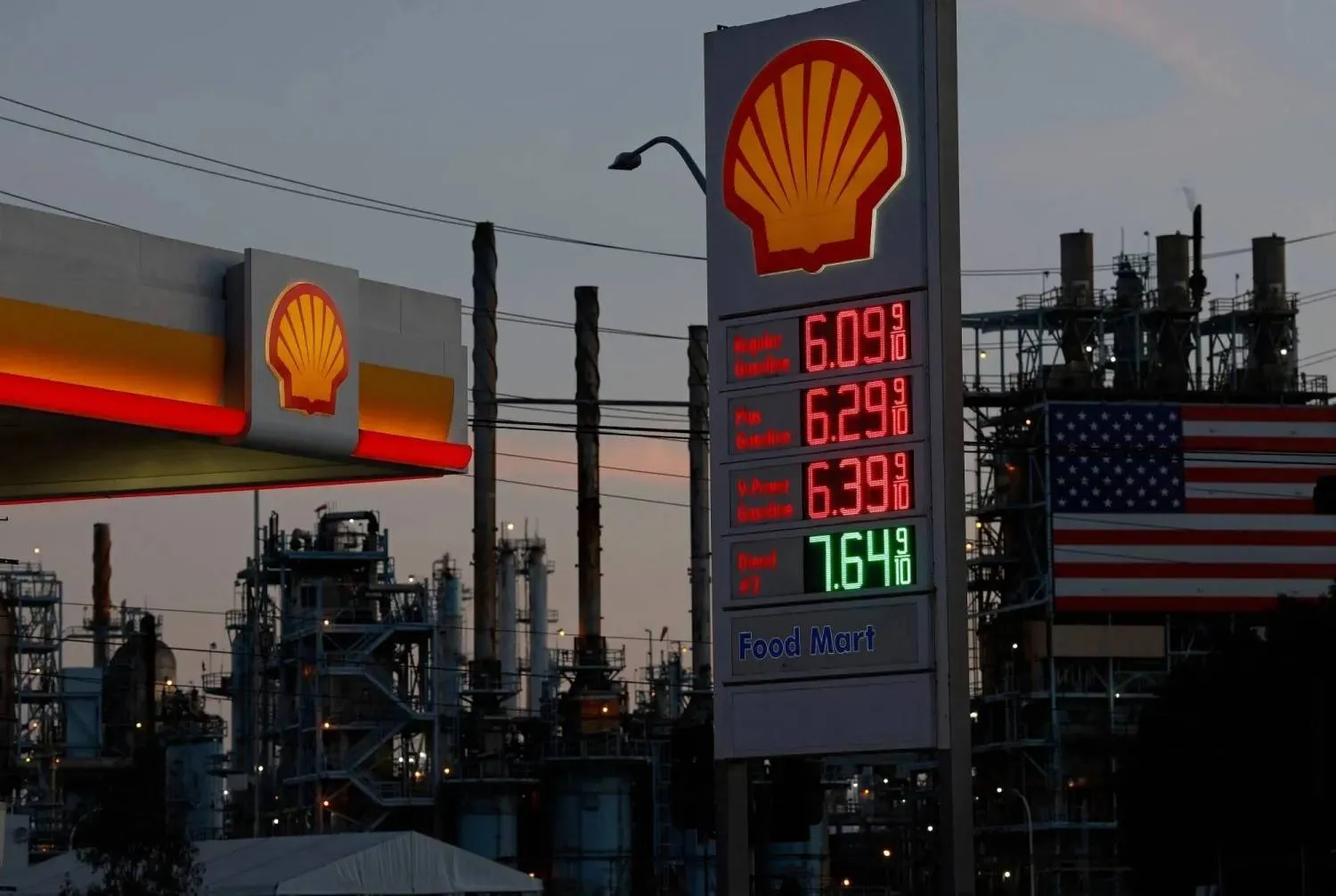
A gas station in Los Angeles, California (AFP) 
TT

From Asia to the Americas: Governments Race to Contain Energy Shock

A gas station in Los Angeles, California (AFP) 

Governments worldwide are moving swiftly to contain the fallout from a sharp rise in energy costs, as global supply disruptions linked to the US-Israeli war on Iran rattle markets.

Surging fuel and electricity prices have prompted urgent steps to protect consumers and secure supplies, with mounting pressure on economies.

In Asia, India has taken measures to safeguard domestic supply, signaling a potential review of fuel exports if needed while prioritizing the local market. Requests from neighboring countries for fuel will be met only if surplus is available.

Authorities have also barred consumers connected to piped gas networks from using liquefied petroleum gas cylinders to manage demand. New Delhi has invoked emergency powers, directing refiners to maximize cooking gas output while cutting industrial supplies to meet household needs.

South Korea is boosting domestic energy production by easing restrictions on coal-fired plants and increasing nuclear utilization to 80 percent of capacity. It is also considering additional support vouchers for vulnerable households. To bolster supply, Seoul has begun implementing a ban on naphtha exports.

China has imposed restrictions on refined fuel exports as a precaution against domestic shortages, while allowing drawdowns from fertilizer reserves to support agriculture ahead of the spring season.

In Southeast Asia, Singapore will accelerate previously announced budget support measures to ease pressure on households and businesses. Indonesia aims to increase coal output, is weighing export taxes, and plans a biofuel program using a diesel–palm oil blend. Cambodia is importing additional fuel from Singapore and Malaysia to offset shortages.

Japan will temporarily ease restrictions to expand coal-fired power generation for one year and has called for coordination through the Group of Seven and the International Energy Agency to stabilize markets. It has also asked Australia to boost liquefied natural gas output.

Elsewhere, the Philippines has suspended wholesale spot electricity trading due to price volatility and supply risks, while activating a 20 billion peso emergency fund.

Vietnam is accelerating a shift to ethanol-blended gasoline, and Australia is drawing on fuel reserves to address shortages, particularly in rural areas, while warning of prolonged economic impacts. Authorities have urged reduced fuel use, including greater reliance on public transport.

Europe acts

European Union institutions have called for temporary measures, including cuts to electricity taxes and network charges, alongside direct support for households.

Italy is considering reducing fuel levies and may impose windfall taxes on companies benefiting from the crisis. Spain is preparing aid and tax relief for households and hard-hit sectors.

In Eastern Europe, Romania has cut diesel excise duties. Serbia has reduced fees on crude oil and extended a ban on exports of oil and derivatives. Slovenia has imposed temporary limits on fuel purchases.

Greece announced 300 million euros in support for fuel and fertilizers, along with reduced maritime transport costs to ease pressure on consumers and farmers.

Americas, Africa respond

In Latin America, Argentina has postponed fuel tax increases. Brazil has scrapped federal diesel taxes, imposed a levy on oil exports and unveiled plans to support fuel imports at the state level.

In Africa, South Africa has temporarily reduced fuel taxes, Ethiopia has increased subsidies, and Namibia has cut fuel levies by 50 percent for three months. Other countries are considering similar steps.

In the Middle East and North Africa, Egypt has capped prices for unsubsidized bread and raised procurement prices for local wheat to strengthen strategic reserves.

Other measures include tax cuts in North Macedonia, energy-saving steps in Mauritius, efforts to secure additional supplies in Sri Lanka and a possible reduction in value-added tax on fuel in Poland.

The breadth of these actions underscores the scale of the global response, as governments seek to cushion households and economies from rising energy costs. Amid persistent geopolitical tensions, policymakers continue to adjust strategies to manage supply risks and price volatility.


Rising Bread Prices Add to Sudanese Struggles as Production Costs Soar

A worker oversees bread production at a bakery in Omdurman (Asharq Al-Awsat)
TT

Rising Bread Prices Add to Sudanese Struggles as Production Costs Soar

A worker oversees bread production at a bakery in Omdurman (Asharq Al-Awsat)

A 35% increase in the price of a loaf of bread to 500 Sudanese pounds has placed further pressure on households in Sudan, where purchasing power continues to decline and bakeries face soaring production costs driven by higher prices for flour, yeast and fuel, persistent power outages and the depreciation of the Sudanese pound against the dollar.

While residents are calling for government intervention to ease the burden of rising prices for this essential food staple, industry representatives warn that containing further increases will be difficult amid the ongoing war and deteriorating economic conditions.

Al-Tayeb al-Jaali, a bakery owner in Omdurman, attributed the latest increase in bread prices to rising production costs. He said a sack of flour now costs 190,000 Sudanese pounds, while a carton of yeast has reached 290,000 pounds. Daily labor costs have also risen by 25%.

Speaking to Asharq Al-Awsat, Jaali said 1,000 liters of gas now cost 4.7 million pounds, while electricity outages exceed 12 hours a day, forcing bakery owners to rely on diesel to keep their businesses running at a daily cost of up to 400,000 pounds.

He argued that curbing bread price increases and easing the burden on both bakery owners and consumers would require government measures to stabilize the exchange rate and contain inflation amid the continued depreciation of Sudan's currency.

Declining Purchasing Power

Higher bread prices are affecting households and businesses that rely on bread to serve meals, as consumers struggle with the rising cost of essential goods.

Suleiman Abdullah, a restaurant owner, said more expensive bread was adding to operating costs and limiting restaurants' ability to offer affordable meals.

He explained that serving dishes of fava beans, lentils or liver with two loaves of bread no longer satisfies some customers, particularly because the loaves are relatively small. Customers are therefore forced to buy additional bread, increasing the overall cost of their meals.

Issam al-Taj, a taxi driver, said rising prices for basic necessities amid the continuing war had made it increasingly difficult to provide for his family's daily needs.

He estimated that his household spends about 20,000 pounds a day on bread alone.

Taj added that he sometimes has to wait in fuel lines for as long as three days to refuel his taxi, while his earnings remain insufficient to cover his family's essential expenses.

The pressures are particularly severe for families returning to the capital after being displaced by the war.

Hussein Abdullah said he and his family had returned to Khartoum hoping that basic services, including electricity, water, bread and medicine, would be restored. Instead, they found themselves facing living expenses they could not afford.

Fatima Ahmed said she could no longer afford to provide bread for her children's breakfast before they leave for school.

She explained that her family was struggling to meet the children's needs despite its limited resources and called on authorities to support bakeries and ease the impact of rising prices on consumers.

Efforts to Secure Flour Supplies

In an attempt to address the crisis, Khartoum State Governor Ahmed Othman Hamza visited the Rotana flour mills in the Al-Jaili industrial area north of Bahri last Monday to assess production levels and explore ways to secure flour supplies and maintain deliveries to bakeries.

Hamza pointed to overlapping responsibilities among authorities that were disrupting distribution and ordered tighter oversight and measures to address the problems, with the aim of keeping bakeries operating and ensuring bread remains available to residents.

Rising Production Costs

Essam Okasha, head of the Bakers' Union, attributed the latest price increase to higher global wheat prices, the depreciation of the Sudanese pound and rising costs for fuel, gas and yeast.

The dollar has reached approximately 10,000 Sudanese pounds on the parallel market, driving up the cost of importing production supplies and adding to the pressure on bakeries.

Okasha said addressing the crisis would require importing wheat flour and providing financial support to bakeries. However, he acknowledged that sustainable solutions would be difficult to achieve while the war continues and economic conditions deteriorate.

He noted that Sudan's exports are largely limited to gold, with the proceeds, according to him, going toward financing the war.

Okasha expressed hope that bread prices would not rise beyond their current levels and that two loaves would continue to cost 1,000 pounds, given the difficult living conditions facing Sudanese citizens.

Calls for Strategic Wheat Reserves

Economist Haitham Mohammed Fathi said Sudan's bread crisis reflected structural weaknesses in the production system rather than a temporary surge in inflation.

He explained that flour accounts for approximately 70% of production costs, meaning any increase in its price is immediately reflected in the retail price of bread, particularly in the absence of stable subsidy mechanisms.

Fathi added that fuel price increases exceeding 100% during certain periods had driven up transportation and distribution costs, while higher electricity tariffs had further increased operating expenses.

These pressures, he said, have been compounded by the absence of a clear food security policy.

He called for bread to be treated as an essential commodity through the establishment of strategic wheat reserves and a stronger government role in importing and distributing wheat, rather than leaving the entire process to market forces.

Fathi also highlighted disagreements over the foreign exchange rates applied to wheat and flour imports and the gap between those rates and the parallel-market dollar rate used by private businesses to obtain the foreign currency they need.

Rising bread prices are adding to the hardships of Sudanese already exhausted by war, displacement, hunger and the erosion of their purchasing power.

As production costs continue to rise and household incomes decline, securing one of the most basic daily necessities has become a major challenge.

The authorities' ability to ensure adequate flour supplies and control production costs will remain critical to preventing the crisis from worsening.


Philippines Says in Talks with Saudi Arabia for Oil Storage

Oil storage tanks in the Philippines (X)
TT

Philippines Says in Talks with Saudi Arabia for Oil Storage

Oil storage tanks in the Philippines (X)

The Philippines is in talks with Saudi Arabia, Russia and the United States to store oil in the country, its energy secretary said on Wednesday, in a bid to hedge against fuel price spikes driven by the Iran war.

The Southeast Asian nation, which imports nearly all its energy needs, also plans to increase diesel and gas-fired power output to make up for an estimated 60% decline in hydropower and 20% fall in solar output in the first half of 2027 due to the El Nino weather phenomenon, Secretary Sharon Garin told Reuters.

The Philippines is also in talks with ⁠Japan, Kuwait, the ⁠United Arab Emirates and Australia on oil storage, Garin said, as it looks to build stockpiles after the US-Israeli strikes on Iran in February disrupted supplies.

"If El Nino finishes in April, that's the time that summer starts for us. So this would be a prolonged pressure for us, which started with the oil crisis in the Middle East," Garin said on the sidelines of the Singapore International Energy Week conference.

Saudi Arabia announced this week an initial agreement to store Saudi crude in Singapore's rock caverns starting 2027.

The Philippines plans to build its first government-owned storage tank next year at Bataan to hold strategic oil reserves, Garin said, adding that the government has been working with Tokyo to build regional oil stockpiles, which would complement its national reserve.

Fuel inventories in the Philippines are currently at 55 days, up from a 15-day minimum requirement, Garin said. The government has 1 million barrels of oil stocks in private facilities, she added.

"We start with 1 million (barrels) and scale it up over the years with the objective of ⁠reaching 60 days," ⁠she said, adding that the volume will be split evenly between crude and fuels.

The country's average daily demand for petroleum products was about 78 million liters, or about 490,600 barrels, as of May, government data showed.


Mercedes to Cut More Jobs as Chinese Competition Bites

Mercedes-Benz CEO Ola Kaellenius gestures as he participates in a talk during the Berlin Global Dialogue 2026 in Berlin, Germany, 21 October 2026. EPA/CLEMENS BILAN
TT

Mercedes to Cut More Jobs as Chinese Competition Bites

Mercedes-Benz CEO Ola Kaellenius gestures as he participates in a talk during the Berlin Global Dialogue 2026 in Berlin, Germany, 21 October 2026. EPA/CLEMENS BILAN

Premium German carmaker Mercedes-Benz will restart a voluntary redundancy program and is in discussion with unions over further cost-cuts, its chief executive Ola Kaellenius said Wednesday after the firm warned on full-year profits.

"Germany accounts for roughly 15 percent of our sales, but two-thirds of our employees and structures are based here," Kaellenius told reporters and investors on an earnings call to present third-quarter results.

"To reduce our fixed costs further, we have decided to restart the severance program in Germany in December," he added, without giving a target number of job cuts.

German carmakers have struggled with cutthroat competition and falling demand in China, the world's largest car market, leading to painful adjustments at home.

Mercedes-Benz on Tuesday became the third of the big three German carmakers -- alongside Volkswagen and BMW -- to have issued a profit warning for the year, citing difficulties in China.

BMW aims to cut 8,000 jobs by the end of 2027 with its own voluntary redundancy program, and the Volkswagen Group plans to have cut 120,000 jobs globally by the end of the decade across its brands, which include Porsche and Audi.

Kaellenius said Mercedes-Benz could not give more detail since discussions were ongoing, adding that he was nevertheless pressing hard to get costs down.

"We will continue with determination to adjust the structures of the company to fit the revenue position of the company," AFP quoted him as saying.

Labor costs in China, Hungary, Romania and the United States are all lower than in Germany, Kaellenius said, adding that "eastern Europe as a whole is open to any industrialist looking to expand.”

Net profit for the third quarter rose almost 30 percent to 1.52 billion euros ($1.69 billion) even as overall sales declined 4.5 percent to 30.7 billion euros, largely the result of a collapse in China.

But Kaellenius said the company could not afford to abandon the Chinese market despite an intense price war driven by over 100 competing carmakers.

"If you're a global car company like Mercedes, there's not a play where you put China aside," he said.