
UN: Iran War Could Plunge 32 million into Poverty

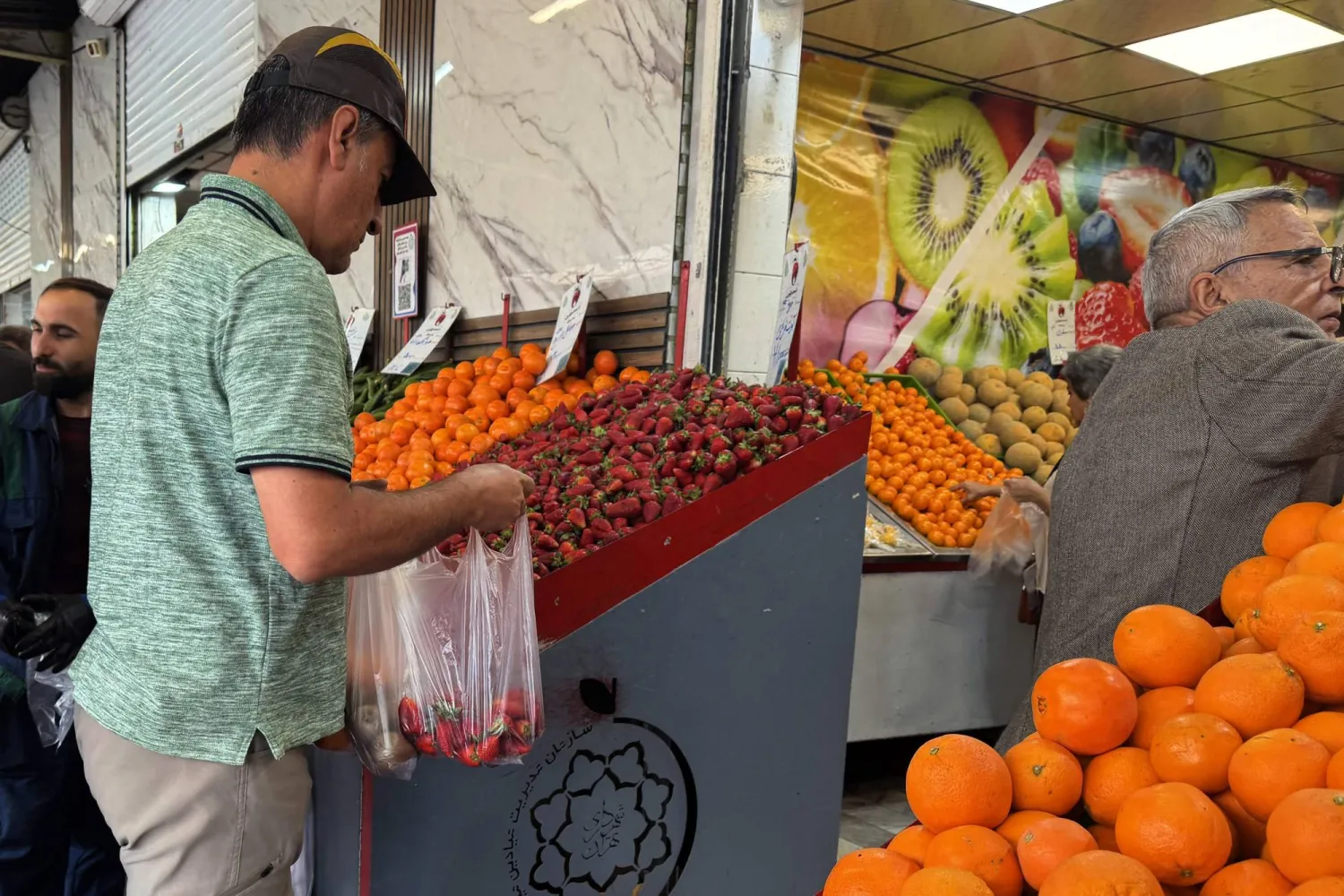
People shop at the fruit and vegetable market the day after negotiations between Iran and the US in Pakistan failed to produce a deal, in the capital Tehran on April 13, 2026. (Photo by ATTA KENARE / AFP)
TT

UN: Iran War Could Plunge 32 million into Poverty

People shop at the fruit and vegetable market the day after negotiations between Iran and the US in Pakistan failed to produce a deal, in the capital Tehran on April 13, 2026. (Photo by ATTA KENARE / AFP)

More than 32 million people worldwide could be plunged into poverty by the economic fallout from the Iran war, with developing countries expected to be hit hardest, the United Nations Development Program (UNDP) warned.

In a report issued amid doubts over a fragile ceasefire, the UNDP said the world is facing a “triple shock” involving energy, food and weaker economic growth.

The agency said the conflict is reversing gains in international development, with the impact expected to be felt unevenly across regions.

Alexander De Croo, UNDP administrator and former prime minister of Belgium, said: “A conflict like this is development in reverse. Even if the war stops, and a ceasefire is very welcome, the impact is already there.”

“You will see an enduring impact, especially in poorer countries, where people are being pushed back into poverty. This is the most painful aspect. The people being pushed into poverty are very often the same people who were in poverty, escaped it, and are now being pushed back.”

Energy prices surged sharply during the six weeks of the Iran war after Iran’s closure of the Strait of Hormuz choked global oil and gas supplies. With knock-on effects on fertilizer supplies and global shipping, experts warn of a “time bomb” threatening food security in the developing world.

The head of the International Monetary Fund said the war’s “devastating effects” have caused lasting damage to the global economy, even if the conflict ends.

Publishing its report alongside meetings of world leaders in Washington for the IMF Spring Meetings, the UNDP said a global response is required to support countries hardest hit by the economic fallout.

It said targeted and temporary cash transfers are needed to protect the most vulnerable households in developing countries, at a cost of about $6 billion to mitigate the shocks for those living below the poverty line.

De Croo said international agencies and development banks could provide financial support. “There is a positive economic return from short-term cash transfers to avoid people being pushed back into poverty,” he said. Alternative measures could include temporary subsidies or vouchers for electricity or cooking gas.

Setting out three scenarios for the war, the UNDP found that in the worst case – involving six weeks of major disruption to oil and gas production and eight months of sustained higher costs – up to 32.5 million people globally would fall into poverty.

The report used the upper-middle-income poverty line defined by the World Bank, set at less than $8.30 per person per day.

The UNDP said that while richer countries are in a stronger position to cushion the economic fallout, countries in the global south face weaker conditions and already severe financial constraints.

This comes as western governments, including the US, Germany, France and the UK, cut aid spending amid rising borrowing and debt levels in advanced economies and calls to increase defense spending.

Data from the Organization for Economic Co-operation and Development published last week showed that countries in its Development Assistance Committee cut aid spending to $174.3 billion in 2025, nearly a quarter lower than in 2024.


Riyadh Ranked Among Top 100 Global Innovation Clusters

A view of Riyadh, Saudi Arabia. (SPA)
TT

Riyadh Ranked Among Top 100 Global Innovation Clusters

A view of Riyadh, Saudi Arabia. (SPA)

The Global Innovation Index has ranked Riyadh among the top 100 innovation clusters worldwide for 2026, making it the only Gulf city to attain this classification.

Riyadh placed 92nd globally, with key metrics including 419 venture capital deals in innovation and 162 international patent applications filed.

The report highlighted the main entities contributing to the capital's position in research and innovation. In research, King Saud University, Princess Nourah bint Abdulrahman University, and Prince Sultan University led the efforts, while SABIC and Aramco spearheaded innovation contributions.

The ranking reflects the Kingdom's integrated research and innovation ecosystem, supporting researchers and innovators in line with Saudi Vision 2030.


Türkiye to Start Oil-Targeted Drilling in Western Black Sea Soon, Minister Says

Türkiye's Energy Minister Alparslan Bayraktar speaks as he meets with reporters at Antalya Diplomacy Forum in Antalya, Türkiye, April 18, 2026. (Reuters)
TT

Türkiye to Start Oil-Targeted Drilling in Western Black Sea Soon, Minister Says

Türkiye's Energy Minister Alparslan Bayraktar speaks as he meets with reporters at Antalya Diplomacy Forum in Antalya, Türkiye, April 18, 2026. (Reuters)

Türkiye will soon begin drilling a challenging oil-targeted well in the western Black Sea, Energy Minister Alparslan Bayraktar said ‌on Wednesday.

"We ‌will soon ‌begin ⁠drilling an oil-targeted ⁠well in the western Black Sea. It will be a difficult ⁠drilling operation and will ‌take ‌some time," ‌Bayraktar told broadcaster ‌CNBC-e.

Türkiye has previously said it plans six exploration ‌wells across the western, central and eastern ⁠Black ⁠Sea in 2026 as it seeks new oil and natural gas discoveries.


Epson Makes Riyadh Its Regional Headquarters for Middle East and North Africa

Husam Al Zughayyar, Regional Head of Sales at Epson Middle East (Asharq Al-Awsat) 
TT

Epson Makes Riyadh Its Regional Headquarters for Middle East and North Africa

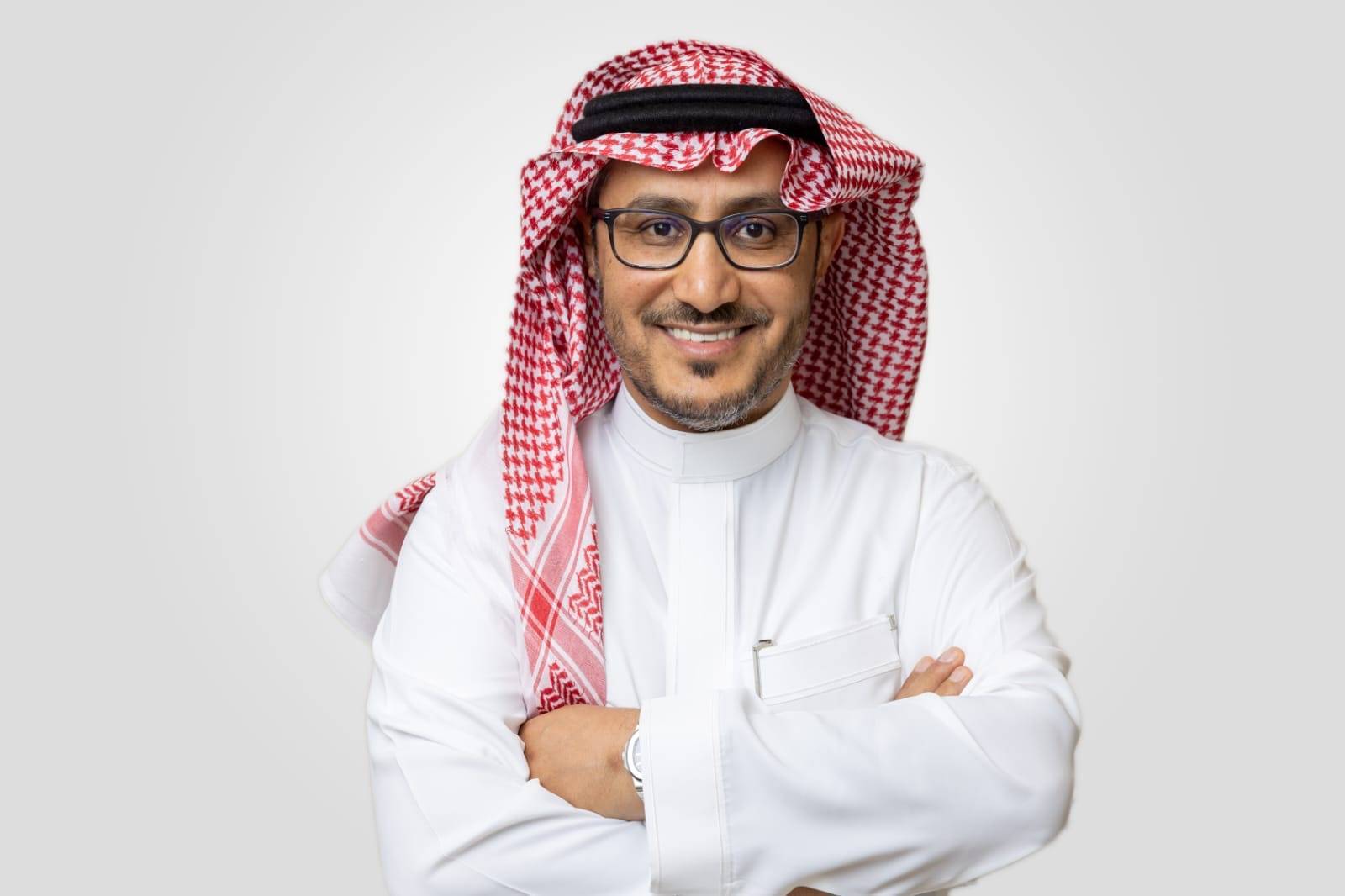
Husam Al Zughayyar, Regional Head of Sales at Epson Middle East (Asharq Al-Awsat) 

Japanese technology company Epson is strengthening its presence in Saudi Arabia and across the Middle East and North Africa with the opening of its regional headquarters in Riyadh, reflecting the Kingdom’s growing importance as a regional business and technology hub.

The headquarters is part of Epson’s strategy to expand its business in Saudi Arabia, where it has operated for more than 15 years, focusing on sectors including education, healthcare and entertainment and offering technology solutions tailored more closely to local market needs.

It will also strengthen links between Epson’s regional operations and its research and development centers in Japan, supporting the development of new solutions in innovation, sustainability and digital transformation.

Husam Al Zughayyar, Regional Head of Sales at Epson Middle East, told Asharq Al-Awsat that selecting Riyadh as the company’s MENA headquarters was part of its Saudi expansion strategy, describing the Kingdom as a strategic market for Epson.

“Establishing the regional headquarters for the Middle East and North Africa in Riyadh reflects the company’s long-term commitment to the Kingdom and its confidence in the potential of its market,” Al Zughayyar said. “Epson has operated in Saudi Arabia for more than 15 years, and the new headquarters represents an important step in expanding this presence and strengthening our operations in the Kingdom and the region.”

He noted that Epson was committed to improving service levels, strengthening ties with its local distribution network, and expanding its presence in the education sector to better serve customers in the Kingdom.

The regional headquarters will serve as a direct link with Epson’s research and data centers in Japan, allowing local insights and requirements to help shape next-generation technologies. The company plans to expand in strategically important sectors such as education, healthcare and entertainment, with solutions tailored to Saudi market needs.

Al Zughayyar highlighted Epson’s long-standing cooperation with Saudi Arabia’s education sector, including its partnership with Tatweer Educational Technologies Company (TETCO), a strategic technology arm of the Ministry of Education.

“We will provide interactive display solutions for schools and universities in the Kingdom, supporting the development of smart classrooms and interactive learning,” he stated, adding that the cooperation aligns with Saudi Vision 2030 objectives for education, digital transformation and technology investment.

Al Zughayyar expressed strong optimism about the Saudi market, citing its size and the rapid economic and technological transformation underway under Vision 2030, alongside growing adoption of digital technologies.

These developments are creating opportunities for technology companies in education, healthcare, financial services, tourism and hospitality, retail and government, he underlined.

Continued investment in digital infrastructure and smart cities, together with improvements in the business environment, is strengthening Saudi Arabia’s position as a regional hub for technology and innovation and its ability to attract international investment.

Epson sees substantial opportunities to offer innovative and sustainable solutions in printing, scanning, visual communications, manufacturing and lifestyle products tailored to evolving customer needs.

The company is also supporting digital transformation and local talent development. Epson launched a graduate program in 2022 to provide young professionals with practical experience and develop their skills, with three graduates subsequently joining its workforce.

Between 2022 and 2024, Epson increased its investment in facilities across the region by 28.6 percent and investment in human resources by 45 percent.

The company plans to expand its partner and channel network in Saudi Arabia, deepen relationships with local customers and partners and establish more direct links with its research and data teams in Japan.