
Beirut lawmakers and political parties in Lebanon’s parliament will hold a conference on Thursday backing a declaration of the capital as “safe and free of weapons,” after a government decision that followed deadly Israeli attacks on the city last week.
Organizers invited all Beirut MPs except those from Hezbollah and the Islamic Group, in a move targeting the party’s arms after the government banned its military activities.
The gathering also signals support for Prime Minister Nawaf Salam, who came under attack from Hezbollah after the decision.
Organizers told Asharq Al-Awsat that rejecting the targeting of Salam reflects that the move “expresses the decisions of the Council of Ministers collectively.”
Beirut MPs are expected to endorse government efforts to assert state sovereignty and cement the state’s exclusive authority over decisions of war and peace. This includes measures tied to Hezbollah, notably limiting arms to legitimate state forces.
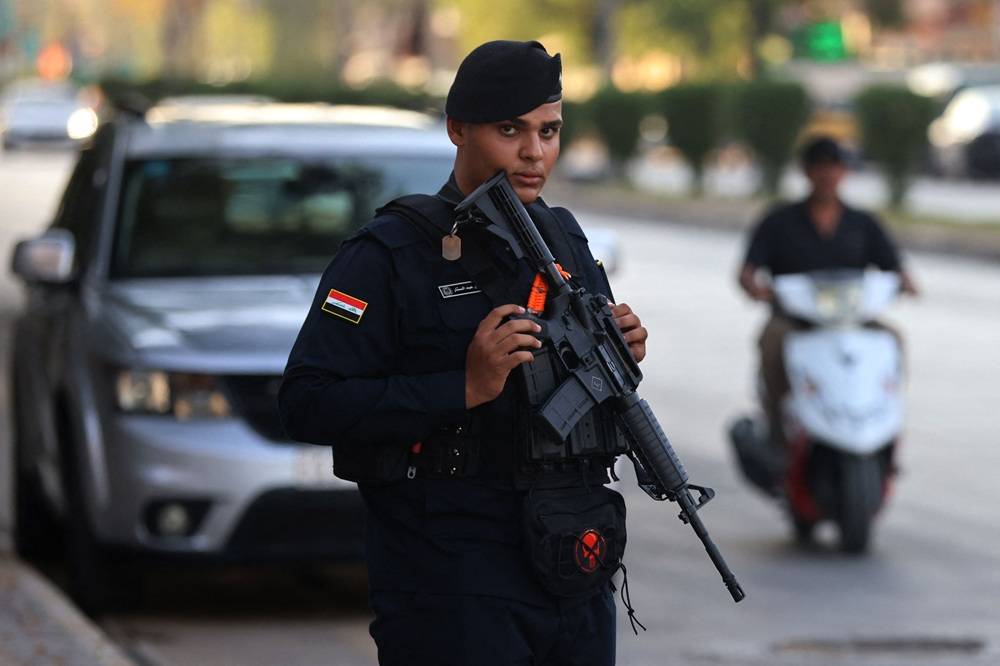
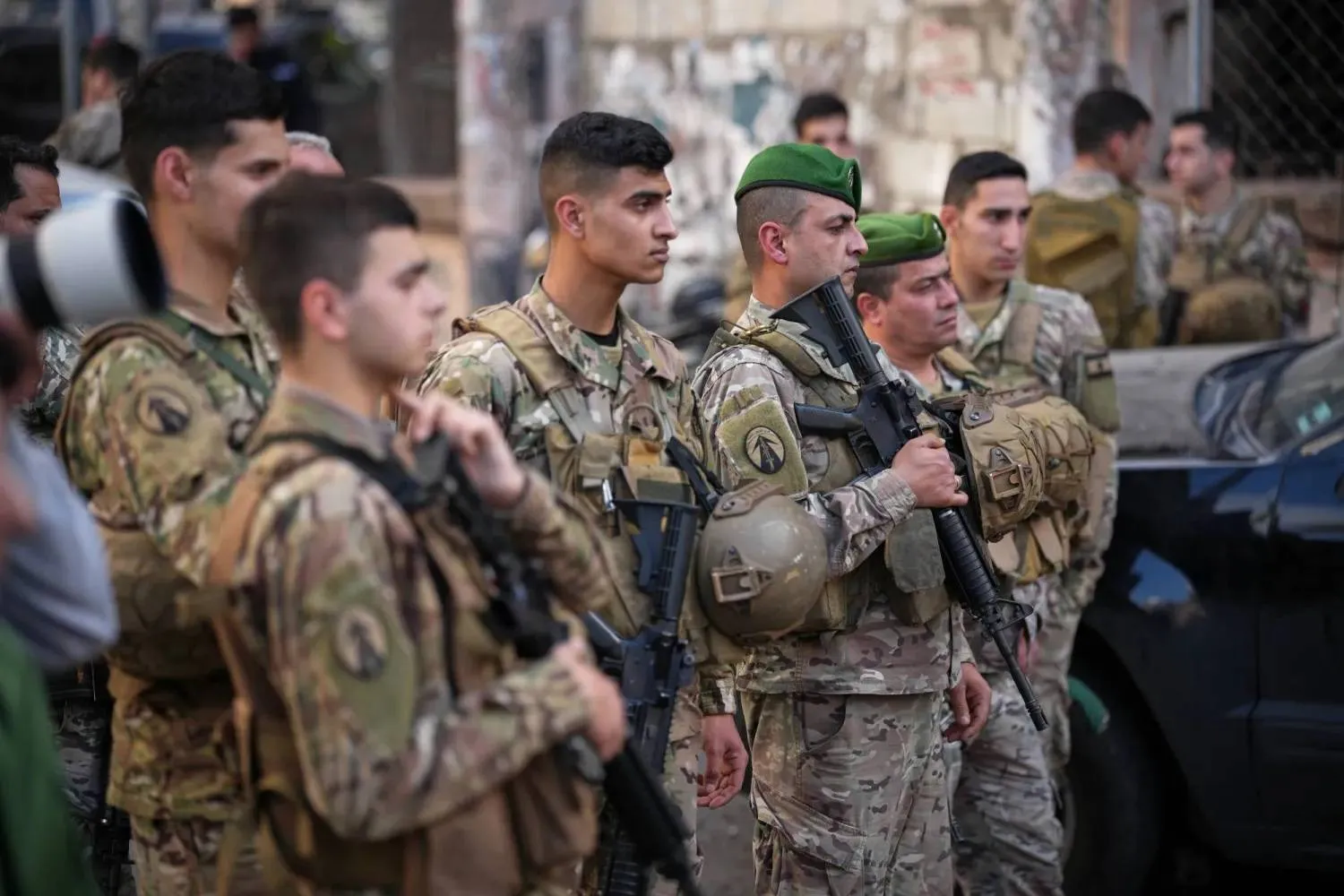
They will also back the executive authority, represented by the president, prime minister, and cabinet, in declaring Beirut a weapons-free city, and call for a strong, comprehensive deployment of the Lebanese army and security forces to protect citizens and prevent any unauthorized arms or threats to stability.
MP Fouad Makhzoumi said the Israeli attack last Wednesday, while condemned, underscored the risks to the city’s security.
“There is no solution except to place all weapons under the control of the state, including Hezbollah’s arms. This is the gateway to strengthening stability and protecting all Lebanese,” he told Asharq Al-Awsat.
Makhzoumi said Beirut MPs fully support the decision and stressed the need for full, uncompromising implementation.
He called for a robust deployment of the army and security forces, warning against any leniency in enforcing measures he said would protect the city, its residents, and people displaced from southern Lebanon and other areas hit by Israeli attacks.
Last week, Beirut MPs, along with economic bodies and civil society groups, called for the conference to present a unified stance on developments, reaffirm the state’s role, and press for implementation of government decisions to protect the capital, its institutions, and residents.
In a statement, they condemned Israeli strikes on Lebanese territory, including Beirut, and rejected dragging Lebanon into a war “that has nothing to do with it,” while backing government steps to reinforce sovereignty and stability.
They also denounced incitement and unrest in Beirut, saying it endangers residents and threatens security, and reiterated their commitment to national unity and rejection of sectarian strife.