Sudan has established working teams to explore energy partnerships with Saudi Arabia, paving the way to turn bilateral discussions into projects aimed at rehabilitating war-damaged facilities and restoring the country's oil refining and electricity generation capabilities.
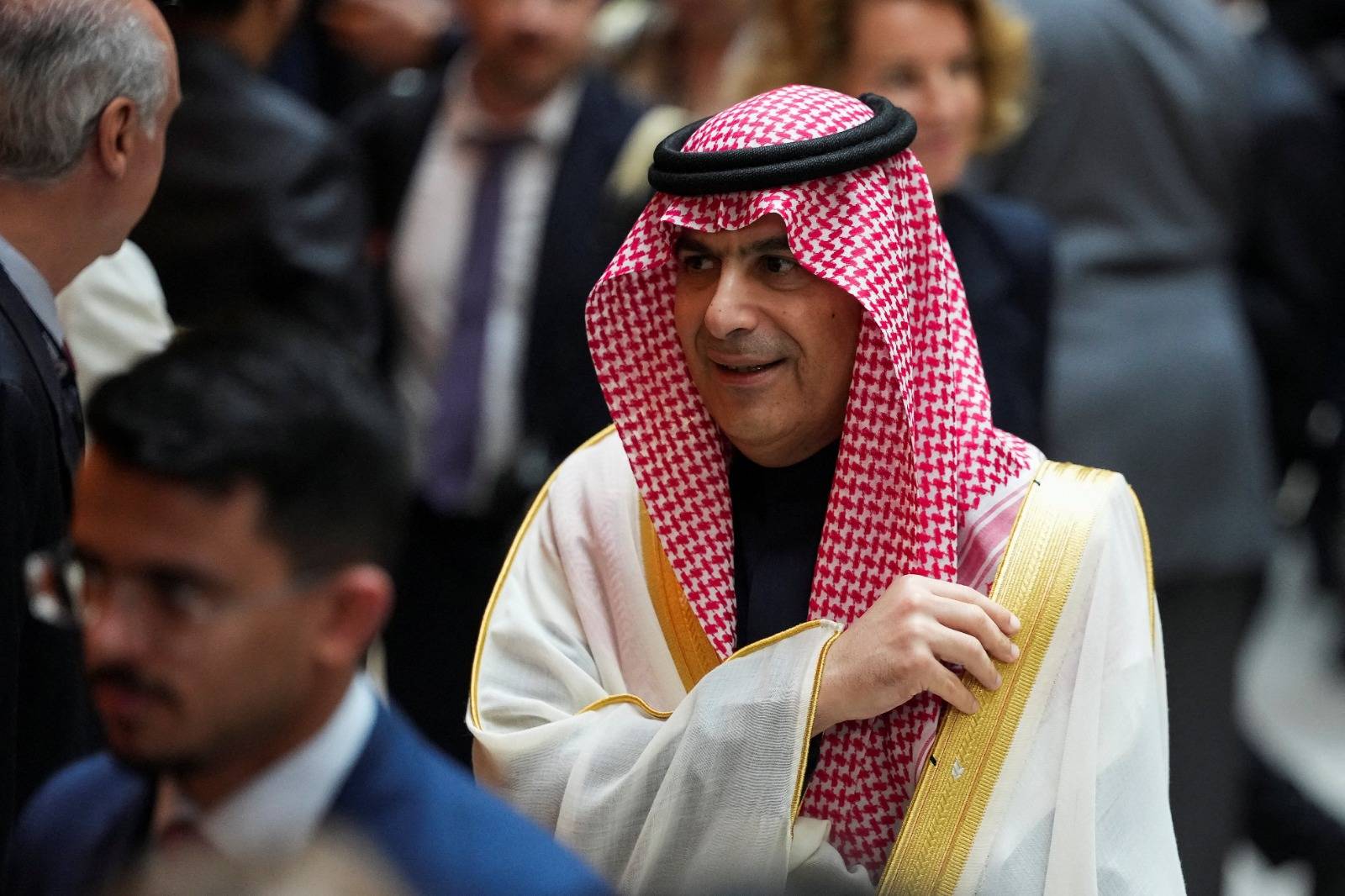
Sudanese Minister of Energy and Petroleum Al-Mutasim Ibrahim told Asharq Al-Awsat that cooperation is focused on four main areas: securing fuel supplies, developing oil exploration blocks in the Red Sea, establishing a refinery in Port Sudan, and rehabilitating electricity infrastructure.
The initiative comes as Sudan seeks to restore its energy sector following extensive damage to its facilities, particularly the Al-Jaili refinery, which previously met more than 60 percent of domestic demand. The country currently relies on imports of petroleum products.
Ibrahim said discussions with Saudi officials focused on investment opportunities and technical cooperation, with working teams established to assess the scope of the proposed projects and the mechanisms for implementing them.
He explained that his participation in the World Petroleum Congress, held in Riyadh last week at Saudi Arabia's invitation, provided an opportunity to strengthen consultations on energy issues of mutual concern.
The meetings also explored ways to attract the investment and expertise needed to rebuild and develop Sudan's energy sector, supporting the country's economic recovery.
Ibrahim said he met officials from the Saudi Ministry of Energy and its affiliated entities, as well as representatives of Saudi Aramco, SABIC, ACWA Power and the Saudi electricity regulator.
He explained that cooperation with Aramco focuses on importing petroleum products and ensuring regular supplies to Sudan, particularly given the damage caused by the war to its energy facilities.
Among the most severely affected is the Al-Jaili refinery, which previously supplied more than 60 percent of the country's domestic petroleum needs.
The minister said the visit resulted in understandings to establish working teams to explore partnership and investment opportunities in rehabilitating damaged energy facilities.
These include electricity grids, power and water facilities, restarting the Al-Jaili refinery, and expanding refining capacity in Port Sudan and the Red Sea region.
Four Areas of Partnership
Ibrahim said discussions with Saudi Assistant Minister of Energy Mohammed Abdulrahman focused on four main areas of cooperation.
The first involves strengthening the partnership with Aramco to secure regular supplies of petroleum products and support stability in Sudan's domestic market, particularly after the war damaged the country's production and refining facilities.
The second focuses on opportunities to develop oil exploration blocks in the Red Sea, including encouraging Saudi private-sector investment in exploration and production activities and capitalizing on opportunities in Sudan's petroleum industry.
The third concerns a proposed oil refinery in Port Sudan, which the minister said presents opportunities for technical and investment cooperation with Saudi Arabia, enhancing Sudan's refining capabilities and strengthening energy security.
The fourth involves rehabilitating electricity infrastructure and rebuilding facilities damaged during the war, including exploring ways to provide necessary equipment, exchange technical expertise and develop local capabilities.
Ibrahim stressed that the joint working teams would assess the nature and scale of cooperation required to rehabilitate electricity grids, power stations and water facilities.
Their findings would help determine the next steps and translate the understandings reached into concrete programs and projects.
Rehabilitating Refineries
Ibrahim unveiled a plan to rehabilitate and rebuild Sudan's refinery infrastructure, electricity networks, thermal and hydropower stations, and solar energy facilities.
He explained that the first phase accounts for 20 percent of the overall rehabilitation plan.
Sudan is simultaneously working on refinery designs and promoting investment opportunities in the sector.
The minister said a Sudanese engineering team has been in China for more than a month, working with Chinese counterparts to oversee the required designs and incorporate modern technologies.
He added that a Sudanese engineering and technical team is working to complete the first phase of the rehabilitation plan.
Meanwhile, Khartoum is seeking to attract Turkish, Belarusian and Russian investment across various stages of the energy industry, including exploration and prospecting.
Ibrahim said Sudan is also looking to attract Saudi investment in refining, particularly the proposed Port Sudan refinery, which remains under study.
Other options being examined include expanding refining capacity and developing an additional refinery in the Red Sea region, either as a reserve facility or for commercial operations.
He added that the Al-Jaili refinery in Khartoum has been offered to investors with the aim of restarting operations using the latest technologies after the damage it sustained during the war.
Electricity Needs
Ibrahim said the Ministry of Energy is working to secure electricity and energy supplies for vital sectors, including industry and agriculture.
He noted that the ministry has provided energy supplies for agricultural projects, including the Gezira Scheme.
The minister said the ministry has managed to supply Khartoum with electricity covering more than 80 percent of its needs.
However, he cautioned that fully restoring power generation capacity at stations and dams, along with the associated infrastructure, would require approximately three years.
Ibrahim emphasized that drawing on Saudi Arabia's experience in developing and improving the efficiency of electricity systems is a key area of cooperation.
He said the partnership could also include providing equipment and exchanging technical expertise to help rehabilitate damaged networks and facilities.
Shipping Disruptions
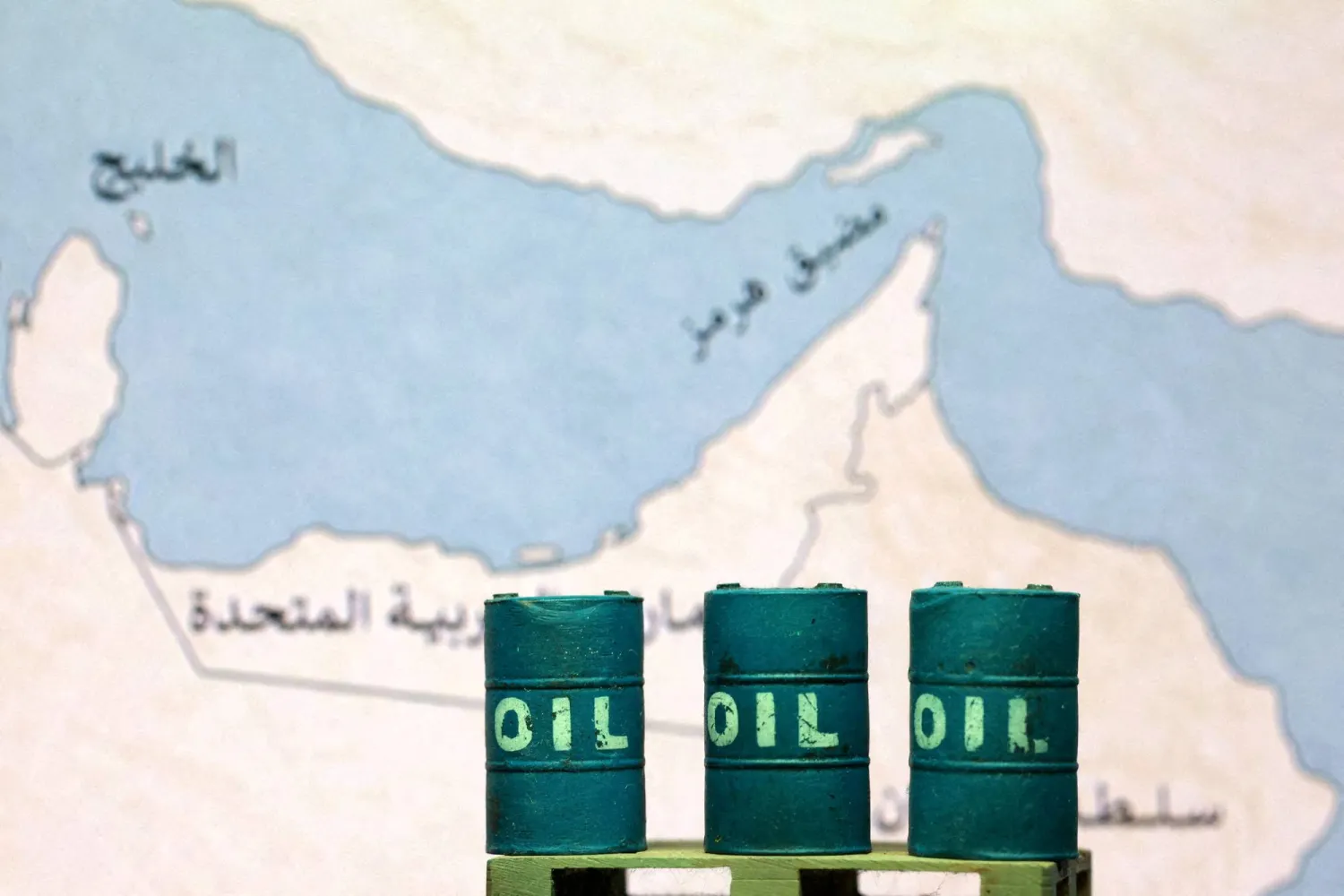
Ibrahim acknowledged that disruptions to shipping through the Strait of Hormuz and the Bab el-Mandeb Strait amid the US-Iranian war have affected energy prices in Sudan.
He attributed the impact to rising maritime insurance costs and associated price premiums.
However, he stressed that Sudan is not currently experiencing shortages of imported petroleum products.
The ministry's plan, he said, aims to secure the energy requirements of vital sectors while rehabilitating domestic facilities and strengthening refining capacity.
Ibrahim added that Sudan's participation in the International Energy Forum and the World Petroleum Congress in Saudi Arabia provided an opportunity to learn about modern technologies and solutions in energy and related industries.
He said the experience could open the door for Sudan to benefit from Saudi expertise in developing its energy sector.