

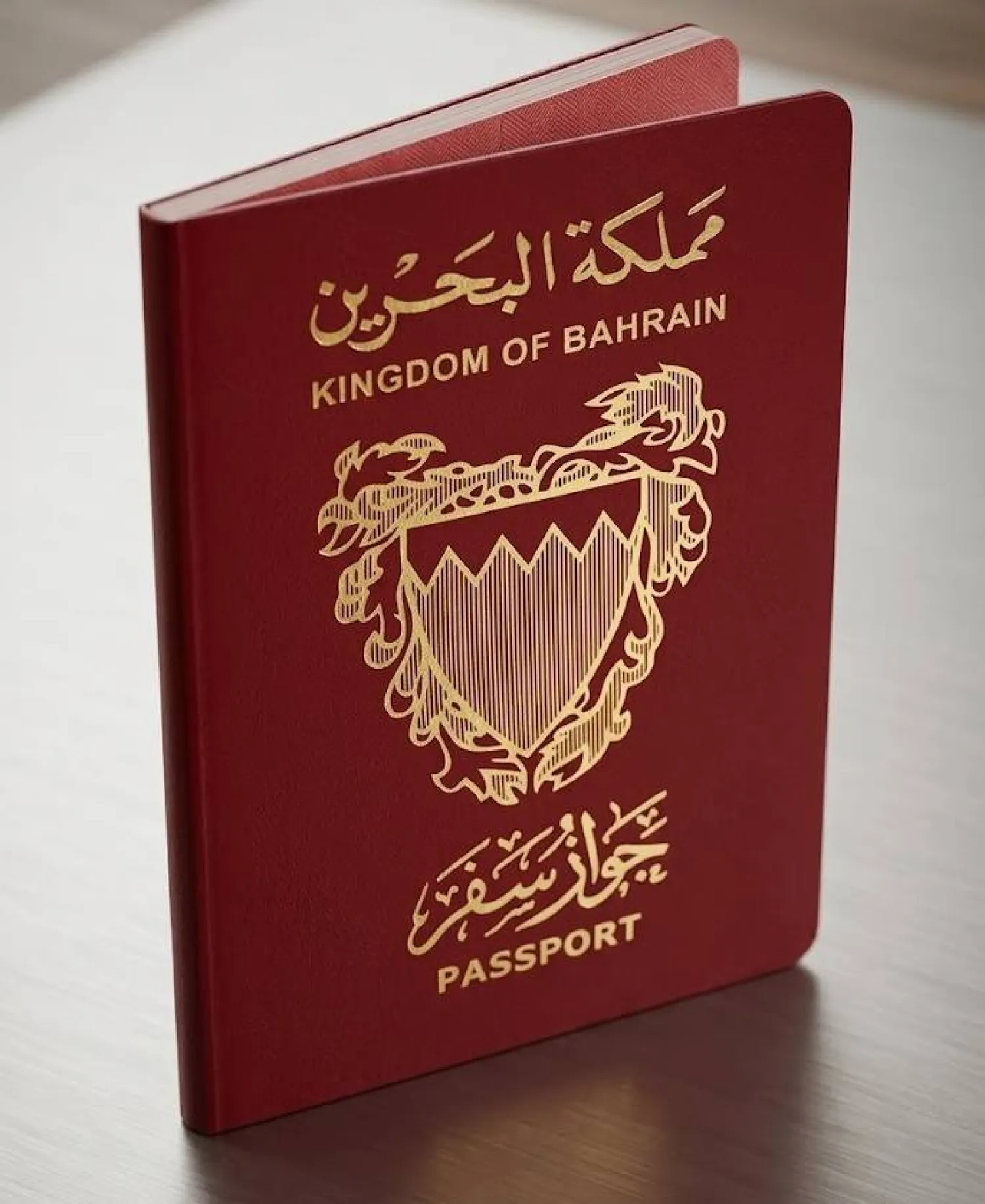

Bahrain Revokes Nationality of 69 Individuals for Hailing Iranian Attacks

Bahrain Revokes Nationality of 69 Individuals for Hailing Iranian Attacks
TT

Bahrain Revokes Nationality of 69 Individuals for Hailing Iranian Attacks

Bahrain Revokes Nationality of 69 Individuals for Hailing Iranian Attacks

Bahraini sources said the authorities in Bahrain have revoked the nationality of individuals hailing the hostile acts carried out by Iran against Bahrain.

The sources said on Monday that, in implementation of the Royal directives, the nationality of 69 individuals of non-Bahraini origin has been revoked for sympathizing with and glorifying the criminal Iranian hostile acts.

Iran had launched repeated attacks on Bahrain and other Gulf states during the war it waged against the United States and Israel.

Last week, Hamad bin Isa Al Khalifa, King of Bahrain, tasked Salman bin Hamad Al Khalifa, the Crown Prince and Prime Minister, with immediately initiating strict measures against those involved in undermining national security, including reviewing their entitlement to hold Bahraini nationality.

The Bahrain News Agency reported that King Hamad, during a meeting with senior officials in the Kingdom, said the state is proceeding with full resolve to address the repercussions of the war, noting the assignment of the Crown Prince and Prime Minister, in the coming phase, “to implement comprehensive and decisive measures, by establishing appropriate programmes to address any shortcomings identified, whether in defence or in the economy.”

This is in addition to “the immediate commencement of taking the necessary action against anyone who has allowed themselves to betray the nation or undermine its security and stability, and to consider who deserves Bahraini nationality and who does not, so that the necessary measures are applied against them, especially as the situation remains delicate, and we must rely on what is dictated by the national conscience, on the basis that the nation is a great trust in honour and custom, with no leniency in squandering it or failing in its duties.”


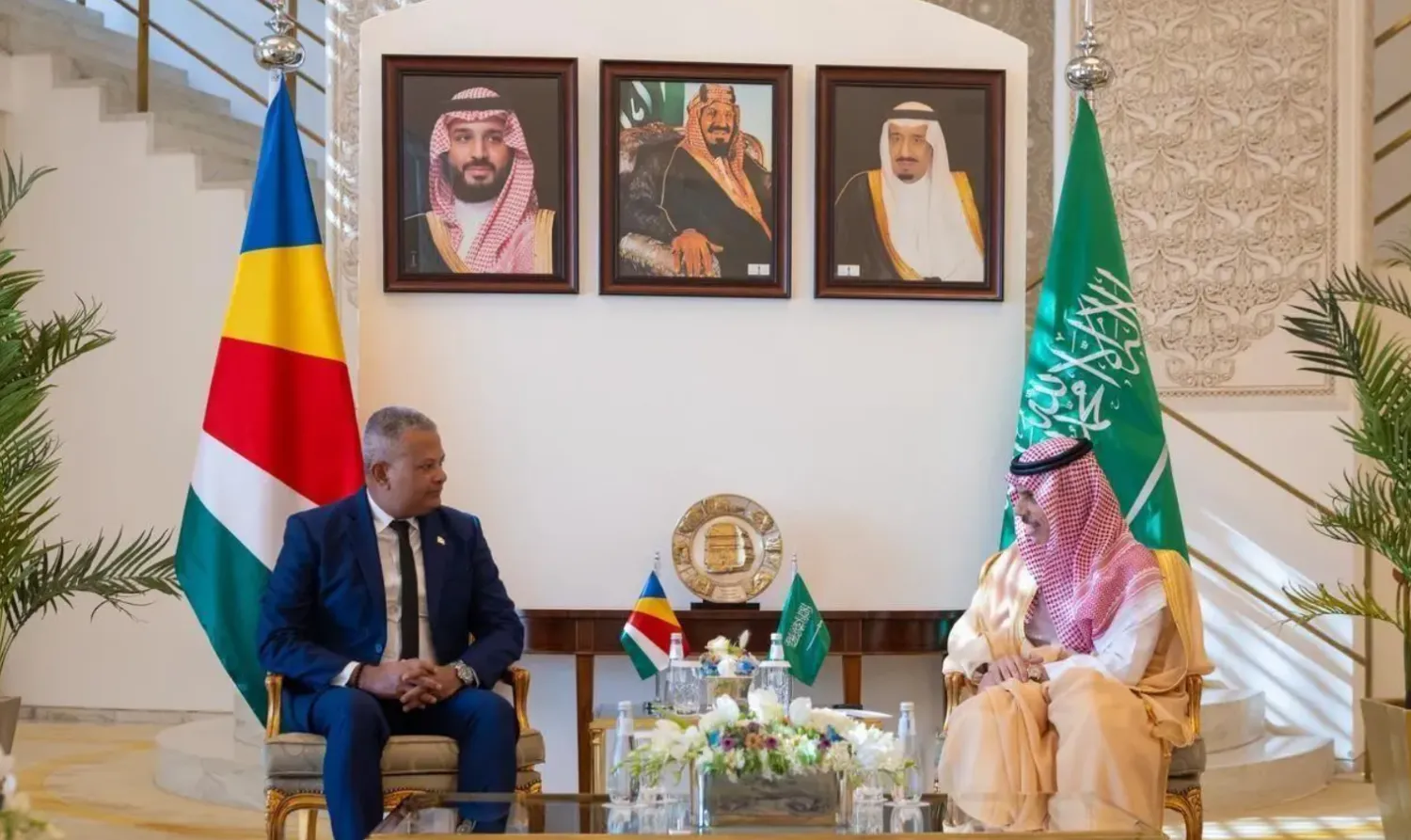

Saudi Foreign Minister Receives Syrian Counterpart

Saudi Minister of Foreign Affairs Prince Faisal bin Farhan bin Abdullah received his Syrian counterpart Asaad Hassan Al-Shaibani in Riyadh. (SPA)
TT

Saudi Foreign Minister Receives Syrian Counterpart

Saudi Minister of Foreign Affairs Prince Faisal bin Farhan bin Abdullah received his Syrian counterpart Asaad Hassan Al-Shaibani in Riyadh. (SPA)

Saudi Minister of Foreign Affairs Prince Faisal bin Farhan bin Abdullah received his Syrian counterpart, Asaad Hassan Al-Shaibani, in Riyadh on Wednesday, the Saudi Press Agency reported.

The two officials reviewed relations between the two countries and ways to strengthen and develop them across various fields. They also discussed the latest regional developments and efforts to support security and stability in the region.

The meeting was attended by a number of officials from both sides.


Saudi Defense Minister Offers Condolences to Qatari PM on Passing of Sheikh Hamad bin Khalifa

Saudi Minister of Defense Prince Khalid bin Salman. (SPA)
TT

Saudi Defense Minister Offers Condolences to Qatari PM on Passing of Sheikh Hamad bin Khalifa

Saudi Minister of Defense Prince Khalid bin Salman. (SPA)

Saudi Minister of Defense Prince Khalid bin Salman held telephone talks on Wednesday with Qatar’s Prime Minister and Minister of Foreign Affairs Sheikh Mohammed bin Abdulrahman bin Jassim Al Thani to offer his condolences over the passing of Sheikh Hamad bin Khalifa Al Thani.

Prince Khalid expressed his sincere condolences and sympathy, praying for God's mercy and forgiveness upon the deceased.


Saudi Arabia, the UK to Support Vulnerable Groups in Yemen with $10 Million

Advisor at the Royal Court and Supervisor General of KSrelief Dr. Abdullah Al Rabeeah signs the agreement. SPA
TT

Saudi Arabia, the UK to Support Vulnerable Groups in Yemen with $10 Million

Advisor at the Royal Court and Supervisor General of KSrelief Dr. Abdullah Al Rabeeah signs the agreement. SPA

Advisor at the Royal Court and Supervisor General of the King Salman Humanitarian Aid and Relief Center (KSrelief) Dr. Abdullah Al Rabeeah and Acting Executive Director of the World Food Programme (WFP) Carl Skau have signed a cooperation agreement to support vulnerable groups in several Yemeni governorates.

The agreement forms part of Saudi Arabia's humanitarian and relief projects and programs delivered through its humanitarian arm, KSrelief, to assist people in need and those affected by crises around the world.

The agreement was signed on Tuesday via video conference in the presence of UK Deputy Ambassador to Saudi Arabia Dr. Alice Burt.

Under the agreement, KSrelief and the UK Foreign, Commonwealth and Development Office will each contribute half of a $10 million financial package to the WFP to support the project in Yemen's Al-Mahrah, Hadhramout, Aden, Al-Dhale, and Lahij governorates.

The agreement aims to address the food needs of the most vulnerable groups by providing asset-creation support activities for beneficiaries and improving their access to food through conditional cash transfers, enabling them to become less dependent on humanitarian assistance.

The project also includes rehabilitating productive infrastructure, helping targeted households transition from Phase 4 acute food insecurity to greater stability and self-reliance, implementing vocational training programs, developing beneficiaries' skills to enhance productivity, strengthening the capacities of local authorities, and activating governance systems to manage and sustain community assets.