Bahrain Sentences Three to Life for Spying for Iran’s IRGC

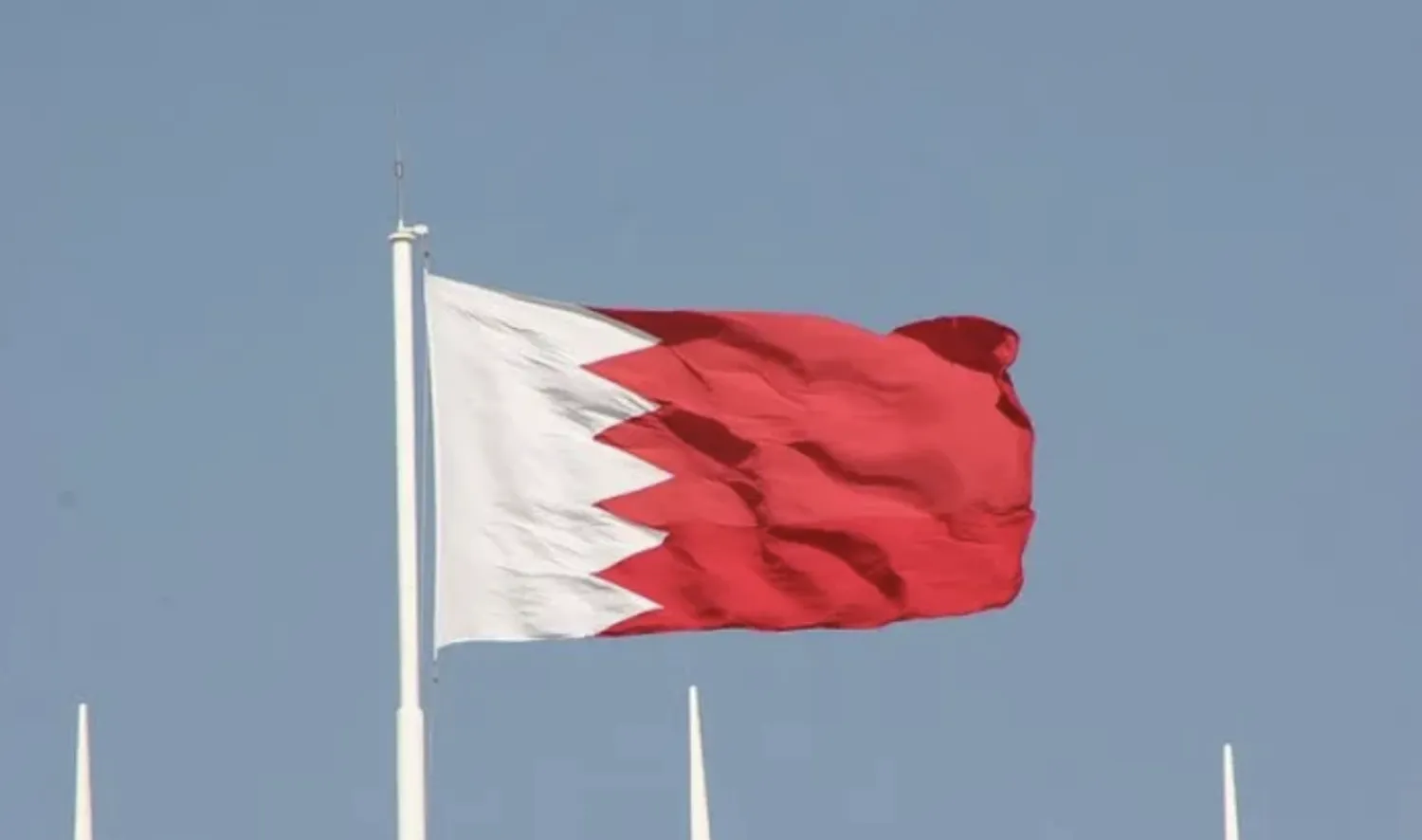
The flag of the Kingdom of Bahrain (BNA)
TT

Bahrain Sentences Three to Life for Spying for Iran’s IRGC

The flag of the Kingdom of Bahrain (BNA)

Bahrain’s High Criminal Court on Tuesday sentenced 24 defendants in separate cases tied to espionage for Iran’s Revolutionary Guard Corps (IRGC), support for Iranian attacks against the Kingdom, and acts of violence and sabotage linked to those attacks.

The rulings included life sentences for three defendants, prison terms of up to 10 years for others, financial penalties, confiscation of seized materials, and the permanent deportation of three convicts after serving their sentences.

According to the head of the Terror Crimes Prosecution, the first case involved a woman convicted of spying for the IRGC through a social media account used to publish photographs and coordinates of strategic sites and key facilities inside Bahrain, along with content deemed harmful to the country’s military, political, and economic interests. The court sentenced her to life imprisonment.

He added that the defendant admitted using her account to assist hostile entities by sharing images and coordinates of sensitive locations, accompanied by comments suggesting they could be targeted. She also posted videos and images of previously attacked sites with the intent of glorifying and promoting those attacks.

In a second case, investigations by the General Directorate of Criminal Investigation and Forensic Science uncovered an Iranian intelligence and IRGC-backed network tasked with monitoring critical infrastructure in Bahrain in preparation for terrorist attacks aimed at undermining national security and stability.

The Bahraini official said the first defendant, who fled to Iran, recruited a second defendant inside Bahrain to carry out terrorist operations, transfer funds to extremist elements, and collect intelligence on strategic facilities for transmission to the IRGC and Iranian intelligence agencies. Both men were sentenced to life in prison and fined 10,000 Bahraini dinars each — about $26,500 — in addition to the confiscation of seized items.

The court also issued rulings in nine additional cases involving praise for the Iranian attacks, dissemination of prohibited sensitive information, and photographing restricted sites. Ten defendants received prison terms of up to 10 years, while some were fined 2,000 dinars and ordered deported after completing their sentences.

In four separate cases linked to unrest during the Iranian attacks in March, 11 defendants were sentenced to prison terms of up to five years for violence and sabotage. Some were also fined 500 dinars.

Bahrain’s Public Prosecution said offenses involving espionage for foreign entities, justification of terrorism, dissemination of prohibited information, and acts of sabotage constitute crimes against state security and civil peace, warning that strict legal action would continue against anyone involved in such activities.


Repeated Houthi Attacks on Makkah, Madinah Deterred by Saudi Air Defense Vigilance

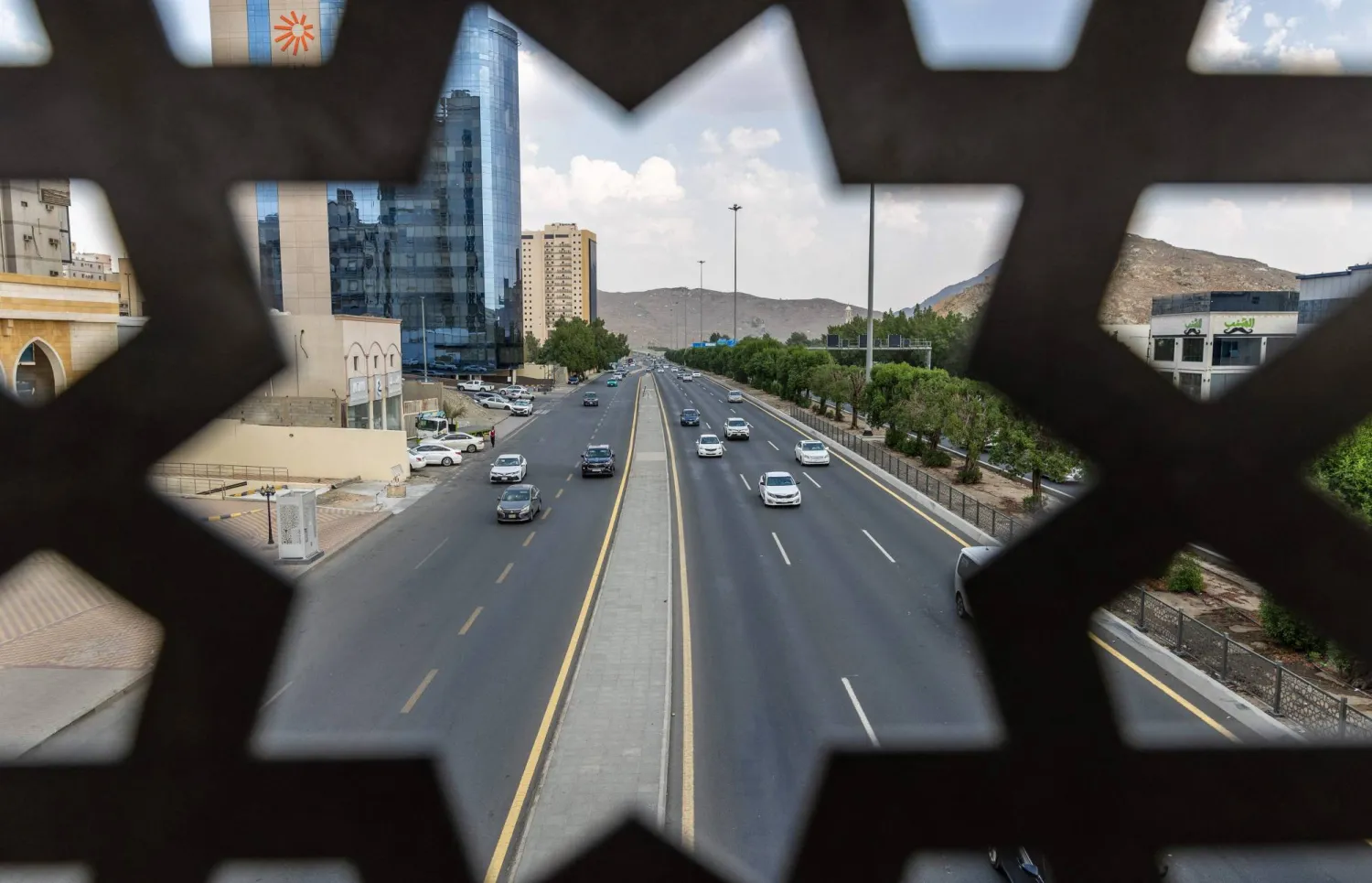
Vehicles drive along a road in Makkah on October 25, 2026. (AFP)
TT

Repeated Houthi Attacks on Makkah, Madinah Deterred by Saudi Air Defense Vigilance

Vehicles drive along a road in Makkah on October 25, 2026. (AFP)

The terrorist Houthi militia's attempts to target the Makkah and Madinah regions with ballistic missiles and drones continue in a blatant assault on Islamic holy sites and a persistent defiance of all red lines and humanitarian and religious norms.

In the latest chapter of this escalation, Saudi air defenses announced on Saturday the interception of two ballistic missiles fired toward Makkah and Madinah. The successful military interception caused shrapnel to scatter across several locations, most notably with fragments falling in Wadi al-Mughammas, roughly 23 kilometers from the Grand Mosque and near the holy site of Arafat.

International and Islamic bodies and institutions strongly condemned the attack. The Muslim World League stressed that targeting the Makkah and Madinah regions is “a flagrant violation of religious sanctity and an assault on the feelings of more than one and a half billion Muslims worldwide.”

For his part, the Secretary-General of the Organization of Islamic Cooperation condemned the Houthi attacks on Makkah, Madinah, Taif, and Jeddah governorates, warning of the dangerous consequences should they continue.

He called on the countries of the Islamic world for collective action and a firm stance to deter the militias and put an end to their practices.

Scholars, clerics, and activists on social media platforms around the world denounced the attempts to target holy sites and civilians, deeming it a crime strictly prohibited by Islamic law and criminalized under the rules of international humanitarian law.

They reaffirmed the Islamic world's full solidarity with Saudi Arabia in all measures it takes to protect its territories and Islamic holy sites.

Wadi al-Mughammas is one of the main valleys in the Tihama plain east of Makkah. It borders the holy site of Arafat from its northeastern and geographically links Arafat with Wadi Hunain.

The valley holds prominent historical significance due to the occurrence of the famous "Year of the Elephant" incident there (around 570–571 AD), the same year that coincided with the birth of Prophet Muhammad.

Historical records note that the campaign commander, Abraha, used Wadi al-Mughammas as a camp for his elephant-equipped army in preparation to advance and demolish the Holy Kaaba, before the campaign ground to a halt in the valley because the elephant refused to advance toward Makkah, and the army subsequently suffered widespread destruction, forcing its remaining remnants to retreat and withdraw toward Yemen.

Ali bin Hamid al-Nafie, undersecretary at the Presidency of Religious Affairs for the Grand Mosque, stated that the repeated cross-border attacks and operations by the Houthi militia are no longer mere fleeting military skirmishes.

Instead, he noted, they reflect a systematic strategy targeting the security and spiritual symbolism of the Makkah and Madinah regions, which serve as the spiritual heartland and year-round destination for millions of visitors and Umrah pilgrims.

The continuous targeting of these areas with ballistic missiles and drones proves the expanding scope of Houthi objectives, which transcend direct battlefield conflict to impact regional security, the stability of the holy sites, and the safety and security of their visitors and pilgrims, Al-Nafie said.

He added that the efficiency of the interceptions demonstrated by Saudi defense systems against all militia attempts reflects the high level of vigilance and advanced readiness of the military and security apparatuses.

Protecting the holy sites and ensuring the safety of their visitors represent a top security and political priority for the Saudi leadership, and these attacks only increase the stringency of preventive and defensive measures to counter any future threats, he remarked.

Dr. Fawaz bin Adel Ghunaim, a researcher and academic at Taibah University in Madinah, stated that the legal and religious status of the Two Holy Mosques represents a foundational pillar in the region's history and legislative framework.

He explained that the protection of these holy sites has been respected and revered throughout the ages, even prior to Islam, when caravans of pilgrims heading to the Kaaba were safeguarded by established customs that criminalized any transgressions against them.

He noted that threats directed at Makkah or Madinah are an explicit violation of the sanctity of these regions, and a crime affecting the spiritual and ideological security of more than one and a half billion Muslims.


Saudi Arabia, Lebanon Discuss Bolstering Security Cooperation

Saudi Minister of Interior Prince Abdulaziz bin Saud bin Naif bin Abdulaziz and his Lebanese counterpart Ahmad Al-Hajjar. (Asharq Al-Awsat)
TT

Saudi Arabia, Lebanon Discuss Bolstering Security Cooperation

Saudi Minister of Interior Prince Abdulaziz bin Saud bin Naif bin Abdulaziz and his Lebanese counterpart Ahmad Al-Hajjar. (Asharq Al-Awsat)

Saudi Minister of Interior Prince Abdulaziz bin Saud bin Naif bin Abdulaziz received on Sunday a telephone call from his Lebanese counterpart Ahmad Al-Hajjar.

Al-Hajjar condemned the blatant attacks targeting Saudi Arabia by the terrorist Houthi militia, stressing his country’s solidarity with the Kingdom.

The two sides discussed the latest developments in the region and stressed the importance of strengthening security cooperation within the framework of their partnership.


King Salman Directs Citizen Support Measures Ahead of 2027 Electricity, Water Tariffs

Custodian of the Two Holy Mosques King Salman bin Abdulaziz Al Saud, and Prince Mohammed bin Salman bin Abdulaziz Al Saud, Crown Prince and Prime Minister. (Asharq Al-Awsat)
TT

King Salman Directs Citizen Support Measures Ahead of 2027 Electricity, Water Tariffs

Custodian of the Two Holy Mosques King Salman bin Abdulaziz Al Saud, and Prince Mohammed bin Salman bin Abdulaziz Al Saud, Crown Prince and Prime Minister. (Asharq Al-Awsat)

Custodian of the Two Holy Mosques King Salman bin Abdulaziz Al Saud, based on a proposal by Prince Mohammed bin Salman bin Abdulaziz Al Saud, Crown Prince and Prime Minister, directed on Sunday a series of support measures for citizens coinciding with Saudi Energy and the National Water Company's announcement of consumption tariff adjustments effective January 1, 2027.

The support measures provide a SAR500 monthly allowance increase for civilian and military personnel across civil service salary scales and operational program contracts, as well as retirees and eligible beneficiaries of deceased subscribers or retirees under the Social Insurance system.

Families receiving Social Security benefits will receive a monthly stipend of SAR500 under established regulatory mechanisms to offset the impact of electricity and water tariff adjustments.

For Saudis working in the private sector, the minimum wage a worker must earn to count fully toward quotas under the Nitaqat Saudization program will rise to SAR5,000 six months after the measures take effect, and to SAR6,000 twelve months after the first increase, boosting wage levels and reinforcing sustainable private-sector employment for citizens.