Riyadh and Rome are moving their economic relations toward a more practical track, with plans for joint cooperation in third markets, alongside expanding channels of cooperation between Saudi and Italian companies, particularly small and medium-sized enterprises.
The move comes as Italy's national promotional institution, Cassa Depositi e Prestiti (CDP), signed two agreements in Riyadh, one with Saudi Arabia's National Development Fund and another with the Federation of Saudi Chambers, aimed at expanding financing and investment cooperation and facilitating companies' access to opportunities in both countries.
A senior Italian official told Asharq Al-Awsat that cooperation between Riyadh and Rome is not limited to the Saudi and Italian markets, but also extends to working together in "third markets." He noted that Saudi Arabia's economic diversification offers broad opportunities for Italian companies, given Italy's diverse industrial base and expertise across multiple sectors.
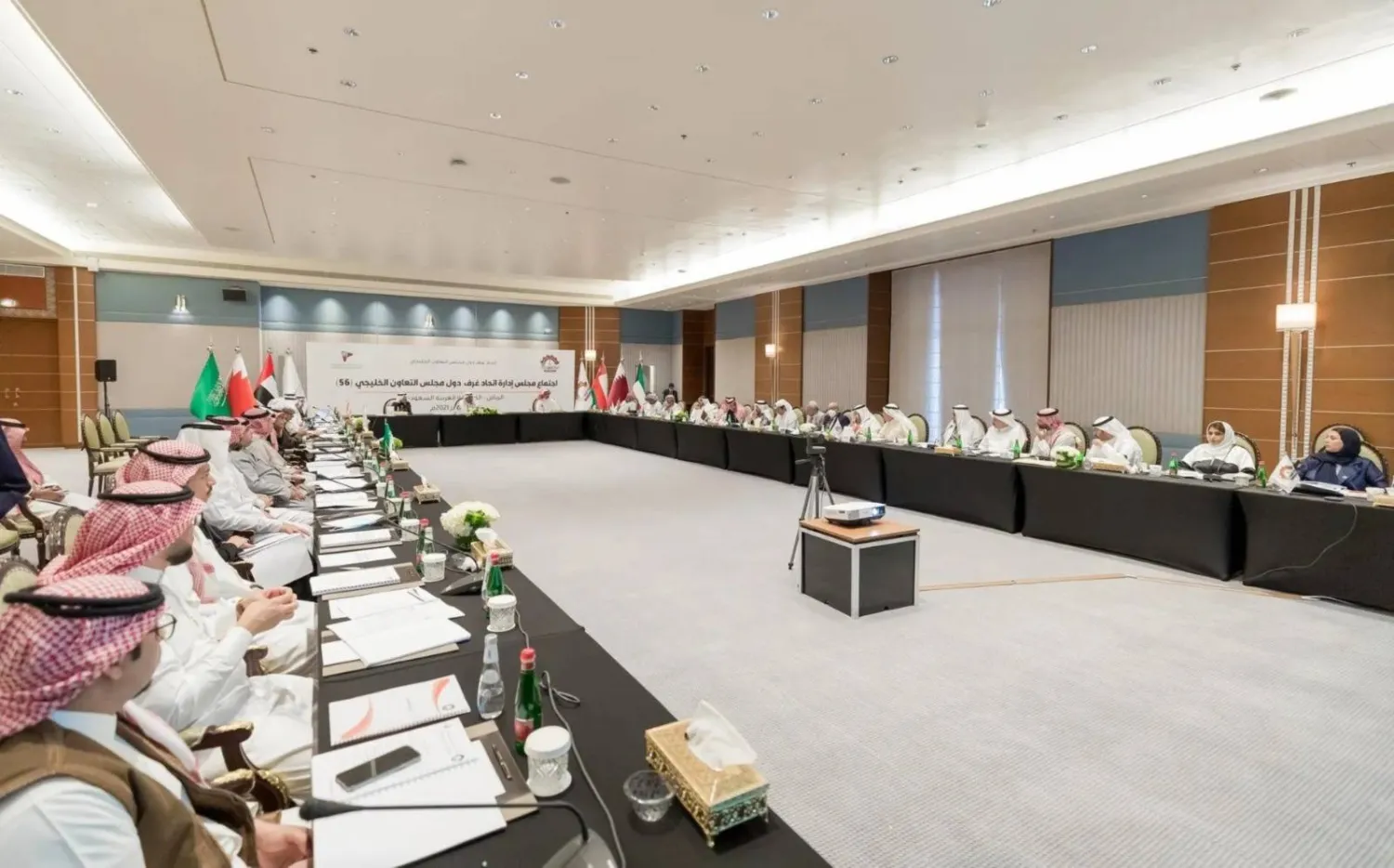
On Wednesday, the Federation of Saudi Chambers and CDP signed an agreement in Riyadh aimed at activating the Saudi-Italian strategic partnership launched in AlUla, opening financing channels for joint projects, integrating small and medium-sized enterprises into cooperation between the two countries, and strengthening the federation's role as the institutional representative of the Saudi private sector in cooperation with its Italian counterpart.
The agreement provides a practical framework for strengthening partnerships between the business sectors of the two countries by supporting a business-matching platform that connects Saudi companies with their Italian counterparts, introducing projects and investment opportunities, and establishing communication channels to help Italian companies explore the Saudi market and facilitate their entry.
CDP is part of the Saudi-Italian strategic partnership launched in AlUla, while the agreement enables the Federation of Saudi Chambers and its Saudi-Italian Business Council to play a greater role in advancing private-sector cooperation between the two countries and turning partnership opportunities into joint projects and business ventures.
Joint Strategic Cooperation
Dario Scannapieco, President of CDP (Cassa Depositi e Prestiti), told Asharq Al-Awsat that cooperation between Italy and Saudi Arabia "is not limited to bringing the two countries closer together or working within the Saudi market, but also includes cooperation in other countries and third markets."
He explained that the Italian delegation's visit to Riyadh has several objectives, foremost among them meeting with investors and strengthening cooperation with Saudi institutions. He said the meeting with the National Development Fund was "very fruitful" and had paved the way for excellent cooperation with it in many fields.
He added that the agreement signed with the Federation of Saudi Chambers represents "a further step" toward moving from institutional cooperation to more operational cooperation, with the aim of helping Italian SMEs that want to explore the possibility of entering Saudi Arabia, providing them with direct contacts and facilitating their access to the market.
"We are launching and revamping a platform that will put Italian SMEs in contact with Saudi SMEs. So business opportunities may develop from this new opportunity. This is another signal that Italy and Saudi Arabia must cooperate more," Scannapieco said.
He noted that there are many opportunities for cooperation between Italy and Saudi Arabia through Cassa Depositi e Prestiti, Italy's national promotional institution, adding that CDP is working to foster this cooperation and expand its scope.
Regarding the agreement's details, Scannapieco said its first objective is to support and expand the business-matching platform, which will connect Saudi SMEs with Italian SMEs and help them identify potential partners.
"The second is the idea to work on selected projects here in Saudi Arabia and allow Italian companies to know about these projects. The Expo is one of this kind where clearly Italian projects may be involved," he said.
"The third is to create a contact point between these two organizations, so to iron out all the doubts and to clearly push developing this relationship." He explained that when an Italian company wants to enter the Saudi market, it needs support in obtaining authorizations and handling other requirements.
"So it's very concrete, goes in the direction to make easier the access to Saudi Arabia for Italian companies," he said.
On the extent to which the strategic relationship between the two countries can help address challenges that may arise in the region, Scannapieco said Italy has "a very diversified industrial base" and produces a wide range of products.
"We are the third most diversified industry after China and the United States," he said.
This diversity, he added, enables Italian companies to provide specialized technical expertise and become useful partners in efforts to diversify the Saudi economy. "We could be extremely valuable partners."
He said the next phase requires bringing the Italian business sector's presence in Saudi Arabia to a broader level. Many large companies are already present in the Kingdom, he noted, but "now is the time to also give the opportunity to SMEs to internationalize in this region," thereby expanding the base of economic cooperation between the two countries.
Saudi-Italian Partnership Moves Toward Implementation
Kamel Al-Munajjed, Chairman of the Saudi-Italian Business Council, told Asharq Al-Awsat that the agreement is a direct extension of the meeting held in AlUla in January 2025 between Crown Prince and Prime Minister Mohammed bin Salman and Italian Prime Minister Giorgia Meloni, which elevated relations between the two countries to the level of a strategic partnership and made economic relations one of its main pillars.
He added that the agreement signed Wednesday between CDP and the Federation of Saudi Chambers represents a practical step toward strengthening cooperation between the business sectors of the two countries and provides a new channel for turning existing relations into commercial and investment partnerships and projects.
Al-Munajjed said the agreement strengthens the partnerships built by the Saudi-Italian Business Council with Confindustria and CNA through delegations, forums, and direct business meetings. He noted that CDP's capabilities and the scope of the Federation of Saudi Chambers' work would help turn these links into more sustained business opportunities.
He said the agreement offers two main advantages. The first is CDP's business-matching platform, which allows Saudi and Italian companies to enter information about their capabilities and business interests and then identify potential partners whose needs match those capabilities.
The platform can shorten the path for companies seeking suitable partners. A Saudi industrial company looking for Italian technology, for example, can identify companies capable of meeting its needs, while an Italian company seeking to enter the Saudi market can search for a local partner. The federation and the business council will work to encourage companies to use the platform and follow up on cooperation opportunities that emerge through it.
The second advantage, Al-Munajjed said, is strengthening cooperation with SIMEST, a subsidiary of the CDP Group. Its presence in Riyadh and support for the international expansion of Italian companies could help more companies, particularly SMEs, establish and expand their businesses in Saudi Arabia.
He added that the joint channel provided by the agreement will enable Saudi companies seeking to trade, invest, or operate in Italy to reach suitable Italian partners and identify new opportunities. He called on the Saudi business community to take advantage of the partnership and work to turn it into sustainable projects and shared growth opportunities.
Al-Munajjed said Italian companies have specialized expertise in engineering, technology, and manufacturing, while Saudi companies provide knowledge of the local market and the ability to expand. Opportunities for cooperation extend to trade, infrastructure, telecommunications, industry, energy, tourism, and other sectors.
He added that Expo 2030 Riyadh represents an important opportunity to bring these capabilities together and open new areas for companies in both countries. He stressed that the priority now is to move to implementation by bringing companies onto the platform, identifying priority sectors, establishing clear points of contact, and following promising opportunities through to actual projects.