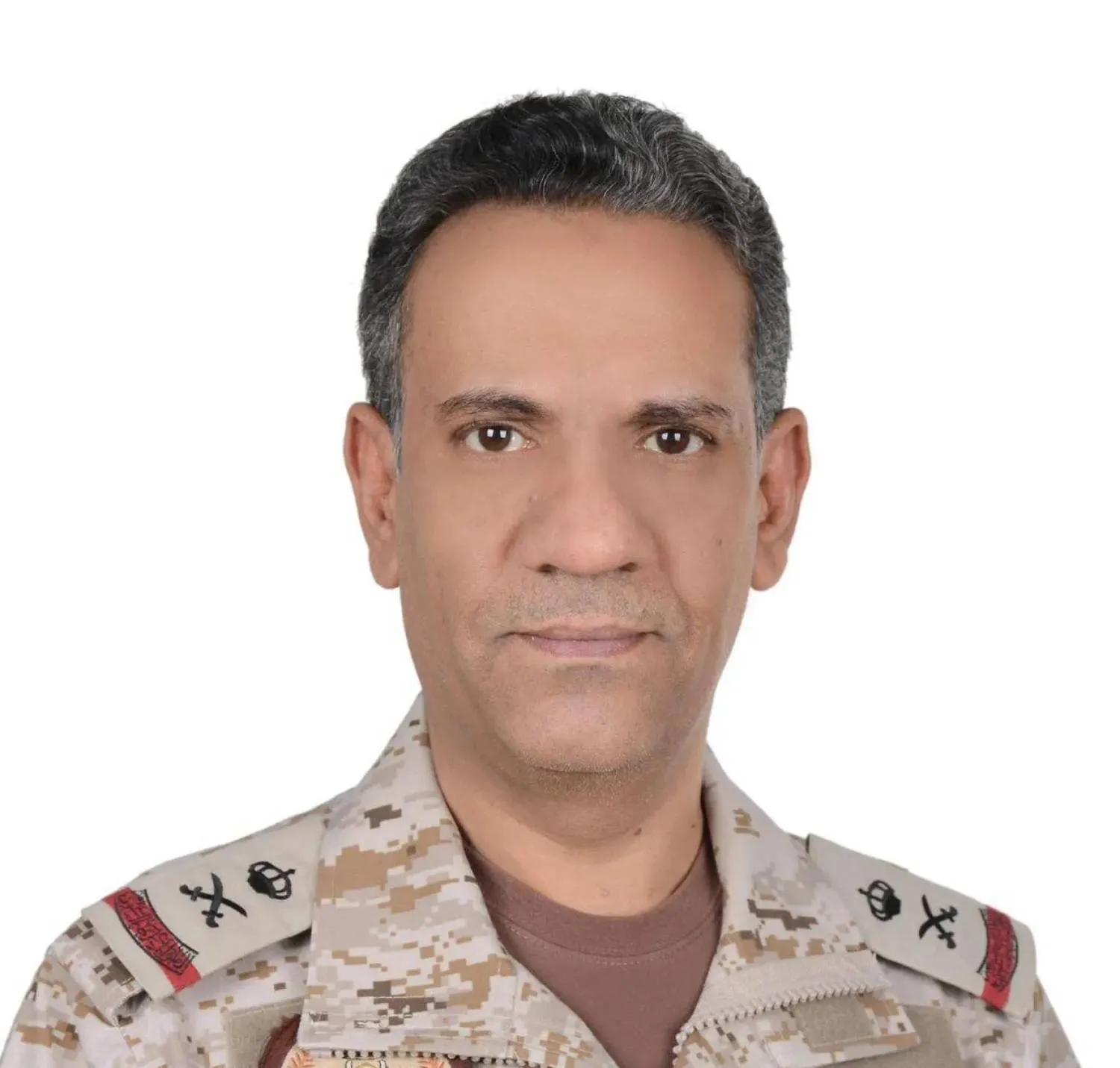

Saudi Adviser Hassan Yassin, Testament to Kingdom’s Modern History, Passes Away

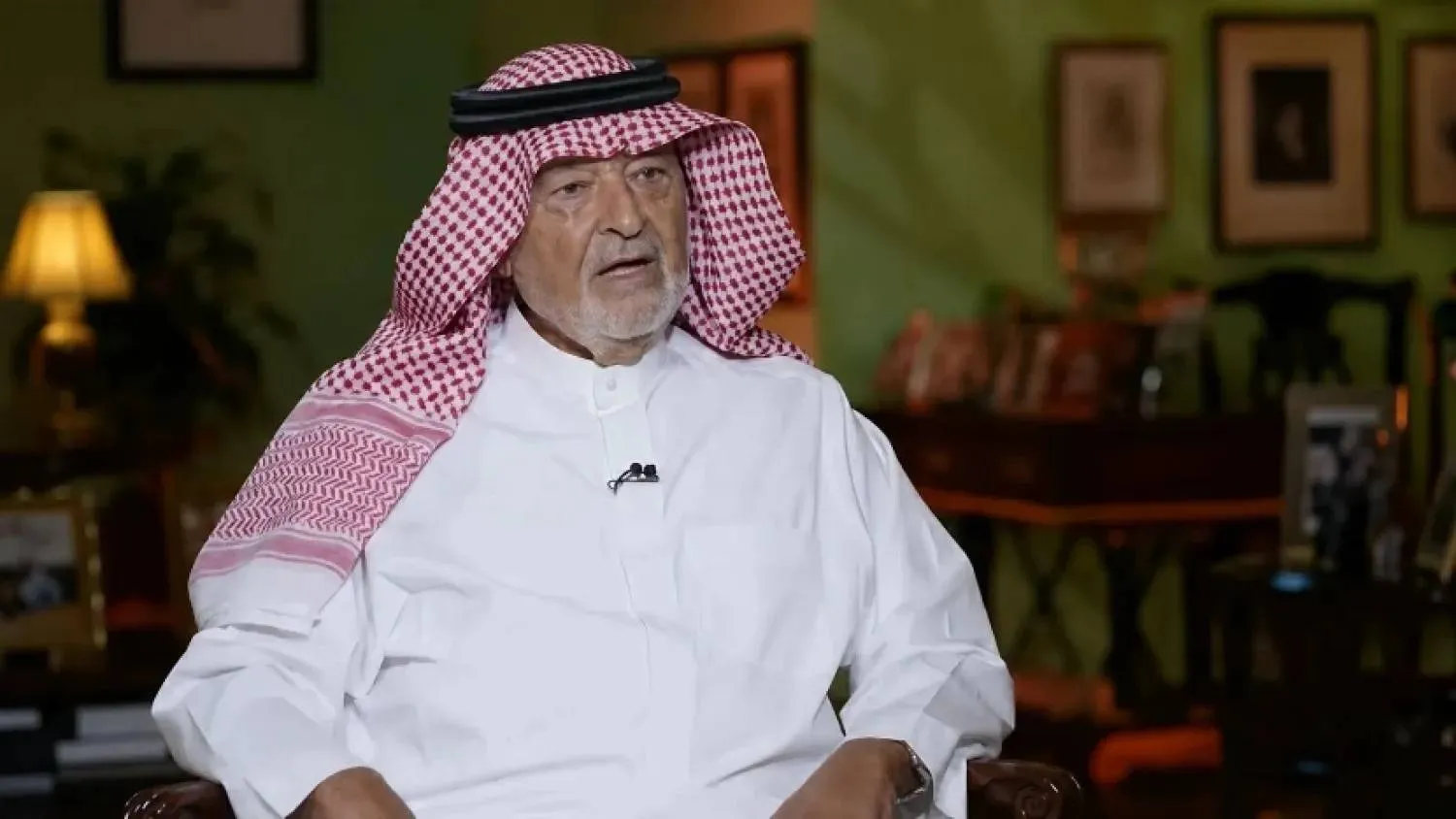
The late Hassan Yassin speaking during a television interview (Rotana TV screen grab) 
TT

Saudi Adviser Hassan Yassin, Testament to Kingdom’s Modern History, Passes Away

The late Hassan Yassin speaking during a television interview (Rotana TV screen grab) 

Saudi adviser Hassan bin Youssef Yassin passed away after a life closely intertwined with the history and development of Saudi Arabia, during which he witnessed the reigns of successive Saudi kings and devoted his life to serving the Kingdom.

He represented the continuation of a family legacy rooted in the career of his father, Sheikh Youssef Yassin, the close political adviser to King Abdulaziz Al Saud, founder of the modern Saudi state, and one of the prominent figures of the Kingdom’s founding political and diplomatic era.

Born in Makkah around 1934, Hassan Yassin began his professional career as director of the office of Saudi Oil Minister Abdullah Tariki before going on to establish the Saudi media office in Washington.

Yassin combined politics, history and media throughout his career, reflecting the broad intellectual outlook that distinguished his father. He was also among the opinion writers for Asharq Al-Awsat newspaper.

He belonged to the first generation of Saudis educated abroad, studying at Brooklyn University in the United States during the 1950s before returning to Saudi Arabia to work in the oil sector.

During the 1960s and 1970s, he lived in Washington, where he founded the Saudi media office and developed extensive relationships with members of the US House of Representatives and Senate, as well as senior American officials.

He invested those ties in support of Saudi positions and policy issues, leaving a notable impression on diplomatic circles in the US capital.

Hassan Yassin received his early education in Makkah and Taif before enrolling at Victoria College in Egypt, one of Alexandria’s oldest and most prestigious English-language schools. There, he studied in the same classroom as Jordan’s late King Hussein.

During his childhood and youth in Riyadh, Yassin became closely connected to the social environment surrounding King Abdulaziz because of his father’s role as adviser to the founder king.

He spent part of his childhood in the mud-brick homes of Al-Murabba district, while leisure during that period often took the form of desert outings to Jabal Abu Makhrouq, Riyadh’s oldest park, rising about 50 meters above the surrounding landscape.

His father, Youssef Yassin, emerged as one of the influential political figures in King Abdulaziz’s inner circle and contributed to both domestic and foreign policy.

He accompanied the founder king on his early journeys to the Hijaz region, witnessed the handover of Jeddah in 1925 and participated, alongside a group of advisers, in administering the city during the early years of Saudi unification.

Against the backdrop of his father’s long public career, Hassan Yassin grew up immersed in the details and inner workings of Saudi politics from an early age.

He became familiar with many of the pivotal moments that shaped the establishment and evolution of the Kingdom, and his role deepened further through his close association with former Saudi Foreign Minister Prince Saud Al Faisal and his involvement in major and sensitive political issues.

Yassin recorded his memories and experiences in memoirs published in English, documenting many of the milestones and events he witnessed throughout his life.

With his passing on Sunday, he left behind the legacy of a long national and professional journey marked by service, dedication and achievement.


Saudi, Swedish FMs Stress Importance of Intensifying Int’l Efforts to End Regional Escalation

Saudi Minister of Foreign Affairs Prince Faisal bin Farhan bin Abdullah and his Swedish counterpart Maria Malmer Stenergard meet in Riyadh on Tuesday. (SPA)
TT

Saudi, Swedish FMs Stress Importance of Intensifying Int’l Efforts to End Regional Escalation

Saudi Minister of Foreign Affairs Prince Faisal bin Farhan bin Abdullah and his Swedish counterpart Maria Malmer Stenergard meet in Riyadh on Tuesday. (SPA)

Saudi Minister of Foreign Affairs Prince Faisal bin Farhan bin Abdullah received in Riyadh on Tuesday his Swedish counterpart Maria Malmer Stenergard for talks on regional developments.

They underlined the importance of intensifying international efforts to de-escalate tensions to preserve regional peace and stability.

They FMs also tackled the bilateral relations between their countries and ways to bolster them in various fields.

Stenergard stressed Sweden’s condemnation of the Iranian attacks in the region, expressing its solidarity with the affected countries and the need for navigation to return to normal in the Strait of Hormuz.

The ministers also reviewed the humanitarian situation in Gaza and the Israeli attacks on Lebanon.

Also on Tuesday, Prince Faisal received a telephone call from his Egyptian counterpart Badr Abdelatty to discuss regional developments.

They underscored the importance of intensifying efforts to de-escalate tensions in a manner that preserves regional peace and security.


Swedish FM to Asharq Al-Awsat: We Stand in Full Solidarity with Saudi amid these Difficult Times

Swedish Foreign Minister Maria Malmer Stenergard. (Turky Al-Agili)
TT

Swedish FM to Asharq Al-Awsat: We Stand in Full Solidarity with Saudi amid these Difficult Times

Swedish Foreign Minister Maria Malmer Stenergard. (Turky Al-Agili)

Swedish Foreign Minister Maria Malmer Stenergard stressed her country’s full solidarity with Saudi Arabia amid the difficult conditions in the region, adding that the Kingdom was a “highly valued partner and interlocutor on regional and global issues”.

In an interview to Asharq Al-Awsat, she said: “I have long planned to visit Saudi Arabia and I am very pleased to finally be here. It is important for me to be able to personally convey my government’s sincere support and solidarity with Saudi Arabia in current difficult times.”

“We commend the Kingdom’s resilience and commitment to support dialogue and peaceful solutions. Sweden and Saudi Arabia share a joint interest in global peace and stability within a rules-based international order. During my discussion with Foreign Minister Prince Faisal bin Farhan bin Abdullah, I have also been able to outline Sweden’s approach to major international conflicts, including our strong support to Ukraine,” she added.

“I also wanted to meet with additional representatives in the very diverse group of Swedish or ‘Swede-tech’ companies present in Saudi Arabia, such as Envac, Getinge, TetraPak and Hitachi Energy. I wanted to express my sincere gratitude for their contribution to the impressive development of Saudi Arabia and for being excellent ambassadors of Sweden’s spirit of innovation and building a better future,” she continued.

On Saudi-Swedish relations and aspects of cooperation, Stenergard said: “Swedish- Saudi relations are excellent and ever-expanding. Saudi Arabia has for a long time been one of Sweden’s largest trading partners in the MENA region. Swedish companies, like Ericsson and ABB, have been present in the Saudi market since the 1950’s and 60’s and continue to bring jobs to Saudis across the Kingdom.”

US-Israel war on Iran

On the US-Israel war on Iran, she said: “Sweden views the situation with great concern. Sweden’s position is clear: we urge all parties to continue talks and pursue a diplomatic solution.”

“There is a strong global urge and interest that these efforts, as soon as possible, lead to sustainable peace. Any final arrangement must address key concerns, such free navigation in the Strait of Hormuz, ensuring that Iran does not acquire nuclear weapons and that Iran does not pose a threat to regional and international security,” she stated.

On whether Sweden would be involved in ensuring freedom of navigation in the Strait of Hormuz, the Red Sea and the Bab el-Mandeb strait, she replied: “Sweden is engaged in efforts to uphold freedom of navigation in the region, such as the French British initiative, together with Saudi Arabia.”

“We continue to assess how Sweden can best contribute. As a member of the European Union, Sweden contributes to the EU led Operation Aspides in the Red Sea, which aims to safeguard maritime security and ensure continued freedom of navigation through key waterways such as the Red Sea and the Bab el-Mandeb strait,” Stenergard went on to say.

NATO summit

Asked about the outcomes of the recent NATO summit in Sweden, she told Asharq Al-Awsat: “Sweden is happy to have hosted a productive meeting of the NATO Ministers of Foreign Affairs in Helsingborg. The meeting was an important milestone on the road to the NATO Summit in Ankara.”

“We are pleased that Sweden could facilitate a meeting that allowed for open and constructive discussions. Hosting our first NATO meeting at ministerial level is an expression of Sweden’s ambition to be an active and constructive NATO ally,” she added.

Lebanon-Israel negotiations

Turning to the future of the Israeli and Lebanese negotiations, she stressed that she was “deeply concerned about the situation on the ground, including the large-scale demolition of villages in southern Lebanon, and the very large number of internally displaced people.”

“The Swedish position is clear: the ceasefire must be respected and talks on a long-term solution need to continue. Israel must withdraw from Lebanese territory and respect Lebanon’s sovereignty and territorial integrity,” she demanded.

“At the same time, a sustainable peace requires the disarmament of Hezbollah, in line with UN Security Council resolutions and decisions by the Lebanese government. There can only be a diplomatic solution to this conflict,” she said.


Oman, Kuwait Support Stability, Dialogue to Tackle Regional Challenges

Omani Foreign Minister Badr bin Hamad Al Busaidi and his Kuwaiti counterpart Sheikh Jarrah Jaber Al Ahmad Al Sabah sign the MoU during their meeting on Monday. (ONA)
TT

Oman, Kuwait Support Stability, Dialogue to Tackle Regional Challenges

Omani Foreign Minister Badr bin Hamad Al Busaidi and his Kuwaiti counterpart Sheikh Jarrah Jaber Al Ahmad Al Sabah sign the MoU during their meeting on Monday. (ONA)

Oman and Kuwait stressed on Monday the importance of maintaining coordination and consultations, bolstering security and stability, and supporting dialogue and diplomacy to tackle challenges in the region.

The countries held the 11th session of the Oman-Kuwait Joint Committee in Al Jabal Al Akhdar in Oman. It was chaired by Omani Foreign Minister Badr bin Hamad Al Busaidi and his Kuwaiti counterpart Sheikh Jarrah Jaber Al Ahmad Al Sabah.

The meeting addressed the deep-rooted fraternal relations between their countries. The officials discussed ways to boost bilateral cooperation in a number of fields to serve common interests, in translation of the aspirations of the wise leaderships of Oman’s Sultan Haitham bin Tarik and Kuwait’s Emir Sheikh Mishal Al Ahmad Al Jaber Al Sabah, reported Oman’s state news agency ONA.

Al Busaidi said that the meeting was held in implementation of the supreme directives of the leaderships of the two countries, calling for deepening bilateral cooperation, particularly in the economic, commercial, cultural, and scientific fields, and exchanging expertise to achieve greater integration and partnership between Oman and Kuwait.

He pointed out that the regular convening of the joint committee reflects the attention and care it receives from the leaderships of both countries, and embodies the joint commitment to strengthening its role as an effective institutional framework to propel cooperative relations toward more advanced and comprehensive levels.

For his part, Sheikh Jarrah stressed that the two countries' celebration this year of the 55th anniversary of their diplomatic relations reflects the development and growth of their ties.

The FMs said that Omani-Kuwaiti relations are a model of sincere fraternal bonds among the countries of the Gulf Cooperation Council.

They signed a memorandum of understanding in the field of cybersecurity, and an executive program in the field of standardization.