


OIC Warns Against Israel's Seizure of Palestinian Holy Sites, Properties Near Al-Aqsa Mosque

OIC Warns Against Israel's Seizure of Palestinian Holy Sites, Properties Near Al-Aqsa Mosque
TT

OIC Warns Against Israel's Seizure of Palestinian Holy Sites, Properties Near Al-Aqsa Mosque

OIC Warns Against Israel's Seizure of Palestinian Holy Sites, Properties Near Al-Aqsa Mosque

The General Secretariat of the Organization of Islamic Cooperation (OIC) warned against the Israeli occupation's seizure of historical buildings, Palestinian properties, and Islamic endowments surrounding Al-Aqsa Mosque.

The general secretariat affirmed that these plans are part of Judaization policies aimed at imposing new demographic and geographic realities on the ground to alter the identity of the Old City in occupied Al-Quds, undermine the historical and legal status of the holy sites, and erase the deep-rooted civilizational, historical, and cultural heritage of the Palestinian people there, SPA reported.

The OIC strongly condemned the Israeli occupation authorities' approval of a settlement plan to convert the forcibly seized headquarters of the United Nations Relief and Works Agency for Palestine Refugees in the Near East (UNRWA) in occupied Jerusalem into a museum and headquarters for the so-called "Israeli Ministry of Security."

The organization stressed that Israel has no sovereignty over occupied Al-Quds and that these measures constitute an extension of racist policies aimed at undermining UNRWA's mandate, facilities, staff, and role, in flagrant violation of the United Nations Charter, relevant resolutions, and the advisory opinion of the International Court of Justice.

The OIC renewed its call on all active international parties to intervene immediately to compel the Israeli occupation to halt these ongoing crimes and violations against occupied Al-Quds, its people, and its Islamic and Christian holy sites and historical landmarks.

It also affirmed the need to protect UN institutions operating in the occupied Palestinian territory, foremost among them UNRWA, and enable them to fulfill their mandate without hindrance.


Saudi Foreign Minister Receives Phone Call from Iranian Counterpart

Saudi Minister of Foreign Affairs Prince Faisal bin Farhan bin Abdullah. (file photo)
TT

Saudi Foreign Minister Receives Phone Call from Iranian Counterpart

Saudi Minister of Foreign Affairs Prince Faisal bin Farhan bin Abdullah. (file photo)

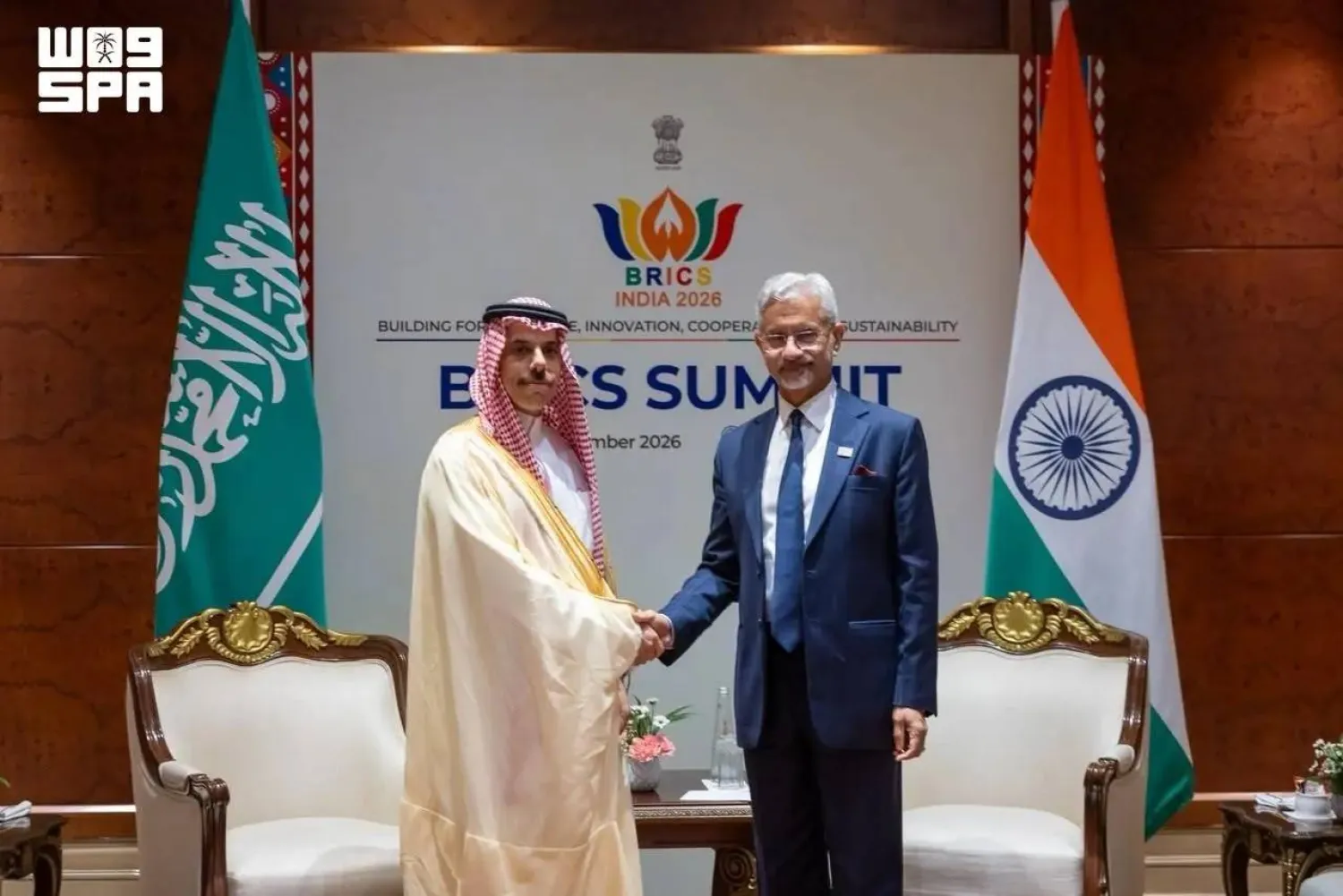
Saudi Minister of Foreign Affairs Prince Faisal bin Farhan bin Abdullah received a phone call from Minister of Foreign Affairs of the Islamic Republic of Iran Abbas Araghchi.

During the call, Prince Faisal welcomed the agreement reached between the Islamic Republic of Iran and the United States of America to end military operations and commence detailed negotiations to reach a permanent agreement, expressing the Kingdom’s aspiration to achieve peace that enhances the security of the region and the world, SPA reported.

The two ministers also reviewed regional developments and underscored the importance of continuing joint efforts to achieve lasting and sustainable stability in the region.


Saudi Arabia Welcomes US-Iran Deal to End Military Operations

A view of Riyadh, Saudi Arabia. (SPA)
TT

Saudi Arabia Welcomes US-Iran Deal to End Military Operations

A view of Riyadh, Saudi Arabia. (SPA)

Saudi Arabia welcomed on Monday the agreement reached between the United States and Iran to end their military operations and kick off 60-day negotiations to reach a lasting deal.

A Foreign Ministry statement said the Kingdom hailed the mediation led by Pakistan and Qatar, praising at the same time the US and Iran’s receptiveness to those efforts that helped lead to the agreement.

It stressed the importance of restoring security and freedom of navigation in the Strait of Hormuz to the way they were before February 28 when the war erupted, saying they were essential for regional security and ensuring the movement of global trade and energy.

Saudi Arabia hoped the upcoming negotiations would achieve lasting peace that would consolidate regional and global security through understandings that take into account the region’s security interests and consolidate respect for the sovereignty of nations and non-interference in their internal affairs.


GCC Launches Platform for Unified Review of Gulf Legislation

Secretary General of the Gulf Cooperation Council (GCC) Jasem Albudaiwi (4th from right) and other officials are seen at Sunday's launch. (GCC)
TT

GCC Launches Platform for Unified Review of Gulf Legislation

Secretary General of the Gulf Cooperation Council (GCC) Jasem Albudaiwi (4th from right) and other officials are seen at Sunday's launch. (GCC)

Secretary General of the Gulf Cooperation Council (GCC) Jasem Albudaiwi launched on Sunday the "Gulf Legislation Platform" that allows the review of unified Gulf legislation issued within the framework of joint Gulf action.

It provides a unified electronic reference that helps in supporting legislative and legal work across Gulf countries, said a statement by the GCC General Secretariat.

During the launch at the General Secretariat headquarters, Albudaiwi hailed the efforts of those in charge of the initiative, which came in implementation of the decision of the Standing Committee of Officials of Legislation Departments in the GCC States at its 19th meeting.

The committee had approved the General Secretariat's proposal to establish this specialized platform to streamline access to unified Gulf and national legislation.

The platform provides advanced search services that enable government and legal entities in the member states, alongside specialists, researchers, and those interested in legislative affairs, to access and review unified Gulf legislation and national legislation with efficiency and ease.

This boosts the exchange of legal expertise and supports legislative coordination and integration among the Council states. The platform currently boasts more than 24,700 legal and legislative documents.

The first phase of the project covers Bahrain and Oman, while the relevant authorities at the General Secretariat continue to work on completing the link with the remaining member countries.
