


Yemeni Minister to Asharq Al-Awsat: Hajj Pilgrims Have Been Registered Away from Political, Sectarian Affiliations

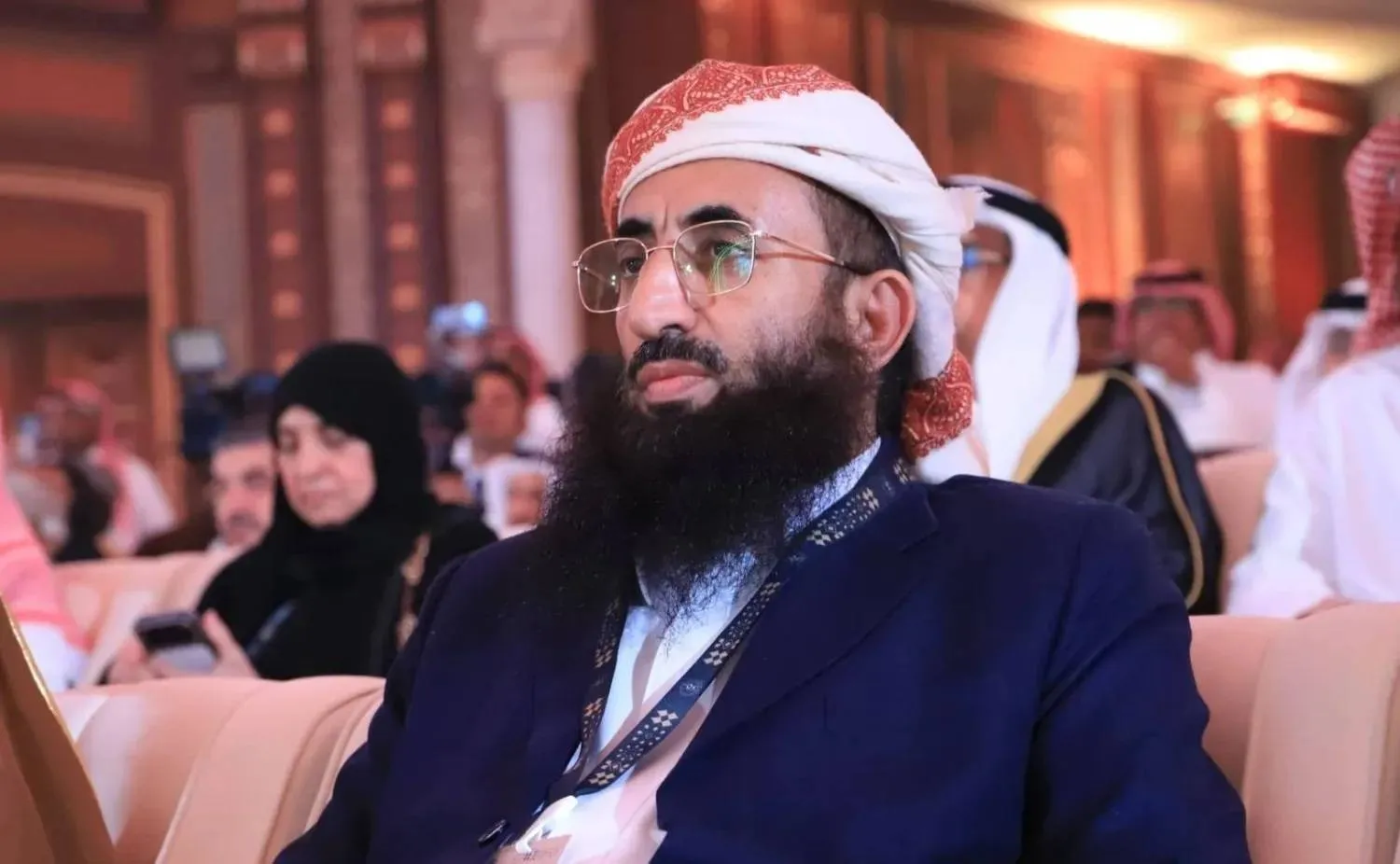
Yemeni Minister of Awqaf and Guidance Sheikh Turki bin Abdullah Al-Wadaei. (Yemeni Ministry of Awqaf and Guidance)
TT

Yemeni Minister to Asharq Al-Awsat: Hajj Pilgrims Have Been Registered Away from Political, Sectarian Affiliations

Yemeni Minister of Awqaf and Guidance Sheikh Turki bin Abdullah Al-Wadaei. (Yemeni Ministry of Awqaf and Guidance)

Yemeni Minister of Awqaf and Guidance Sheikh Turki bin Abdullah Al-Wadaei stressed that Hajj pilgrims from his country have been registered regardless of their political and sectarian affiliations.

In remarks to Asharq Al-Awsat, he added that his ministry was dealing with pilgrims from Houthi-held regions as Yemeni citizens and they are offered the same facilitations and services like all other citizens.

The ministry applies justice and equality away from political, partisan, and sectarian slogans, he declared. “Hajj is about worship, not slogans,” said the minister.

The ministry hopes that all pilgrims will be able to perform the Hajj smoothly and at ease, and that they return home safely.

Al-Wadaei revealed that 21,098 Yemeni’s have been registered to perform this year’s Hajj.

Moreover, he praised the facilitations that were offered to Yemeni pilgrims and the warm welcome they were accorded in Saudi Arabia.

He noted that their entry to the Kingdom, whether by land or air, was smooth, reflecting the facilitations offered by local authorities.

He hoped that God Almighty will bless the Kingdom, its leadership and people for the efforts they have invested in making the Hajj a smooth journey.

The Yemeni pilgrims have hailed the smooth measures and warm welcome from the moment they arrived in the Kingdom, saying the services have eased the burdens of travel and demonstrated Saudi generosity and hospitality.

The integrated and advanced border services and procedures have ensured that pilgrims from Yemen are registered in a short time and in an organized manner.

Upon their arrival at the Wadiah border crossing, the Yemeni pilgrims are welcomed with a variety of services, such as guidance, warm meals, cold and hot beverages, and souvenir gifts of their journey.


Di Maio Tells Asharq Al-Awsat: Saudi Summit to Drive More Ambitious Gulf-EU Partnership

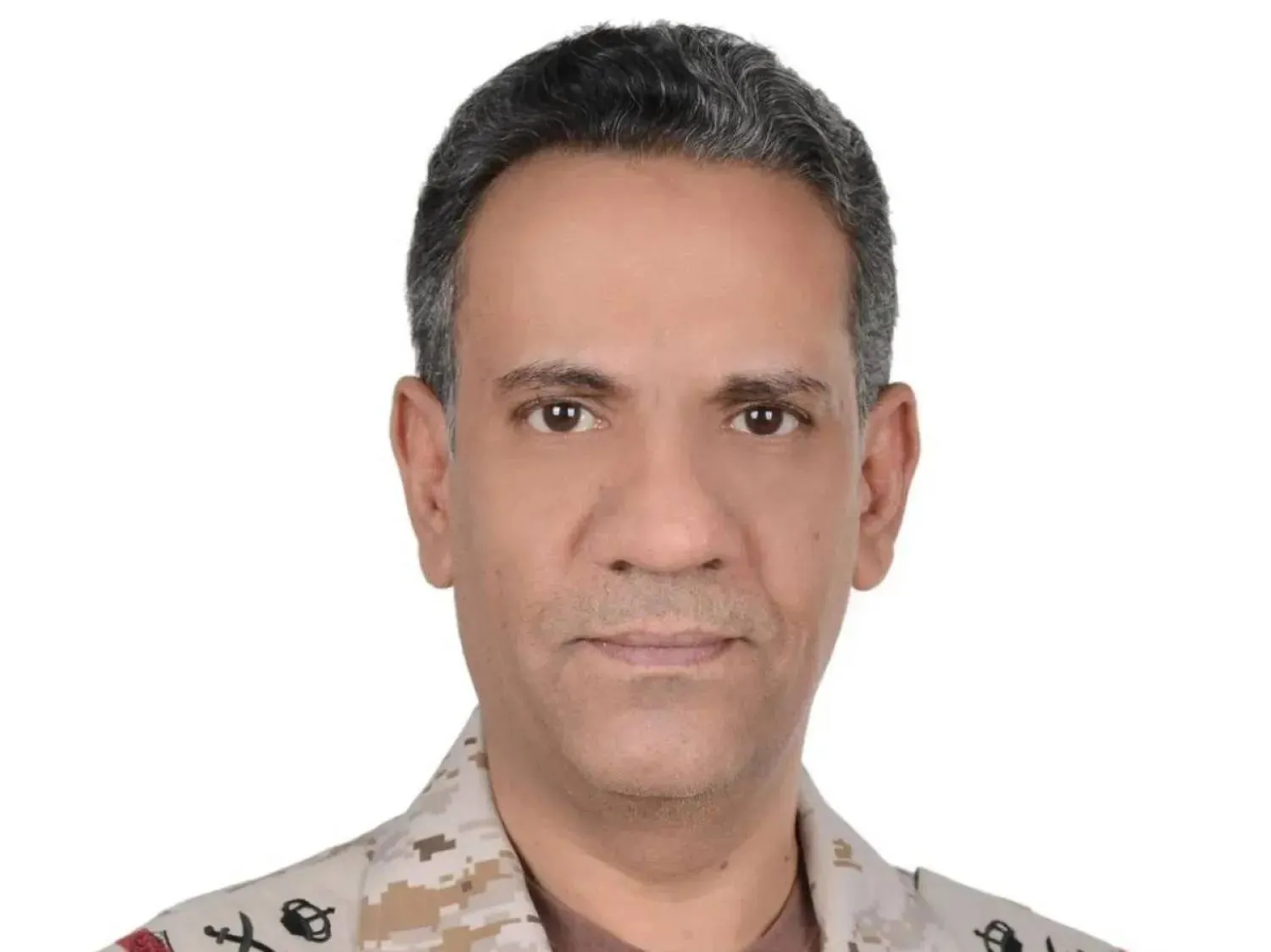
Geopolitical shifts call for stronger cooperation between Europe and Gulf states, Di Maio says (Gulf Research Center)
TT

Di Maio Tells Asharq Al-Awsat: Saudi Summit to Drive More Ambitious Gulf-EU Partnership

Geopolitical shifts call for stronger cooperation between Europe and Gulf states, Di Maio says (Gulf Research Center)

The upcoming Gulf-EU summit in Saudi Arabia carries added weight amid regional turmoil, with both sides seeking a stronger partnership spanning security, defense, the economy, new technologies and artificial intelligence, said Luigi Di Maio, the European Union’s special representative for the Gulf region.

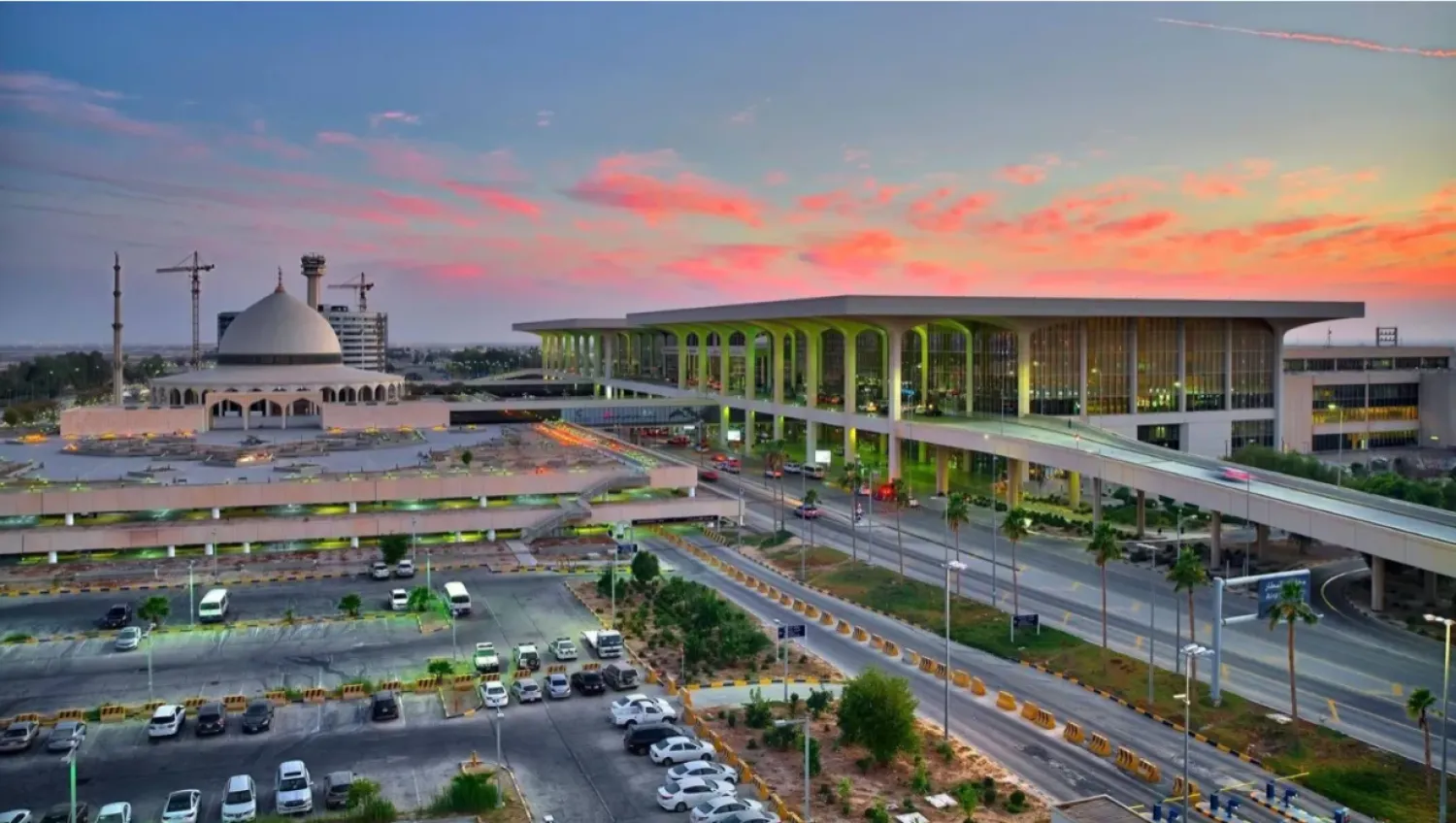
Speaking to Asharq Al-Awsat on Wednesday at the Saudi-European Foresight Dialogue in Riyadh, organized by the Gulf Research Center and the EU, Di Maio said European leaders’ attendance would underscore the importance both sides placed on their ties.

It would also signal solidarity and political support for countries in the region, particularly Saudi Arabia, amid current developments.

Riyadh will host the second Gulf-EU summit in October, bringing together monarchs and heads of state and government from both sides.

Di Maio said regional conditions made the summit all the more important, with European leaders’ participation demonstrating both the strength of the relationship and support for Gulf countries, especially Saudi Arabia.

High ambitions

The summit comes two years after the first meeting of the Gulf Cooperation Council and EU leaders in Brussels, which set the stage for regular summits.

Di Maio said that the meeting established a two-year cycle, with Saudi Arabia set to host the second summit.

He declined to disclose the main agenda items while preparations and negotiations were underway, but said both sides wanted a highly ambitious summit.

Geopolitical upheaval

Di Maio linked closer Gulf-EU ties to rapid shifts in the international order, saying the two regions faced shared security challenges that demanded stronger cooperation.

He described a new era in which the world was moving from multilateralism toward a multipolar order, exposing Europe and the Gulf to upheaval from accelerating geopolitical changes.

Both regions would be better placed to confront those challenges together, he said, with each needing stronger cooperation with the other.

From defense to AI

Di Maio said the scope for cooperation extended well beyond politics and security, encompassing the economy, defense, ties between people and modern technologies.

He called for stronger partnerships across those fields, including the race in artificial intelligence, as well as closer links between universities and businesses in the two regions.

Many initiatives were already underway among European and Gulf institutions, companies and communities, he said.

The time had come to bring them into a more structured, integrated partnership, building on the strategic partnership for peace and prosperity agreed by leaders at the first summit.

Greater European involvement

Abdulaziz bin Sager, chairman of the Gulf Research Center, called for Gulf-EU agreement on key regional issues.

He pointed to France’s support for Saudi efforts toward a two-state solution and work to advance it in New York, alongside several countries’ recognition of a Palestinian state.

In a separate interview with Asharq Al-Awsat, bin Sager said priorities included building a shared understanding of Gulf security and addressing Iranian attacks on regional countries, the closure of the Strait of Hormuz and Tehran’s use of proxies to obstruct shipping through the Bab al-Mandab Strait.

Those actions affected the global economy, freedom of navigation and political positions, he said.

He called for commitments to translate into active participation in safeguarding maritime navigation. The European Aspides mission was a capable force, he said, but needed to double its capabilities.

“Europeans also benefit from the security of maritime routes. Protecting navigation is an international responsibility, not Saudi Arabia’s alone,” he said.


Saudi Crown Prince to Deliver Annual Royal Address of Shura Council’s Ninth Session

Custodian of the Two Holy Mosques King Salman bin Abdulaziz Al Saud and Saudi Crown Prince Mohammed bin Salman bin Abdulaziz (AAWSAT)
TT

Saudi Crown Prince to Deliver Annual Royal Address of Shura Council’s Ninth Session

Custodian of the Two Holy Mosques King Salman bin Abdulaziz Al Saud and Saudi Crown Prince Mohammed bin Salman bin Abdulaziz (AAWSAT)

On behalf of Custodian of the Two Holy Mosques King Salman bin Abdulaziz Al Saud, Prince Mohammed bin Salman bin Abdulaziz Al Saud, Crown Prince and Prime Minister, will deliver on Wednesday, the annual Royal Address marking the opening of the third year of the Shura Council's ninth session.

On this occasion, Speaker of the Shura Council Sheikh Dr. Abdullah bin Mohammed bin Ibrahim Al Al-Sheikh expressed, on his own behalf and on behalf of the Shura Council's officials and members, his deepest thanks and appreciation to the Custodian of the Two Holy Mosques and the Crown Prince for the generous support and care accorded to the Shura Council.

He expressed his great pride in the Crown Prince honoring the Shura Council with his presence and delivering the annual Royal Address on behalf of the Custodian of the Two Holy Mosques, affirming that the occasion reflects the leadership's attention to the council and its role in the national work process.

“The annual Royal Address represents a national reference that guides the Shura Council in carrying out its mission and serving the nation and citizens, as it sets out the state's directions and priorities,” the Shura Council speaker said.

He noted that over the years, the address has gained an established standing as a comprehensive national document that reviews the Kingdom of Saudi Arabia's policies and directions, keeps pace with its rapid development and transformation, and guides the council's work in developing the legislative system and enhancing performance efficiency, contributing to the achievement of the objectives and future aspirations of Saudi Vision 2030.

He also indicated that during the second year of the ninth session, the council continued to carry out its legislative and oversight functions, holding 46 sessions during which it issued 555 decisions addressing the annual reports of government agencies, laws and regulations, and memoranda of understanding and cooperation. These efforts contributed to improving performance and supporting Saudi Arabia's comprehensive development process.

He stated that the council's specialized committees played an active role in studying matters referred to the council. During the past Shura year, they held 376 meetings attended by 331 officials from relevant entities as part of discussions on the issues and efforts to complete their examination. These meetings also enhanced integration and coordination with government agencies, enriching the council's work and improving the quality of its outputs, he noted.

Moreover, he indicated that, building on Saudi Arabia's international presence and influential standing, the Shura Council recorded notable activity in parliamentary diplomacy through 135 domestic and international parliamentary engagements, including participations, meetings, and visits. These contributed to strengthening relations with councils and parliaments and opening broader avenues for cooperation and the exchange of parliamentary expertise and experiences, the Shura Council speaker added.

“The support that parliamentary diplomacy receives from the Custodian of the Two Holy Mosques and the Crown Prince has enabled the council to expand its presence and partnerships in regional and international parliamentary forums and organizations, and to contribute effectively to addressing issues of common interest in a manner that serves Saudi Arabia's interests and reflects its positions and directions,” he said.

He also highlighted that the Kingdom's presidency of the current session of the Arab Inter-Parliamentary Union (AIPU) and its hosting of its proceedings, under the generous patronage of the Custodian of the Two Holy Mosques and with the support of the Crown Prince, reflect the Kingdom's role in supporting joint Arab action and enhancing the effectiveness of parliamentary diplomacy as a means of promoting rapprochement, consultation, and coordination of positions on Arab issues, and of consolidating dialogue and cooperation in support of the region's security, stability, and prosperity.

Additionally, he affirmed that the Shura Council will continue to fulfill its national mission and exercise its statutory functions, guided by the directives of the wise leadership and keeping pace with the Kingdom's rapid development transformations. He noted that this will enhance its contribution to developing the legislative system, improving performance efficiency, and supporting Saudi Arabia's comprehensive development process, while continuing its parliamentary engagement at the regional and international levels in a manner that reflects the Kingdom's standing and positions.

The Shura Council speaker concluded his statement by praying to Allah Almighty to protect the Custodian of the Two Holy Mosques and the Crown Prince, and to preserve the Kingdom's security, strength, stability, and prosperity.


Saudi Foreign Minister, US Senators Discuss Defense and Security Cooperation

Saudi Minister of Foreign Affairs Prince Faisal bin Farhan bin Abdullah met with US Senate Armed Services Committee Chairman Senator Roger Wicker and Ranking Member Senator Jack Reed. (SPA)
TT

Saudi Foreign Minister, US Senators Discuss Defense and Security Cooperation

Saudi Minister of Foreign Affairs Prince Faisal bin Farhan bin Abdullah met with US Senate Armed Services Committee Chairman Senator Roger Wicker and Ranking Member Senator Jack Reed. (SPA)

Saudi Minister of Foreign Affairs Prince Faisal bin Farhan bin Abdullah met on Tuesday with US Senate Armed Services Committee Chairman Senator Roger Wicker and Ranking Member Senator Jack Reed during his official visit to the United States of America, the Saudi Press Agency reported.

During the meeting, they discussed Saudi-US defense and security coordination, as well as the latest regional developments and ongoing efforts to promote regional security and stability.

The meeting was attended by Saudi Ambassador to the US Princess Reema bint Bandar bin Sultan bin Abdulaziz, Advisor to the Foreign Minister for Political Affairs Prince Musab bin Mohammed Al-Farhan, and Advisor and Special Envoy to the Foreign Minister for Negotiations and Peace Efforts Manal Radwan.