


Saudi Arabia Dedicates Integrated Health System for Hajj Pilgrims

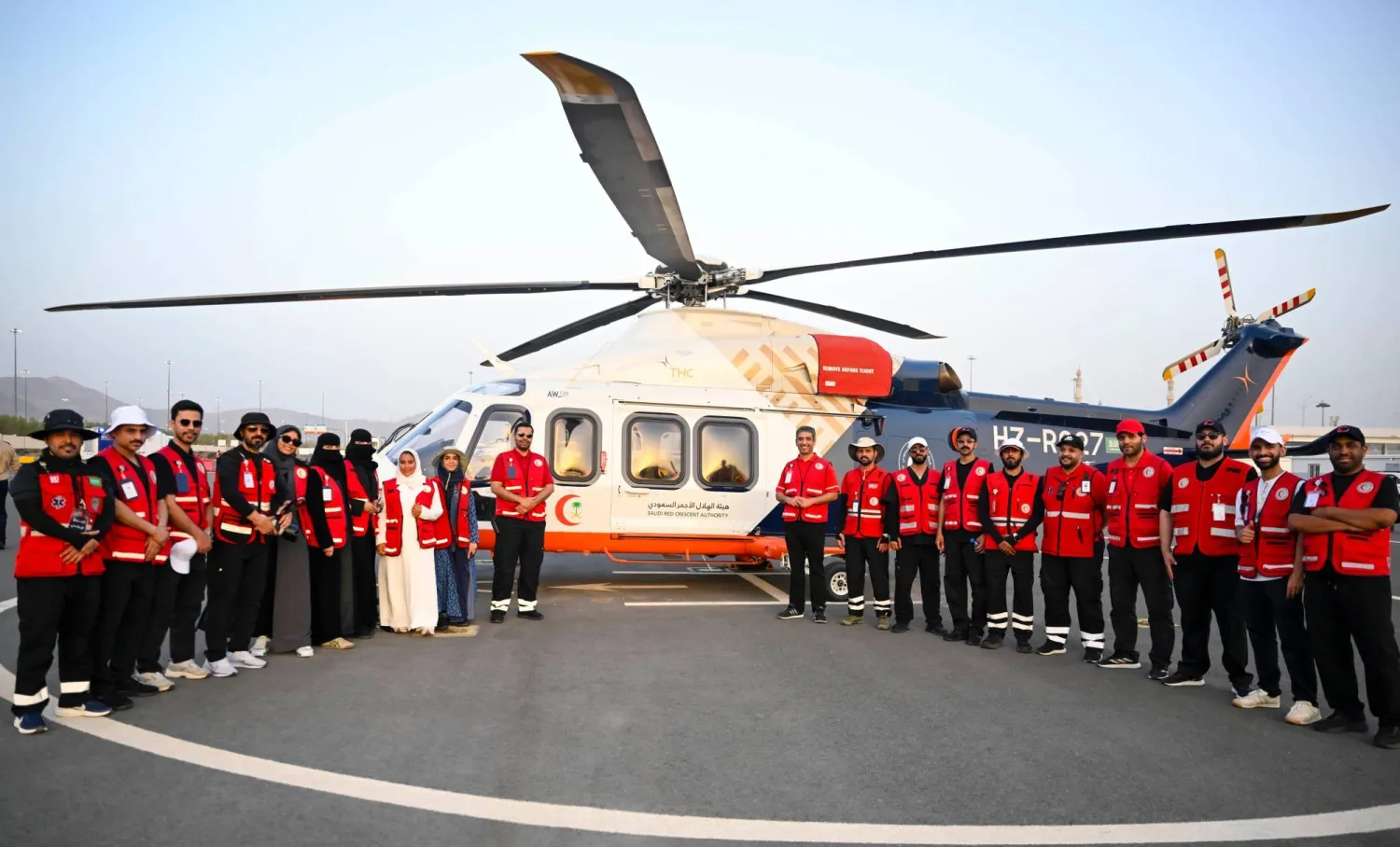
Saudi air ambulances are lifelines in the sky that provide pilgrims with medical assistance. (Bashir Saleh)
TT

Saudi Arabia Dedicates Integrated Health System for Hajj Pilgrims

Saudi air ambulances are lifelines in the sky that provide pilgrims with medical assistance. (Bashir Saleh)

Saudi authorities have dedicated a unique health system that accompanies Hajj pilgrims every step of the way of their holy journey. They are surrounded with comprehensive and completely free medical care, without distinction between nationalities, placing human dignity and health above all else.

This is part of a system of services provided to the pilgrims to allow them to perform their rituals in an atmosphere filled with faith, security, and tranquility.

This humanitarian mission begins from the moment the pilgrims arrive in Saudi Arabia. Medical teams and volunteers are spread across all pedestrian paths and between the tents. They traverse the field on foot or using emergency motorcycles to provide immediate assistance, ensuring that no pilgrim is left alone in the face of illness, physical exhaustion, or the heat of the sun.

The Saudi Red Crescent Authority air ambulance helicopters are also present to provide the swift medical assistance when needed or to transport a pilgrim to hospital in case of an emergency.

Flight paramedic Dr. Mohammed al-Enezi told Asharq Al-Awsat that the air ambulance acts as an “airborne intensive care unit” that is equipped with the latest global medical technologies that allow doctors and paramedics to start resuscitating the patient, stabilizing their health, and monitoring their vital signs during flight.

He explained that the air ambulance also boasts a complete intensive care unit bag. Some are capable of transporting two intensive care patients simultaneously between healthcare facilities, with all the necessary medical equipment provided inside the aircraft.

Al-Enezi said medical teams are committed to achieving a standard response time, ensuring that the preparation and takeoff of the aircraft do not exceed 7 minutes, reaching the report site within less than 10 minutes and transferring the patient to the nearest healthcare facility in about 10 minutes.

The Saudi Red Crescent Authority has mobilized 2,771 emergency personnel and health volunteers and 100 qualified health volunteers, and provided 70 emergency points in Makkah.

The Authority's fleet includes more than 900 emergency vehicles, including 305 ambulances, 20 rapid response vehicles to support early access and initiate medical procedures, 119 golf carts, 23 motorcycles for quick access through crowded areas, 155 scooters, 200 electric stretchers, 80 bicycles and seven air ambulances.

The Saudi Ministry of Health has also harnessed smart technologies, such as the "Virtual Health Hospital," and digital applications that allow pilgrims to request medical assistance at the push of a button and accurately determine their location without needing to speak Arabic.


Saudi Joint Chiefs of Staff Director Inspects Armed Forces Preparations for Hajj

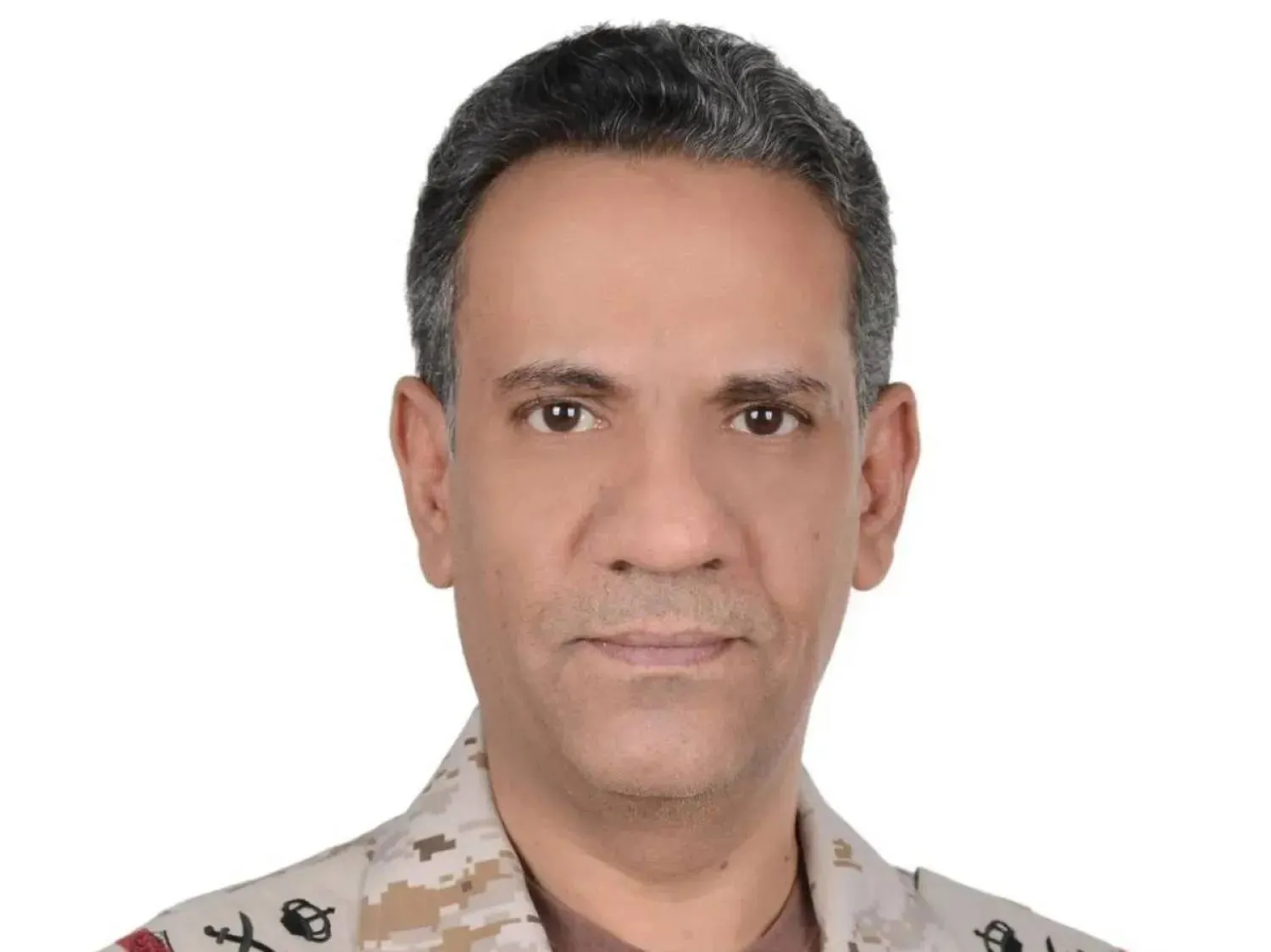
Director of the Joint Chiefs of Staff of the Armed Forces Major General Pilot Hamid Al-Omari and other officials are seen during his inspection tour. (SPA)
TT

Saudi Joint Chiefs of Staff Director Inspects Armed Forces Preparations for Hajj

Director of the Joint Chiefs of Staff of the Armed Forces Major General Pilot Hamid Al-Omari and other officials are seen during his inspection tour. (SPA)

Director of the Joint Chiefs of Staff of the Armed Forces Major General Pilot Hamid Al-Omari, on behalf of Chief of the General Staff Lieutenant-General Fayyad Al-Ruwaili, inspected on Monday the readiness of Armed Forces units involved in this year’s Hajj across the holy sites to ensure support for security and government agencies serving pilgrims.

The tour included the air force detachment at Arafat Airport, Ministry of Defense camps, religious affairs facilities, military police operations at the Grand Mosque, Armed Forces headquarters in Al-Awali, and the Defense Ministry’s field hospital in Mina.

Al-Omari reviewed operational plans, awareness programs, crowd management efforts, and medical preparedness to support pilgrims throughout the Hajj season.

The Military Police of the Royal Saudi Land Forces is participating in the Ministry of Defense's comprehensive Hajj plan, coordinating with internal security forces to manage crowd movement in the Grand Mosque's courtyards, oversee the Grand Mosque's gates, and organize the flow of pilgrims arriving from Mina, ensuring smooth movement during peak times.

The participating force underwent intensive training and exercises simulating various scenarios to boost its capacity for effective response and crowd management in coordination with relevant security entities.


Saudi Arabia Condemns Terrorist Attack on Train in Pakistan’s Balochistan

People inspect the wreckage of vehicles the day after a deadly train blast, in Quetta, Pakistan, 25 May 2026. (EPA)
TT

Saudi Arabia Condemns Terrorist Attack on Train in Pakistan’s Balochistan

People inspect the wreckage of vehicles the day after a deadly train blast, in Quetta, Pakistan, 25 May 2026. (EPA)

Saudi Arabia condemned on Monday the “heinous terrorist” attack targeting a train in Pakistan’s Balochistan province.

In a statement, the Ministry of Foreign Affairs said the Kingdom reiterates its “complete rejection of all forms of terrorism and extremism and strongly condemns attempts to undermine the security and stability of Pakistan and its people.”

It expressed its condolences to the families of the victims, as well as to the government and people of Pakistan.

An explosion targeted a train in Balochistan's provincial capital, Quetta, on Sunday, killing at least 24 people and wounding more than 50 others, according to officials.


Saudi Health Minister Visits Ministry of Interior Field Hospital in Arafat

Saudi Minister of Health Fahad Al-Jalajel visits the Ministry of Interior Field Hospital in Arafat on Monday. (SPA)
TT

Saudi Health Minister Visits Ministry of Interior Field Hospital in Arafat

Saudi Minister of Health Fahad Al-Jalajel visits the Ministry of Interior Field Hospital in Arafat on Monday. (SPA)

Saudi Minister of Health Fahad Al-Jalajel visited on Monday the Ministry of Interior Field Hospital in Arafat, where he reviewed the hospital’s readiness and the healthcare services provided during the Hajj.

He was briefed on the hospital’s operational capacity, service delivery pathways, and procedures for handling urgent and emergency cases, including heat exhaustion and sunstroke.

The briefing also covered resuscitation services, short-term intensive care, medical observation, infection control measures, and preventive medicine services.

The minister reviewed the latest operational developments at the field hospital and its role in supporting the healthcare provider network in Arafat, as well as improving the efficiency of healthcare services provided to pilgrims and security personnel during the Hajj season.

The visit comes within the framework of coordination and integration among health authorities involved in the Hajj and reflects a commitment to boosting field readiness to serve pilgrims and enable them to perform their rituals safely.