



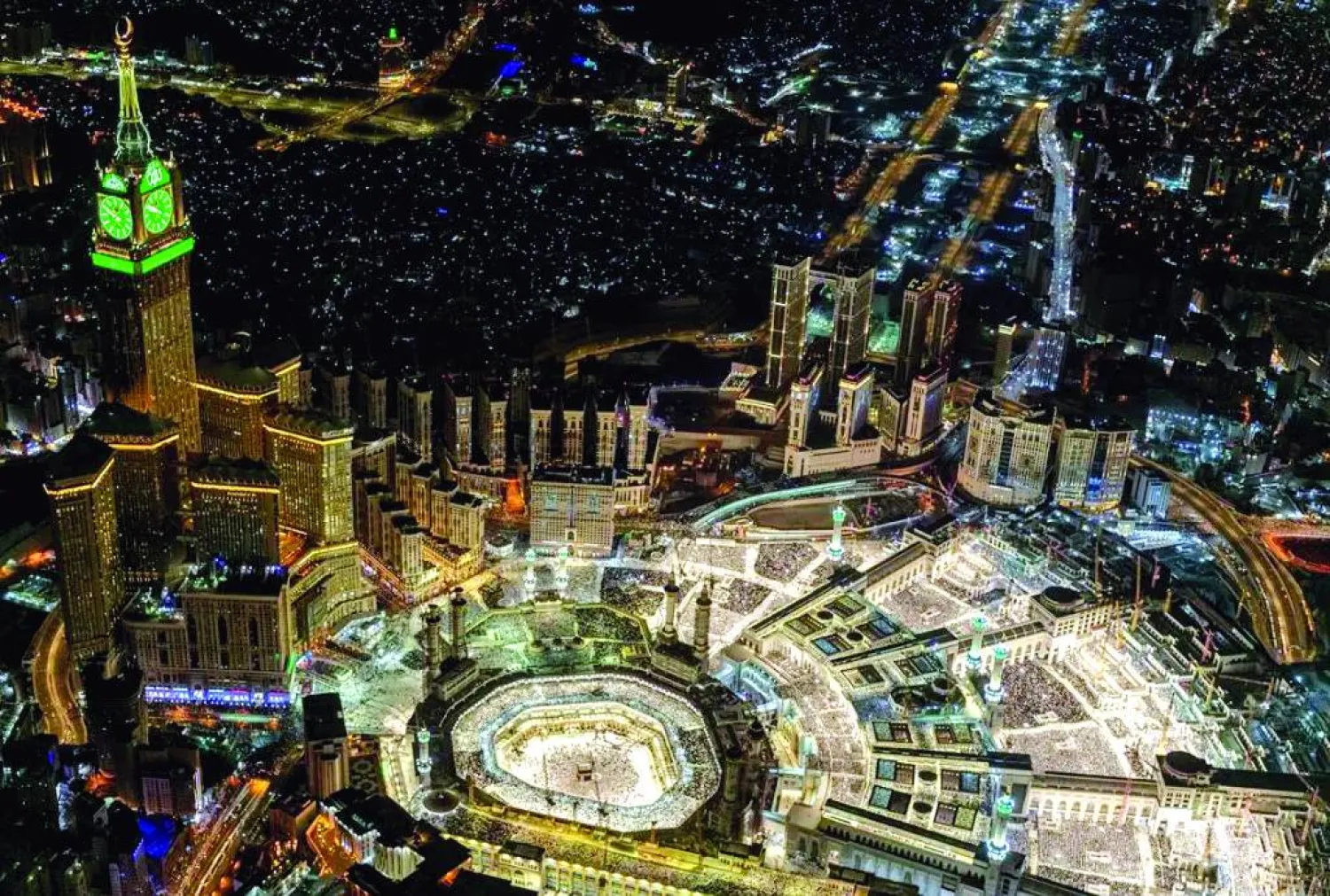

Saudi Arabia’s legislative and regulatory environment has become the primary driver reshaping the investment landscape in Makkah and Madinah, pushing the real estate sector beyond its traditional local framework toward a global horizon. This structural transformation, fueled by an unprecedented package of regulatory decisions approved by the government during 2025 and brought into effect at the start of 2026, has led to the emergence of an innovative real estate market model based on diversifying investment products and attracting major international companies and investors.
These regulatory reforms are being reinforced by a boom in mega infrastructure projects surrounding the Two Holy Mosques, embodying the goals of Saudi Vision 2030 to increase capacity for pilgrims and transform the western region into a magnet for foreign capital. This shift is reflected in a series of structural decisions and on-the-ground projects that have already begun reshaping the investment sector.
Last year saw the issuance of several major decisions and regulations, most notably the Saudi Cabinet’s approval in July of an updated system allowing non-Saudis to own property in the Kingdom, subject to specific ownership controls in the two holy cities. The decision came into force at the beginning of this year, with analysts expecting it to directly contribute to attracting international companies, increasing demand for residential and hospitality units, and broadening the investor base in the sector.
Extending these reforms further, the Capital Market Authority announced in January 2025 that foreigners would be permitted to invest in Saudi-listed companies owning permanent or temporary real estate assets within the boundaries of Makkah and Madinah. The move aims to boost foreign capital inflows, raise liquidity levels in real estate projects tied to the Hajj and Umrah ecosystem, and support the development of advanced hotels and residential complexes near the holy sites.
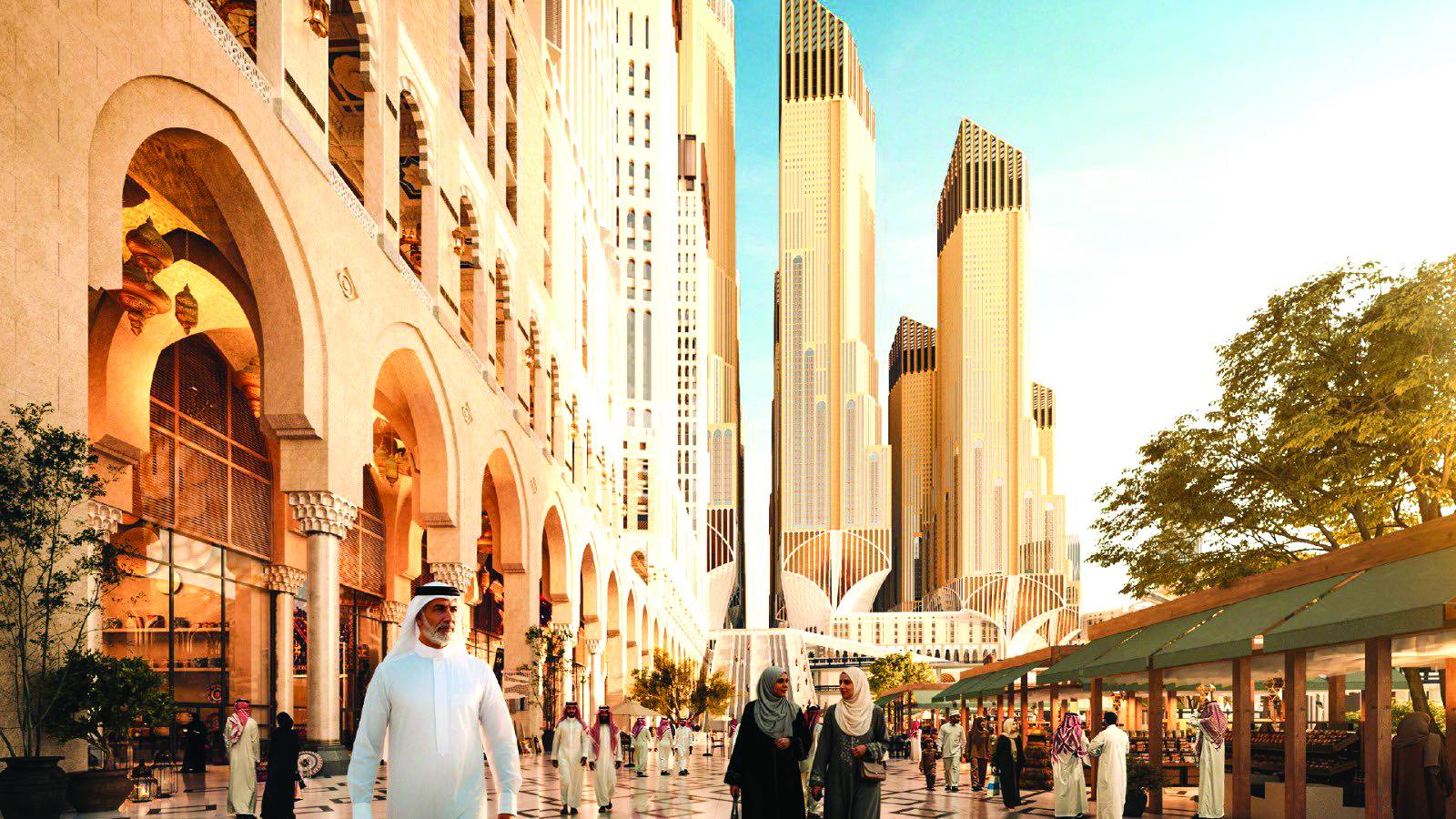
Within this broader development framework, Saudi Crown Prince Mohammed bin Salman launched the “King Salman Gateway” project in Makkah last October as a mixed-use destination spanning 12 million square meters adjacent to the Grand Mosque. The project includes around 50,000 residential units and 16,000 hotel rooms, while allowing ownership for Muslims worldwide in line with the Kingdom’s non-Saudi property ownership system.
Makkah is also home to the “Masar Destination” project, which stretches across 1.25 million square meters and is designed to accommodate 158,000 residents through 13,000 housing units distributed across 82 towers, in addition to 24,000 hotel units in 58 towers and 19,000 serviced apartments.
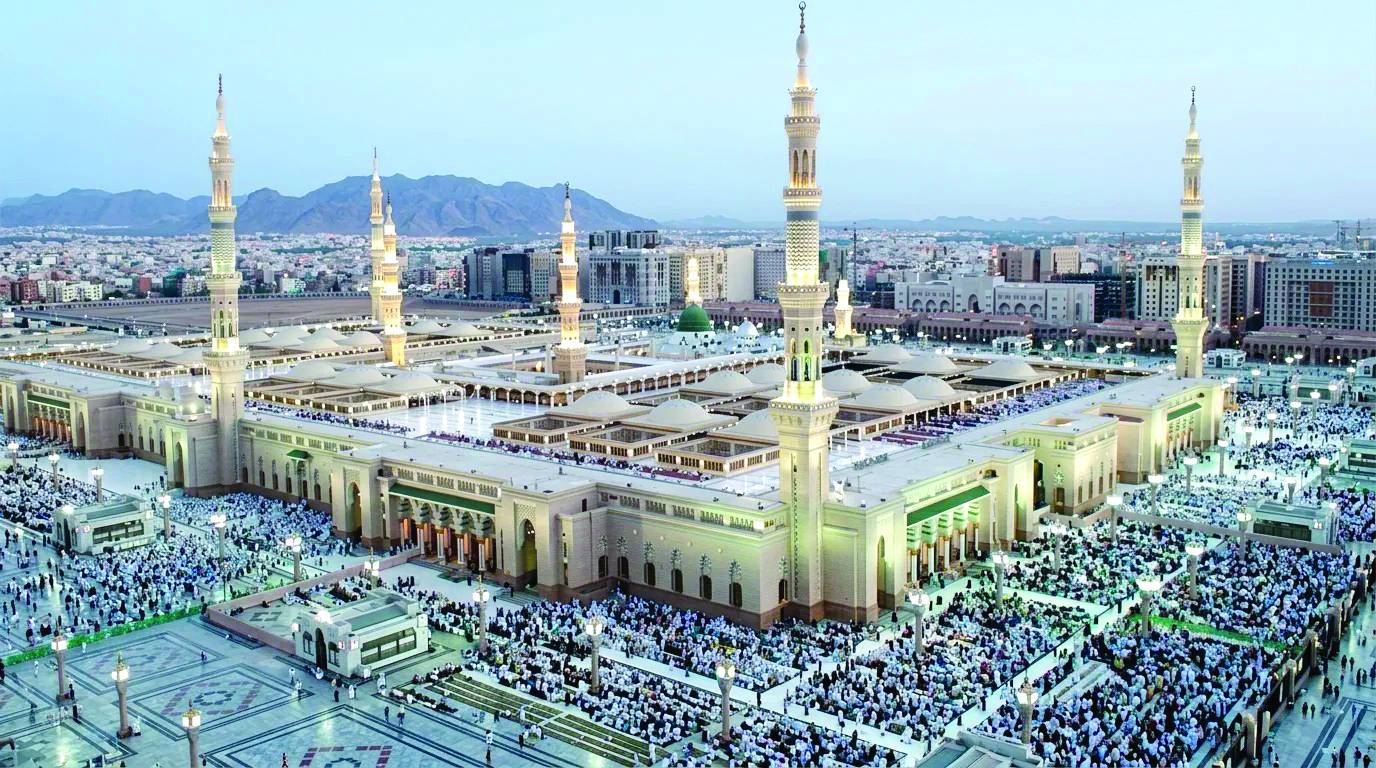
In Madinah, the “Rua Al Madinah” project is under development across an area of 1.35 million square meters, featuring around 80,000 hotel rooms and nearly 500 residential units. According to Ahmed bin Wasl Al-Juhani, CEO of Rua Al Madinah Holding Company, one of the Public Investment Fund’s subsidiaries, project completion has surpassed 65 percent.
Infrastructure Projects Double Land Market Values
These mega projects and newly adopted regulations are being integrated with major infrastructure networks approved by the state to increase the number of pilgrims and Umrah visitors. They include the historic expansions of the Grand Mosque, modernization of transport and logistics networks surrounding the Two Holy Mosques, and regulation of urban development in the holy sites.
This has driven steadily rising demand for the hospitality sector, including hotels and serviced apartments, while significantly increasing the market value of strategic land plots near the Grand Mosque.
Amid this boom, Al Rajhi Capital and Thakher Development signed a memorandum of understanding last Thursday to establish a real estate investment fund in Makkah with investments exceeding SAR2 billion ($534.6 million). The fund, located within the “Thakher Makkah” project, aims to support the hospitality and housing sectors while enhancing the investment experience in the holy city.
Record Profits
This legislative boom has also positively reflected on the financial results of real estate companies operating in the two regions and listed on the Saudi stock market, Tadawul, with firms posting record annual profit growth in 2025.
Jabal Omar Development recorded an exceptional elevenfold jump in profits, posting net earnings exceeding SAR2.39 billion ($637.3 million) in 2025, compared with around SAR200 million ($53.3 million) in 2024. The company also maintained positive momentum in the first quarter of 2026, posting SAR116.99 million ($31.2 million) in profits.
Makkah Construction and Development Company also posted a 15 percent rise in profits to SAR474 million ($126.4 million), compared with SAR411 million ($109.6 million) in 2024, while continuing its growth trajectory in the first quarter of 2026 with an 8 percent increase to SAR162.2 million ($43.2 million).
Meanwhile, Taiba Investments reported a 9.3 percent increase in profits, reaching SAR364 million ($97.1 million) in 2025, compared with SAR411 million ($109.6 million) in 2024. The company also maintained positive performance, generating profits exceeding SAR124.8 million ($33.3 million) during the first quarter of 2026.
Entry of Foreign Developers Intensifies Competition
Providing an analytical reading of the market, real estate expert and appraiser engineer Ahmed Al-Faqih told Asharq Al-Awsat that Makkah and Madinah represent the spiritual destination of two billion Muslims worldwide, noting that these regulations create momentum capable of meeting the aspirations of a broad segment of Muslims seeking property ownership in the western region, which also includes Jeddah and Taif.
He expected the deeper impact of these systems to become evident during the first and second quarters of 2027.
Al-Faqih added that the impact would extend to increasing both the volume and quality of real estate transactions, with greater focus on the residential sector compared with agricultural and industrial sectors. He also predicted accelerated real estate development through the launch of tailored products that account for the diverse cultures of targeted nationalities.
He noted that the western region’s market is expected to witness the entry of non-Saudi developers who will compete with local developers on the quality of real estate products. He added that government regulators are focusing on two core principles: “real estate balance and sustainability,” which would further increase the market’s attractiveness to international capital and shift it from randomness toward regulation and steadily rising profitability over the coming decade.
Serving the Pilgrim Ecosystem
Ayman Al-Sultan, a real estate sector observer, told Asharq Al-Awsat that real estate activity in Makkah and Madinah is inherently tied to a broader economic and urban ecosystem dedicated to serving pilgrims, noting that development over recent years has been comprehensive across both urban and regulatory tracks.
He pointed out that regulatory updates related to allowing non-Saudis to own property under specific controls, alongside opening investment in Saudi-listed companies holding real estate assets within the two cities, reflect a direction toward broadening the investment base within a clear regulatory framework that preserves the unique status of the two holy cities.
He added that major infrastructure projects linked to Hajj and Umrah have boosted interest in real estate projects tied to hospitality, housing, and support services for the Two Holy Mosques. Based on market observations, he said the convergence between regulation and urban development is steering the market toward more organized projects linked to Hajj and Umrah-related services in the coming phase.
Current Hajj Season Translates Legislative Boom Into Reality
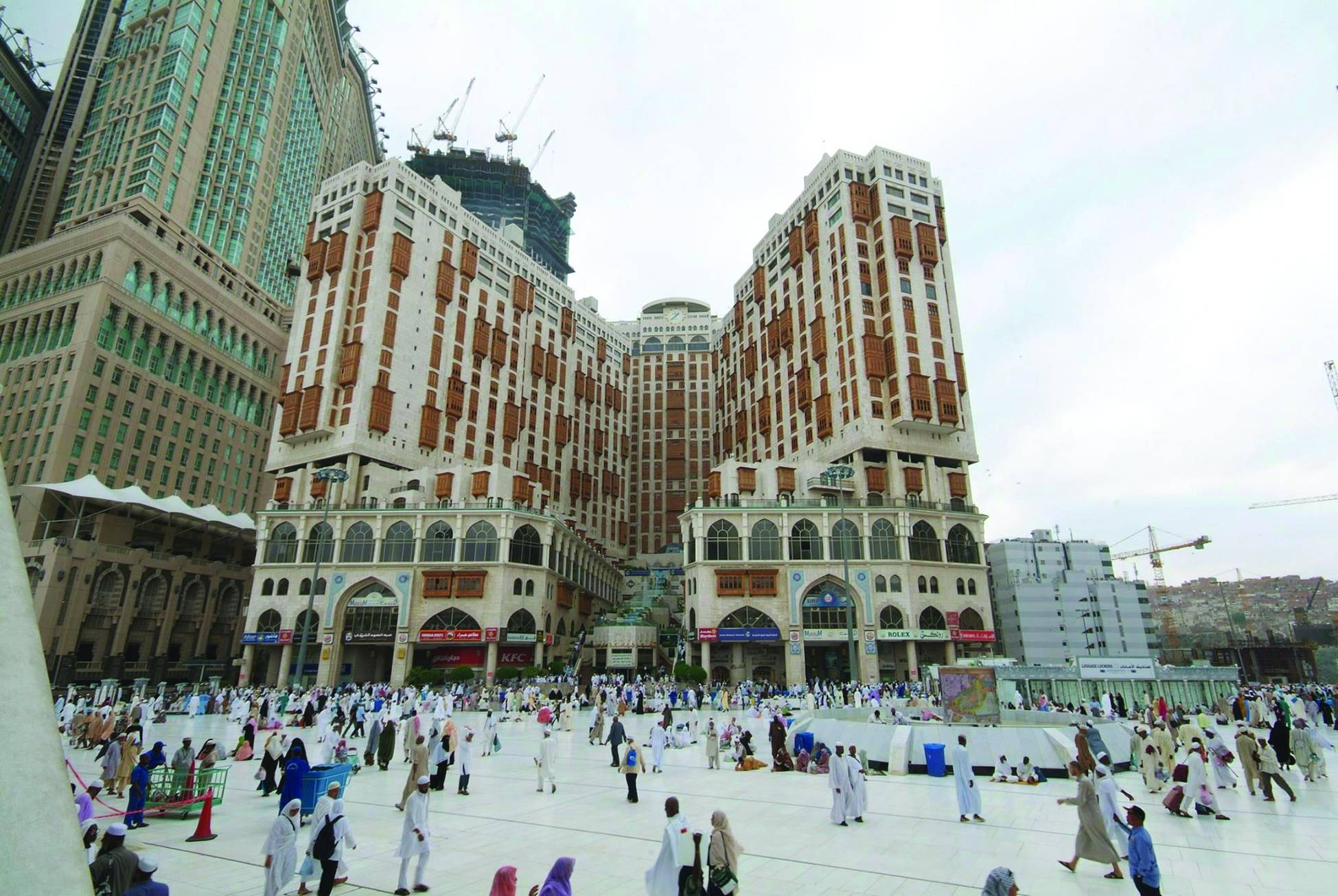
These regulatory developments are casting a direct shadow over the current Hajj season, which is witnessing peak human and investment flows. Observers believe this season represents the clearest practical reflection of infrastructure flexibility following the implementation of the latest legislative decisions.
Residential and hotel complexes surrounding the Two Holy Mosques are no longer merely static real estate assets. Instead, they have evolved into a core pillar of an integrated hospitality system managed by investment funds and listed companies seeking to meet growing demand within an attractive and stable regulatory environment.
Ultimately, this intensive operational momentum, coinciding with the influx of pilgrims, demonstrates that the new real estate model in Makkah and Madinah has moved beyond the theoretical planning phase and entered the stage of tangible returns.
The convergence between flexible government legislation and massive capital spending on infrastructure places the western region on the threshold of a golden investment decade that is redrawing the map of international real estate development and reinforcing the status of the Two Holy Mosques as a central hub for sustainable development and rising economic growth in line with the ambitions of Saudi Vision 2030.
In the final analysis, this integration between regulatory achievement and the realities of the current season confirms that real estate in the holy capital and Madinah has already entered a phase of maximum investment appeal.


