



Kuwait Condemns Iranian Attacks on Its Territory; Gulf States Denounce Assaults

Saudi Arabia and Gulf states condemned Iranian attacks on Kuwaiti territory (KUNA)
TT

Kuwait Condemns Iranian Attacks on Its Territory; Gulf States Denounce Assaults

Saudi Arabia and Gulf states condemned Iranian attacks on Kuwaiti territory (KUNA)

Kuwait strongly condemned what it described as “criminal Iranian attacks” targeting its territory with missiles and drones on Thursday morning. Saudi Arabia and other Gulf states also condemned the Iranian attacks on Kuwaiti territory.

In a statement, Kuwait’s Foreign Ministry expressed the country’s strong condemnation and denunciation of the “criminal Iranian attacks that targeted Kuwaiti territory with missiles and drones in a dangerous escalation and a flagrant violation of Kuwait’s sovereignty, security and territorial integrity, as well as a direct threat to civilians and vital facilities.”

The ministry said the escalation comes at a time when intensive efforts are being made by several brotherly and friendly countries to reduce tensions, de-escalate the situation and spare the region further escalation, adding that the attacks increase the gravity of the situation and undermine diplomatic efforts aimed at preserving regional security and stability.

It called on Iran to immediately and unconditionally halt the attacks and bear full responsibility for them, describing them as blatant aggression against Kuwait’s sovereignty and a serious violation of international law, the UN Charter and UN Security Council Resolution 2817 of 2026.

The ministry stressed that Kuwait reserves its full right to take all necessary measures to preserve its security and defend its territory and vital facilities against any aggression or threat, based on its inherent right to self-defense under Article 51 of the UN Charter and the rules of international law.

Saudi Arabia Condemns the Attacks

Saudi Arabia’s Foreign Ministry expressed the Kingdom’s condemnation and denunciation “in the strongest terms” of the hostile missile and drone attacks against Kuwait.

In a statement, the ministry said: “The Kingdom reiterates its categorical rejection of violations of state sovereignty and attempts to threaten the region’s security and stability.”

Saudi Arabia also expressed solidarity with Kuwait, government and people, renewing its full support for all measures taken by Kuwait to preserve its sovereignty, security, stability and people.

Qatar: Flagrant Violation of International Law

Qatar strongly condemned the targeting of Kuwait with missiles and drones, describing it as a blatant violation of its sovereignty and a flagrant breach of international law.

In a statement, Qatar’s Foreign Ministry reiterated the country’s full solidarity with Kuwait and its support for all measures taken to safeguard its sovereignty and security.

It stressed the need to spare the region the consequences of what it described as unjustified attacks and to work toward de-escalation to restore regional and international security and stability.

UAE: Flagrant Violation

The United Arab Emirates also condemned “in the strongest terms the Iranian terrorist attacks” targeting Kuwait with missiles and drones.

The Emirates News Agency quoted a Foreign Ministry statement saying the “terrorist attacks represent a flagrant violation of Kuwait’s sovereignty and a threat to its security and stability.”

The ministry expressed the UAE’s full solidarity with Kuwait and support for all efforts aimed at preserving its security and stability.

Bahrain Condemns Attacks

Kuwaiti Foreign Minister Sheikh Jarrah Jaber al-Ahmad al-Sabah received a phone call from Bahraini Foreign Minister Abdullatif bin Rashid al-Zayani, during which the two sides condemned the “criminal Iranian attacks targeting Kuwait.”

Both sides affirmed Kuwait’s full right to take all necessary measures to protect its sovereignty, preserve its security and stability, and safeguard its citizens and residents.

GCC: Treacherous Aggression

Jassem Mohamed Albudaiwi, secretary-general of the Gulf Cooperation Council, condemned “in the strongest terms the continued criminal Iranian attacks on Kuwait.”

In a post on X, the GCC General Secretariat quoted Albudaiwi as saying the continued “treacherous attacks” constitute a flagrant violation of international law, the UN Charter and the principles of good neighborliness.

He affirmed the GCC states’ full support for Kuwait in all measures it takes to preserve its security, stability and the safety of its citizens and residents.

Kuwaiti Army: Air Defenses Intercepted Missile Attacks

Earlier Thursday, the Kuwaiti army’s General Staff announced that the country’s air defenses had intercepted hostile missile and drone attacks.

In a press statement, the General Staff said that “any explosion sounds heard were the result of air defense systems intercepting hostile attacks,” calling on the public to comply with security and safety instructions issued by the relevant authorities.

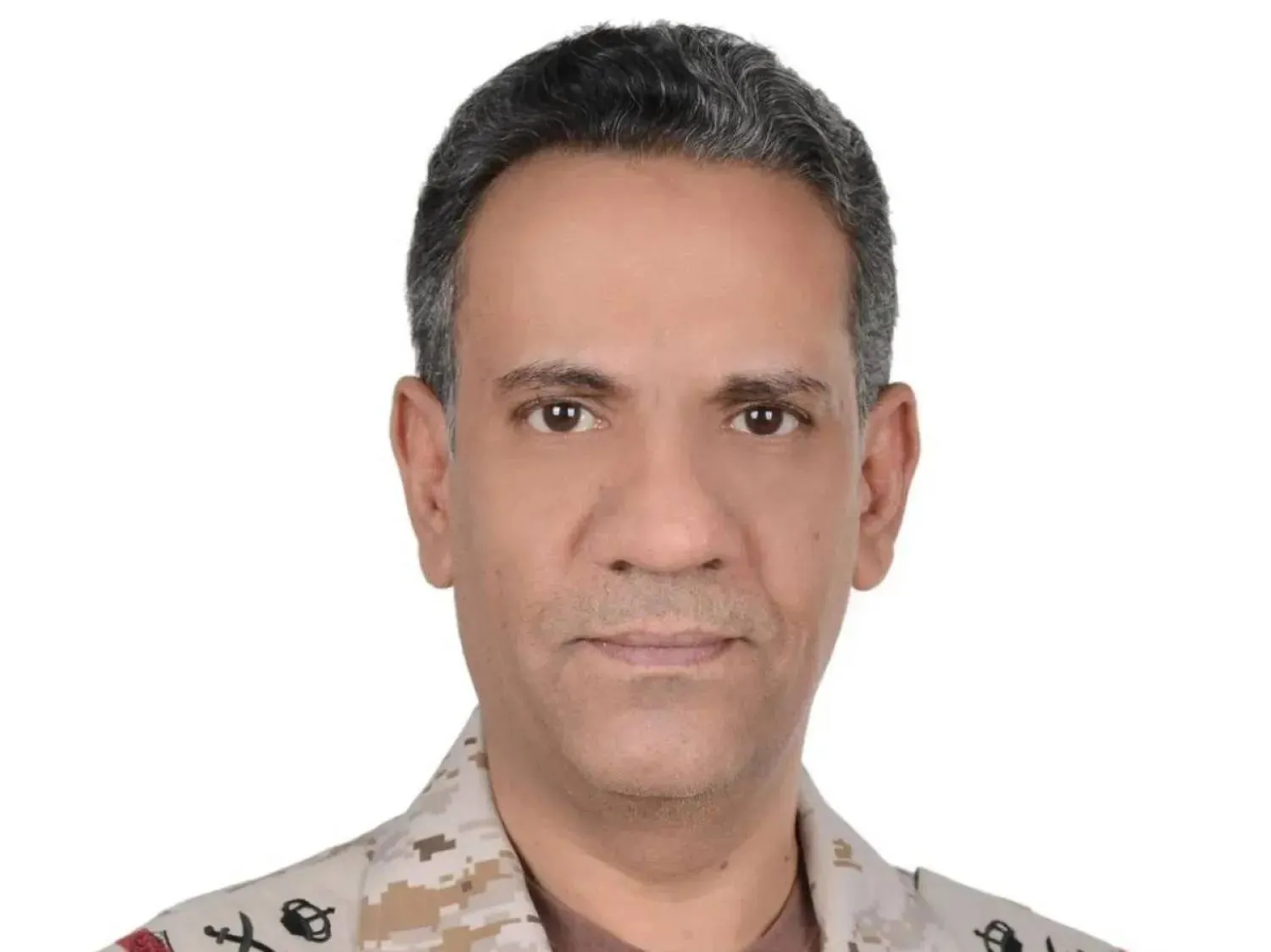


GCC Sec-Gen Condemns Iran's Continued Destabilizing Behavior, Repeated Attacks on Member States

Secretary-General of the Gulf Cooperation Council (GCC) Jasem Albudaiwi. SPA
TT

GCC Sec-Gen Condemns Iran's Continued Destabilizing Behavior, Repeated Attacks on Member States

Secretary-General of the Gulf Cooperation Council (GCC) Jasem Albudaiwi. SPA

Gulf Cooperation Council (GCC) Secretary-General Jasem Albudaiwi expressed his condemnation and denunciation in the strongest terms of Iran's continued destabilizing behavior regarding regional security and stability, its repeated brutal targeting of the United Arab Emirates (UAE), the Kingdom of Bahrain, the Sultanate of Oman, the State of Qatar, the State of Kuwait, and the Hashemite Kingdom of Jordan, as well as its dangerous attacks on commercial vessels.

Albudaiwi stated that Iran's behavior constitutes a grave violation of the principles of international law, the United Nations Charter, and UN Security Council Resolution 2817, as well as a direct undermining of maritime security and freedom of navigation, SPA reported.

He noted that these repeated, brutal Iranian attacks not only hinder all endeavors aimed at achieving security and stability in the region, but also reveal a systematic insistence on perpetuating chaos, in blatant defiance of international law and the international community's shared will to establish peace.

He underlined that the GCC supports all measures taken by the UAE, Bahrain, Oman, Qatar, Kuwait, and Jordan to bolster their security, safeguard their sovereignty, and protect their peoples and residents across their territories.


Saudi Leadership Offers Condolences to Emir of Qatar on Passing of Former Emir Sheikh Hamad bin Khalifa Al Thani

Joint photo of King Salman bin Abdulaziz Al-Saud and Saudi Crown Prince Mohammed bin Salman bin Abdulaziz Al-Saud - File Photo
TT

Saudi Leadership Offers Condolences to Emir of Qatar on Passing of Former Emir Sheikh Hamad bin Khalifa Al Thani

Joint photo of King Salman bin Abdulaziz Al-Saud and Saudi Crown Prince Mohammed bin Salman bin Abdulaziz Al-Saud - File Photo

Custodian of the Two Holy Mosques King Salman bin Abdulaziz Al Saud sent a cable of condolences to Emir of the State of Qatar Sheikh Tamim bin Hamad Al Thani on the passing of former Emir of Qatar Sheikh Hamad bin Khalifa Al Thani.

The Custodian of the Two Holy Mosques said in his cable that Sheikh Hamad bin Khalifa Al Thani dedicated much of his life to serving his country and people.

He extended his heartfelt condolences and sincere sympathies to Sheikh Tamim bin Hamad Al Thani, the late emir's family, and the people of Qatar, praying that the deceased be granted Allah's mercy and forgiveness and that his family be granted patience and solace.

For his part, Prince Mohammed bin Salman bin Abdulaziz Al Saud, Crown Prince and Prime Minister of Saudi Arabia, also sent a cable of condolences to Emir of the State of Qatar Sheikh Tamim bin Hamad Al Thani on this sad incident.

In his cable, the Crown Prince said that Sheikh Hamad bin Khalifa Al Thani had played a significant role in Qatar's development and prosperity.

He extended his heartfelt condolences to Sheikh Tamim bin Hamad Al Thani and the late emir's family, praying that Allah Almighty grant the deceased mercy and forgiveness and reward him for his service to his country and people.


Gulf States Condemn Repeated Iranian Attacks, Tehran's Destabilizing Behavior

Air defense interceptions are seen in the sky above Doha on July 12, 2026. AFP
TT

Gulf States Condemn Repeated Iranian Attacks, Tehran's Destabilizing Behavior

Air defense interceptions are seen in the sky above Doha on July 12, 2026. AFP

Gulf states condemned on Sunday repeated Iranian attacks targeting Qatar, Bahrain, Kuwait, Oman, the United Arab Emirates, and Jordan, saying such assaults represent a blatant violation of state sovereignty and a direct threat to regional security and stability.

The Saudi Ministry of Foreign Affairs expressed the Kingdom's condemnation and denunciation, in the strongest terms, of Iran's continued destabilizing behavior toward regional security and stability, its violations of the principles of international law, the UN Charter, the Charter of the Organization of Islamic Cooperation, and the principles of good neighborliness.

This includes Iran's repeated attacks on commercial vessels, threatening the security and freedom of navigation, and its continued heinous assaults on Kuwait, Bahrain, Qatar, the UAE, Oman, and Jordan.

The Kingdom reaffirmed its categorical rejection of Iran's violation of the sovereignty of brotherly states and its continued threats to regional security and stability.

The Omani government also lambasted on Sunday an attack on its territory, state media announced, with Iran's Guards saying they targeted it during a barrage aimed at countries across the Gulf.

The Oman News Agency said on X that "the Sultanate of Oman affirms its condemnation and denunciation of this attack,” which came just hours after the country hosted Iran's foreign minister to address security issues in the Strait of Hormuz.

Doha too condemned the Iranian attacks against its territory and its neighbors.

"Qatar condemns in the strongest possible terms the renewed attacks carried out by the Islamic Republic of Iran," the foreign ministry said in a statement, also referring to the targeting of Jordan, the UAE, Bahrain, Oman and Kuwait and calling the barrages a "dangerous escalation.”

In Kuwait, the Ministry of Foreign Affairs expressed the country's strongest condemnation and denunciation of the egregious Iranian attacks that targeted it. It affirmed that these repeated assaults reflect a persistent hostile approach, constituting a grave violation of Kuwait's sovereignty and territorial integrity, and a direct threat to its security, stability, and the safety of its citizens and residents.

Furthermore, they represent a clear breach of international law, the United Nations Charter, and Security Council Resolution 2817.

The ministry stressed in a statement that the continuation of attacks constitutes an extremely dangerous escalation, which will increase tension and instability in the region, threaten regional peace and security, and undermine diplomatic efforts aimed at de-escalation and peaceful resolution of crises.

The ministry reiterated that Kuwait's security, sovereignty, and territorial integrity are inviolable, and that Kuwait reserves its full rights to take necessary measures to protect its security and preserve its sovereignty, in accordance with the provisions of international law and the UN Charter.