



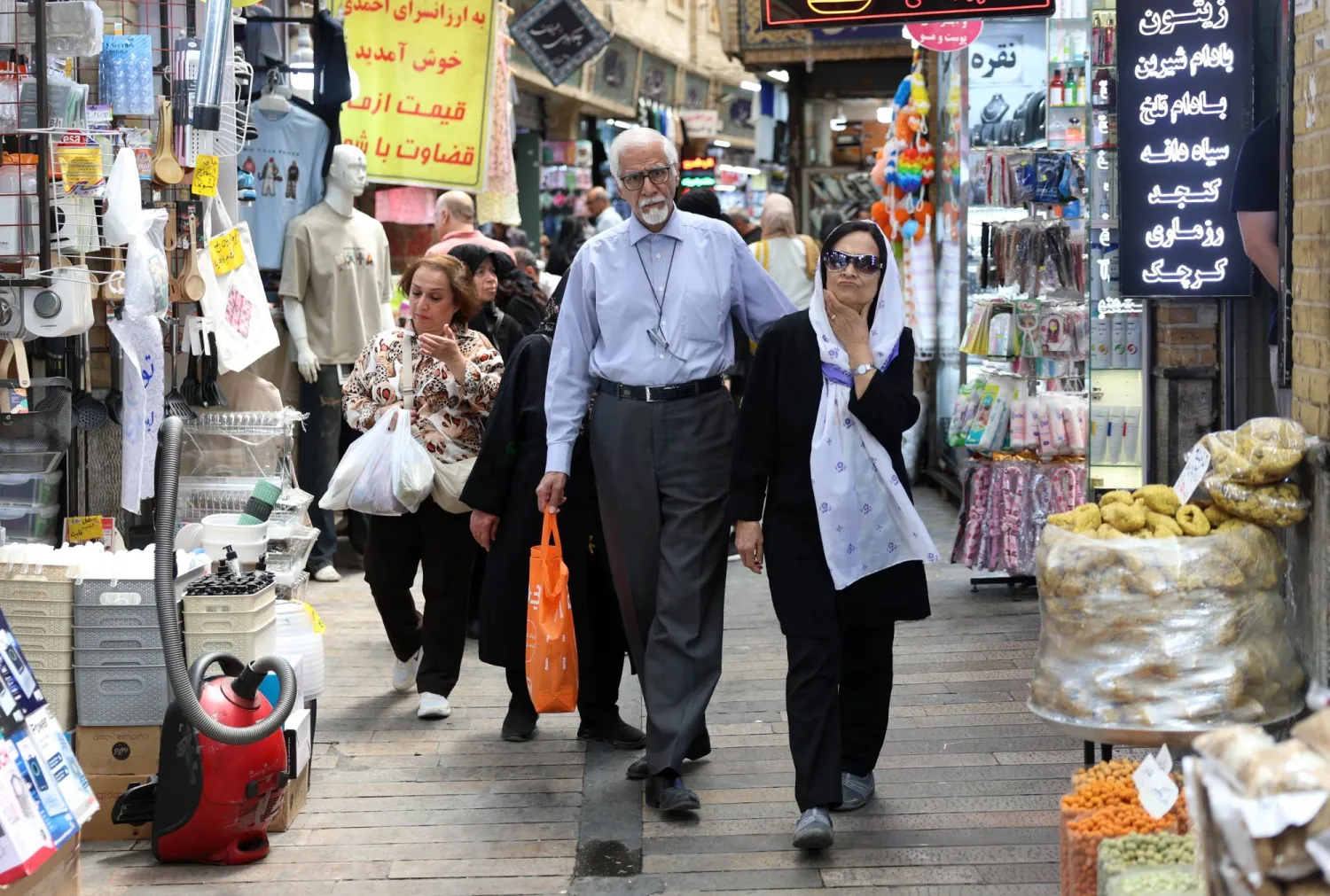

Year-on-year inflation in Iran reached a level in May unseen since World War II, underlining the economic pain average Iranians face as the country worries about the war with Israel and the US restarting.
A report Monday by Iran's Central Bank represents the first official acknowledgment of what Iranians shopping, paying for a taxi or visiting a medical clinic already know: The rial currency is battered by the war and uncertainty around it resuming, according to The Associated Press.
Iran's Central Bank said the consumer price index, which measures a basket of goods and services, reached 77.2% in May compared to the year before. It added the rate is 8.5% higher than in April.
Inflation in daily and general needs — like medicine, taxi fares, tobacco and communication fees — rose 113.8% from the year before.
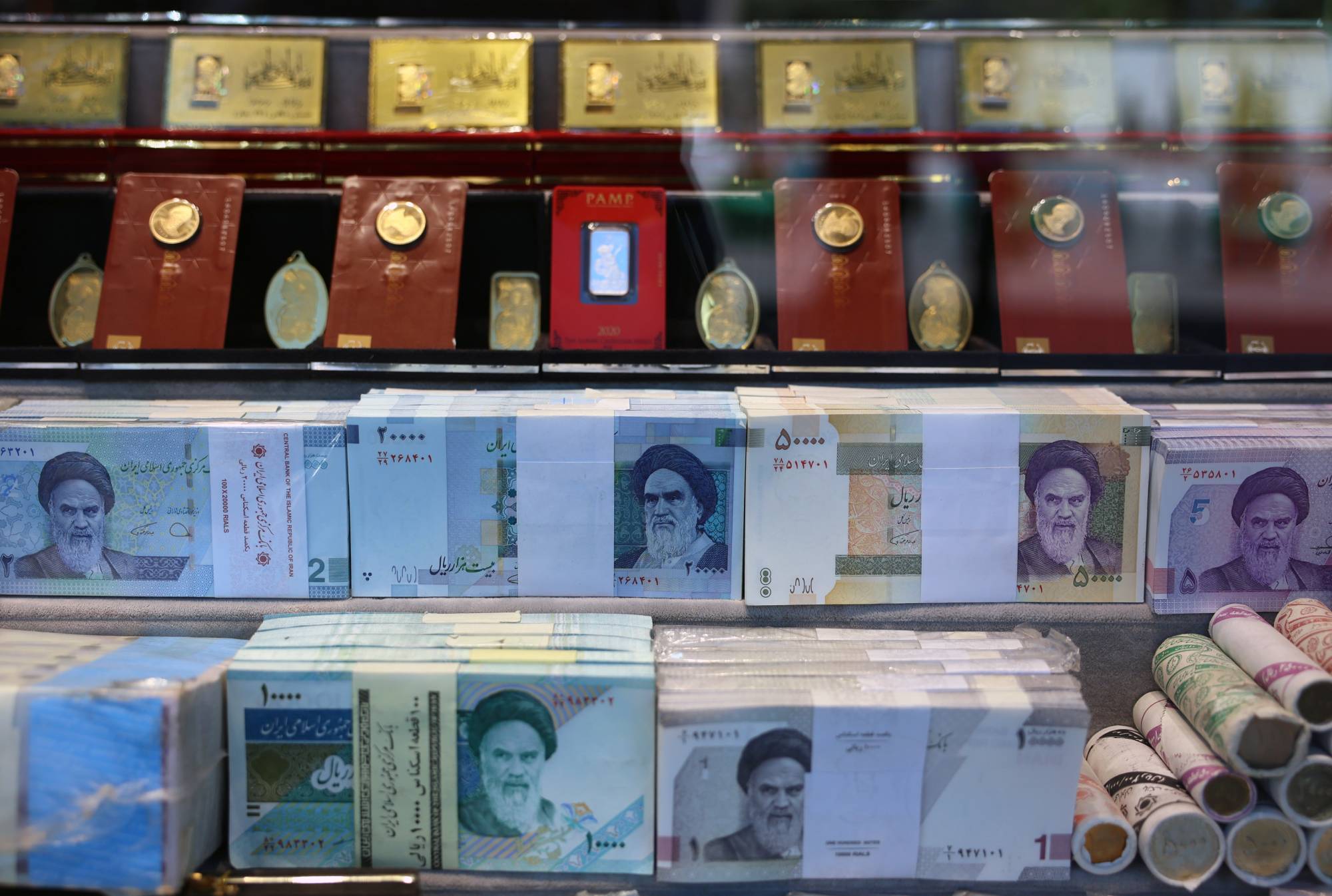
The Iranian rial has seen a dramatic collapse over the past falling from around 32,000 rials to the US dollar in 2015 to more than 1.7 million rials per dollar today.
Iranian President Masoud Pezeshkian earlier warned citizens that further price increases were likely. “We will definitely have higher prices,” Pezeshkian said in May. “We are fighting and we must accept this hardship,” he added.
Airstrikes this year have greatly damaged Iranian businesses and its oil industry. Meanwhile, the US blockade has been targeting Iranian crude oil shipments trying to reach the international market, a key source of hard revenue. Tax revenues have been depressed by businesses struggling even after the fighting paused.
A private economic think tank in Iran, the Bamdad Institute of Economic Studies, described the current figures as “an unprecedented rate since World War II.” Iran's Central Bank did not acknowledge the significance of the figures.
Iran only saw worse inflation in 1942 during World War II, sparked by the British and Soviets invading the country and taking over its railway, disrupting food supplies. The lack of food, worsened by a poor harvest, sparked hyperinflation and a famine. Hunger and a typhus outbreak killed many.
Economic pressure in the past has sparked nationwide protests, something Iran's regime has been trying to avoid since a crackdown on demonstrators in January killed over 7,000 people, according to activists' estimates.
“I have no doubt that if Trump leaves (Iran without a formal peace deal) ... most probably, we will see something like January by the end of summer because of the economic and social situations,” analyst Mohsen Jalilvand said in a video published by Iran's Fararu news website.
Tehran-based economist Saeed Leilaz, speaking to The Associated Press, warned that annual inflation in Iran could reach 80%.
“Iran’s society cannot tolerate above 25%” annual inflation, he said.


