


Saudi Housing Surpasses One Million Contracts as 70% Homeownership Target Nears

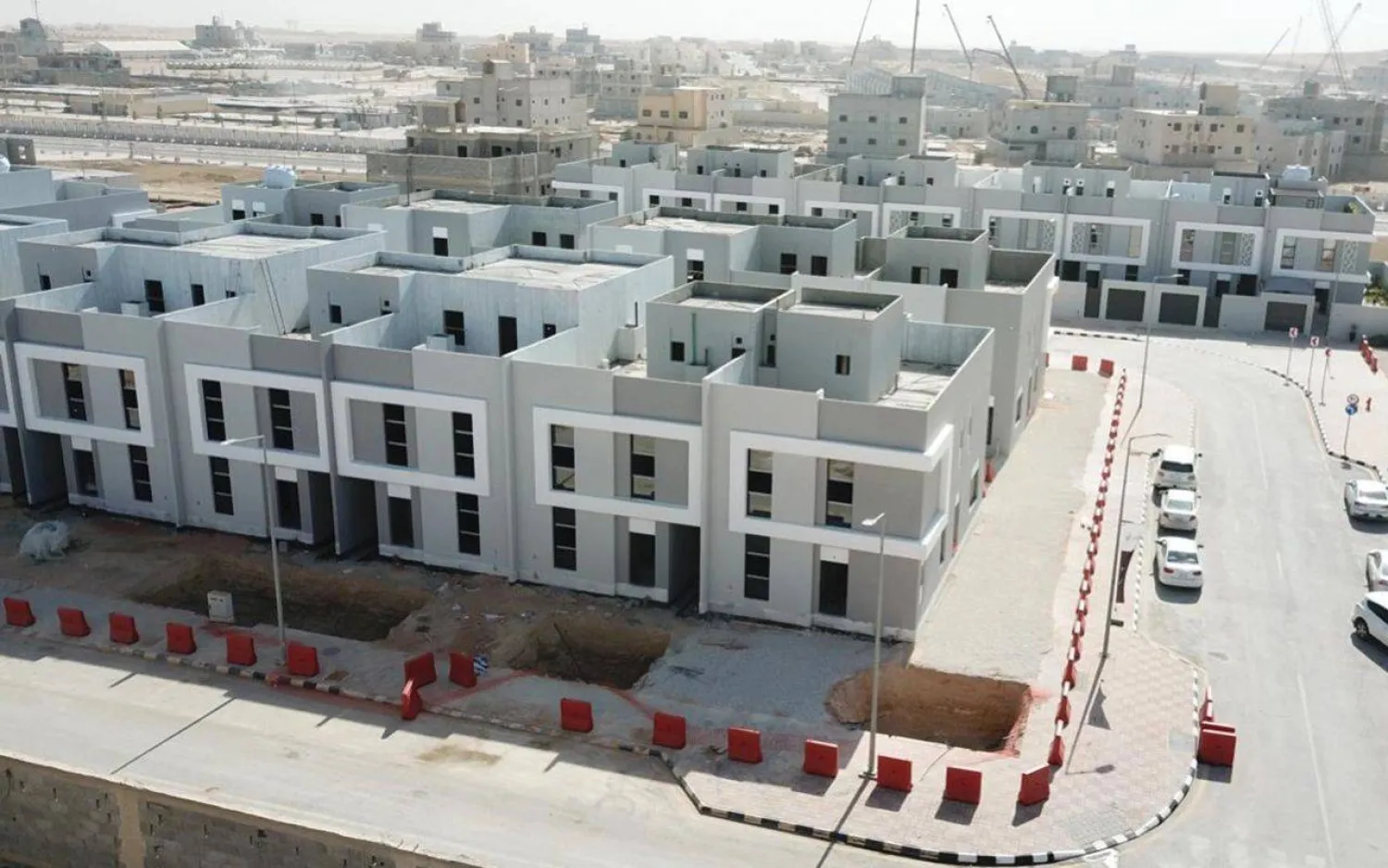
Construction work in the 'Shams Al-Diyar' project, part of the housing program in Riyadh (SPA)
TT

Saudi Housing Surpasses One Million Contracts as 70% Homeownership Target Nears

Construction work in the 'Shams Al-Diyar' project, part of the housing program in Riyadh (SPA)

Saudi Arabia continues to reshape its real estate sector at a rapid pace, achieving structural advances that have placed quality of life at the heart of urban development. The enabling of nearly 33,000 Saudi families to obtain their first home during the first quarter of 2026 underscores the efficiency of the regulatory framework in advancing the goals of Vision 2030 and moving toward its target of raising homeownership to 70 percent.

This momentum, which lifted the homeownership rate to 66.24 percent by the end of 2025, coincides with the Real Estate Development Fund and the Sakani program surpassing the milestone of one million subsidized contracts, reflecting a profound transformation in the structure of the market and greater integration across its financing and regulatory components.

Integrated Regulatory Environment

In an analysis of first-quarter 2026 figures, Mohammed Al-Rassasmah, spokesperson for the Ministry of Municipalities and Housing, told Asharq Al-Awsat that enabling 32,983 Saudi families to own their first home in just three months reflects the integration of the housing ecosystem across its various components, from developing the regulatory and legislative environment to expanding housing options and providing financing solutions and partnerships with the private sector.

Al-Rassasmah explained that the carefully planned expansion of housing projects and the diversification of real estate products have helped meet the needs of different segments of Saudi families. He pointed to the decisive role played by digital transformation in improving procedural efficiency and accelerating access to suitable housing solutions for beneficiaries.

He noted that this achievement builds on what Minister of Municipalities and Housing Majed Al-Hogail announced at the beginning of this year regarding the homeownership rate among Saudi families exceeding 66.24 percent by the end of 2025, demonstrating the success of the housing system in expanding ownership opportunities across the Kingdom.

Partnership With the Private Sector

Within this development path, Al-Rassasmah said partnerships with the private sector represent one of the key enablers of growth in the housing sector, contributing directly to increased real estate supply and faster development.

He added that real estate developers now offer a diverse range of housing products that meet families' aspirations, while the ministry continues to improve the investment environment and promote competitiveness.

He noted that the sector's transformation is no longer limited to developing individual housing units but now extends to creating integrated urban communities that provide services, facilities, infrastructure, and quality-of-life opportunities. This, he said, enhances the attractiveness of cities and improves the efficiency of long-term economic development.
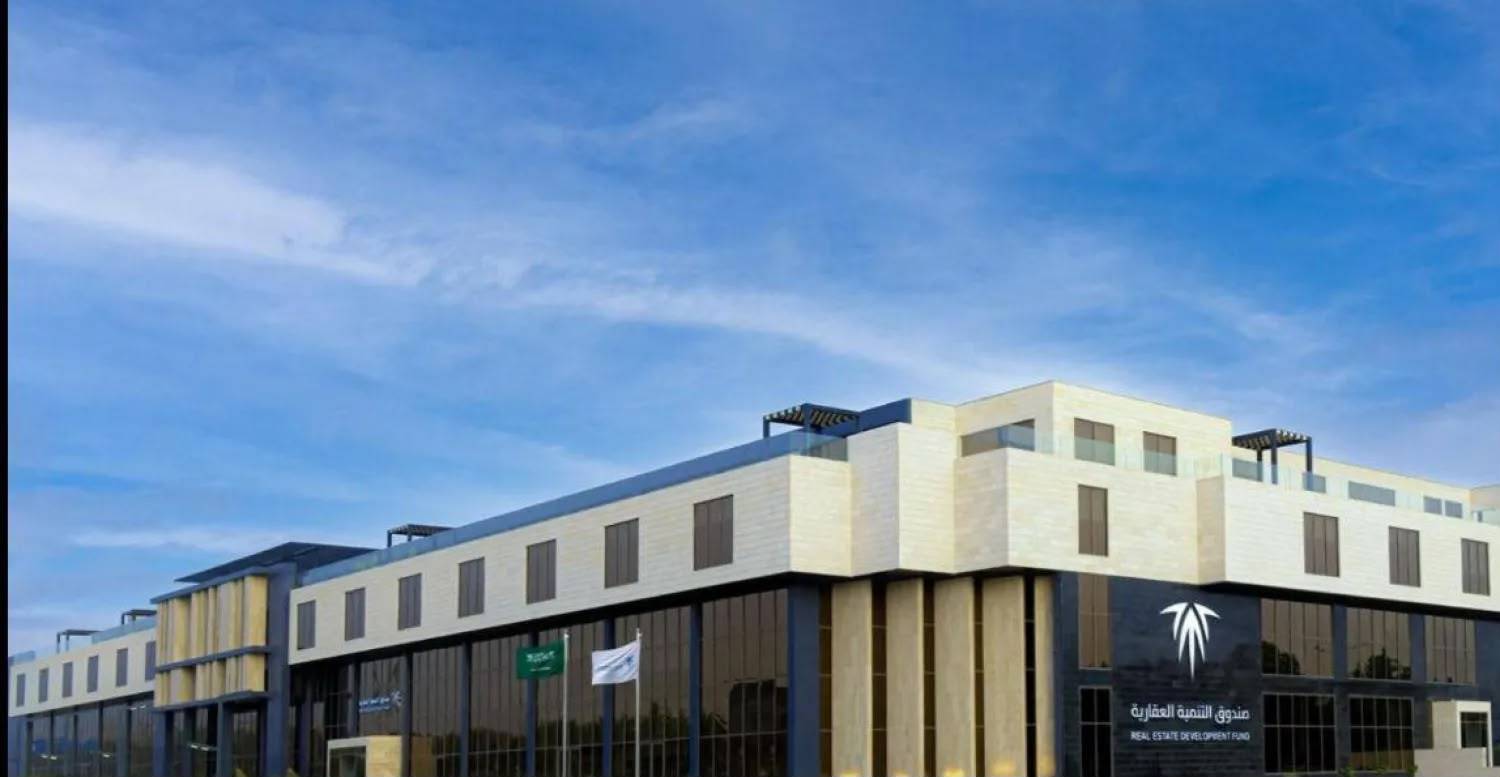
Headquarters of the Real Estate Development Fund in Riyadh (Fund's website)

Off-Plan Sales Projects

Regarding off-plan sales projects, Al-Rassasmah said they have become one of the most important tools supporting increased housing supply and accelerating real estate development in recent years.

He explained that these projects have enabled the implementation of larger and more diverse developments, providing broader opportunities for ownership.

He stressed that the strict regulatory and oversight framework imposed by the ministry has enhanced the credibility of such projects and protected buyers' rights, increasing confidence in the market and significantly boosting demand. As a result, they have become one of the most reliable pathways supporting first-home ownership.

Long-Term Strategic Vision

The ministry's spokesperson also stressed that the ministry approaches housing demand from a long-term strategic perspective focused on increasing supply and improving the efficiency of the real estate market through empowering developers, developing land and master plans, stimulating investment flows, and expanding housing projects in areas experiencing high demand.

He explained that increasing supply and diversifying housing options contribute positively to market balance and help provide more suitable solutions for beneficiaries, alongside the ministry's ongoing efforts to enhance transparency, develop real estate indicators, and improve market efficiency to ensure it remains attractive and stable.

Al-Rassasmah concluded by describing mortgage finance as one of the key pillars behind the rise in homeownership rates in recent years through the provision of diverse and accessible financing solutions that have strengthened the purchasing power of Saudi families.

He noted that 23,222 families benefited from housing support services during the first quarter of this year alone, and added that cooperation among the housing ecosystem, financing institutions, and the Real Estate Development Fund helped push the number of subsidized contracts beyond 1.02 million by the end of last March.

According to Al-Rassasmah, the transformation currently taking place in the sector reflects a comprehensive structural shift that supports the sustainability of the real estate market and enhances citizens' quality of life in line with national ambitions.



Copper Crawls Higher on Softer Dollar and Supply Issues

FILE PHOTO: A coil of copper rod sits on the production line for copper flat wire at the Wellascent factory in Ganzhou, Jiangxi province, China, August 14, 2025. REUTERS/Florence Lo/File Photo
TT

Copper Crawls Higher on Softer Dollar and Supply Issues

FILE PHOTO: A coil of copper rod sits on the production line for copper flat wire at the Wellascent factory in Ganzhou, Jiangxi province, China, August 14, 2025. REUTERS/Florence Lo/File Photo

Copper prices edged higher on Friday, supported by a weaker dollar and supply issues, but gains were modest due to worries about high oil prices hitting demand.

Benchmark three-month copper on the London Metal Exchange rose 0.5% to $14,319 a metric ton in official open-outcry trading. That marked a decline of 2% since the end of last week.

"Metals have seen light turnover again so far this session with copper finding some support with a slightly softer dollar, but the broader tone remains cautious," Neil Welsh, head of metals at broker Britannia Global Markets, said in a note.

"High energy costs stemming from the ⁠ongoing US-Iran conflict and ⁠signs of industrial weakness in China have weighed on sentiment across the complex."

The dollar index hit its strongest in 17 months this week, but weakened on Friday, making commodities priced in the US currency cheaper for buyers using other currencies.

LME copper has gained 16% over the past six months, largely due to a large shift in ⁠inventories to the US attracted by the prospect of tariffs there, creating shortages elsewhere.

Stocks in warehouses monitored by the Shanghai Futures Exchange <CU-STX-SGH> have slumped by 79% over the past four months to 38,744 tons, their lowest since January 2024.

The SHFE was closed for China's National Day and will reopen on October 8.

The prospect of less output in the world's largest copper producer Chile has also underpinned the market, with data on Wednesday showing production fell 12.8% year-on-year in August.

Supervisors at Chile's Escondida copper mine, the world's largest, rejected a collective ⁠contract offer, ⁠paving the way for a potential strike and adding to supply fears.

"This adds to an overall slump in output, as the industry struggles to maintain aging infrastructure amid difficult operating conditions," Reuters quoted Daniel Hynes, senior commodity strategist at ANZ, as saying in a note.

Among other metals, LME aluminium dipped 0.1% in official activity to $3,121.50 a ton and nickel also shed 0.1% to $15,620.

Zinc rose 0.2% to $3,732.50, lead ticked 0.3% higher to $1,863 and tin was little changed at $54,350.


Eurozone Inflation Hits Three-year High at 3.8% in September

FILE PHOTO: The logo of the European Central Bank (ECB) is pictured outside its headquarters in Frankfurt, Germany, April 26, 2018. REUTERS/Kai Pfaffenbach/File Photo
TT

Eurozone Inflation Hits Three-year High at 3.8% in September

FILE PHOTO: The logo of the European Central Bank (ECB) is pictured outside its headquarters in Frankfurt, Germany, April 26, 2018. REUTERS/Kai Pfaffenbach/File Photo

Eurozone inflation jumped to 3.8 percent in September, the highest level in three years, as the war in the Middle East fueled a surge in energy costs, official data showed Friday.

The figure for the 21-country euro area was up sharply from 3.2 percent in August and remains well above the European Central Bank's two-percent target, raising the likelihood of another interest rate increase.

The September reading published by the statistical office of the European Union was slightly higher than the 3.7 percent forecast by economists for Bloomberg.

As the US war against Iran drags on, the conflict has caused major disruptions to fuel supplies from the Middle East, including from the Strait of Hormuz, a key energy trade route.

Energy price increases surged to 18.8 percent in September, up from 14.3 percent a month earlier, AFP quoted Eurostat as saying.

Core inflation, which strips out volatile energy and food prices, rose to 2.5 percent last month from 2.4 percent in August.

Meanwhile, food and drinks inflation increased to 1.4 percent from 1.1 percent in August.

Eurozone inflation was last above 3.8 percent in September 2023, when it stood at 4.3 percent.


World Food Prices Near Four-year High in September

A street food vendor pushes a cart along the road in Ho Chi Minh City on October 2, 2026. (Photo by Nhac NGUYEN / AFP)
TT

World Food Prices Near Four-year High in September

A street food vendor pushes a cart along the road in Ho Chi Minh City on October 2, 2026. (Photo by Nhac NGUYEN / AFP)

World food prices rose in September to their highest in nearly four years as logistics disruptions and weather concerns affected crop markets, the United Nations' Food and Agriculture Organization said.

Fears about a severe El Nino weather pattern have pushed international sugar prices to an 18-month high, while a war-related collapse in Black Sea trade pushed wheat futures to a three-year peak early last month.

The FAO ⁠Food Price Index, ⁠which tracks monthly changes in international prices for a basket of food commodities, averaged 136.0 points, up from a revised 134.0 for August and the highest reading since November 2022.

FAO's benchmarks for cereal, sugar and vegetable oil ⁠prices all rose last month, though meat and dairy quotations fell.

“We are seeing a persistent and increasingly broad-based build up in global commodity prices, as disruptions in the Strait of Hormuz and the Black Sea combine with climate shocks, putting pressure on energy, transport and key food commodities,” FAO Chief Economist Maximo Torero said, according to Reuters.

“If sustained, these pressures will soon pass through to consumer food ⁠prices, especially ⁠in food and energy import-dependent countries,” he said in a statement.

In a separate report, FAO kept its forecast for global cereal production in 2026 almost unchanged at 2.979 billion metric tons, 2.1% below the previous year's peak but still the second-largest harvest on record.

FAO cut its forecast for world cereal trade in 2026/27 by 0.7% from September, citing lower wheat and maize export expectations due largely to constrained Black Sea shipping routes.