The British government's Arabic-language spokesperson for the Middle East and North Africa, Jocelyn Waller, stressed that her country is working through the UN Security Council to restrict the flow of weapons to the Houthis as part of its efforts to contain the escalation in Yemen, stressing the need to reach a political solution that ends the cycle of violence in the country.
In an interview with Asharq Al-Awsat, Waller said the Houthis chose to resume destructive fighting in Yemen, describing their attacks inside the country and on Saudi Arabia as “unacceptable”, and calling on parties supplying the group with weapons to halt their shipments.
Waller addressed the growing security challenges facing the Middle East, praising the resilience of Gulf states in confronting attacks and threats targeting their vital infrastructure.
She also underlined London's commitment to the diplomatic track to reach a sustainable settlement with Iran, as well as continued pressure to preserve the prospects of a two-state solution to the Palestinian-Israeli conflict, including through sanctions targeting Israeli settlement activity.
Deterring the Houthis
Speaking about the renewed fighting in Yemen, Waller said London is translating its positions into practical measures, pointing to the sanctions her country imposed on November 24 against the Houthi group and four of its senior officials.
Britain is working through the Security Council to restrict the flow of weapons, while supporting Saudi Arabia's defenses to protect its citizens from the reckless attacks launched by the Houthis, she added.
Waller pointed to the worsening humanitarian crisis in Yemen, noting that the United Kingdom is providing £104 million (about $136 million) in humanitarian aid this year, including £10 million ($13.1 million) to meet emergency needs. She stressed the necessity of ensuring aid reaches civilians and releasing relief workers detained by the Houthis.
Waller stressed that her country's goal remains reaching a political solution rather than continuing an endless cycle of violence, adding that Yemenis deserve security, institutions that provide them with services, and a future where wars are not repeated.
Broad partnership with the Gulf
Waller praised the efforts of Gulf countries in confronting the security threats in the region, recalling her personal experience in Saudi Arabia, where she lived for five years focusing her work on the Yemen file.
She noted that she lived in Riyadh for five years with her work centered on Yemen, adding that her two children were born in the Saudi capital and that these ties helped shape her understanding of the importance of security for families, communities, and the region's ambitions.
She added that during her presence in the Gulf amid the crisis, she witnessed the scale of efforts made by the region's defense forces to protect citizens and residents, including thousands of Britons.
The UK stood with its Gulf partners by contributing to air defense missions and providing equipment and personnel to bolster their air defenses, she stressed.
Waller added that the British-Gulf partnership is not limited to confronting security threats, citing the free trade agreement Britain reached with the Gulf Cooperation Council (GCC) last May, becoming the first G7 country to reach such an agreement with the bloc.
The agreement embodies her country's confidence in the future of the Gulf and reflects the breadth of a partnership encompassing education, investment, and innovation, describing the Gulf as a strategic partner and a formidable diplomatic force, she remarked.
Iranian attacks
On the prospects of reaching a settlement with Iran, Waller said that diplomacy remains the only path to achieving a sustainable resolution, stressing that Tehran must not possess a nuclear weapon, and that its nuclear commitments must be strict, verifiable, and fully implemented.
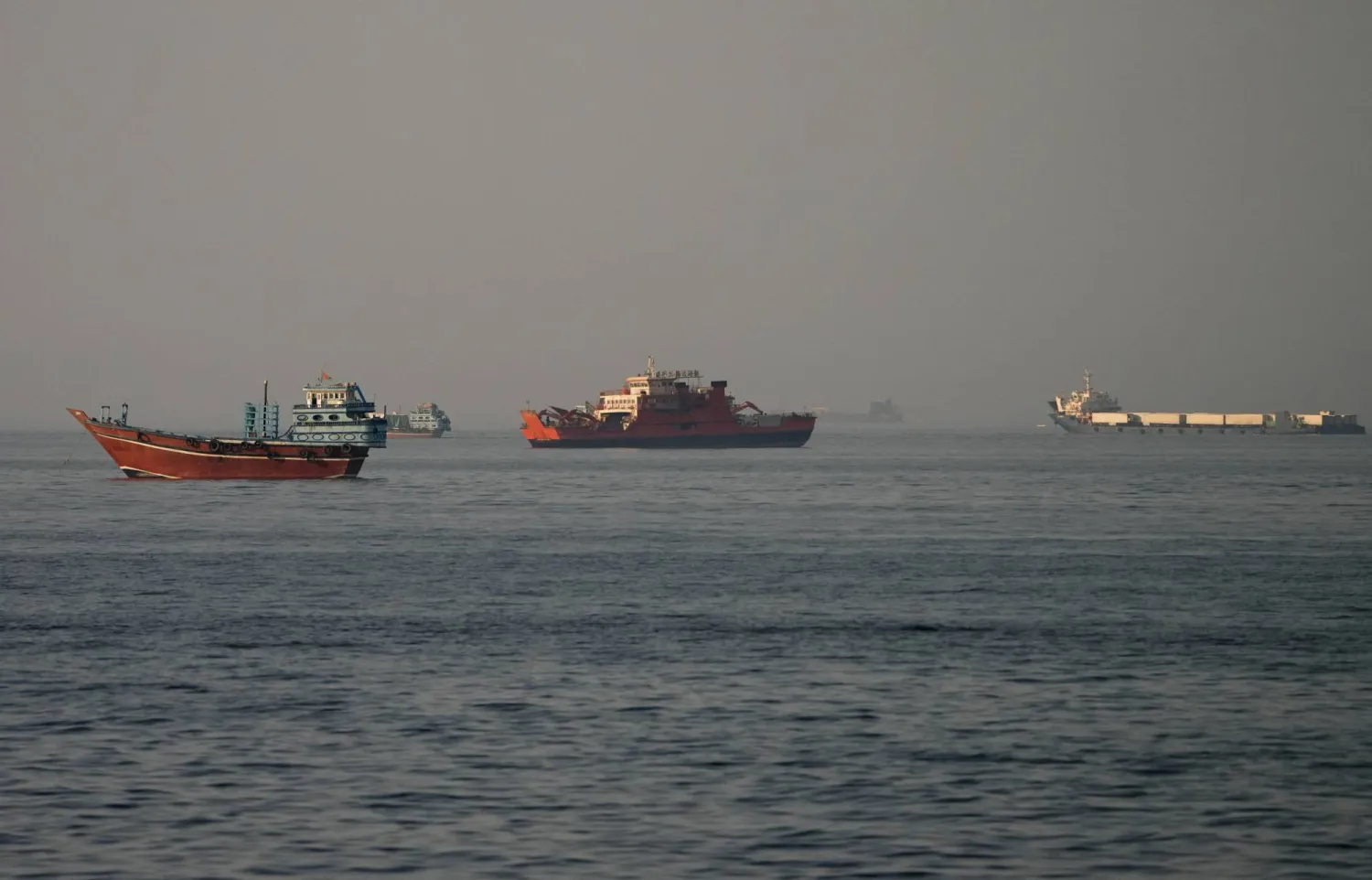
She praised ongoing mediation efforts by countries, including Qatar and Pakistan, underscoring London's support for de-escalation efforts, restoring safe passage through the Strait of Hormuz, and reaching a lasting agreement.
However, she stressed that adhering to the diplomatic track does not mean overlooking Iranian attacks, describing Iran's recent targeting of Bahrain and Kuwait as unacceptable.
She noted that her country continues to provide defensive support to its regional partners and is leading, together with France, a multinational defensive initiative to help restore navigation through the Strait of Hormuz.
Defense and diplomacy serve the same purpose of protecting people and creating the conditions for lasting stability, she remarked.
Pressure on Israel
On British policy toward Israel, Waller noted that measures taken by London should be measured by their impact, noting that evaluating the effectiveness of sanctions takes time.
She explained that the sanctions announced by London on November 17 targeted eight companies involved in illegal settlement expansion, aiming to undermine their ability to secure financing and support the construction of further settlement facilities.
These measures send a clear message to companies considering bidding to participate in the E1 settlement project not to take part in destroying the two-state solution, she went on to say.
She noted progress on the legislation London announced last September, which prohibits the provision of services and trade between British companies and illegal settlements.
In response to a question about her country's readiness to escalate its measures should Israeli policies continue, Waller avoided speculating on additional sanctions for fear of undermining their effectiveness, but stressed that holding high office grants no exceptions, recalling that her country had previously imposed sanctions on two Israeli ministers.
Britain's goal remains ensuring the establishment of a viable and sovereign Palestinian state living next to a secure Israel, she said, noting continued work with international and regional partners to preserve the chances of achieving this goal.
The future of Gaza
Regarding the deteriorating humanitarian situation in the Gaza Strip, which Waller described as a man-made humanitarian catastrophe, she said her country adopts an approach combining diplomatic pressure, targeted sanctions, and aid delivery, citing sanctions imposed by London this month on a group of Israeli extremists obstructing the entry of aid convoys, in addition to mobilizing more than 50 countries to demand the lifting of restrictions on humanitarian aid entry.
She noted that Britain's £88 million ($115.3 million) humanitarian and early recovery support package helps provide healthcare, clean water, and basic services in the Gaza Strip and the West Bank, including £5 million (about $6.6 million) announced by London this month to support UNICEF efforts in responding to winter humanitarian needs.
She added that her country is also pressing to allow the entry of equipment needed to clear rubble and open roads in the Strip.
Waller linked Gaza's reconstruction efforts to establishing political foundations, underlining her country's support for implementing the 20-point plan and handing over administration of the Strip to the Palestinians, while stressing that Hamas can have no role in governing Gaza in the future.
Britain can contribute to peace-building efforts based on its expertise, including its experience in Northern Ireland, while supporting Palestinians in taking a leading role in managing their affairs, she remarked.
Interconnected security challenges
When asked about the most prominent challenges she has observed since assuming her post about a year ago amid escalating turmoil in the Middle East, Waller pointed to the accelerating pace of events, the interconnectedness of crises, and the spillover of their repercussions beyond the region.
She cited the impact of disrupted navigation in the Strait of Hormuz on energy supplies, food security, and living costs worldwide, saying that Middle East stability represents a shared international interest. She also tied her country's ability to influence events to its cooperation with partners, listening to regional states, maintaining relations with them, and translating diplomatic moves into tangible actions.
She stressed that Britain's responsibility lies in deploying its diplomatic, humanitarian, and defensive tools in a coherent manner, grounded in international law and the interests of the peoples living through these crises.