


One Dead, 4 Injured After China’s Qinghai Hit by Magnitude 6.3 Earthquake

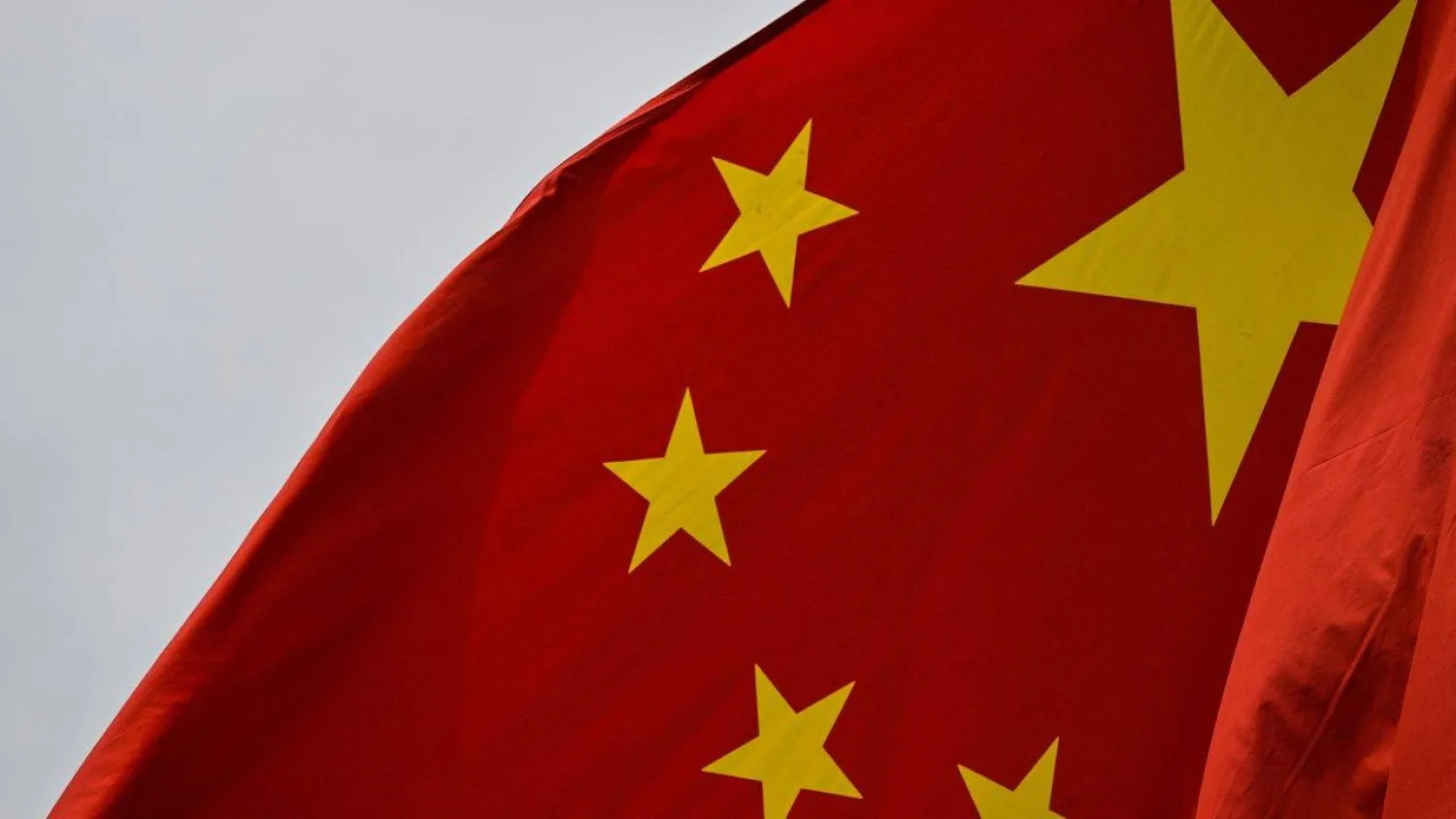
A Chinese flag is seen in Shanghai’s financial district. (AFP file)
TT

One Dead, 4 Injured After China’s Qinghai Hit by Magnitude 6.3 Earthquake

A Chinese flag is seen in Shanghai’s financial district. (AFP file)

A magnitude 6.3 earthquake hit the northwestern Chinese province of Qinghai on Tuesday, killing at least one person and injuring four, as rescuers rushed to the site in search of trapped survivors.

The quake struck a high-altitude ‌area in ‌the prefecture of Haixi in ‌Qinghai ⁠at a depth ⁠of 10 km at 5:06 p.m. Beijing time (0906 GMT) on Tuesday, the China Earthquake Networks Centre said.

Initial checks showed transport, communication, water and power lines within 50 km of ⁠the epicenter were operating normally, ‌local newspaper Qinghai ‌Daily said late on Tuesday.

Some 320 ‌people are now deployed for the ‌search operation, according to state broadcaster CCTV.

State media previously reported that all workers at coal mines near the epicenter have ‌been evacuated and authorities are assessing casualties and property damage.

The quake ⁠was ⁠followed by over a dozen aftershocks including one of magnitude 4.9.

Authorities dispatched tents, beds and blankets to quake-hit areas and got companies and charities to provide food and water for affected residents.

The epicenter was near Da Qaidam, home to the mineral-rich Emerald Lake, a popular stop on the Qinghai-Gansu tourist route.



Trump Calls for Russia Deal with Zelenskiy, Vague on Pressure

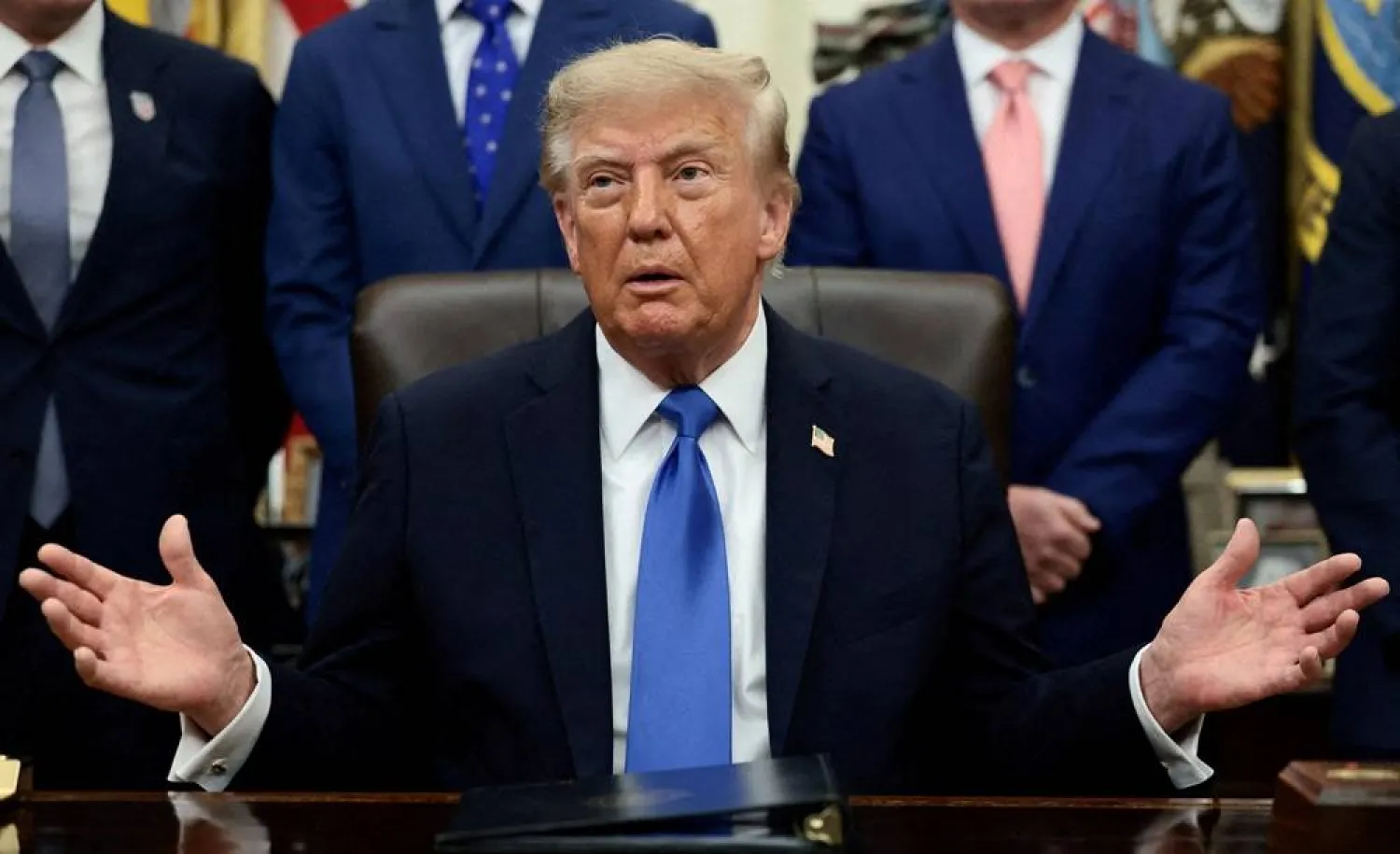
US President Donald Trump, French President Emmanuel Macron and Ukrainian President Volodymyr Zelenskiy during a working session at the G7 summit in Evian-les-Bains, France, June 16, 2026. (Reuters)
TT

Trump Calls for Russia Deal with Zelenskiy, Vague on Pressure

US President Donald Trump, French President Emmanuel Macron and Ukrainian President Volodymyr Zelenskiy during a working session at the G7 summit in Evian-les-Bains, France, June 16, 2026. (Reuters)

US President Donald Trump said Russia should make peace with Ukraine after a "very good" meeting with President Volodymyr Zelenskiy on Tuesday, but there were few details of any concrete steps to raise the pressure on Moscow.

Trump, who arrived at the G7 summit in the French lakeside resort of Evian-les-Bains brandishing a preliminary deal to end his war with Iran, said he would do what he could do to end the conflict in Ukraine, now deep into its fifth year.

"Look, Russia should make a deal," Trump told reporters, adding that too many young men were dying on the battlefield on both sides. "I'm gonna do whatever I can."

After the group meeting with Trump, Zelenskiy told Reuters that G7 leaders agreed that Russia was not winning the war. He said they also ‌discussed additional sanctions ‌targeting Russia's oil exports, its banking sector and its military production to bring Moscow to the ‌negotiating ⁠table.

Zelenskiy and his ⁠European allies want to underline to Trump how Ukraine's battlefield fortunes have shifted, hoping he will lean harder on Russia to gain leverage in eventual peace talks.

Zelenskiy said on Monday he had offered to meet Russia's Vladimir Putin at the G7 summit, but a Kremlin aide said on Tuesday that did not come up in a call between Trump and Putin.

Trump was due to have face-to-face talks with Zelenskiy later on Tuesday. Earlier, Ukraine's presidency shared images of Zelenskiy in conversation with Trump and US Secretary of State Marco Rubio on the summit's sidelines.

POSITIVE TALKS ON UKRAINE

Two European diplomats said that, during the meeting, Zelenskiy showed Trump images ⁠of the aftermath of a Russian strike on Monday on Kyiv's Pechersk Lavra monastery.

Trump expressed ‌disapproval of the strike, one of the European diplomats said, while the other ‌said that it had been "psychologically" a good move by Zelenskiy to show the images.

European diplomats said the tone of the ‌meeting had been constructive.

But two of the diplomats said Trump had been noncommittal on imposing further US sanctions on Moscow, ‌as European leaders want.

Trump told reporters Washington was now in a position to let Russian oil waivers lapse after an interim accord to end the Iran war soothed markets, but he did not address the question of broader punitive measures.

European leaders have wanted to convince Trump that previous US positions on the possible terms of a deal were overly favorable towards Moscow, particularly now that Ukraine's drone incursions into Russia have ‌improved its fortunes.

"The tide is turning for Ukraine," European Commission President Ursula von der Leyen posted on X. "Russia's fatigue is openly showing. That's the time to double down on ⁠our support."

A French diplomat ⁠said G7 leaders had agreed that the battlefield dynamic was now in Ukraine's favor, and committed to providing Kyiv with more air defense capabilities - a key priority for Zelenskiy as he grapples with increased civilian strikes from Russia.

G7 TO EXAMINE HORMUZ SHIPPING PROBLEM

European leaders were also set to warn Trump that an interim deal with Iran risks entrenching Tehran's nuclear and ballistic missile programs. President Emmanuel Macron said the priority was to ensure there was a "solid, serious agreement that is finalized".

Tuesday's working lunch focused on the safe reopening of the Strait of Hormuz, which Iran largely closed at the end of February. Leaders also sought to identify alternative routes to bypass the waterway, which Trump said would be "completely open" on Friday.

The interim deal should open a 60-day window for complex technical negotiations that would include the fate of Iran's stockpile of highly enriched uranium and the lifting of international sanctions.

However, European allies fear that an inexperienced US negotiating team may fail to secure a robust nuclear agreement or address Iran's ballistic missile program in the next phase, potentially creating a prolonged standoff.

Trump said the deal stated "loud and clear" that Iran would not develop a nuclear weapon - something Iran has long denied seeking to do.


Iran Says Talks on Final US Deal to Begin This Week

An aerial picture taken on May 10, 2024 shows the Burgenstock resort above Lake Lucerne. (AFP)
TT

Iran Says Talks on Final US Deal to Begin This Week

An aerial picture taken on May 10, 2024 shows the Burgenstock resort above Lake Lucerne. (AFP)

Iran on Tuesday said talks with the United States on its nuclear program and sanctions relief would likely begin later this week, as President Donald Trump's announcement that the Strait of Hormuz would reopen sent oil prices tumbling. 

Officials say negotiations over a final deal will take place within a 60-day window after the memorandum of understanding to end nearly four months of war triggered by US-Israeli strikes on Iran is physically signed. 

"Likely on Friday, at a location to be determined... a new round of negotiations between Iran and the United States to reach a final agreement will begin," Iranian Foreign Minister Abbas Araghchi said. 

"In the final agreement, decisions will be made on the nuclear issues and the lifting of sanctions." 

According to Iran's deputy foreign minister Majid Takht-Ravanchi, Iran's top negotiator Mohammad Bagher Ghalibaf will attend the signing in Switzerland, which Bern said would take place at the luxury Burgenstock resort overlooking Lake Lucerne. 

The mountainside venue "was proposed by Pakistani and Qatari mediators, as well as by the US and Iran," the Swiss foreign ministry told AFP. 

The US side will be represented by Vice President JD Vance, who said Trump might also attend. 

The developments came after Trump said an Iranian blockade on the crucial Hormuz strait oil and gas route would be fully lifted by Friday, which would be a major boost to the global economy. 

"Ships are starting to move, many loaded up with Oil, out of the Strait of Hormuz," Trump said Monday. 

Optimism over the reopening of Hormuz has sent the price of the international benchmark Brent North Sea crude tumbling below $80 a barrel, a three-month low. 

The US had, in retaliation, imposed its own blockade on Iranian ports. 

Iranian state television said Iranian oil tankers and other vessels had resumed shipping following the deal, with Takht-Ravanchi saying the US blockade "has been lifted prior to the formal signing". 

Sporadic episodes of violence since an April ceasefire had threatened a deal, but weeks of indirect negotiations mediated by Pakistan and Qatar built momentum for an interim agreement. 

- 'Powerful document' - 

Yet a comprehensive agreement on Iran's nuclear ambitions and Western sanctions remains elusive. 

Washington and close ally Israel are pressing to strip Iran of its stockpile of highly enriched uranium, said to have been buried by US strikes last year, while Iran has insisted on its right to enrichment. 

The agreed framework has however paved the way for talks on those key disputes. 

Asked at the G7 in France when the text would be released, Trump said: "It's a very powerful document, and I want it to be released. So probably pretty soon." 

Iran's ultraconservative newspaper Vatan-e Emrooz praised the agreement as a "Trump surrender document". 

But Araghchi struck a more cautious note. 

"We have a history of broken commitments... we have a history of agreements being torn up. All of this is present in our minds," he said. 

A senior US administration official, however, said Trump, Vance and negotiator Ghalibaf had already signed the text electronically. 

In a flurry of interviews to talk up the deal, Vance said no US taxpayer money would go to Iran under the deal, as Iranian media reported $12 billion of frozen assets would be released. 

Vance told NBC that nuclear inspectors would also be allowed to enter Iran. 

- Lebanon crucial to deal - 

Analysts have warned that the parallel conflict in Lebanon between Israel and Iran-backed Hezbollah presents the biggest threat to the diplomatic thaw. 

Lebanon was pulled into the war in March when Hezbollah launched rockets at Israel after the killing of Iran's supreme leader, prompting Israeli strikes and a ground invasion. 

That theater of the conflict could be "the biggest ultimate spoiler" of the coming negotiations, said Ross Harrison, a senior fellow at the Middle East Institute. 

Lebanon's president and prime minister on Tuesday discussed preparations for a new round of direct talks with Israel scheduled to begin next week, seeking a permanent truce and withdrawal of Israeli troops from the country's south, according to a presidency statement. 

But Israeli figures quickly condemned the US-Iran deal that included Lebanon, and Prime Minister Benjamin Netanyahu pledged that the country's forces would remain in Gaza, Lebanon and Syria "for as long as necessary". 

Araghchi however said ending the war on all fronts including Lebanon was "the most important" issue in the peace deal. 

"Ending the war in Lebanon is an inseparable part of the complete end of the war". 


China Warns Next Phase of US-Iran Talks Will Be ‘More Difficult’

 Tankers and cargo vessels are seen in the Gulf of Oman, along shipping routes linking the Strait of Hormuz and the Arabian Sea, Tuesday, June 16, 2026. (AP)
Tankers and cargo vessels are seen in the Gulf of Oman, along shipping routes linking the Strait of Hormuz and the Arabian Sea, Tuesday, June 16, 2026. (AP)
TT

China Warns Next Phase of US-Iran Talks Will Be ‘More Difficult’

 Tankers and cargo vessels are seen in the Gulf of Oman, along shipping routes linking the Strait of Hormuz and the Arabian Sea, Tuesday, June 16, 2026. (AP)
Tankers and cargo vessels are seen in the Gulf of Oman, along shipping routes linking the Strait of Hormuz and the Arabian Sea, Tuesday, June 16, 2026. (AP)

China's top diplomat told his Pakistani counterpart on Tuesday that the next phase of negotiations between the United States and Iran -- which Pakistan has helped mediate -- will be "more difficult".

In a phone conversation ahead of the planned signing on Friday of a US-Iran memorandum of understanding to end their war, Chinese Foreign Minister Wang Yi told Pakistan's Ishaq Dar that "it is foreseeable that, compared with the first stage, the second stage of negotiations will be more difficult".

Wang added that the United Nations Security Council "should also play a greater role" in supporting these talks, according to a statement from Beijing's foreign ministry.

"The current consensus is far from the final destination, rather it is a new starting point," Wang said.

"Achieving lasting peace in the Middle East and Gulf region still requires unremitting efforts from all parties," Wang said, adding that China was willing to work with Pakistan to promote peace.

Pakistani officials have previously said China, Islamabad's close ally and Iran's top trading partner, played a key role in supporting its mediation efforts.

Pakistan's foreign ministry said Wang and Dar agreed during their call to continue "engagement for the peaceful settlement of all outstanding issues", including the Strait of Hormuz maritime oil route that is subject to competing blockades that have roiled energy markets.

"They noted the importance of opening of the Strait of Hormuz for the global economy, energy security, and international trade," a ministry statement said.