
Iraqi Prime Minister Ali al-Zaidi has carried out a surprise reshuffle of senior security and economic posts, removing or replacing three prominent figures in moves that come just days after high-level talks with US presidential envoy Tom Barrack in Baghdad.
The changes include the appointment of Bassem al-Badri as head of the National Security Service, replacing Abdul Karim al-Basri, widely known as Abu Ali al-Basri. The veteran security official had long been associated with the Interior Ministry’s elite Falcon Intelligence Cell and has been one of Iraq’s most influential intelligence figures over the past decade.
Abu Ali al-Basri played a central role in directing sensitive intelligence operations and tracking leaders of al-Qaeda, ISIS and members of the former Baath Party. During former prime minister Nouri al-Maliki’s second term from 2010 to 2014, he became highly influential while overseeing critical security matters. The Falcon Intelligence Cell was frequently described as the intelligence body closest to the commander-in-chief’s office during that period.
His successor, al-Badri, has served since 2013 as head of the de-Baathification department within Iraq’s Higher National Commission for Accountability and Justice.
Ali al-Allaq was reportedly relieved of his duties as governor of the Central Bank of Iraq. He is expected to be succeeded by Nizar Nasser, who heads the bank’s Anti-Money Laundering and Counter-Terrorism Financing Office.
Al-Allaq oversaw Iraqi monetary policy through a period marked by major financial and economic challenges. Nasser’s appointment comes as Baghdad faces growing pressure to tighten oversight of the financial sector and strengthen efforts to combat money laundering and illicit financing.
The reshuffle also reportedly includes the dismissal of National Security Adviser Qasim al-Araji and the appointment of Qasim al-Aboudi as a replacement, adding another significant security dimension to the changes affecting key state institutions.
The Iraqi government has yet to issue an official explanation for the decisions or indicate whether they form part of a broader restructuring of the country’s security and economic apparatus.
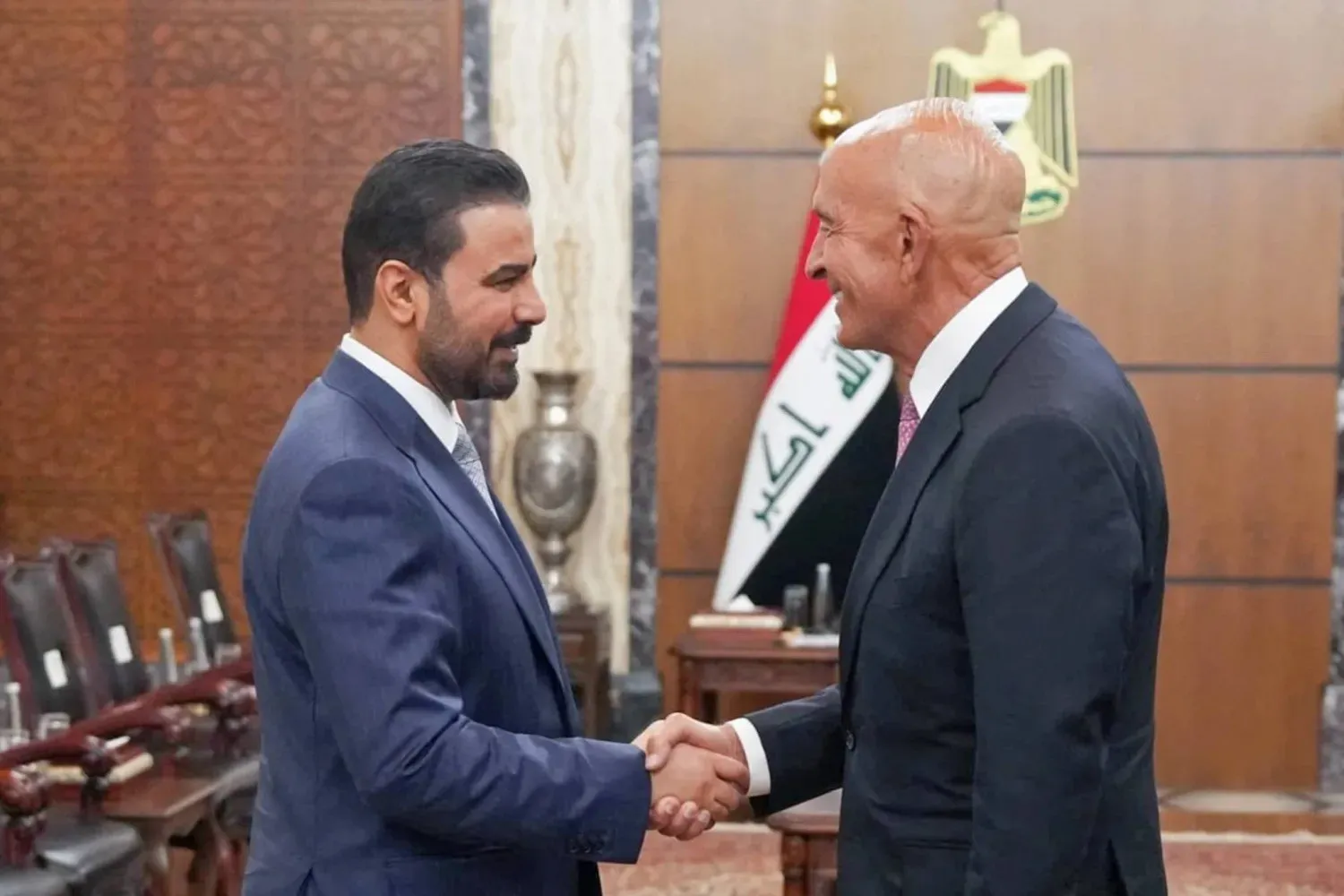
The moves follow recent talks in Baghdad between al-Zaidi and Barrack that, according to official statements, produced understandings on security, economic cooperation and broader bilateral relations.
Iraqi officials said the discussions yielded agreement on a package of measures aimed at reinforcing the state’s monopoly on arms, advancing the disarmament of armed factions operating outside government control, and providing security guarantees for American companies investing in Iraq.
The developments come ahead of an anticipated summit between al-Zaidi and US President Donald Trump at the White House in mid-July. Baghdad is seeking to strengthen ties with Washington and attract foreign investment while simultaneously reshaping key security and economic portfolios at home.