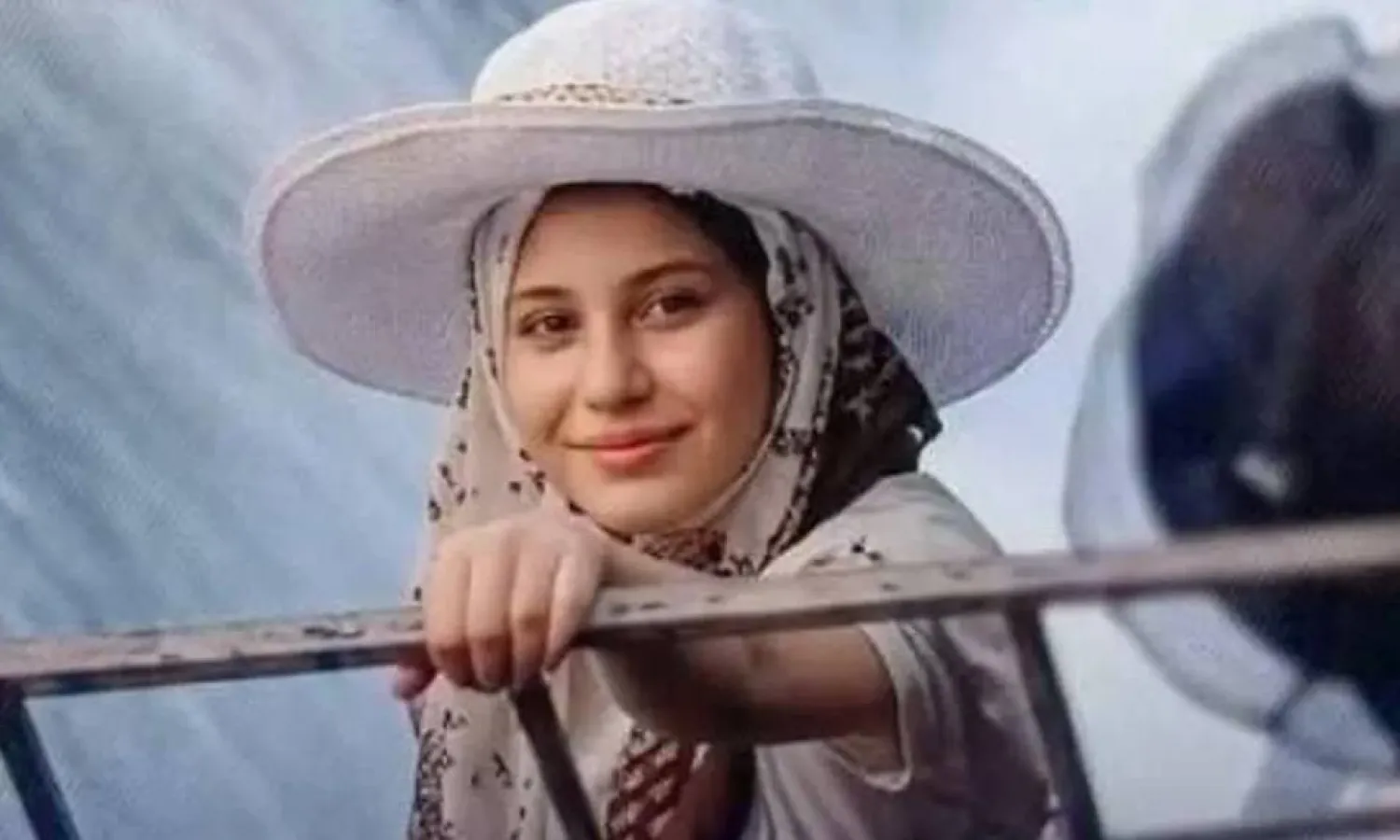

After nine days of searching and waiting, the body of 11-year-old Iraqi girl Ruqaya was found in a valley in the Ahmad Awa tourist area of northern Halabja province, following a drowning incident that drew widespread sympathy across Iraq and prompted officials to call for tighter safety measures at tourist sites near waterways.
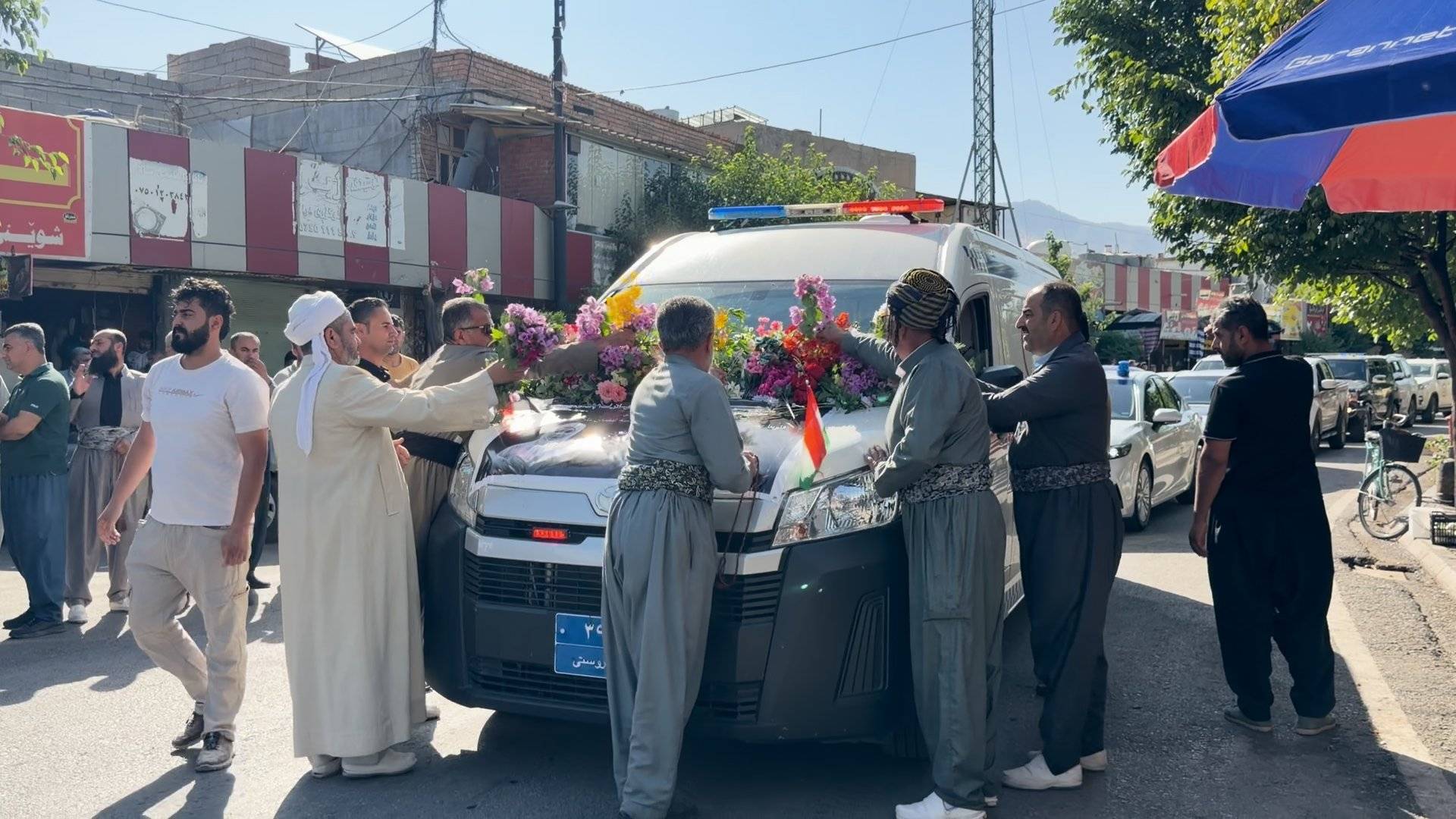
Ruqaya was buried in her hometown of Karbala on Friday after a farewell ceremony in Halabja province, where hundreds of residents lined the roads to bid her farewell, carrying flowers, according to circulated video footage. One mourner said the child’s farewell had broken their hearts.
Halabja Civil Defense Director Abidin Abdulrahman said rescue teams, divers and volunteers found the girl’s body on Wednesday after intensive and continuous search operations involving specialized teams and dozens of volunteers from different areas.
The incident dates back to June 9, when Ruqaya, a resident of Karbala, was on a family vacation at the Ahmad Awa resort, one of Halabja province’s most prominent natural sites. While she was near the Zalm spring, she fell into the water before strong currents swept her away and she disappeared from view.
Local authorities launched wide search operations immediately after the incident, scouring the valley and surrounding areas with the participation of civil defense teams, specialized divers and volunteers from Halabja, Hawraman, Shahrizor and other areas, in an effort to find the child.
Local officials said the mountainous nature of the area, the large number of rocks and the force of the water flow made the search difficult. The operations continued for more than a week amid wide public and media attention.
The discovery of the body triggered grief in Iraq, where the girl’s story had become a matter of public concern in recent days and was widely followed by media outlets and social media platforms.
After the body was found, the funeral convoy set off from Halabja province toward Karbala, with broad official and public participation. Hundreds of citizens lined the roads in several cities and towns in Sulaymaniyah province to bid farewell to the child and show solidarity with her family.
Although initial arrangements called for the body to be taken directly to Karbala on Thursday morning, residents of Khormal district insisted that the convoy pass through their town so they could take a final look at the child whose search they had followed over the previous days.
Video footage showed large numbers of residents gathering in Khormal and Sayid Sadiq, carrying flowers and standing on both sides of the road as the funeral convoy passed, reflecting the scale of public reaction to the incident.
A group of ambulance volunteers in Sulaymaniyah took charge of transporting the body to Karbala, while a number of volunteers accompanied the body on the long journey to support the family and take part in the mourning ceremonies.
The body arrived in Karbala on Thursday, accompanied by an official delegation from Halabja province, including Halabja district commissioner Simko Salar and Civil Defense Director Abidin Abdulrahman.
The convoy stopped at the forensic medicine department to complete legal procedures for issuing the death certificate before the body was taken to Jannat Karbala cemetery.
Local officials, social figures, members of the child’s family and hundreds of citizens took part in the funeral, which ended with her burial at the cemetery south of the city.
In the first official response after the body was found, Kurdistan Regional Government Prime Minister Masrour Barzani offered condolences to the girl’s family and thanked the people of Halabja province and the Hawraman area, as well as the volunteer teams that took part in the search.
Barzani said in a statement that the incident required stricter safety measures and instructions at tourist sites, especially areas located near rivers, dams and water sources, in order to reduce the risk of similar incidents recurring.
Safety measures
Karbala Governor Nassif Jassim al-Khattabi said he planned to visit Halabja province in the coming days to thank its officials and residents for what he described as the humanitarian position they had shown toward the child’s family.
Khattabi said in a statement that the solidarity that accompanied the search operations, the discovery of the body and the funeral procession “embodies the highest meanings of brotherhood and national unity,” adding that such positions would remain deeply appreciated by the people of Karbala province.
Ahmad Awa is one of the most prominent tourist destinations in the Kurdistan Region, attracting thousands of visitors each year from various Iraqi provinces, especially during spring and summer, because of its mountainous landscape and water springs.
Ruqaya’s death has revived public and official calls for a review of safety measures at natural and tourist sites that draw large crowds during holiday seasons, especially in areas with rough terrain or fast-moving waterways.