
Wife of Iraqi Official Accused of Corruption Allegedly Burns Millions of Dollars in Clay Oven

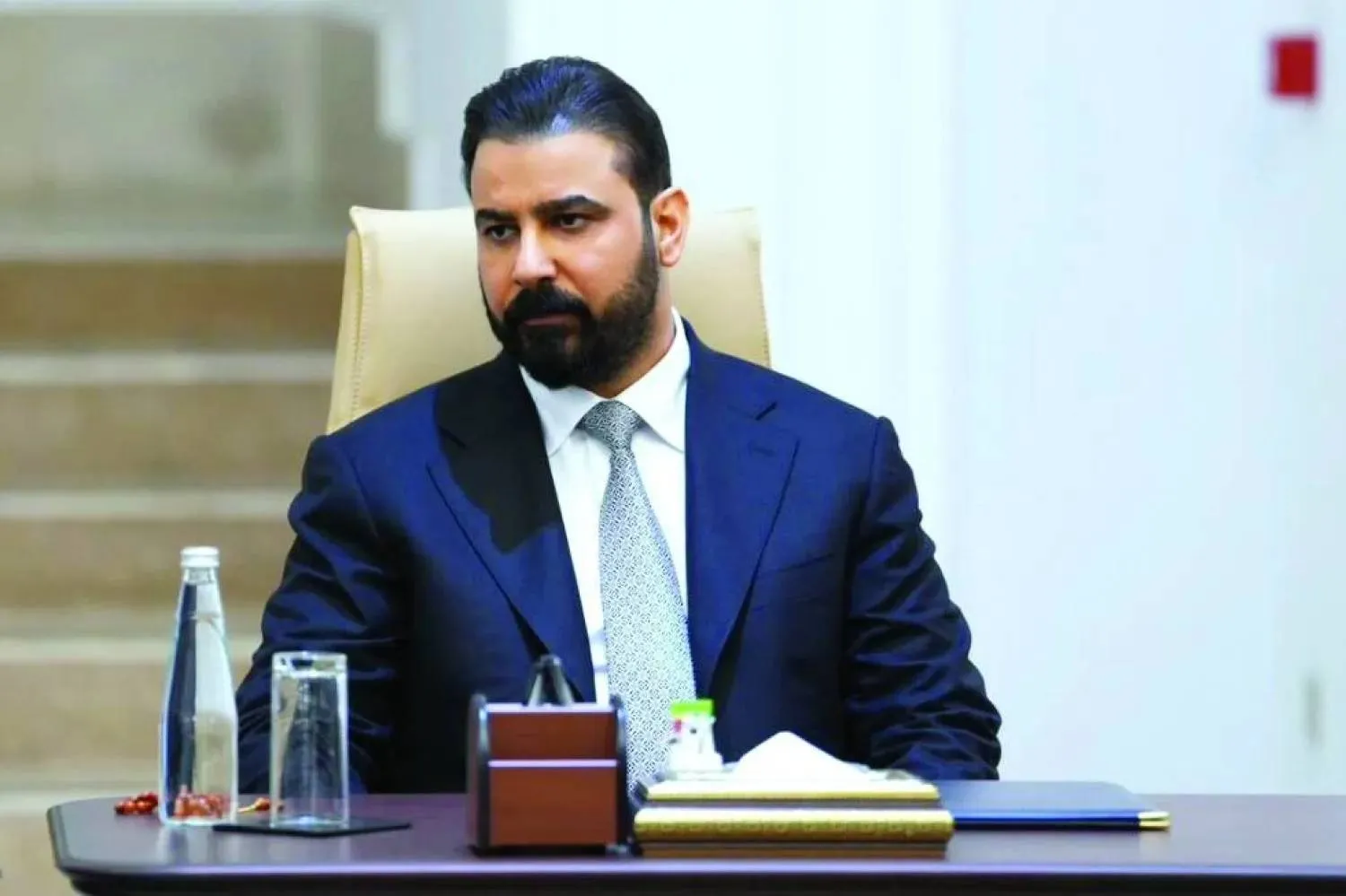
Iraqi Prime Minister Ali al-Zaidi. (AP) 
TT

Wife of Iraqi Official Accused of Corruption Allegedly Burns Millions of Dollars in Clay Oven

Iraqi Prime Minister Ali al-Zaidi. (AP) 

As the Iraqi government intensifies its anti-corruption campaign, the arrests of senior officials across several ministries have been accompanied by allegations that read almost like fiction.

Two senior officials from the Oil and Electricity Ministries have reportedly confessed to embezzling millions of US dollars and billions of Iraqi dinars, as well as participating in what authorities describe as one of the country’s largest money-laundering operations.

The officials and their alleged backers—widely known in Iraq as the “whales of corruption”—are now at the center of a widening investigation.

At the same time, social media platforms and local news outlets have been awash with stories about how illicit wealth was concealed, whether in fortified homes or on private estates.

One of the most widely circulated claims alleges that the wife and sister of former Oil Ministry official Adnan al-Jumaili burned more than $5 million and billions of Iraqi dinars in a traditional clay oven at a family farm in Salahuddin province before security forces arrived to conduct a search.

An Iraqi source told Asharq Al-Awsat that teams from the Integrity Commission, headed by Mohammed Ali al-Lami and operating under directives from Prime Minister Ali al-Zaidi, have not officially confirmed whether large sums of money were actually destroyed or whether additional cash was found at specific homes and orchards.

According to the source, recovered funds have been deposited in the state treasury pending further investigations into whether the confessed crimes were carried out independently or on behalf of a broader network.

“The scale of these funds and the manner in which they were obtained leave no doubt that those responsible, enjoyed protection from powerful figures,” the source said. “They may have been little more than front men.”

Iraq’s judiciary has issued arrest warrants for the wife and sister of detained former Oil Ministry undersecretary Adnan Mohammed Mahmoud al-Jumaili, accusing them of burning billions of dinars and more than $5 million before security forces reached the property.

According to a statement from the Supreme Judicial Council, headed by Faiq Zaidan, investigators seized assets linked to al-Jumaili valued at roughly $10 million, in addition to real estate, gold and weapons. Al-Jumaili served as undersecretary for refining affairs at the Oil Ministry.

The statement said preliminary investigations uncovered nearly 40 properties in Baghdad, Salahuddin and Erbil, along with approximately $10 million in cash and 3 billion Iraqi dinars.

Authorities also confiscated about 1.5 kilograms of gold jewelry and large quantities of light and medium weapons. Investigations remain ongoing to identify all individuals and entities connected to the case.

From “Most Honest Employee” to Corruption Suspect

Days after al-Jumaili’s arrest, authorities detained Alaa Samir al-Jubouri, director general of the Middle Electricity Distribution Company and the recipient of Iraq’s 2023 “Most Honest Employee” award. Interior Ministry reports said he was caught in possession of tens of billions of Iraqi dinars.

Following al-Jumaili’s arrest, Communications Minister Mustafa Sanad accused him on Facebook of acting as a conduit for political-party corruption and the sale of government posts within the Oil Ministry.

Commenting on the broader anti-corruption drive, Ghaleb al-Daami, a media professor at Mustansiriyah University, said the campaign reflects an unprecedented level of coordination among the government, judiciary and Integrity Commission.

“This is the first time since 2003 that state institutions have worked together in this way,” al-Daami told Asharq Al-Awsat. “In the past, conflicts between executive and judicial authorities often undermined accountability. Today, the process appears markedly different.”



Abdelatty Receives Al-Sheikh as Egypt Steps Up Efforts for Palestinian Reconciliation

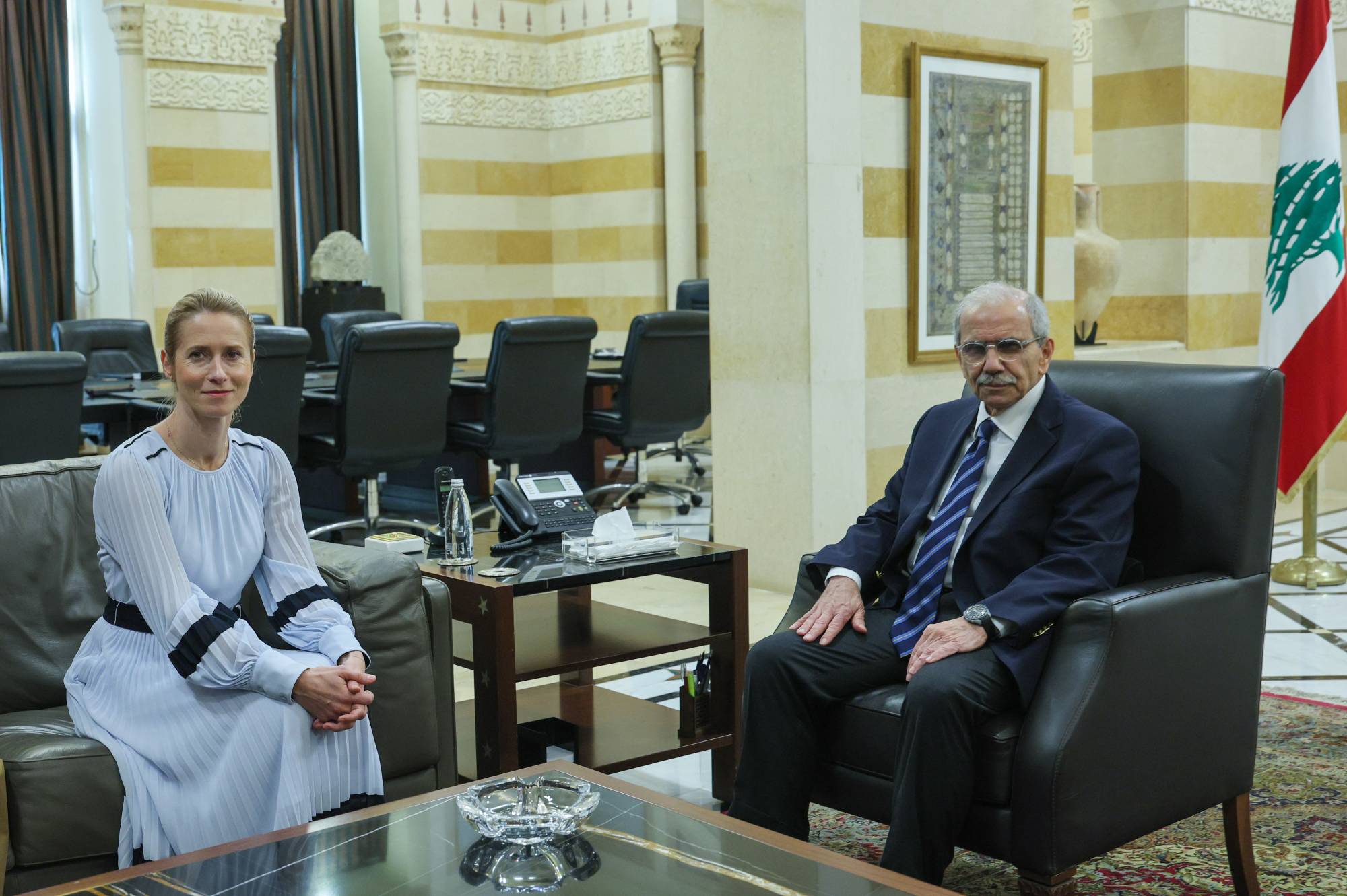
Egyptian Foreign Minister Badr Abdelatty receives Palestinian Vice President Hussein al-Sheikh on Tuesday. (Egyptian Foreign Ministry)
TT

Abdelatty Receives Al-Sheikh as Egypt Steps Up Efforts for Palestinian Reconciliation

Egyptian Foreign Minister Badr Abdelatty receives Palestinian Vice President Hussein al-Sheikh on Tuesday. (Egyptian Foreign Ministry)

Egypt is pressing ahead with intensive diplomatic efforts to achieve Palestinian reconciliation through a series of meetings with the Palestinian Authority (PA) in the Egyptian city of El Alamein, a day after an Egyptian source told Asharq Al-Awsat that preparations were underway for a Palestinian national dialogue.

Egyptian Foreign Minister Badr Abdelatty received Palestinian Vice President Hussein al-Sheikh in El Alamein, Palestinian National Council President Rawhi Fattouh and Fatah Central Committee member and Palestinian intelligence chief Majed Faraj as part of continuing consultations on developments in the Palestinian Territories and efforts to support the legitimate rights of the Palestinian people, Egypt’s Foreign Ministry said Tuesday.

The meeting addressed efforts to achieve Palestinian reconciliation, restore Palestinian unity and continue the ongoing political reform process.

The officials also discussed the “catastrophic situation in the Gaza Strip resulting from the inhumane Israeli practices”, as well as the need for the international community to pressure Israel to fulfill its obligations under US President Donald Trump’s peace plan.

These include allowing humanitarian aid to flow unhindered and carrying out withdrawals from Gaza to pave the way for the PA to resume full responsibility for the enclave.

The Egyptian statement quoted al-Sheikh as praising Cairo’s efforts and contacts to halt escalation, advance implementation of the peace plan and support the PA.

He stressed the importance of maintaining close coordination and consultations with Egypt in the coming period.

On Sunday evening, Egyptian General Intelligence Service chief Hassan Rashad received a PA delegation headed by al-Sheikh and including Fattouh and Faraj as part of Cairo’s efforts to promote Palestinian unity.

The talks covered developments in the West Bank and upcoming Palestinian elections. They agreed to coordinate national efforts to confront the challenges facing the Palestinian cause, according to Egypt’s official news agency.

In a related development, an informed Palestinian source told Asharq Al-Awsat on Tuesday that Egypt was engaged in intensive contacts with the PA and factions aimed at unifying Palestinian ranks.

The source stressed that Cairo’s efforts to arrange a meeting between Fatah and Hamas in Egypt were continuing.

Three Hamas sources said Monday that the movement had been informed that Fatah had canceled a meeting scheduled to take place in El Alamein to discuss several issues, foremost among them legislative elections set for November 28.

The three sources separately told Asharq Al-Awsat that Egypt had arranged the bilateral meeting for Monday, but it was canceled at Fatah’s request. They offered no explanation for the cancellation.

Efforts to reconcile the Palestinian factions have been pursued for years, with Cairo sponsoring several rounds of talks that failed to produce a final agreement.

Hamas is now moving toward an alliance with Palestinian politician Mohammed Dahlan, who previously broke with Fatah, ahead of the elections.

On Monday, an informed Egyptian source told Asharq Al-Awsat that Egypt was preparing for an intra-Palestinian dialogue that Palestinian President Mahmoud Abbas could attend.


Syria, Lebanon Revive Rail Link Plans, Eye Connections to Iraq, Gulf and Türkiye

Syrian Transport Minister Yarub Badr and Lebanese Public Works and Transport Minister Fayez Rasamny speak at a press conference at the Syrian Transport Ministry. (SANA)
TT

Syria, Lebanon Revive Rail Link Plans, Eye Connections to Iraq, Gulf and Türkiye

Syrian Transport Minister Yarub Badr and Lebanese Public Works and Transport Minister Fayez Rasamny speak at a press conference at the Syrian Transport Ministry. (SANA)

Lebanese Public Works and Transport Minister Fayez Rasamny announced Tuesday that Lebanon and Syria had set the broad outlines for rail connectivity between the two countries, with a technical committee to examine a unified route linking them to Iraq, the Gulf states and Türkiye.

Speaking at a joint news conference in Damascus with Syrian Transport Minister Yarub Badr, Rasamny explained that a specialized committee would study the technical aspects of preparing the route.

Badr noted that the two sides had reached understandings paving the way for practical steps to serve their transport sectors and agreed to form a joint technical team to follow up on implementation.

He added that cooperation between Syria and Lebanon could help attract donor support and secure financing for joint projects, while efforts were underway to remove obstacles hindering progress.

Badr met Rasamny at the Transport Ministry in Damascus to discuss improving transport links between the two countries. Their talks covered several key files, foremost among them strengthening road and rail connections.

Badr reviewed the state of Syria’s land transport sector and prospects for its development under the national sustainable land transport policy, based on economic efficiency, competitiveness, social integration, safety and environmental considerations.

He outlined plans to rehabilitate and expand the main road network, advance digital transformation, regulate the sector and develop railway projects.

Badr stressed the importance of closer coordination and intensified efforts to improve transport links with Lebanon, facilitate the movement of people and goods, stimulate trade and strengthen connectivity with the wider region.

Rasamny called for accelerating work, exchanging ideas and expertise, and setting clear, time-bound objectives. He said that such steps would strengthen Syrian-Lebanese cooperation, support economic prosperity in both countries and expand commercial transport links with their regional surroundings.

Lebanese government sources had earlier told Syria TV that the official visit was devoted to discussing joint transport and infrastructure files and reviving technical cooperation between the relevant ministries and institutions in both countries.


Israel Defense Minister Vows to Keep Troops in Syria During Visit

25 June 2024, Jerusalem: Israeli Defense Minister Israel Katz is pictured in Jerusalem. (dpa)
TT

Israel Defense Minister Vows to Keep Troops in Syria During Visit

25 June 2024, Jerusalem: Israeli Defense Minister Israel Katz is pictured in Jerusalem. (dpa)

Israeli Defense Minister Israel Katz made a rare visit to troops in southern Syria on Tuesday, reiterating a pledge to keep forces in the area as long as there were "threats" to his country's security.

Damascus slammed Katz's "illegal entry" into the country, which came a week after Israel bombed the disused Abu al-Duhur base in northwestern Syria, claiming it wanted to prevent Turkish troops deploying to the facility. Ankara has denied any visit to the site.

In southern Syria, Israeli forces have been stationed in a "security zone" since the fall of longtime ruler Bashar al-Assad in December 2024.

They occupy what was previously a buffer zone patrolled by the United Nations that had separated Israeli and Syrian forces in the Israeli-occupied Golan since 1974.

"There is daily activity here to thwart threats, to eliminate remnants of the old regime, to prevent dangerous consolidation of the new regime," Katz said according to a video statement from his office.

"The message is clear to the president of Syria as well: when you wake up in the morning in your palace in Damascus, look up at Mount Hermon and see the Israeli army -- you know we are here to protect our communities and our border," he added.

"As long as there are threats, the army will remain here to guarantee our security -- this is what we have done and this is what we intend to continue doing in the future," Katz said.

Syria's foreign ministry said Katz's visit was a "flagrant violation of the country's sovereignty and territorial integrity".

It went on to urge the international community to take "the necessary measures to force the occupying authorities to halt these repeated violations".

Israel has carried out hundreds of strikes in Syria since the fall of Assad and made repeated incursions into Syrian territory.

Officials have also repeatedly vowed to keep troops in the security zone, where Israel is seeking a broader demilitarized area.

Israeli army chief Lieutenant General Eyal Zamir visited troops in the security zone last week, saying the military would not allow threats to "establish themselves" on the border.

During his visit on Tuesday, Katz addressed the strike on the Abu al-Duhur air base, saying Israel had "acted against a Turkish attempt to entrench itself in Syria, at the risk of Israel's security interests".