




Sudan’s army is increasingly absorbing defectors from the Rapid Support Forces (RSF), betting that growing divisions within the paramilitary group can help consolidate military gains in a civil war that has become one of the world’s worst humanitarian crises.
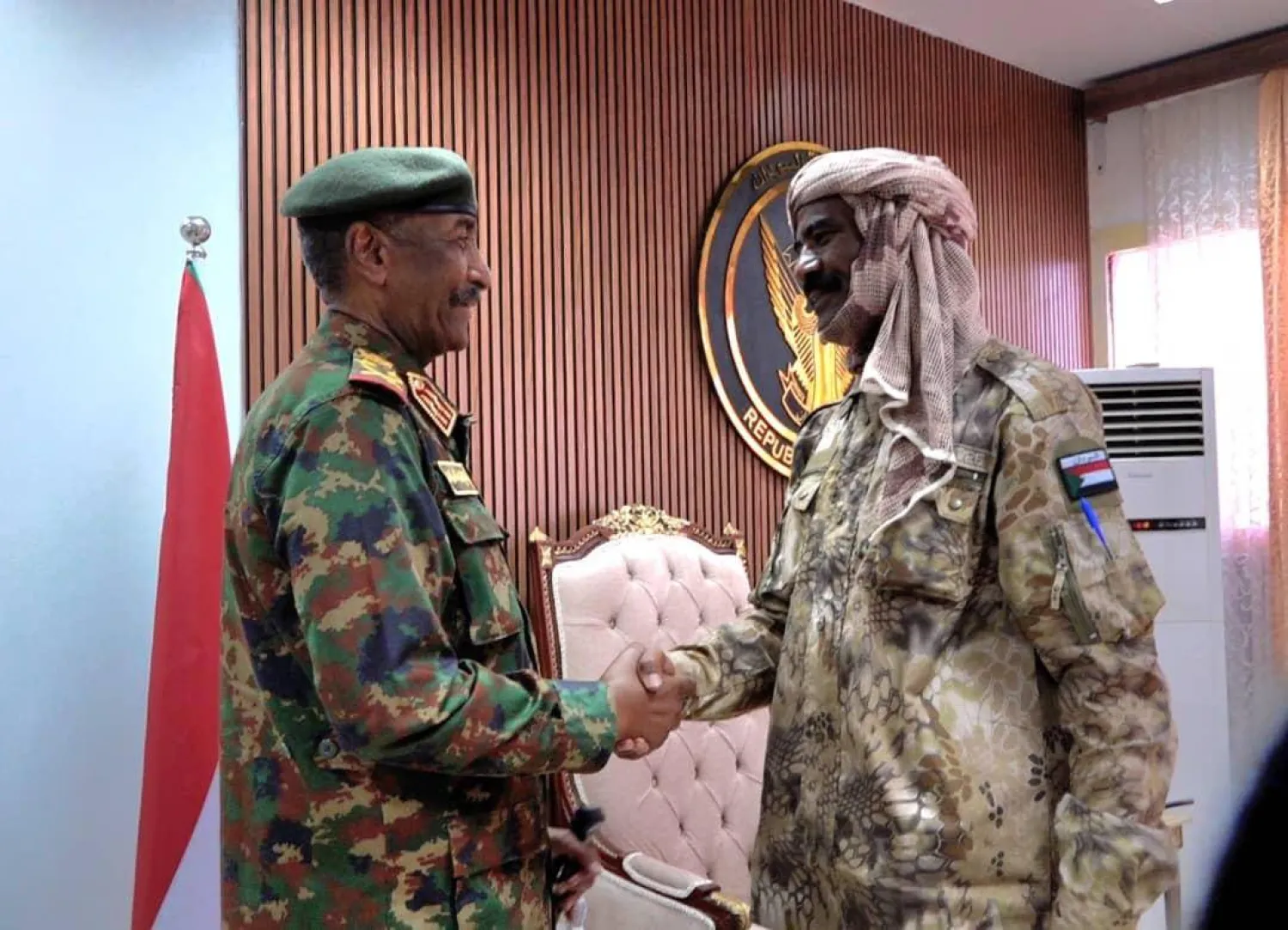
The latest sign of that strategy came last month when authorities in Khartoum granted a military rank to Ali Rizqallah, a former RSF commander who defected alongside several other senior figures. The army-backed government welcomed the move as evidence of widening cracks within the RSF.
The conflict erupted on April 15, 2023, after a power struggle between the army and RSF spiraled into open warfare. Since then, the war is believed to have killed hundreds of thousands of people, displaced millions, and fueled famine and disease across large parts of the country.
Some of the worst violence has unfolded in Darfur, an RSF stronghold where the force has been accused of committing atrocities. Alleged abuses during the group’s assault on al-Fashir last October were documented in a Reuters investigation.
Halima, a resident of Darfur now living in the town of Tawila, said she was forced to flee repeatedly as RSF fighters raided villages surrounding al-Fashir. She recounted that she witnessed women being raped and was herself whipped by RSF personnel.
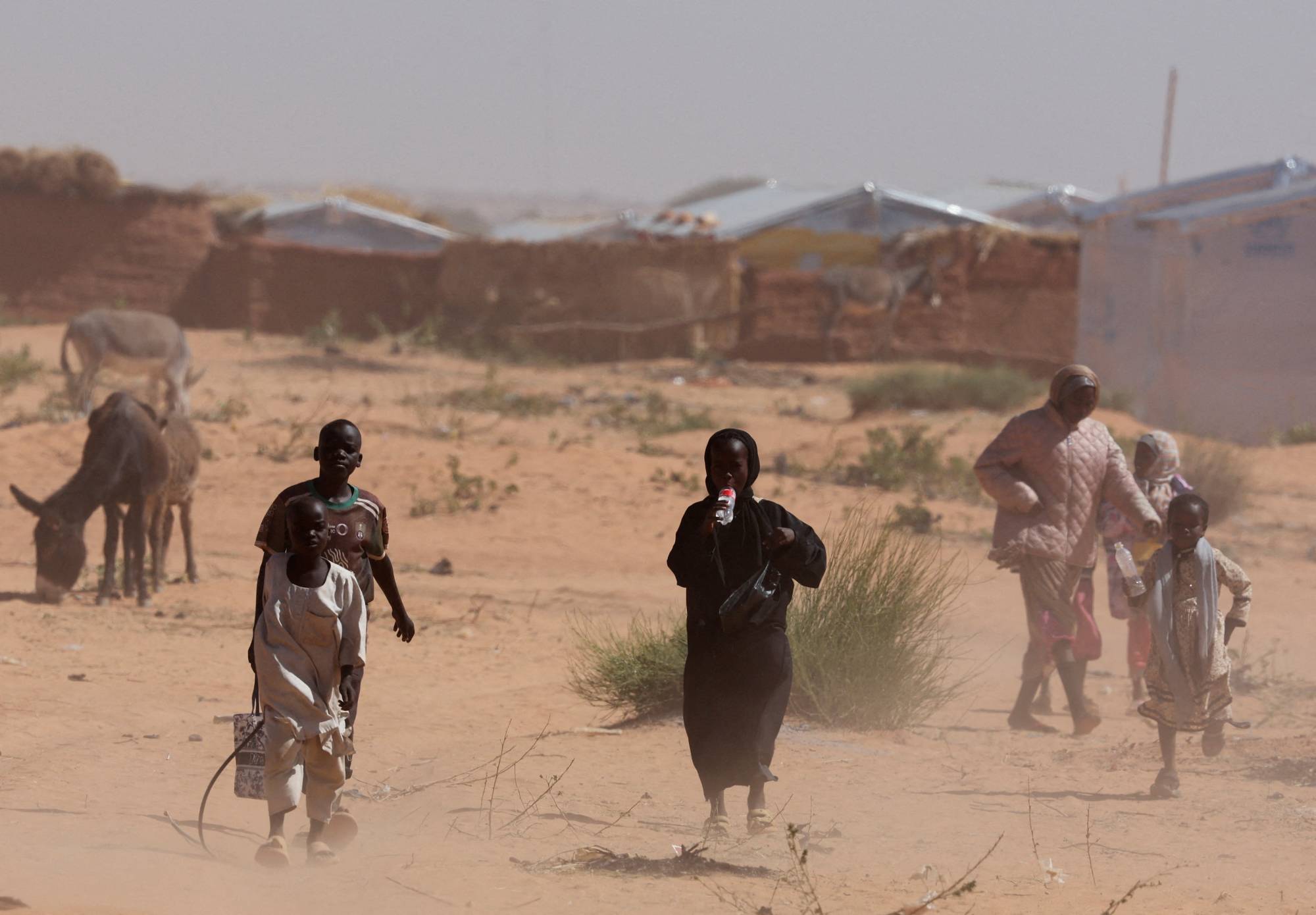
“My arm is covered in scars all the way down to here,” she said, pointing toward her leg as she described the marks left on her body.
Anger toward the RSF is also widespread in neighboring Kordofan. A merchant in the town of Al-Nuhud revealed that he plans to file a lawsuit over the looting of warehouses and food stores.
Speaking on condition of anonymity for fear of retaliation, he blamed the RSF for the losses. But Mohamed Salah al-Din, a member of the executive council of the Emergency Lawyers group, said such individual cases are unlikely to gain broad traction amid the turmoil of war.
“This issue cannot be addressed piecemeal,” he stated. “It requires transitional justice.”
His comments contrast with efforts already underway to prosecute alleged collaborators. Emergency Lawyers said it has documented 243 cases referred to the courts involving accusations ranging from supplying intelligence to the RSF to cooking for its fighters.
The army is also seeking to exploit tribal tensions within the RSF’s support base. Several of the group’s senior commanders come from the Arab Rizeigat tribe, where rival clans have become increasingly divided, particularly after an RSF raid earlier this year on the hometown of Musa Hilal, a powerful tribal leader aligned with the military.
Hilal belongs to the Mahamid clan, while critics accuse the RSF of operating through a tribal and ethnic hierarchy that disproportionately benefits the family of its commander, Mohamed Hamdan Dagalo, better known as Hemedti.
“The RSF has become the preserve of a specific group and a single family,” critics said. “The project that builds a state must be a Sudanese national project, not one based on tribal loyalties.”
The Sudanese military is hoping those divisions will trigger further defections, replicating the success it achieved in Al Jazirah State, where the 2024 defection of militia commander Abu Aqla Keikal helped shift momentum decisively in the army’s favor.


