
Just a few years ago, searching for a home in Riyadh was like walking through a minefield: astronomical prices for unused space and a market ruled by guesswork. All of that changed with a few quick taps on a smart app.
On the 20th floor of a high-rise office tower in northern Riyadh, Khaled, 38, an engineer, looks at the Ejar app on his smartphone. A few quick taps were enough to renew the lease on his apartment in one of the capital’s modern suburbs, without visiting a traditional real estate office, facing Riyadh’s traffic jams, or worrying about the “surprises” from landlords that long-unsettled tenants in years past.
Only five years ago, the search for housing for Saudi citizens resembled a walk through a minefield: astronomical prices for vast, unused spaces, a market governed by personal connections, and an absence of regulation.
Today, Khaled represents a new generation of Saudis, who are no longer looking merely for “walls and four rooms,” but for “quality of life”: an integrated residential compound, tree-lined pedestrian paths, full digital reliability and proximity to global companies that have chosen Riyadh as their regional headquarters.
What Khaled experiences in his daily life is not simply an ordinary change of address. It is the living reflection of a regulatory, economic and social “earthquake” led by Vision 2030, reshaping one of the region’s oldest and largest real estate markets and turning it from an informal traditional environment into a transparent system that attracts capital as a “safe haven” in a troubled world.
This individual scene, in turn, reflects a broader path in the Saudi real estate market, which is entering a phase of comprehensive restructuring driven by major projects, successive regulatory reforms, and accelerating urban and economic expansion across the Kingdom, particularly in major cities, led by Riyadh.
Structural shift
This striking structural transformation sums up the efforts linked to Vision 2030, which no longer aims merely to provide housing units, but to raise the quality of life, increase home ownership rates and develop a modern urban environment capable of absorbing rapid population and economic growth.
Real estate specialists said the sector no longer depends only on natural population growth. It has become part of an integrated economic system linked to attracting foreign investment, drawing regional headquarters of global companies and developing major cities as regional economic hubs, along with unprecedented regulatory reforms.
Experts added that current indicators confirm the real estate sector is moving toward greater professionalism, transparency and sustainability, making it one of Saudi Arabia’s most important economic drivers in the coming years.
They said these coordinated efforts have redrawn the features of the residential and investment real estate sector, and the housing system as a whole, across four main axes: prices, financing, legislation and architectural design, in addition to regulating the relationship between landlord and tenant.
It is true that the real estate market has not yet reached full equilibrium, and demand remains stronger than supply in the foreseeable term, helping prices retain some upward momentum. But new legislation, the increase in regulated supply and the expansion of subsidized financing tools all point to a more sustainable and balanced future.
The real estate sector has undergone an unprecedented regulatory shift in recent years, driven by a set of laws and regulations that have strengthened transparency and governance.
These include the Real Estate Brokerage Law, the licensing of brokers and real estate platforms, the launch of rental indicators and the electronic documentation of real estate transactions. This has helped curb irregular practices, improve the reliability of real estate data, and raise market efficiency and transparency.
Here, the focus is on activating and developing the Ejar platform, strengthening its role in regulating the relationship between landlords and tenants, and raising confidence in the rental market.
Official figures from the General Real Estate Authority confirm this historic success: the number of rental contracts registered through the platform has exceeded 10 million since its launch. Residential contracts account for the largest share, at about 8.3 million, or 82.3% of the total, while commercial contracts total about 1.7 million.
Mini-cities and self-sufficient communities
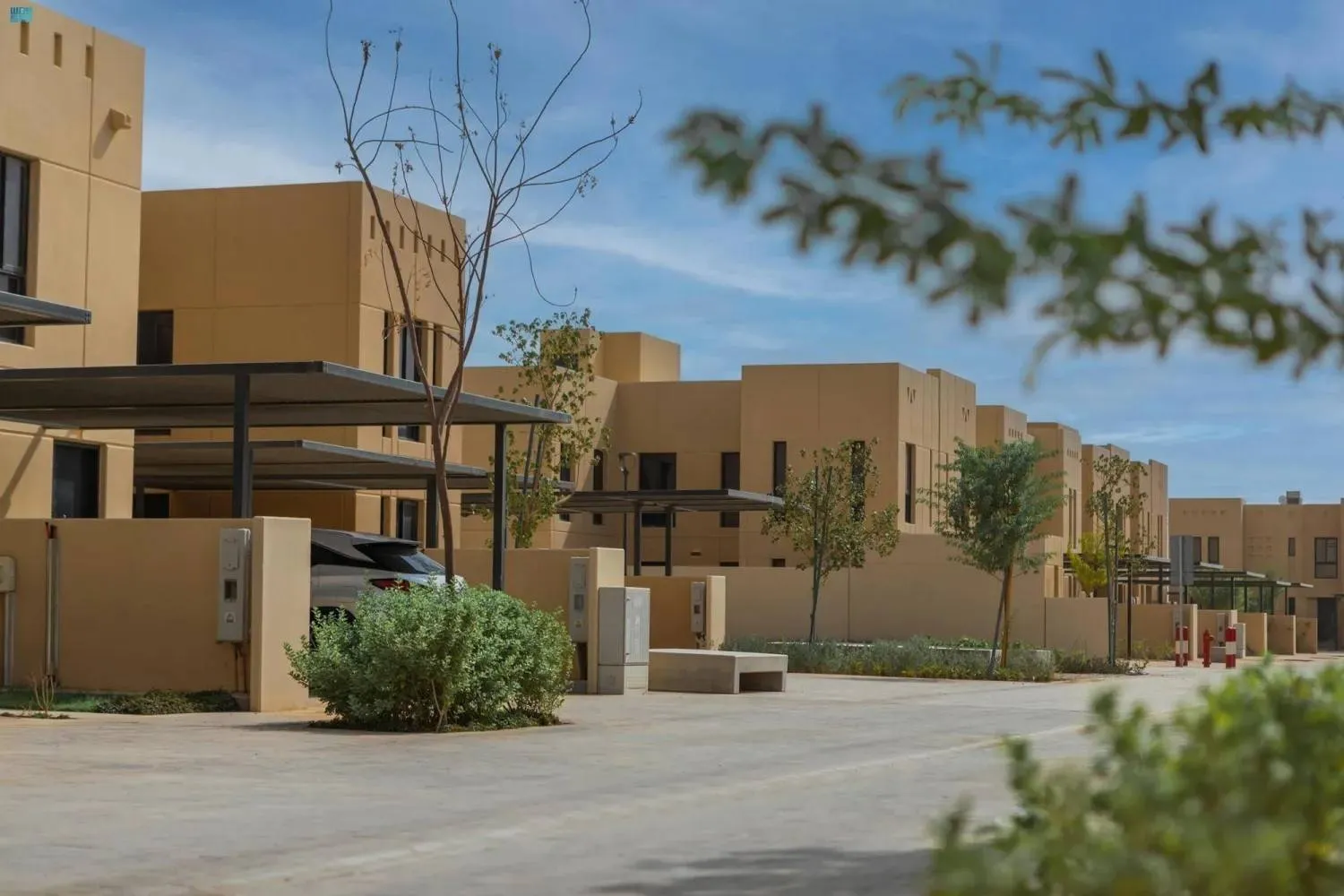
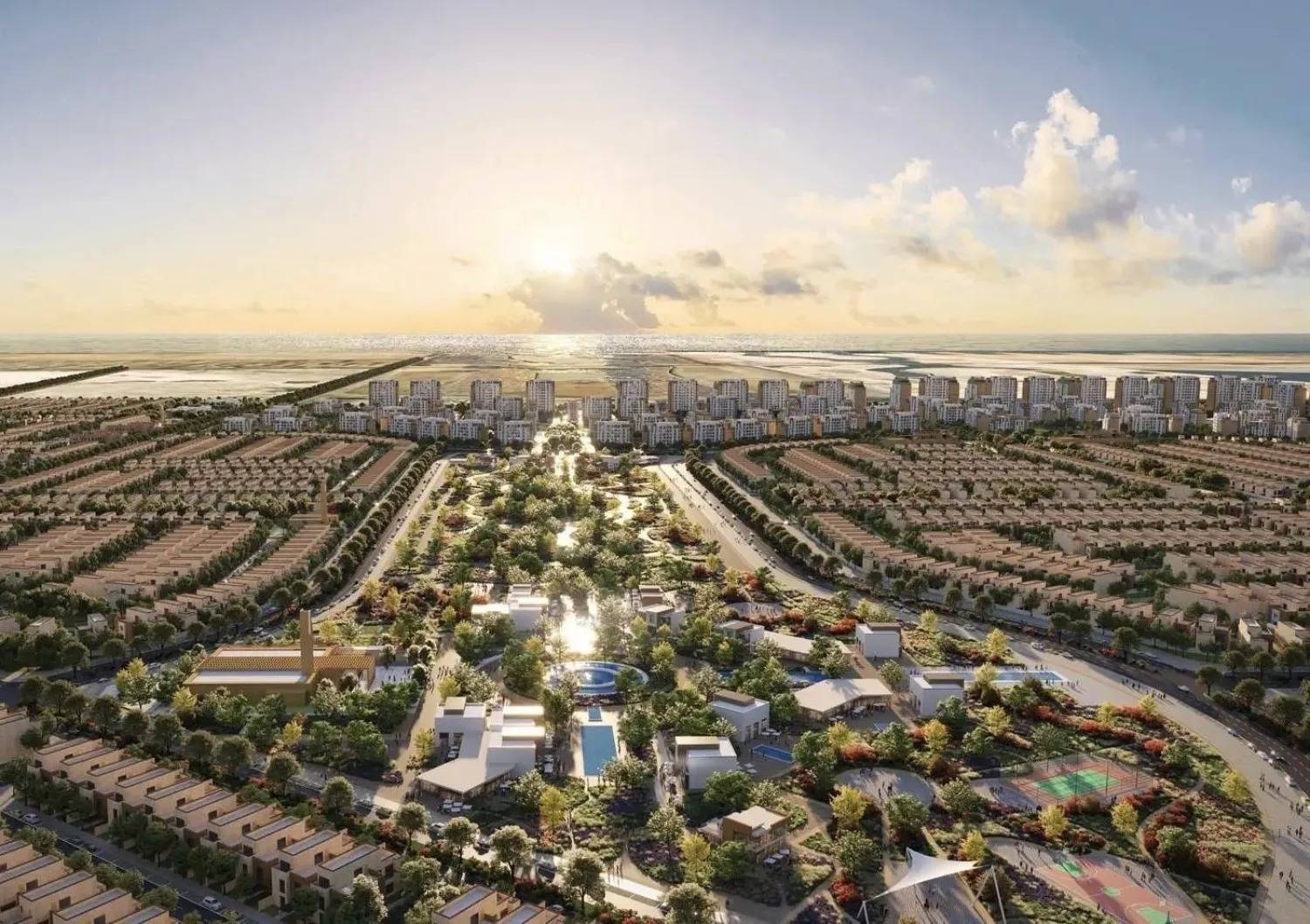
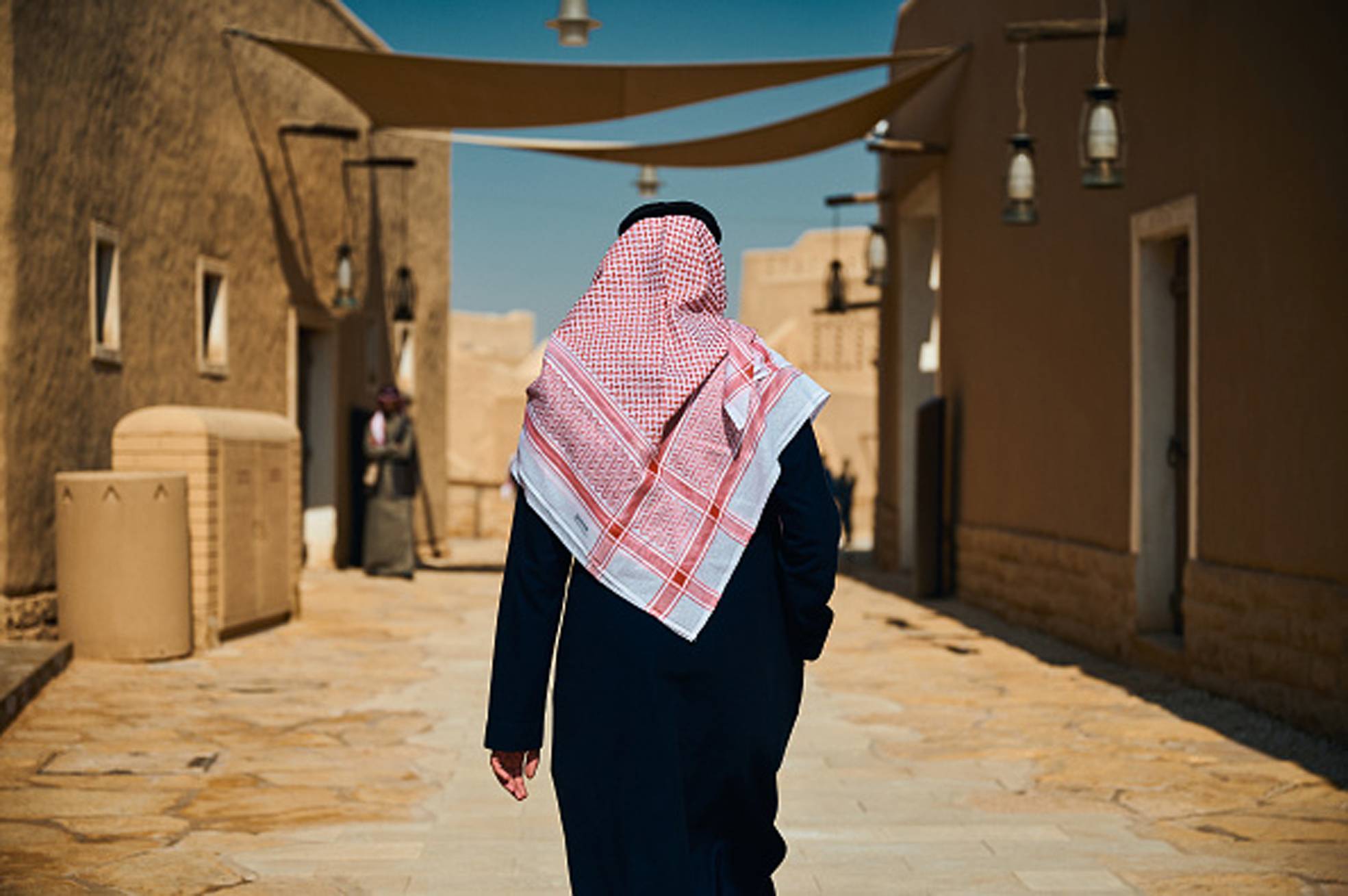
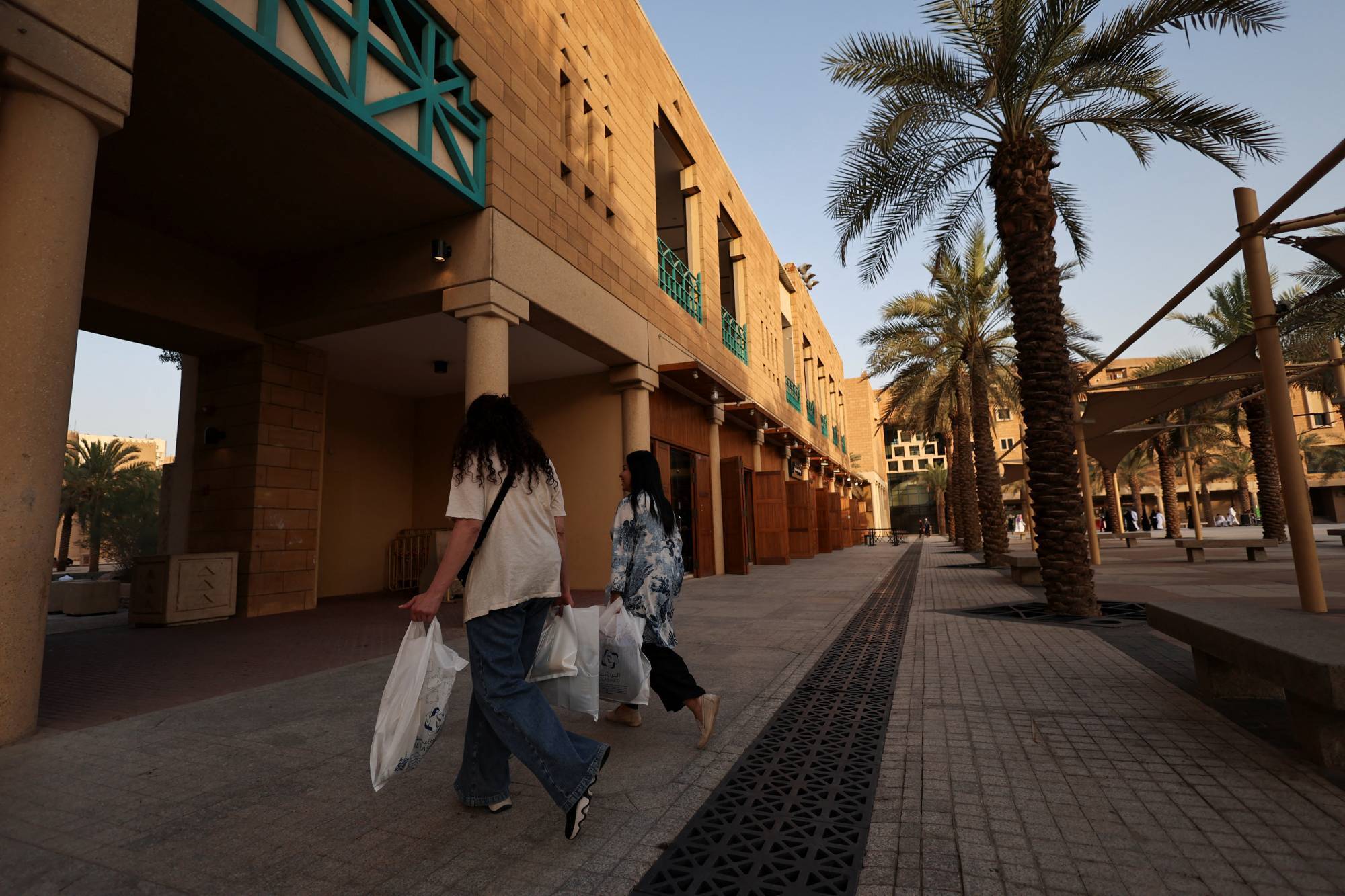
A closer look at these new residential compounds shows they are no longer just stacked concrete blocks. They have become self-sufficient “mini-cities,” engineered to effortlessly meet the needs of modern life.
The compound where Khaled lives includes a separate modern gym, a pharmacy, a fully stocked mini-market, cafes and laundries, making residents largely independent of leaving the compound gates to meet their basic daily needs.
Life inside these projects has taken on a new social form built around “shared spaces.” Open internal gardens, sports fields and public majlis areas designated for residents provide an environment where children can play safely and adults can meet.
This architectural model has offered a modern and organized alternative to the idea of the traditional neighborhood, the old street or the “fareej.”
The small family
This architectural transformation has been accompanied by a deeper social shift in the structure of the traditional Saudi family. If you had asked Khaled’s father two decades ago about a lifelong home, he would have answered without hesitation: “A large main villa with high walls and vast spaces that gather sons and grandchildren.”
At the time, the concept of the “grandfather’s house” was the central hub, with sons living in apartments above it or in annexes around it as part of an extended shared residence.
Today, that traditional pattern has unraveled in favor of full independence for the small nuclear family.
Khaled’s generation now prefers independent living in modern apartments and smart compounds that offer privacy and comfort and suit their financial means, moving away from the burdens of massive, aging villas that have become an architectural legacy difficult for younger people to manage and maintain.
Flexibility and care without ‘labor’
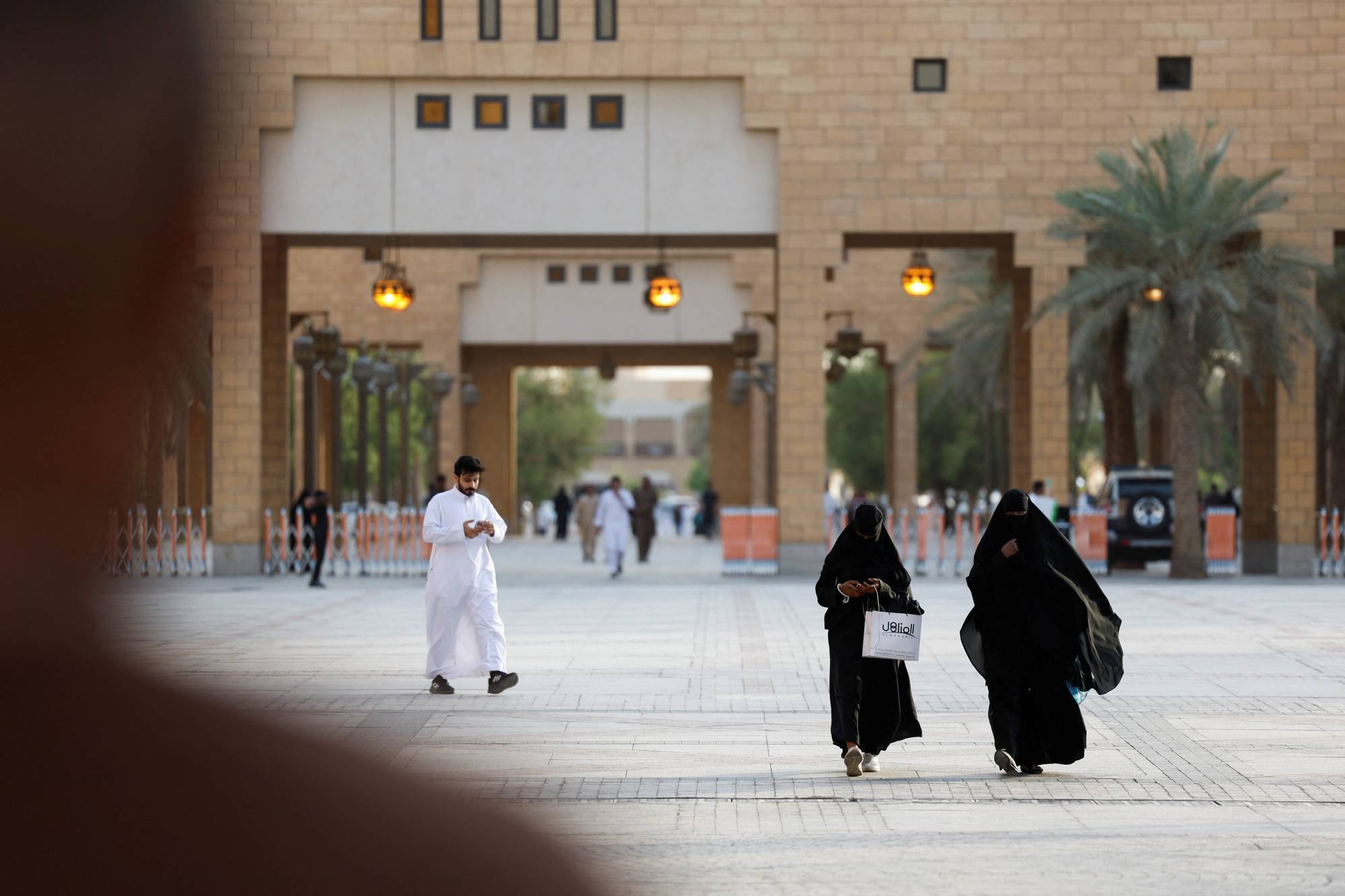
The change has not stopped at the size of the home. It has extended to reshape the details of daily life from within, as well as the nature of household maintenance.
Modern apartments and compounds, with their thoughtful, smart designs, have completely eliminated the need for earlier architectural patterns such as “separate external annexes” or “huge isolated guest majlis rooms” that consumed vast areas with little practical use.
These have been replaced by open and practical indoor seating areas.
This efficiency in space and ease of upkeep has automatically led many modern families to abandon the concept of the “live-in domestic worker” or “private driver.” Compound management companies now provide centralized periodic maintenance services, including cleaning and repairs, at the tap of a button through apps, reducing the usual household costs and obligations associated with large old homes.
Transport and metro culture
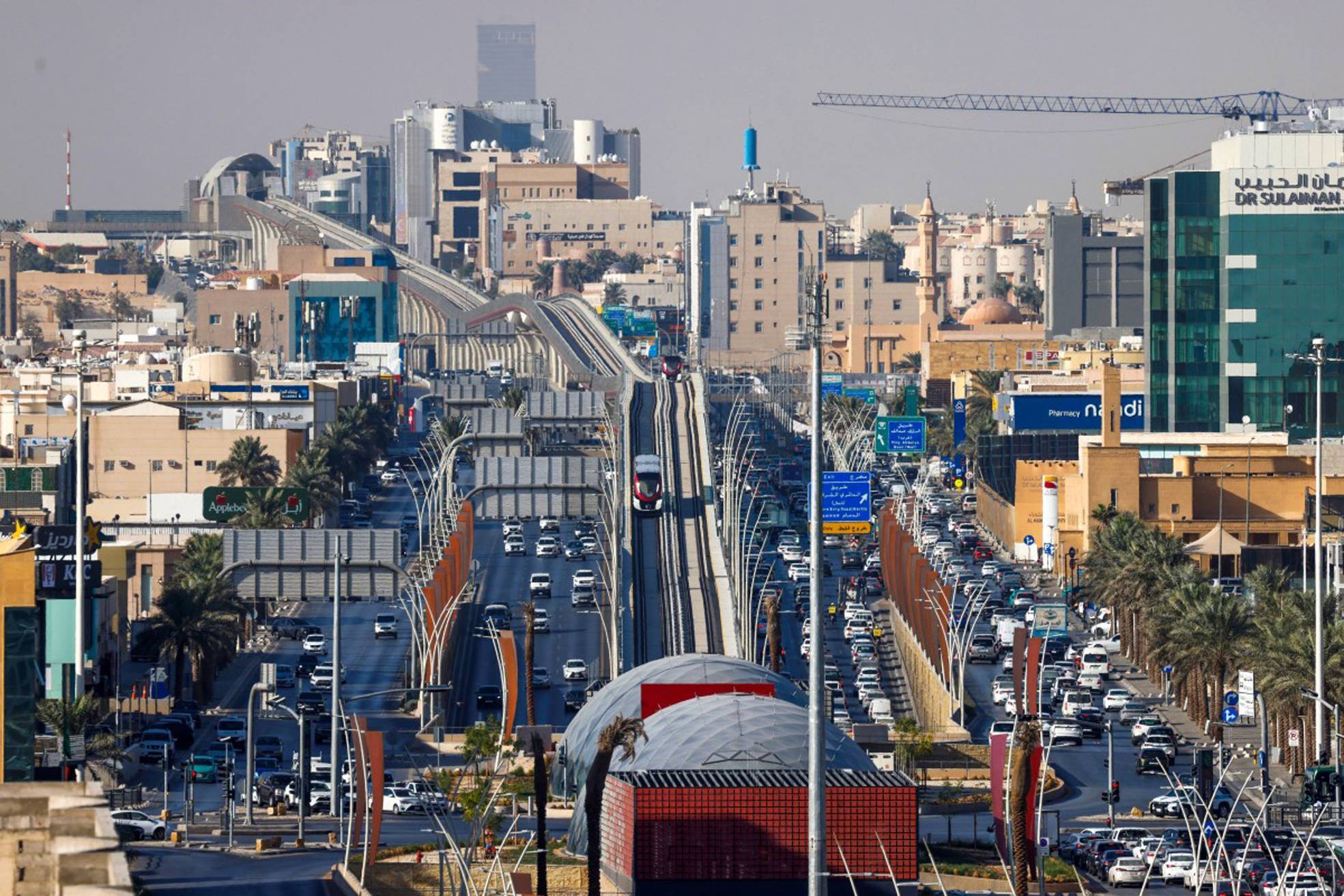
At the level of urban planning, these new suburbs and residential compounds have been linked to a network of modern roads and transport arteries designed by the state to ease traffic congestion.
These projects no longer create congestion around them thanks to smart entrances and exits. They have begun to spread an entirely new culture in the real estate community: reliance on public transportation.
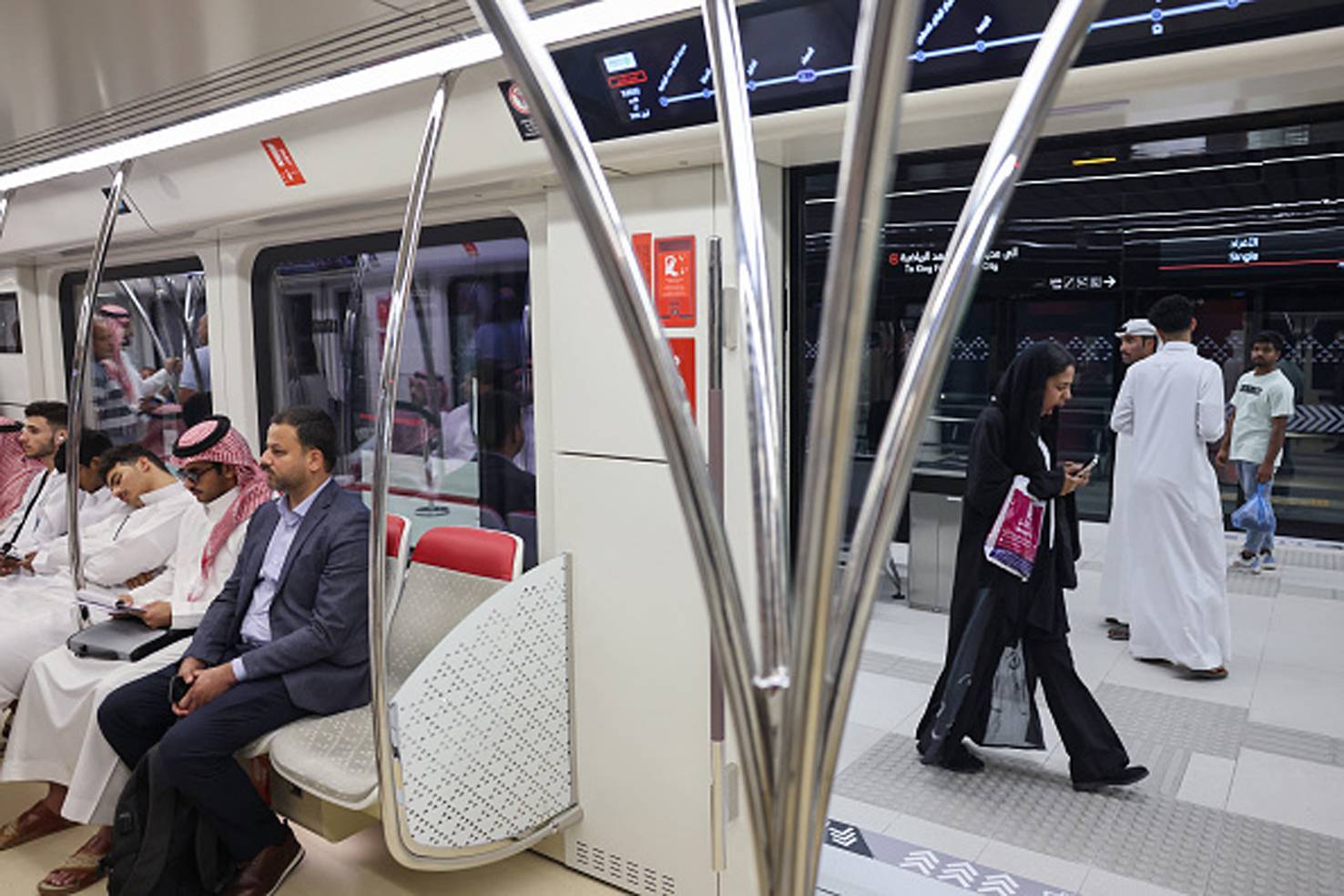
Most of these modern compounds have been connected to Riyadh bus routes and stations on the Riyadh Metro, prompting employees such as Khaled and his neighbors to leave their private cars in compound parking lots and choose the metro to reach their workplaces, avoiding the strain of daily driving.
Women: a new entrant to the real estate field
Perhaps the most significant social transformation in residential compounds in 2026 is the ability of independent women to live alone and work in Saudi Arabia as single women.
The dividing view between “bachelor” compounds and “family” compounds has largely faded, leaving efficiency, safety and compliance with regulations as the only standard governing everyone in upscale mixed compounds that accommodate all without discrimination.
In this context, Reem Al-Abdullah, 29, a marketing specialist at a global company in Riyadh, told Asharq Al-Awsat of her experience: “I moved from the Eastern Province to Riyadh two years ago after getting a job opportunity. My biggest fear was finding a safe and independent home that reflected my modern lifestyle as a single woman focused on her career, but the reality here exceeded all my expectations.”
Reem continued, describing the details of her daily life inside the compound: “The compound where I live is not just a place to sleep. It is a complete and uncomplicated life system. I no longer need to hire a live-in domestic worker or rely on a private driver as before.”
“Through its smart app, the compound management allows me to schedule cleaning and periodic maintenance services at the tap of a button, with high reliability that gives me complete peace of mind while I am away at work,” she explained.
“Even my shopping habits and health routine have changed. The gym, pharmacy and mini market are all just steps from my apartment elevator, saving me the trouble of driving and searching for parking after a long workday.”
On the social dimension and the new culture in the capital, Reem told Asharq Al-Awsat: “The shared spaces and cafes attached to the compound have created a smart alternative to the traditional neighborhood, where I meet my Saudi and expatriate neighbors in an atmosphere of mutual respect and shared interests.”
She added: “Even better, the compound is directly connected to the modern transport network. I am only a few minutes’ walk from the metro station, which has made me completely give up driving my car during the morning rush hour, allowing me to reach my office in northern Riyadh comfortably and through a public transport culture we could not have imagined a few years ago.”
“The real estate and security systems, and the urban transformation here, have given me safety and independence, making my home in Riyadh a place where I can achieve my professional and personal ambitions,” she stressed.
Unprecedented demand
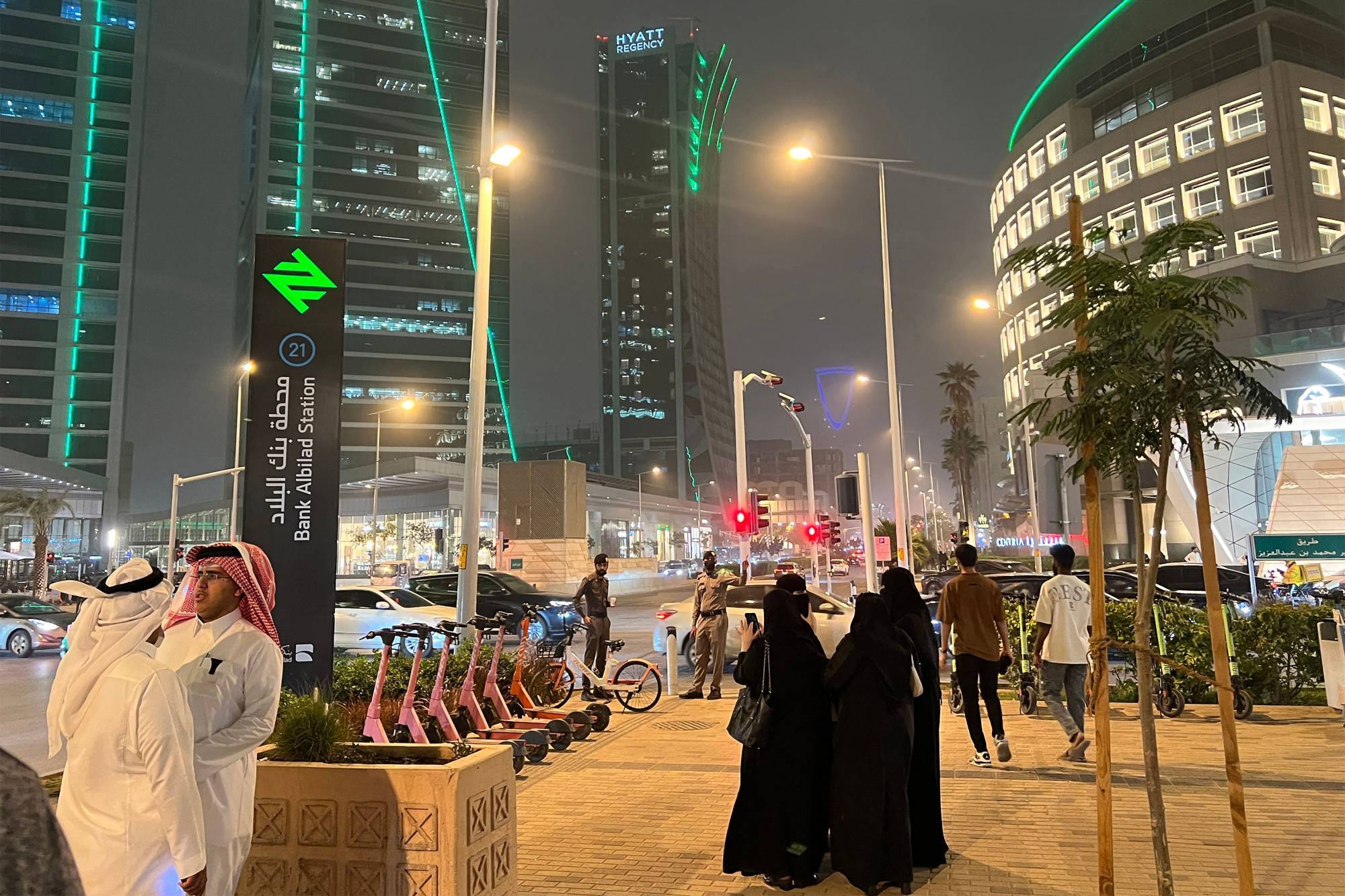
From the balcony of his residential compound, Khaled noticed the wide diversity among his neighbors. They include an executive employee from Jeddah, a European technology expert and an Asian investor.
Real estate expert and marketer Saqr Al-Zahrani told Asharq Al-Awsat that the sector is undergoing an exceptional transformation driven by Vision 2030 targets.
Demand for housing, he said, is no longer linked to traditional demographic growth, but has become a direct reflection of the major economic transformation taking place in major cities, led by Riyadh.
He said plans to turn the capital into a global economic hub and attract the regional headquarters of international companies had launched a broad wave of internal and external migration, including executives, specialists, students and entrepreneurs, as in the case of Khaled and his colleagues. This has created unprecedented demand for residential units, whether for ownership or rent.
At the same time, Al-Zahrani believes housing supply faces a natural challenge in keeping pace with this accelerating influx.
New projects are advancing at a rapid pace, but their construction requires time. Meanwhile, the arrival of residents and economic activity continues at a faster pace, helping explain part of the current price gap and rent increases in some vital areas.
Challenges
This gap between supply and demand has coincided with a shift in household financing calculations. Khaled, like others of his generation, closely follows changes in monetary policy. Al-Zahrani said interest rates remain relatively high compared with those during the previous financing boom, in line with policies aimed at curbing inflation and price increases seen in global markets in recent years.
This rise has automatically affected individuals’ purchasing power, pushing many families to revise their finances, postpone some ownership decisions or look for more flexible options, such as smart temporary renting.
Al-Zahrani said: “The Saudi government is fully aware of these challenges. That is why it has launched a broad package of flexible solutions through the Ministry of Municipalities and Housing, the Real Estate Development Fund and the Sakani program, in partnership with developers, to ease the impact of financing costs and increase supply.”
These solutions are reflected in a comprehensive package of legislative, regulatory and financing measures embodied by the Housing Program, one of the most prominent Vision 2030 programs.
The program has set a strategic goal of raising Saudi home ownership to 70% by 2030. The rate has now reached 66.2%, up from 47% in 2016, supported by four strategic pillars that affect the daily lives of citizens like Khaled.
Smart financing
Real estate financing is no longer a standalone burden. The Sakani program offers subsidized financing options in partnership with local banks to facilitate the purchase of ready units or self-construction.
This comes alongside the central role played by the Saudi Real Estate Refinance Co. (SRC) in injecting liquidity into the market and fixing long-term “murabaha” rates to protect the younger generation from fluctuations in global interest rates.
The most vulnerable groups have not been overlooked, with more than 95,000 developmental housing units delivered through the Developmental Housing Program.
Market globalization and sustainability
The transformation has not stopped at the domestic level. With the updated system for non-Saudis’ ownership of real estate taking effect in 2026, the door has opened to global capital and organized investment pathways, positioning Saudi real estate as an international “dark horse.”
This is accompanied by digital platforms that ensure the quality of sustainable assets, such as the Sustainable Building platform, which inspects buildings before purchase.
Al-Zahrani expects a more balanced supply-and-demand cycle to gradually emerge in the coming years, as major projects and urban development programs continue.
He expects their effects to become clearer by 2028, ensuring that Khaled’s generation has more sustainable and less burdensome homeownership opportunities in the long term.
Farewell to ‘dilapidated villas’
The change has not been only in the method of payment, but in the philosophy of housing itself. If you had asked Khaled’s father 20 years ago about his forever home, he would immediately have said: “A villa with high walls and vast spaces.” But Khaled prefers his modern apartment with tree-lined walkways.
Real estate expert and observer Abdullah Al-Moussa analyzed this fundamental shift in remarks to Asharq Al-Awsat, saying the residential market is undergoing a qualitative transformation that goes beyond simply providing housing units to building integrated urban communities aligned with Vision 2030 targets.
Success, he said, is no longer measured by the number of developed units, but by their ability to improve the quality of life and the daily housing experience.
Regarding the role of real estate developers, Al-Moussa said major residential suburbs have helped entrench the concept of “humanizing cities” by providing integrated environments that combine housing, services, facilities and open tree-lined spaces within one area.
This shift in supply has been accompanied by a natural change in the preferences of Saudi families, he added.
Today’s consumer, like Khaled, has become more aware of and interested in housing efficiency, location quality and ease of maintenance, compared with the previous traditional focus on vast spaces.
As a result, there is now a growing demand for modern apartments and integrated compounds that provide a living experience suited to the requirements of contemporary life.
Legislative revolution
The digital ease with which Khaled renewed his contract was not accidental. It was the result of a legislative revolution that cut off real estate hurdles.
The sector has witnessed an unprecedented regulatory shift that strengthened transparency and governance, most notably through the Real Estate Brokerage Law, licensing of real estate platforms and the launch of rental indicators.
In this regard, Al-Moussa said that modern regulations and the organization of real estate advertising has protected market participants and made data more accurate, helping consumers and investors make decisions more efficiently.
He pointed to the pivotal role of the Ejar platform in regulating the relationship between landlord and tenant and documenting rights and obligations electronically, reducing judicial disputes and speeding up handling procedures. Gone are “landlord surprises” or visits to traditional real estate offices.
The ‘dark horse’
When Khaled leaves his office in that northern tower, he meets the managers of the global company's headquarters, who have recently moved to Riyadh, in the reception lobby. This scene confirms that Saudi real estate is emerging internationally as a “safe haven” amid geopolitical and economic turmoil.
Real estate expert and valuer Ahmed Al-Faqih told Asharq Al-Awsat that the current turmoil has proved Saudi Arabia is the safest and most stable environment in the region, because it possesses advanced sovereign and military capabilities.
This, he said, has sent an additional message of reassurance to non-Saudi investors.
Al-Faqih said the current high investment appeal of the real estate market had taken clear shape through recent legislation that supported foreign and Saudi investors alike through several strategic channels, most notably the Premium Residency system and the updated law on non-Saudi ownership and investment in real estate, which came into force at the start of this year, 2026.
Recent international reports agree that Saudi Arabia is the “dark horse” in global real estate investment.
Al-Faqih added: “The figures issued by the Ministry of Investment prove that the Kingdom is advancing day after day as a rising economic giant for the Middle East.”
“It is enough to look at the momentum and number of global companies that have moved their regional headquarters to Riyadh, which exceeded, in the latest official statistics for 2026, more than 660 regional companies, to understand the scale of the attractive legal climate,” he remarked.
Remaining hurdles
This legislative and impressive digital transformations felt by Khaled’s generation do not erase the fact that the path toward full real estate equilibrium still runs through a field of challenges imposed by economic and market realities.
The first of these challenges is the time gap between supply and demand. While residents and regional headquarters of global companies are flowing into Riyadh at a rapid pace, construction projects and major residential suburbs need years to be completed and fully reflected as available stock in the market. This explains the continued rent surge in vital areas.
On another front, the financing cost equation poses a direct challenge to individual purchasing power. Interest rates remaining at high levels as a tool to curb global inflation places an additional burden on families and pushes a segment of the younger generation to postpone ownership decisions and resort to flexible options.
This places housing support programs under continuous pressure to innovate more dynamic financing solutions.
The market today requires a complete shift by traditional real estate companies toward institutional work, to ensure the delivery of high-quality units at competitive prices that suit the widest segment of citizens, without delays in off-plan sales schedules.