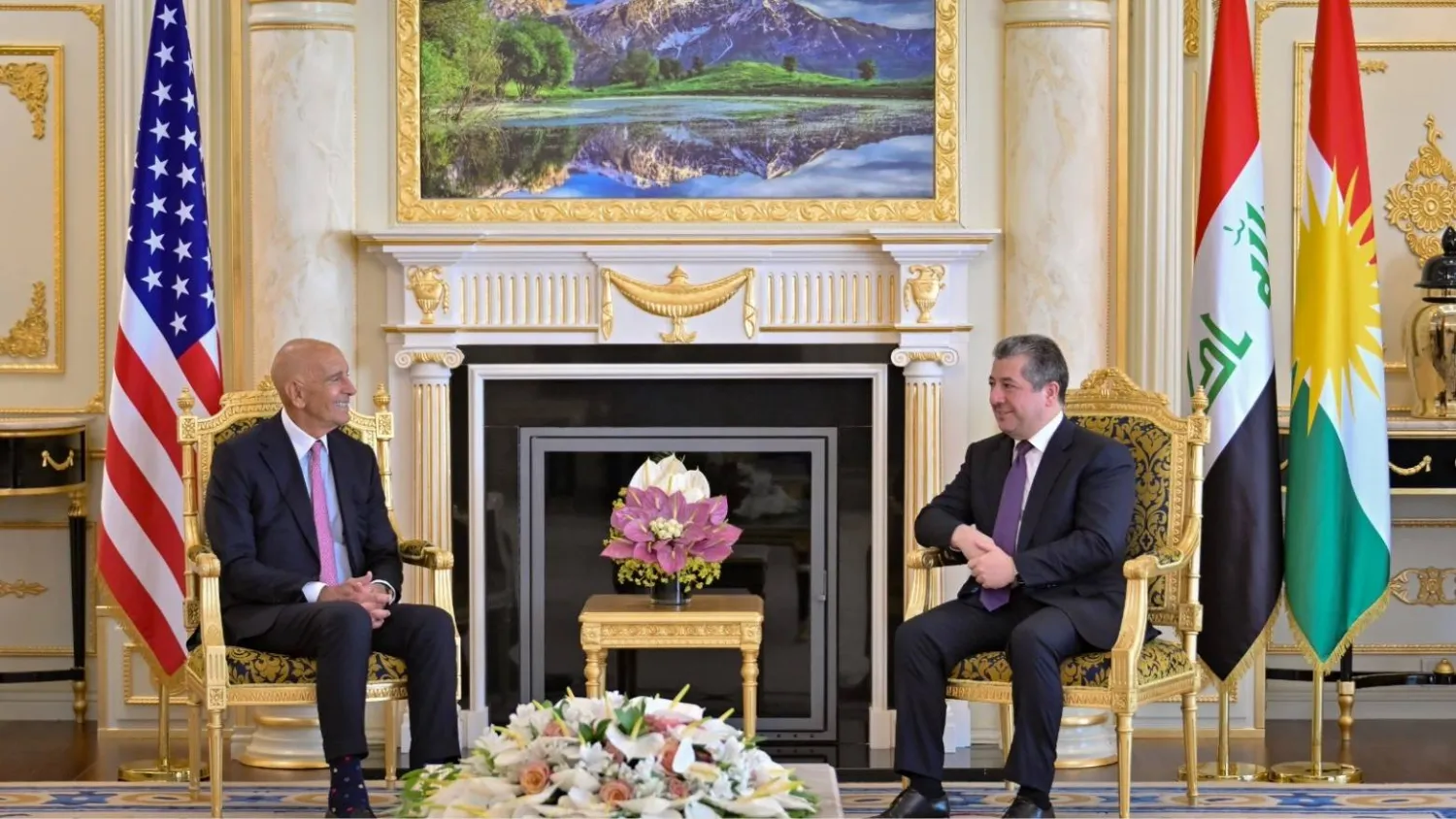

Kurdish politicians say US envoy Tom Barrack discussed possible ways to resolve the long-running oil dispute with Baghdad during his visit to Erbil, the capital of Iraq's Kurdistan Region, last week. However, they ruled out the possibility that the country's severe financial crisis would lead to the passage of a permanent federal law regulating natural resources.
Since March 2007, when the federal government led by Nouri al-Maliki submitted the first draft of the legislation, successive parliamentary terms have failed to pass a law that was intended to define how natural resources are produced and revenues distributed. Instead, political forces have relied on fragile political understandings to manage the issue.
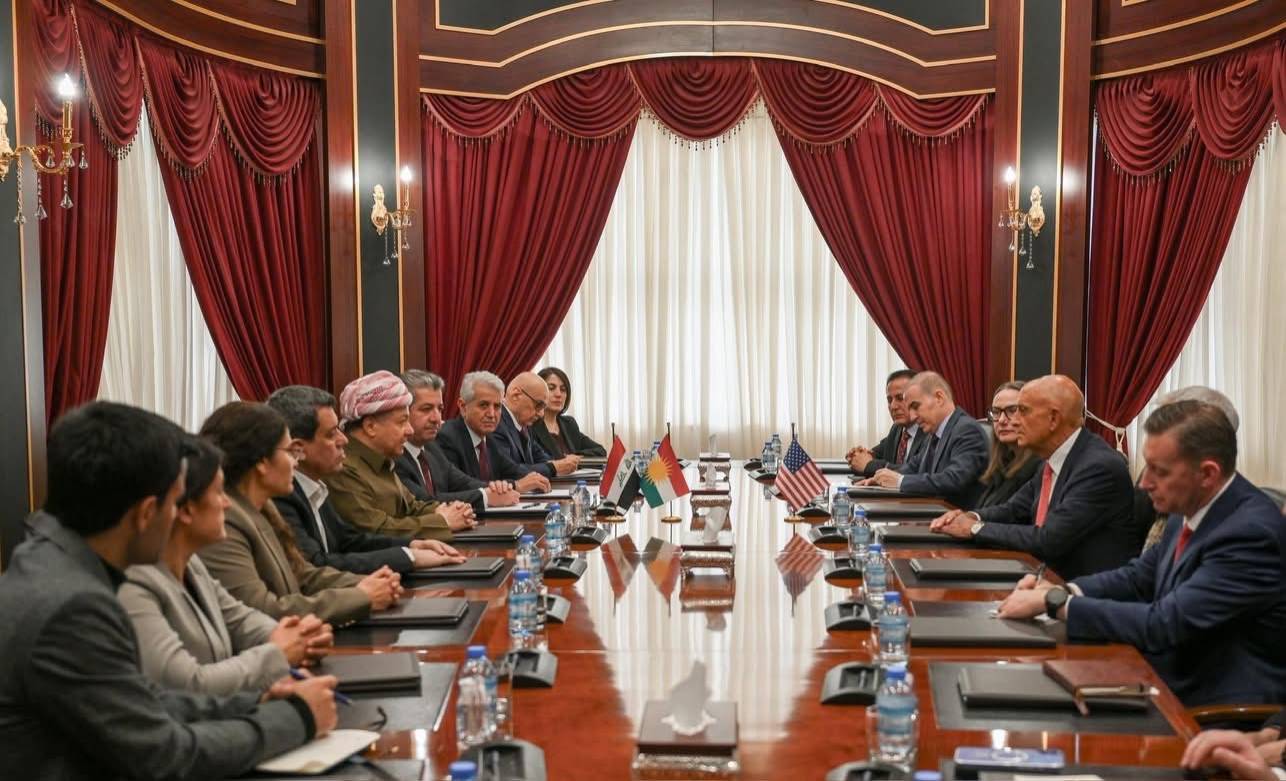
Discussion over the law resurfaced following Barrack's visit to Erbil on June 16, 2026, during which he held meetings with regional government officials and leaders of the two main Kurdish parties. Local platforms circulated reports suggesting that the US envoy was "optimistic about Prime Minister Ali Al-Zaidi's ability to resolve the traditional disputes with Erbil."
Former Kurdish member of the Iraqi parliament Majid Shankali told Asharq Al-Awsat that Barrack discussed strengthening US-Iraqi cooperation in the energy sector, both with Baghdad and Erbil, as well as modernizing the Kirkuk-Baniyas pipeline, through which Iraqi oil is transported to Syria and onward to the Mediterranean
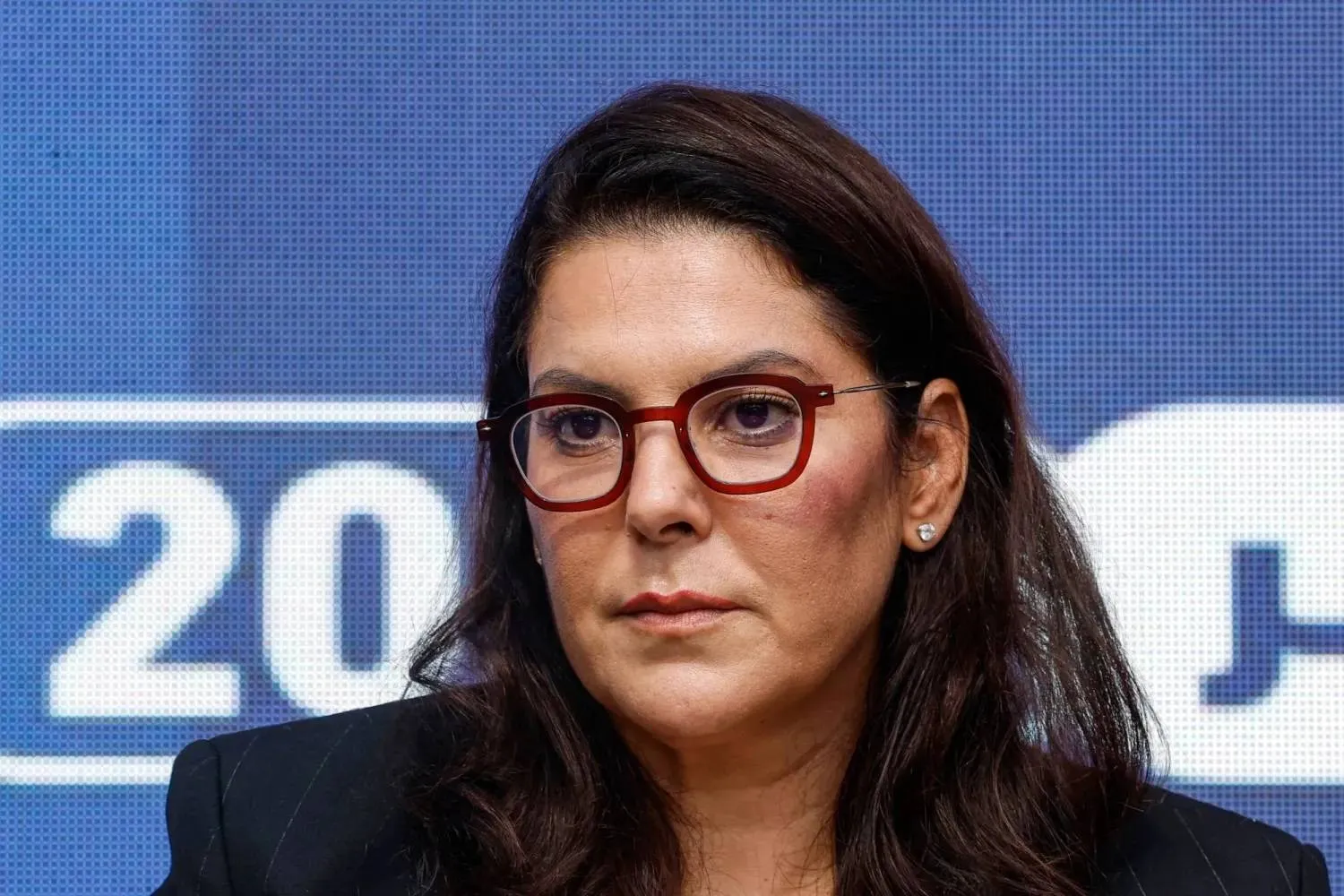
Former lawmaker Mayada Al-Najjar said the oil dispute between Baghdad and Erbil has moved "from a stage of stagnation to one of serious negotiations."
Speaking to Asharq Al-Awsat, Al-Najjar said that "communications between Baghdad and Erbil have gained clear momentum in recent weeks, with exchanges of visits and meetings among senior officials focused on resuming oil exports, settling financial issues, and preparing the ground for the passage of an oil and gas law."
What Is the Root of the Dispute?
Observers tend to believe that political disagreements have always been the primary obstacle to passing the law. At the same time, disputes over the interpretation of constitutional provisions, including the powers of the Kurdistan Region, have remained unresolved in most political settlements.
The dispute continues over whether the Kurdistan Region has the right to contract directly with foreign companies and pursue independent oil projects, or whether the federal government is the sole authority empowered to do so under the constitution and existing laws. Sharp differences also persist regarding discovered oil fields and the nature of contracts signed, whether under service agreements or production-sharing arrangements.
The Kurdistan Region attempted to address the legal vacuumwhen its parliament passed a regional oil and gas law in August 2007. However, Iraq's Federal Supreme Court effectively nullified the legislation when it issued a ruling in February 2022 challenging its legal basis.
"There is no hope in the foreseeable future of passing an oil and gas law," Shankali said, citing "Baghdad's strong tendency to consolidate full centralized control over the region's oil resources."
Shankali, a member of the Kurdistan Democratic Party, said Prime Minister Ali Al-Zaidi "will not be able to pass an oil and gas law through the Iraqi parliament without an agreement among the political blocs represented in parliament." He expressed regret that "the current parliament has yet to reach a formula acceptable to Erbil, Baghdad, and the oil-producing provinces that would allow the law to be passed and finally end disputes that have persisted for more than 20 years."
He predicted that political forces would continue "managing the crisis, as before, through temporary agreements between the federal government and the regional government." That would mean maintaining the latest arrangement that led to the adoption of the three-year federal budget law during the government of Mohammed Shia Al-Sudani.
In June 2023, political forces in Baghdad, led by the Coordination Framework and the Kurdistan Democratic Party, agreed on a financial settlement under which the Kurdistan Region would deliver 250,000 barrels of oil per day after deducting the region's share for domestic consumption. The agreement also allowed Kirkuk crude to be transported through the Kurdistan pipeline to Türkiye's Ceyhan port, in exchange for the federal government's commitment to pay the region's share of the state budget.
"In the coming phase, this agreement could be further developed between Baghdad and Erbil, given all sides' desire to confront the severe financial crisis," Shankali said.
Positive Signs
Sobhi Al-Mandalawi, a member of the Kurdistan Democratic Party, pointed to what he described as "positive indicators" since Al-Zaidi assumed office as prime minister.
Speaking to Asharq Al-Awsat, Al-Mandalawi said that "the new Iraqi government moved early in its tenure to engage positively with the national and domestic environment, including contentious issues such as relations with Erbil." He added that "the Kurdistan Regional Government, led by Masrour Barzani, views these indicators positively."
However, Al-Mandalawi suggested that efforts to resolve disputes between the two governments may gather momentum under pressure from the international community, particularly the United States.
He stressed that the Kurdistan Democratic Party has consistently partnered with every new government in Baghdad in seeking the passage of an oil and gas law. Although he hopes the legislation can be approved during the current parliamentary term, he argued that "the same political forces that opposed a legislative settlement in the past will continue to use every means available to prevent the law from being passed."
Former lawmaker Mayada Al-Najjar said there are "encouraging signs" that the disputes could be resolved, reflected in growing cooperation between the two sides in both security and economic coordination.
In mid-June 2026, an Iraqi military delegation headed by Army Chief of Staff Lt. Gen. Abdul Amir Rashid Yarallah conducted meetings and field visits in Erbil, including inspections of several oil fields, to assess security conditions and discuss measures aimed at protecting facilities and personnel.
Despite political indicators suggesting Baghdad and Erbil are moving closer to resolving the oil dispute, Al-Najjar said any definitive progress should be measured by an official announcement of a final or comprehensive agreement between Kurdistan Democratic Party leader Masoud Barzani and Prime Minister Ali Al-Zaidi that would fully settle the oil and gas crisis.