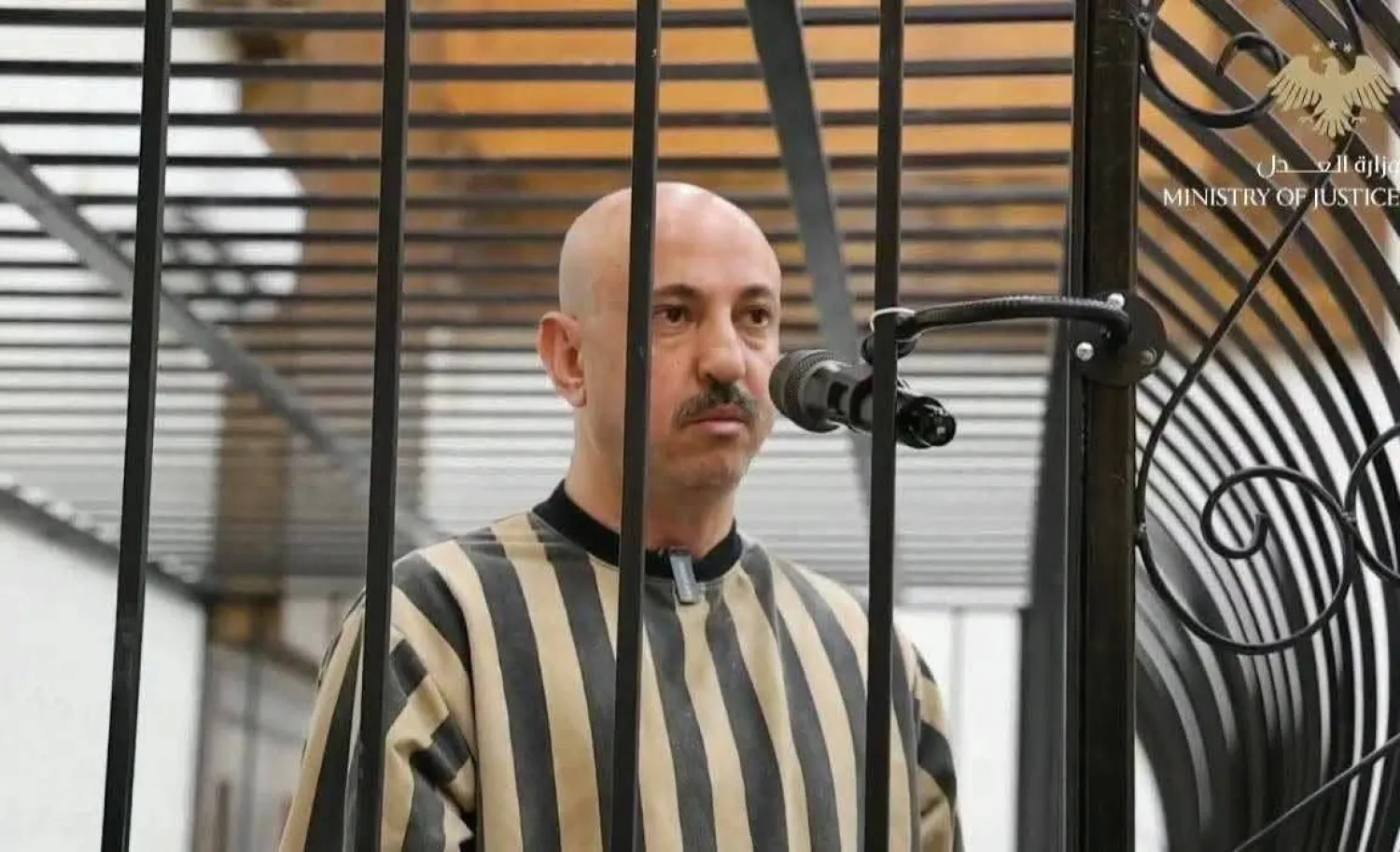

Wassim Badih al-Assad, a cousin of ousted Syrian President Bashar al-Assad, faces charges of forming and leading armed groups, suppressing civilians, involvement in wide-ranging abuses and illicit enrichment during the rule of the former regime.
He appeared in court on Wednesday to stand trial as Syria’s new rulers pursue transitional justice.
Syrian Justice Minister Mazhar al-Wais said: “The trial of Wassim al-Assad is only one stage in a comprehensive national process.”
In a post on X, he pledged that “justice will remain a firm approach, and state institutions will move with confidence and resolve toward building a state of law and institutions.”
Wassim al-Assad was born in Qardaha, in the countryside of Latakia, in 1980. His name has appeared on sanctions lists over his alleged role in drug smuggling and support for the former regime.
Syrian authorities arrested Wassim al-Assad in June 2025 during a security operation carried out by the General Intelligence Service in cooperation with units from the ministry.
He was lured from Lebanon to Syria in an intelligence operation and arrested in an ambush as part of a campaign to pursue people accused of committing crimes during the rule of the former regime.
Wassim al-Assad’s name emerged in Syria in the first years after the 2011 uprising against Bashar al-Assad, when he became known as one of the commanders of militias auxiliary to the former regime’s forces.
He led the “Military Security Shield” militia, later known as the “Assad Shield,” and also led and formed groups affiliated with the Baath Brigades and the National Defense militia.
Those groups were active mainly in the provinces of Latakia and Tartous, as well as the cities of Qardaha and Jableh. They pursued and arrested opponents of the Assad regime and fought as auxiliary forces alongside regime troops in other Syrian provinces.
The groups were also active at ports and crossings on the border with Lebanon in the Tal Kalakh area of rural Homs, facilitating the smuggling of Captagon and fuel.
The political and security cover he enjoyed enabled him to use his influence to impose payments on merchants along the coast and run cross-border smuggling networks. The names of those militias were linked to killings, kidnappings, extortion and theft.
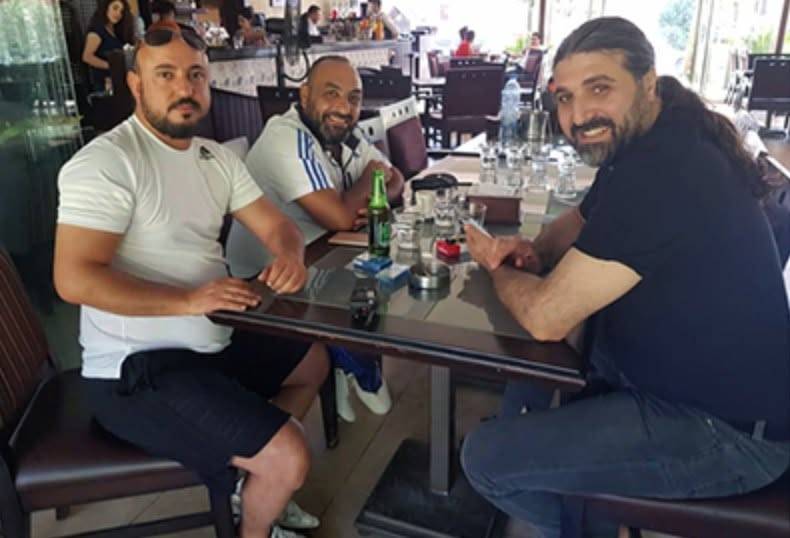
Wassim al-Assad did not hide his ties with drug traffickers in Lebanon. He appeared in photos on social media with notorious drug baron Noah Zaitar, who has been detained in Lebanon for drug and arms trafficking.
Unlike other leaders of militias auxiliary to the former regime’s forces, Wassim al-Assad flaunted his lavish lifestyle, cars and apartments in Latakia and Tartous in videos on social media. In those videos, he called for opponents of Bashar al-Assad to be stripped of Syrian nationality.
According to international reports, Wassim al-Assad oversaw Captagon shipments from manufacturing facilities in Syria to the Lebanese border, as well as to Gulf Arab states and Europe, all under the protection of security networks affiliated with the former regime.
In 2023, the US Treasury Department sanctioned Wassim al-Assad, citing his role in supporting the former regime through Captagon smuggling and the regional drug trade.
The European Union also listed him, along with other Assad family members, for his active participation in organized networks for the manufacture and export of drugs, and for illegal and criminal activities and cross-border money laundering.
In his last public security activity, Wassim al-Assad announced in early 2024 the formation of “special support and protection groups,” pledging to pay monthly salaries of $300 to volunteers from the coastal region who supported the former regime, in an attempt to counter the Deterrence of Aggression Operation led by now President Ahmed al-Sharaa, which succeeded in ousting Bashar al-Assad.