Saudi Arabia, Türkiye and Pakistan agreed to establish a secretariat in Saudi Arabia under the Makkah Joint Defense Agreement, which will initially be headed by a Pakistani secretary-general for three years, the three countries said in a joint statement on Monday.
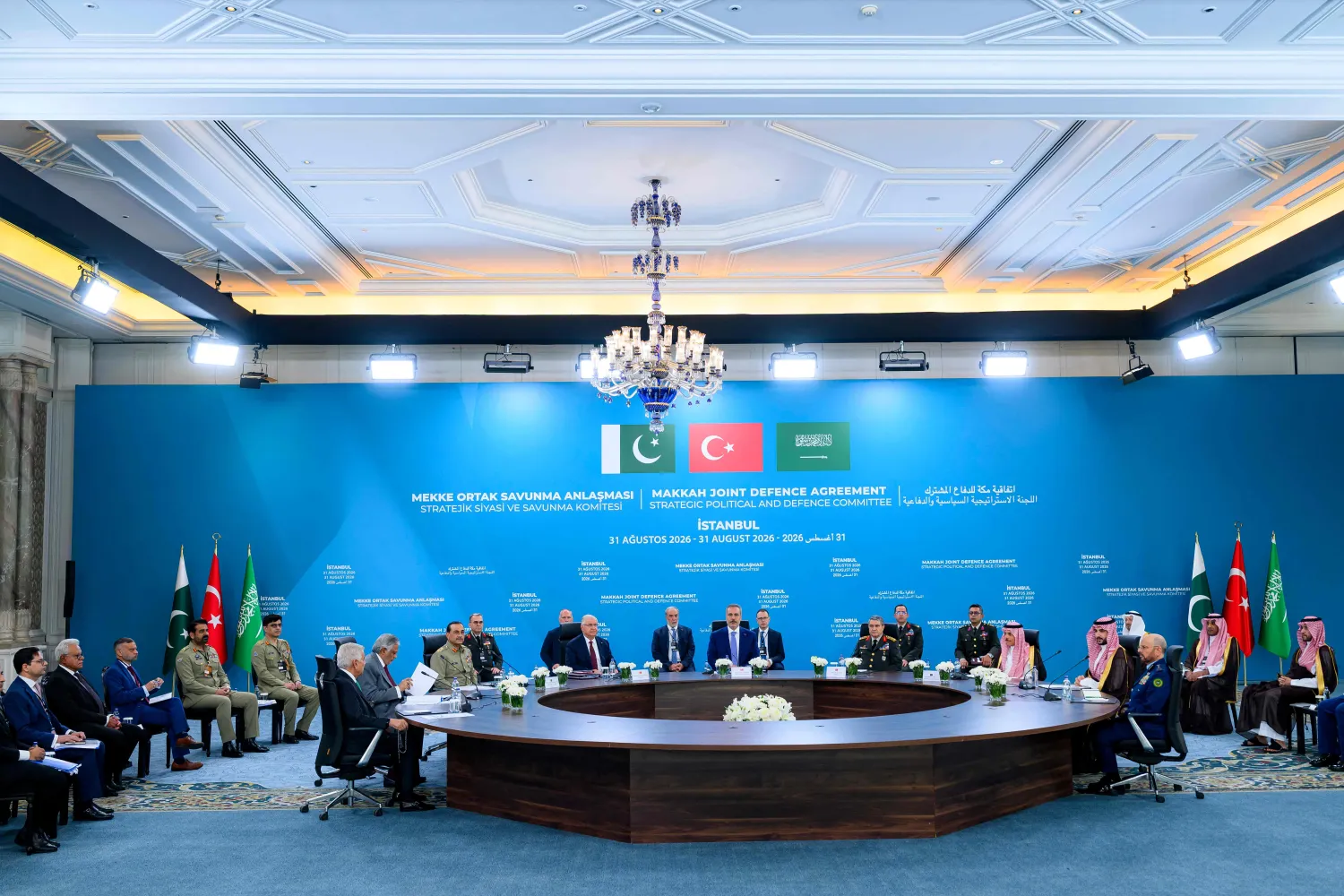
The Strategic Political and Defense Committee of the Makkah Joint Defense Agreement held its first meeting in Istanbul bringing together the foreign ministers, defense ministers, commanders of the defense forces, and chiefs of the general staffs of Saudi Arabia, Türkiye, and Pakistan.
"In keeping with their commitment to fulfilling their regional responsibilities, the three states reaffirm their determination to work together within the framework of the Makkah Joint Defense Agreement to achieve lasting peace and stability in the region," said a joint statement after the meeting.
"To this end, they will continue to support efforts aimed at de-escalation and restraint, thereby encouraging the peaceful resolution of crises."
"The three states agreed today to take further steps to institutionalize their cooperation under the Makkah Joint Defense Agreement in a manner that strengthens their solidarity, ensures the credibility and effectiveness of collective deterrence and defense, and contributes to regional efforts and cooperative security aimed at achieving a just, comprehensive, and lasting peace," it continued.
"A secretariat, headed by a secretary-general, will be established in Saudi Arabia to support the work of the three states under the Makkah Joint Defense Agreement. During its initial phase, the secretariat will be led by a secretary-general from Pakistan for a three-year term," it added.
"Through joint activities, the three states will work to boost their defense capabilities and the cohesion of their armed forces by fostering robust cooperation in defense industries and the development of joint production and technologies."
"Through the institutional and substantive implementation of the Makkah Joint Defense Agreement, the three states will make essential contributions to regional peace and stability," it stressed.
Speaking at a press conference after the talks, Turkish Foreign Minister Hakan Fidan said the Makkah agreement will lead to greater stability and prosperity, and reduce uncertainty in the region, adding that "the process of testing a new architecture for security and cooperation in our region has begun with this agreement."
He described the Makkah agreement as a "historic step," emphasizing that the countries of the region need to move together to establish peace.
The alliance reinforces the concept of working to solve the region's problems through its own nations, rather than through foreign interventions that have deepened and intensified these problems, he remarked.
"With the implementation of the agreement, we will witness greater stability in the region, ambiguity will decrease, and the positions of active players will become clear."
"This alliance is founded on international principles such as respect for the sovereignty and territorial integrity of states and non-interference in their internal affairs," he stated.
"The alliance is not against any state and is open to all states in our region that adhere to these fundamental principles," he said.
Asked if other countries could join the pact, Fidan said it was "indeed possible", but stressed consultations were ongoing to determine conditions, procedures and standards for membership.
"We are also working on a roadmap regarding the processes of joining the alliance," he added.
Fidan added: "The Makkah Joint Defense Agreement has been signed, and its objective is indeed to expand, but initially, the foundations must be solidly laid and it must be fully institutionalized."
Saudi Arabia and Pakistan, just like Türkiye, attach utmost importance to this matter, he noted.
The scope of the agreement will be expanded to include other countries, with the approval of the three nations and through a gradual process. "We are currently seeking to complete the most difficult stage of the process, which is the foundational stage, together."
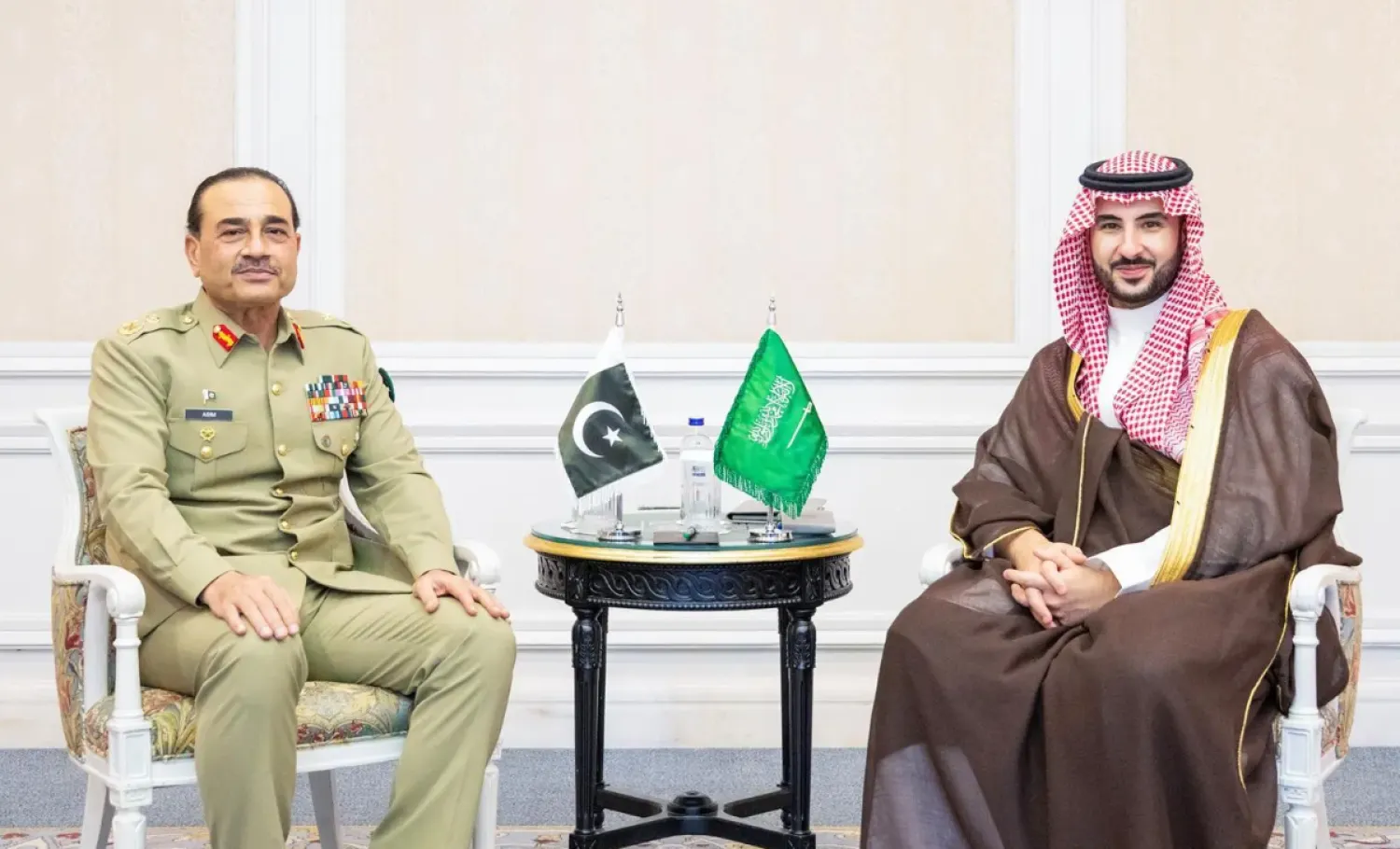
Present at the meeting were Saudi Foreign Minister Prince Faisal bin Farhan bin Abdullah, Saudi Defense Minister Prince Khalid bin Salman, Chief of General Staff General Fayyadh bin Hamed Al-Ruwaili, Pakistan’s Deputy Prime Minister and Foreign Minister Mohammad Ishaq Dar, Chief of Defense Forces and Chief of Army Staff Field Marshal Asim Munir, Defense Minister Khawaja Muhammad Asif, Turkish FM Fidan, Defense Minister Yasar Guler, and Chief of General Staff General Selcuk Bayraktaroglu.