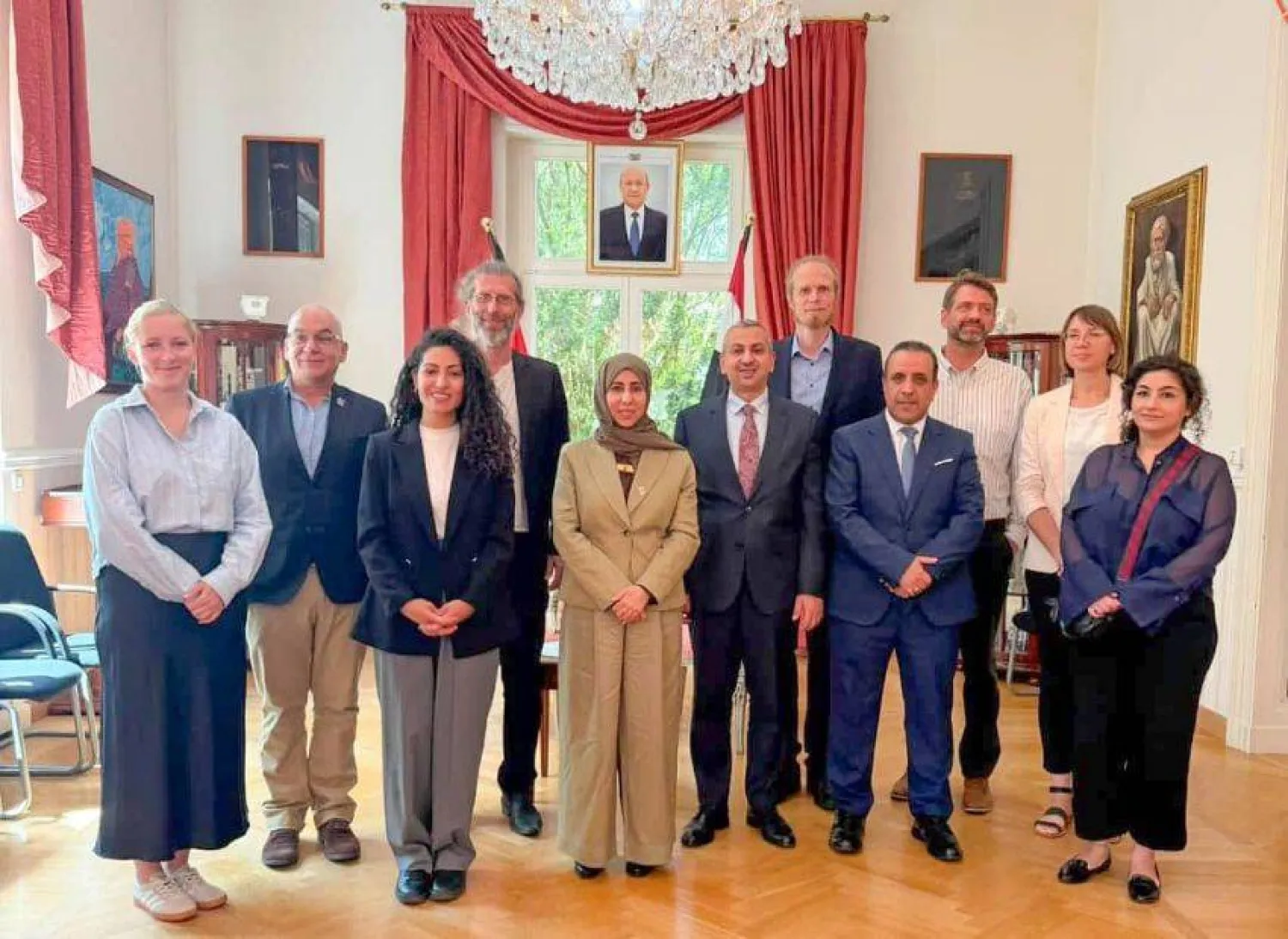

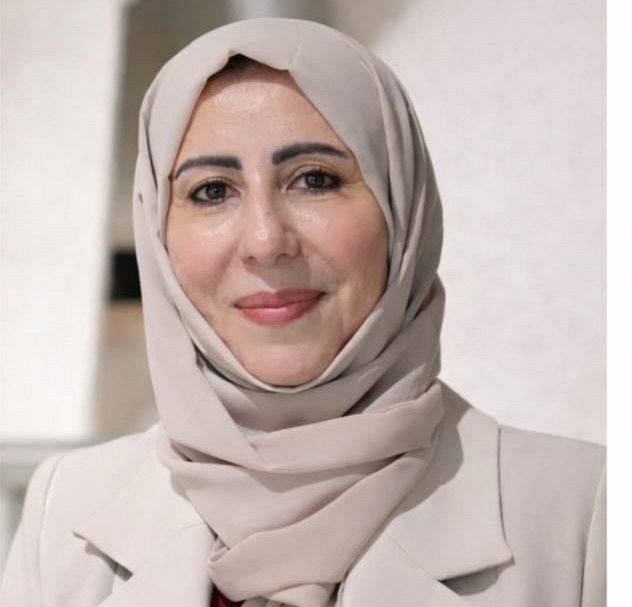
The Yemeni government has intensified its diplomatic and development efforts in Germany through a series of meetings held by Minister of Planning and International Cooperation Afrah al-Zouba with international organizations, partner organizations, and the World Food Programme (WFP), aimed at strengthening cooperation and mobilizing support for Yemen's economic recovery and sustainable development.
The meetings took place on the sidelines of the Hamburg Sustainability Conference 2026, where al-Zouba met representatives of Vision Hope, CARE, Save the Children, and Oxfam to discuss ways to improve the implementation of humanitarian and development projects and overcome challenges facing various sectors, with the goal of improving project implementation and maximizing their impact on target communities.
During the meetings, al-Zouba stressed the importance of the strategic partnership between the Yemeni government and international organizations, praising their role in implementing humanitarian and development programs. She also highlighted the need to transfer successful experiences, strengthen knowledge exchange, and promote best practices.
The minister underscored the importance of conducting comprehensive and realistic assessments to measure the development impact of completed projects and incorporating lessons learned into the design of future programs and projects to enhance performance and achieve more sustainable development outcomes.
According to state media, representatives of the international organizations reaffirmed their commitment to continuing support for Yemen's development efforts and expressed appreciation for the Planning Ministry's efforts to strengthen dialogue and coordination aimed at improving project efficiency and achieving sustainable development impact.
Supporting Reforms and Peace
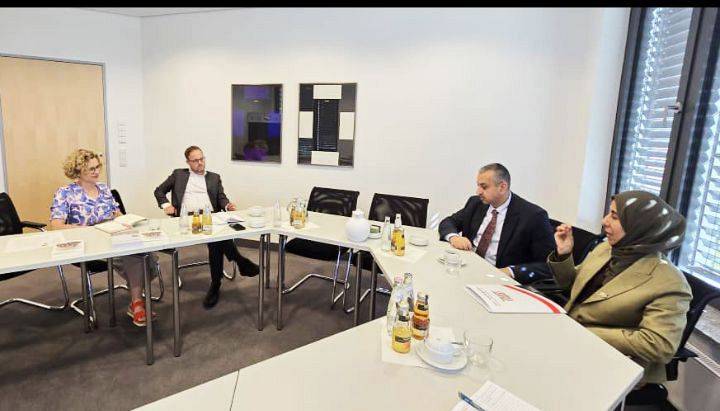
In the German capital, Berlin, the Yemeni minister met officials from the Friedrich Ebert Foundation to discuss expanding cooperation in the areas of social and economic policy, supporting peacebuilding efforts, and improving aid effectiveness in line with the Yemeni government's priorities and its reform and recovery plans.
The discussions also covered social protection, economic reforms, community dialogue, as well as support for applied research and evidence-based policymaking to improve public policy and strengthen coordination among partners.
Both sides reaffirmed their commitment to continued coordination and expanding areas of joint cooperation in support of the government's efforts to achieve sustainable development and strengthen economic recovery.
Al-Zouba also expressed the government's appreciation for the foundation's continued presence in Yemen and its decision to continue operating from the interim capital, Aden, describing the move as a reflection of its commitment to supporting national institutions and strengthening cooperation with the government.
Food Security Tops Agenda
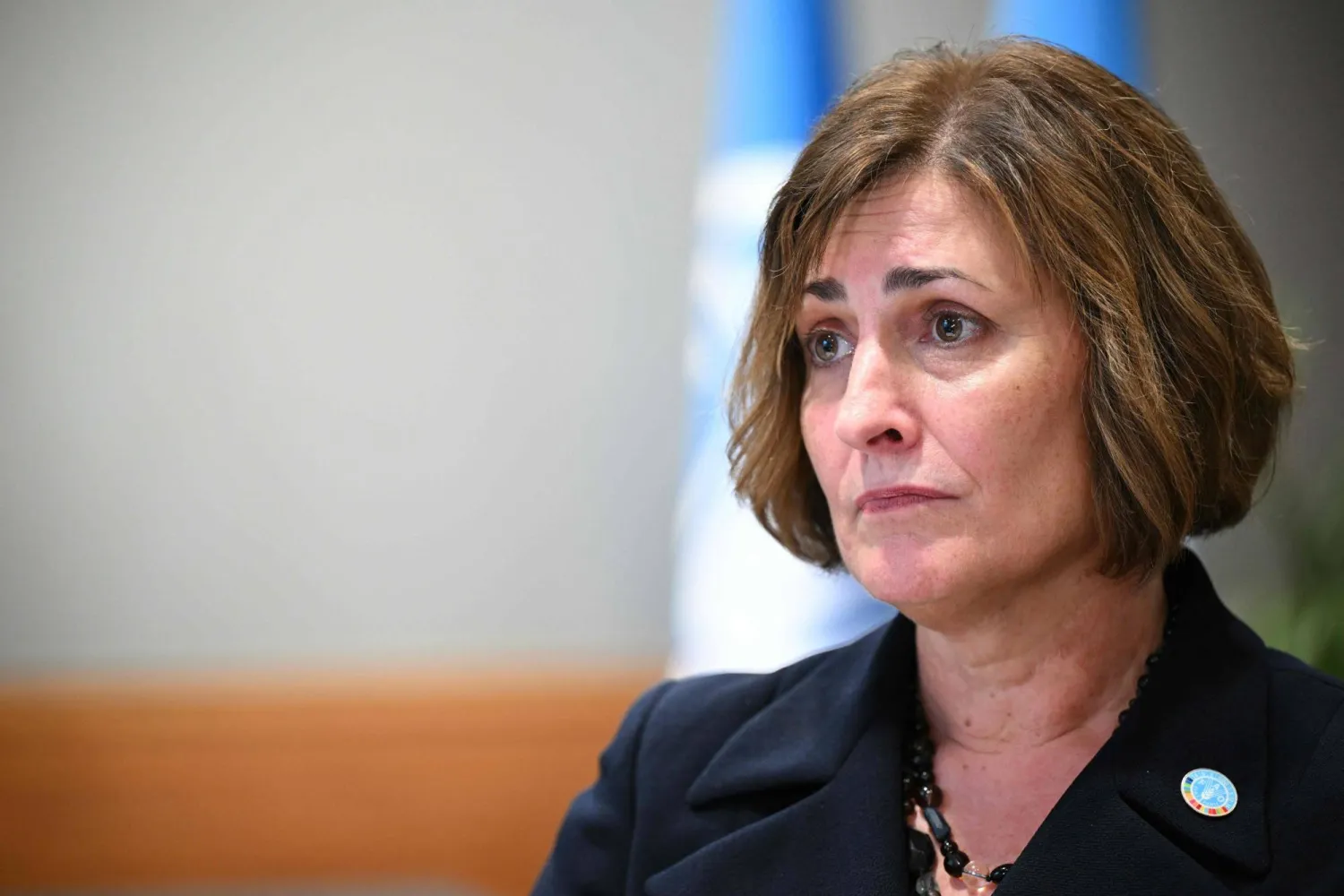
In a separate meeting, al-Zouba met with World Food Programme (WFP) Acting Executive Director Carl Skau to discuss ways to improve food access for the most vulnerable groups, particularly children and mothers, while reducing costs through innovative mechanisms that make use of local markets and support producers, farmers, and fishermen.
The minister stressed the importance of integrating these efforts with national social safety nets and school feeding programs, while highlighting success stories that demonstrate the impact of the partnership between the government and the WFP. She emphasized the need to shift from humanitarian response toward building resilience, promoting development, and breaking cycles of dependency.
Al-Zouba also called for stronger international advocacy efforts to mobilize funding for Yemen amid declining humanitarian assistance and urged that the challenges facing fragile states be placed on the G20 agenda. She noted that Yemen continues to bear the consequences of external crises, including the impacts of climate change.
According to state media, the UN official reaffirmed the WFP's commitment to continuing its support for Yemen and stressed the importance of encouraging donors to focus on the country's needs. He also expressed support for strengthening national capacities and investing in resilience and development.
The meetings came days after the minister announced that the International Development Association (IDA), part of the World Bank Group, had approved a $101.8 million Cash for Nutrition and Livelihoods Project for Yemen.
The project targets households with pregnant and breastfeeding women, as well as mothers of children under the age of two, in governorates most affected by malnutrition. It will provide targeted cash transfers, nutrition awareness programs, early screening for malnutrition, and components aimed at supporting livelihoods, strengthening institutional capacity, and enhancing social protection systems and digital payment systems.
Al-Zouba said the project's approval reflects the strength of the partnership between the Yemeni government and the World Bank and supports the priorities of the 2026-2030 Country Partnership Framework, which aims to strengthen food security, improve livelihoods, and gradually transition from humanitarian response toward building the capacity of national institutions.