


Egypt Uncovers Lost Byzantine-era City in the Western Desert

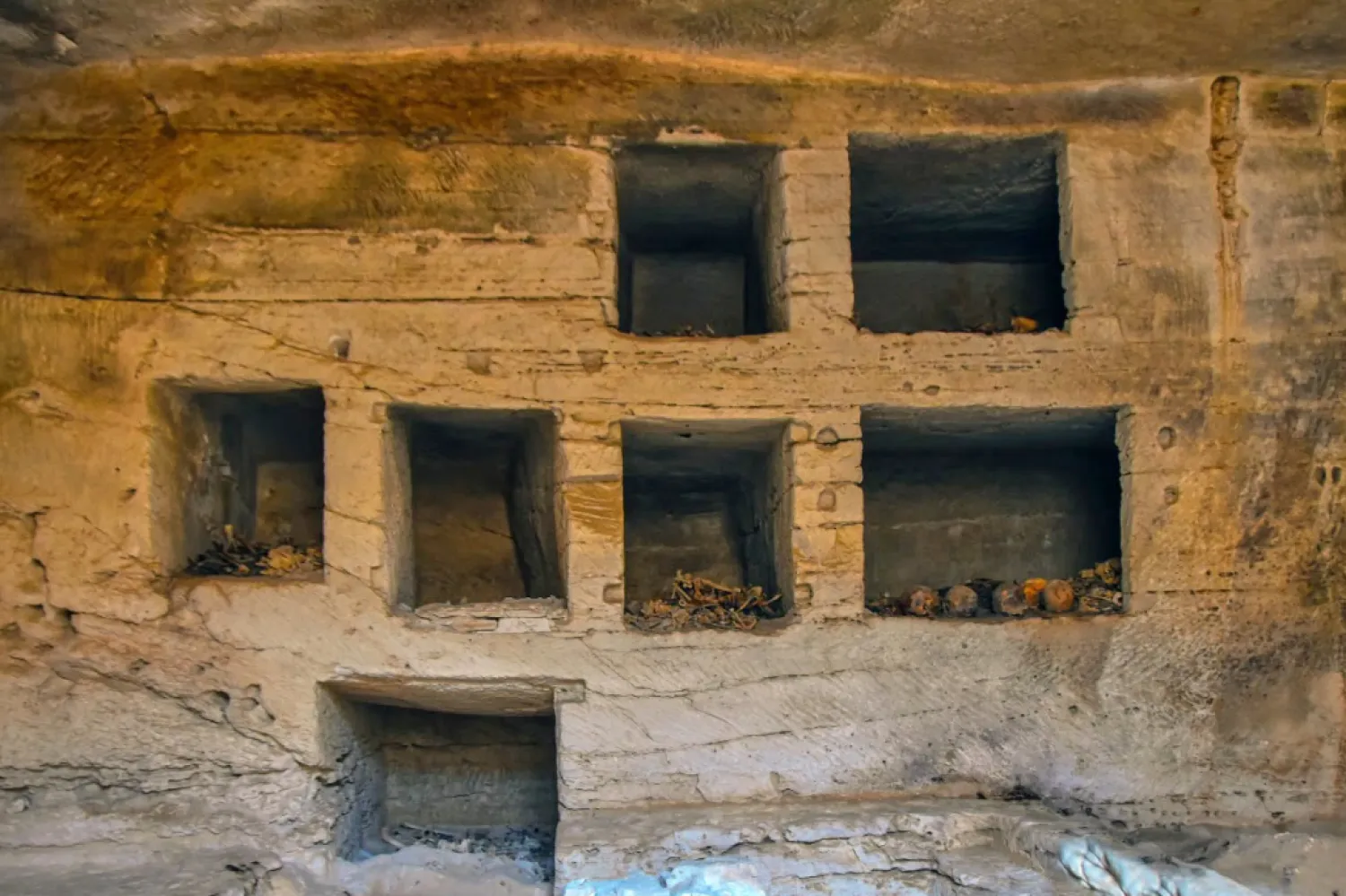
In this photo provided Saturday, July 4, 2026, by Ministery of Tourism and Antiquities, some of seven surface limestone-built tombs, discovered in the Marina el-Alamein archaeological site, are seen west of the Mediterranean city of Alexandria, Egypt. (Ministery of Tourism and Antiquities via AP)
TT

Egypt Uncovers Lost Byzantine-era City in the Western Desert

In this photo provided Saturday, July 4, 2026, by Ministery of Tourism and Antiquities, some of seven surface limestone-built tombs, discovered in the Marina el-Alamein archaeological site, are seen west of the Mediterranean city of Alexandria, Egypt. (Ministery of Tourism and Antiquities via AP)

A well-preserved Byzantine-era residential city in the western desert is one of two major archaeological finds announced by Egypt on Saturday.

The recent discoveries at the Dakhla Oasis and at the Marina el-Alamein archaeological site, near Alexandria, are the latest findings which the Egyptian government hopes will boost the country’s vital tourism sector, partially driven by antiquities sightseeing.

Along with the strategic Suez Canal, tourism is a major source of foreign currency in the cash-strapped country.

The Tourism and Antiquities Ministry said that the first discovery reveals details of daily life, urban development and economic activities in the Dakhla Oasis in the fourth century, when Egypt was part of the Byzantine empire.

The unearthed quarters included north-south thoroughfares intersected by east-west streets, forming open squares and public spaces, said Hisham el-Leithy, secretary general of the supreme council of antiquities.

A basilica church, dating back to the mid-fourth century, stands at the settlement’s head, overlooking its main streets, along with remains of two watchtowers to safeguard the outskirts, said Mahmoud Massoud, who chairs the archaeological mission.

The oasis, located in Egypt’s western province of New Valley in the western desert, is on UNESCO’s Tentative List, a step away from being added to the agency’s World Heritage List.

A heavily fortified structure with thick defensive walls, and many houses consisting of reception halls and vaulted roofs were found in the area, Massoud said.

Among them were the house of Tisous, identified as a church deacon and dating to the second half of the fourth century, which archaeologists believe served as a house church before the construction of the city’s basilica.

Archaeologists also uncovered bread ovens, kitchens and stone grinding tools that had been apparently used to produce food. Also found were well-preserved bronze coins bearing portraits of Byzantine emperors, Latin inscriptions and Christian symbols, alongside a group of gold coins dating to the reign of Roman emperor Constantius II, who ruled between 337 and 361, the ministry statement said.

Diaa Zahran, head of the Islamic, Coptic and Jewish Antiquities department, said they found a collection of about 200 pottery fragments which would have been used as writing material. The fragments, known as octraca, have inscriptions detailing commercial transactions, correspondence and other details of daily life, Zahran said.

Separately, archaeologists have found 18 ancient tombs in the Marina el-Alamein archaeological site, which is around 100 kilometers (62 miles) west of the Mediterranean city of Alexandria.

The findings included 11 rock-cut tombs, with an average depth of 8 meters, and seven surface limestone-built tombs, the ministry said. That has brought the total tombs found in the site to 48, ministry said.

In the site, archaeologists found pottery vessels, amphorae, lamps, plates, altars and limestone basins, it said.

Mission chief Eman Abdel-Khaliq said they found a 2.5-meter-long granite sarcophagus, with skeleton remains that were currently being studied. Close to the sarcophagus, they found the remains of a plaster sphinx statue, she said, The AP news reported.

Abdel-Khaliq said they also found 4 gold pieces placed inside the mouths of some of the deceased — known as “the golden tongue,” which had been a practice associated with funerary beliefs of that era.

Marina el-Alamein is an archaeological site close to the city of Alamein in Egypt’s Northern Coast. Unearthed in 1986, archaeologists believe that the site was the ancient Greco-Roman port city of Leukaspis on the Mediterranean, which was built in the second denture and thrived until the fourth century, the ministry said.

Egypt’s tourism has started to recover after years of years of political turmoil and violence following the 2011 uprising, as well as the coronavirus pandemic.

A record 19 million tourists visited Egypt last year, a 21% increase from 2024, according to official figures. The first four months of 2026 saw 6.1 million tourists, compared with 5.7 million during the same period in 2025, the figures showed.

Jeddah Cultural Centers Offer Quality Programs to Support Arts, Creativity

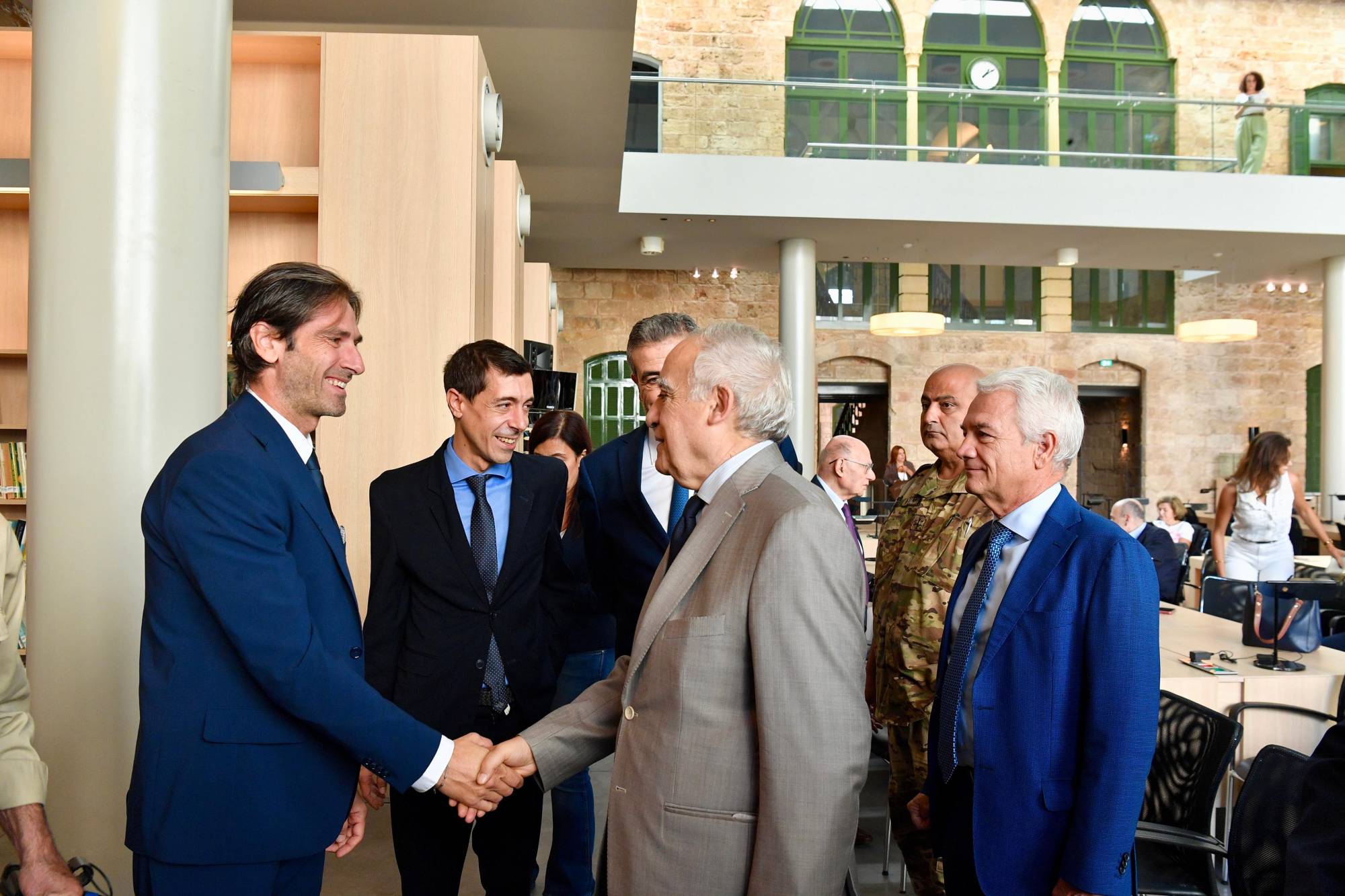
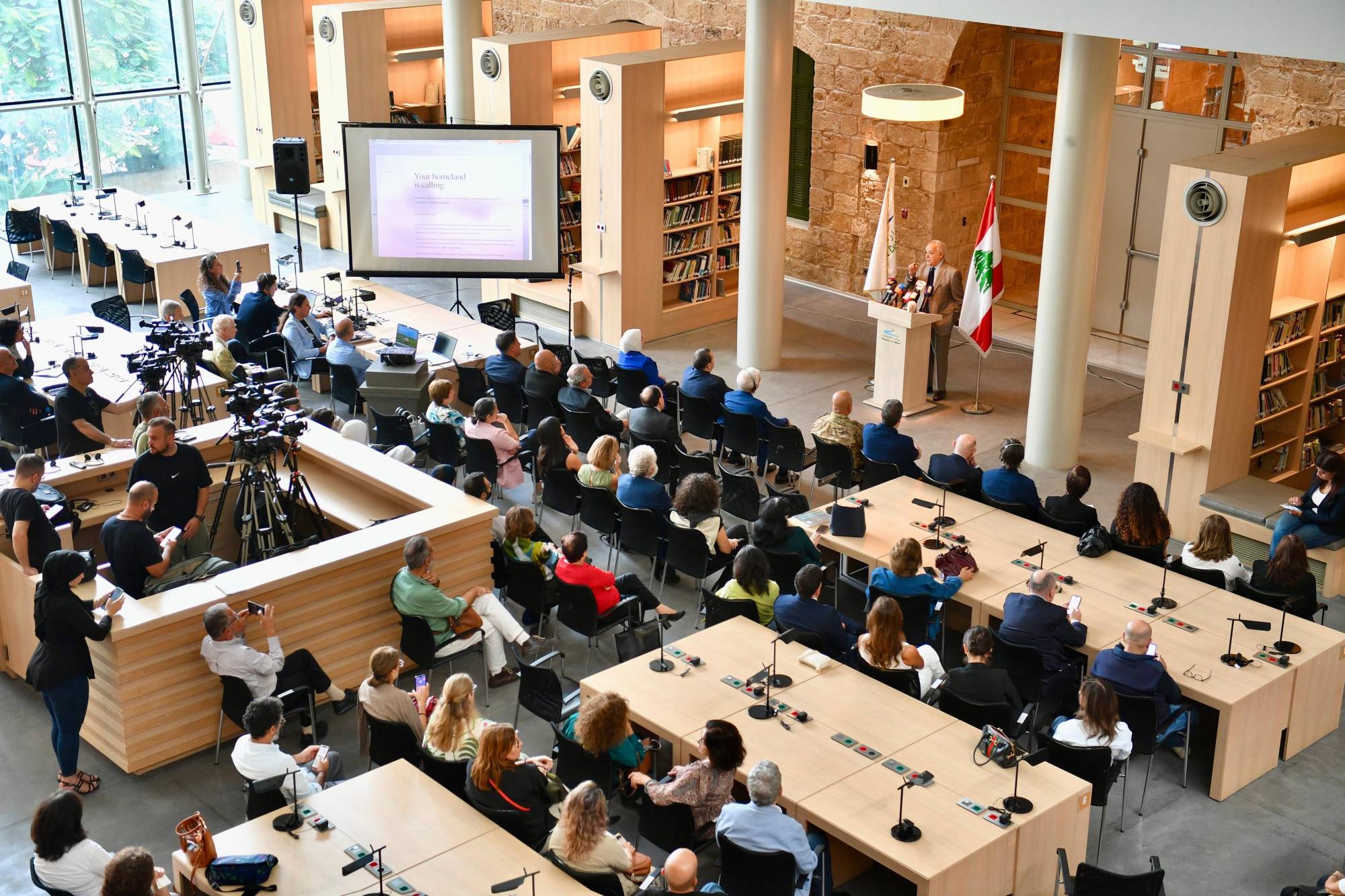
Jeddah is witnessing growing cultural activity, reflected in the programs and events offered by cultural centers and institutions. (SPA)
TT

Jeddah Cultural Centers Offer Quality Programs to Support Arts, Creativity

Jeddah is witnessing growing cultural activity, reflected in the programs and events offered by cultural centers and institutions. (SPA)

Jeddah is witnessing growing cultural activity, reflected in the programs and events offered by cultural centers and institutions throughout the year, the Saudi Press Agency said on Monday.

These include art exhibitions, creative workshops, literary and knowledge-based gatherings, performing arts shows, and initiatives targeting children and youth, providing talents with spaces to learn, experiment, and express themselves while strengthening interaction between creatives and audiences.

The importance of these programs lies in their ability to discover talent and develop creative skills. They provide practitioners and enthusiasts with opportunities for training, networking, and the exchange of expertise, while opening avenues for young artists to showcase their work and reach audiences.

Jeddah's cultural scene derives its distinctive character from the city's identity and historical diversity. For centuries, the city has remained a meeting point for people from diverse cultures, which has influenced its arts, architecture, and social heritage, giving the contemporary cultural scene a rich foundation that draws inspiration from the past and presents it in a modern language combining the authenticity of place with contemporary creative trends.

Cultural programs also help build bridges between generations by presenting local heritage in contemporary forms and giving children and young people opportunities to discover and practice the arts in stimulating environments. This supports the sustainability of cultural knowledge and raises awareness of the value of heritage and national identity.


Mafia Link Feared in Sicilian Grand Master Theft

A drone view shows the grounds of the Museo Regionale di Messina, where four artworks by 15th-century painter Antonello da Messina were stolen overnight, in Messina, Sicily, Italy, August 16, 2026. (Reuters)
TT

Mafia Link Feared in Sicilian Grand Master Theft

A drone view shows the grounds of the Museo Regionale di Messina, where four artworks by 15th-century painter Antonello da Messina were stolen overnight, in Messina, Sicily, Italy, August 16, 2026. (Reuters)

The theft of four paintings by Renaissance master Antonello da Messina may have involved organized crime and raised troubling questions about security at a museum in the Sicilian artist's hometown, a local official said on Monday.

Enzo Caruso, Messina's councilor for culture, said it was difficult to understand how thieves could have removed the works in a matter of minutes without detailed knowledge of the museum's layout.

"It's a very, very strange affair," Caruso told Reuters.

The theft on Saturday has shocked Italy and revived memories of the infamous 1969 disappearance of a masterpiece by Caravaggio from a Palermo church -- a case long associated with Sicily's Cosa Nostra mafia ‌and never solved.

TOO ‌FAMOUS TO SELL

Caruso said the stolen Antonello works were ‌so ⁠famous that selling them ⁠even on the black market would be virtually impossible, raising the possibility that they could be used as bargaining chips or collateral in criminal dealings.

"The Mafia? It's possible they might try to blackmail the state itself in order to return them. These are the kinds of dynamics that ordinary people never get to see," he said.

He said another possibility was that the paintings could be used as guarantees or currency within the criminal underworld.

The thieves entered Messina's ⁠Accascina Regional Museum on Saturday evening, while the city was celebrating ‌a religious festival that brought thousands into the streets.

The ‌burglary only came to light some two hours later when tourists found two Antonello paintings, apparently discarded ‌by the thieves, leaning against the museum railings.

Renato Schifani, the president of Sicily, issued ‌a statement to say the museum's video surveillance system and alarm had been working normally, adding that an internal investigation was underway to see if any museum staff had been involved.

LOST PAINTINGS FOUND IN THE PAST

Caruso questioned how well prepared the thieves had been, pointing to the fact that two ‌paintings had been left in the street. "Perhaps they did not anticipate how heavy they would be. These are wooden panels ... stealing them ⁠is not as ⁠easy as stealing a canvas that can be cut from its frame," he said.

He also said a professional art thief would normally take greater care handling works worth tens of millions of euros, saying no attempt had been made to protect the paintings.

Italy's crack squad of art police are heading to Messina to take on the case, just three days after helping to retrieve paintings by Pierre-Auguste Renoir, Henri Matisse and Paul Cezanne stolen earlier this year from a museum near Parma.

While the Rome-based art theft police have established a strong track record in finding missing masterpieces, Sicily is still haunted by the memory of the missing Caravaggio.

"I have the feeling the thieves may be keeping the (Antonellos) hidden while things calm down," Caruso said.

"Or perhaps they immediately took the sea route," he added, noting that the museum lies close to the Strait of Messina.

"The hope is that sooner or later they reappear."


Palestinians Celebrate Jerusalem Festival Return After Gaza War Hiatus

Palestinian musicians take part in a final rehearsal before the opening of the Jerusalem Festival, held at the Yabous Cultural Center after a two-year hiatus, in East Jerusalem on August 16, 2026. (AFP)
TT

Palestinians Celebrate Jerusalem Festival Return After Gaza War Hiatus

Palestinian musicians take part in a final rehearsal before the opening of the Jerusalem Festival, held at the Yabous Cultural Center after a two-year hiatus, in East Jerusalem on August 16, 2026. (AFP)

Three years after its last edition, hundreds of fans are again able to enjoy the Jerusalem Festival, a Palestinian cultural celebration which had been on hold because of the horrors of the Gaza war.

The event, which will run for two months, opened on Sunday with a tribute to the late Lebanese musician Ziad Rahbani, a staunch supporter of the Palestinian cause.

At Yabous Cultural Center, in the Israeli-annexed east of the city, the Jerusalem Arabic Music Ensemble played a selection of Rahbani's work.

"An evening dedicated to Ziad Rahbani represents a major part of our memory. Jerusalem needs this kind of event," filmmaker Yousef al-Salhi told AFP.

The Lebanese musician and playwright, the son of iconic singer Fairuz and a musical pioneer in his own right, died last year aged 69.

Throughout the evening, Rahbani's repertoire, from mawwal --slow Arabic free-form vocal music-- to lively Levantine folk-pop, enthused the audience.

The last edition of the festival was held in the summer of 2023, before the war in the Gaza Strip erupted following Hamas's October 7 attack on Israel.

"We insist on coming back... Today we return to give people hope. The festival brings hope and brings people together," said musician Suheil Khoury, chairman of the board of the Yabous Cultural Centre.

The festival is now four decades old, though the city's tumultuous past means this is only the 30th edition, with several wars as well as the intifadas, or Palestinian uprisings, of the 1980, 90s and 2000s forcing it to pause.

The festival will continue with musical performances, cultural talks and art exhibitions taking place at various locations across east Jerusalem until October 15.

"Everyone is thirsty for this kind of gathering amid the difficult circumstances we are going through -- the genocidal war, restrictions on Jerusalem and the West Bank, and the violence being perpetrated against us," Mona al-Dajani, an academic researcher who attended the opening, said.

Moussa al-Qawasmi, a resident of east Jerusalem, was enthusiastic to attend an event promoting Palestinian culture.

"They (Israel) don't want us to exist, but no, we are always ready... we will continue to celebrate, sing and dance."
