


Saudi Tourism Gains Momentum in Q1 as Licenses Rise and Workforce Nears One Million

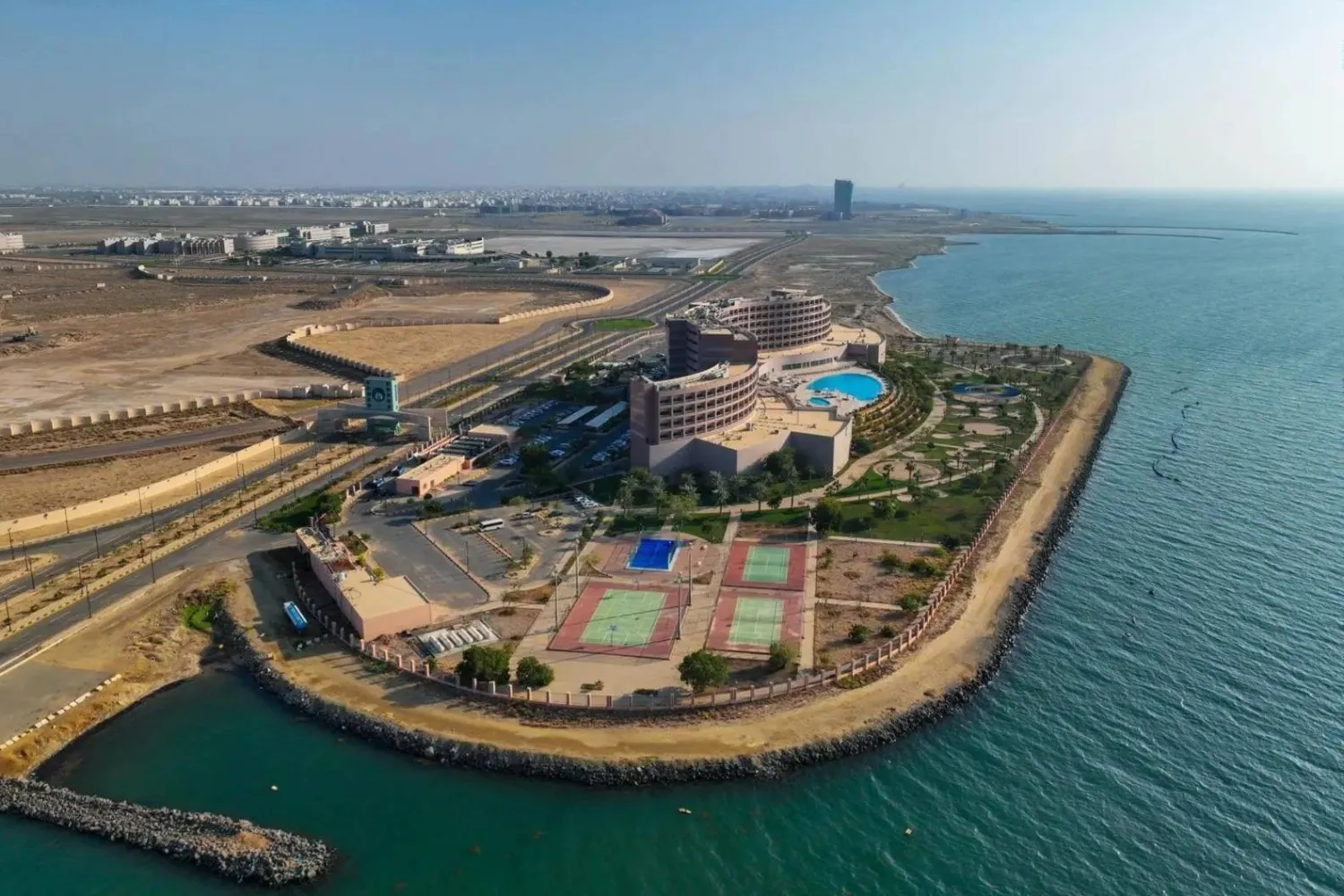
A view of a tourist resort in Al-Khobar, Saudi Arabia. (SPA)
TT

Saudi Tourism Gains Momentum in Q1 as Licenses Rise and Workforce Nears One Million

A view of a tourist resort in Al-Khobar, Saudi Arabia. (SPA)

The tourism and hospitality sector in Saudi Arabia showed strong operational dynamism and institutional expansion in the first quarter of 2026, according to official data from Saudi Arabia's General Authority for Statistics. Despite the freedom demonstrated in daily price levels and occupancy rates, the sector's regulatory environment saw extraordinary growth in licenses and an influx of both national and expatriate workers.

Indicators confirmed an increase in the total number of licensed tourism hospitality facilities in the Kingdom during Q1 2026 by 22.7 percent, reaching 6,122 facilities compared to 4,988 in the same quarter of 2025. Serviced apartments and other hospitality facilities accounted for the largest share, at 51.6 percent of the total, with 3,159, while the number of licensed hotels reached 2,963.

This facility expansion was paralleled by an increase in the number of establishments; the number of tourism establishments with employees in the Kingdom reached approximately 177,031 during Q1 2026, marking a 9.0 percent growth compared to the corresponding quarter of last year, which then recorded 162,473 establishments.

The total number of people employed in tourism activities saw a 6.5 percent year-on-year jump, increasing the sector's workforce to 1,047,313 employees compared to 983,253 in the same period of 2025.

According to the data, the number of Saudi employees in tourism activities reached 250,094, representing 23.9 percent of the total workforce, while non-Saudis numbered 797,219.

Conversely, the room occupancy rate in hotels decreased to 60.8 percent during Q1 2026, a decline of 2.2 percentage points compared to the same quarter of 2025, which recorded 63.0 percent.

In contrast, the serviced apartments and other hospitality facilities sector showed positive growth; its occupancy rate increased by 1.0 percent to reach 51.6 percent compared to 50.7 percent in the corresponding quarter in 2025.

At the price level, the average daily rate for a hotel room recorded an 11.4 percent decrease, reaching 423 Saudi Riyals compared to 477 Riyals in Q1 2025. The average daily rate in the serviced apartments and other hospitality facilities sector also saw a slight decrease of 1.2 percent, stabilizing at 206 Saudi Riyals compared to 209 Riyals.

Despite fluctuations in prices and occupancy, the Authority's statistics revealed a tangible improvement in the average length of guest stay:

In Hotels: The average length of stay increased by 2.0 percent, reaching 4.2 nights during Q1 2026 compared to 4.1 last year.

In Serviced Apartments: The length of stay increased by 1.2 percent, reaching 2.2 nights compared to 2.1 in the same quarter of 2025.

These aggregated data, which were compiled by the General Authority for Statistics using administrative records and secondary data, reflect an important phase of structural transformation in the Kingdom's tourism sector as it strives for operational solvency and relies on long-term, quality investments.



OPEC+ Approves Further Oil Output Increase

The logo of the Organization of Petroleum Exporting Countries (OPEC) is seen at its headquarters in Vienna on June 3, 2023. (AFP)
TT

OPEC+ Approves Further Oil Output Increase

The logo of the Organization of Petroleum Exporting Countries (OPEC) is seen at its headquarters in Vienna on June 3, 2023. (AFP)

OPEC+ has agreed a further increase in output targets from August, the group said in a statement on Sunday, adding to global supply at a time when oil prices are falling due to the gradual reopening of the Strait of Hormuz for oil exports.

The oil-producing group agreed during an online meeting to increase quotas by 188,000 barrels per day from August, on top of similar increases for June and July.

The seven core members of OPEC+, which groups OPEC and allied producers including Russia, have hiked their output quotas from April through July by almost ‌800,000 bpd.

OPEC+ output fell to 33.13 million bpd in May, according to OPEC data, from 42.77 million bpd in February.

Despite persisting supply disruptions, oil prices have returned to pre-war levels, pressured by lower Chinese imports, higher exports from ⁠non-Middle East producers, and a record global strategic stock release coordinated by ‌the International Energy Agency.

"The group of seven kept unwinding their ‌production cuts as widely expected," UBS analyst Giovanni Staunovo said. "The near-term focus will remain on how many tankers will ‌manage to cross the Strait of Hormuz and how quickly demand and Chinese crude imports recover."

A ‌memorandum of understanding between Washington and Tehran to end the war has also helped convince traders that supply will ultimately return to normal levels.

Brent crude prices traded near $72 per barrel on Friday, down from recent peaks of more than $120 per barrel and back to levels traded just before the US ‌and Israel attacked Iran on February 28.

Those seven producers — Saudi Arabia, Russia, Iraq, Kuwait, Algeria, Kazakhstan and Oman — are boosting output as part of the phased rollback of a 1.65 million bpd supply cut agreed in 2023, when the group still included the UAE.


Saudi Arabia’s Non-oil Private Sector Grows in June, New Orders at Four-month High

General view of the Saudi capital Riyadh (AFP)
TT

Saudi Arabia’s Non-oil Private Sector Grows in June, New Orders at Four-month High

General view of the Saudi capital Riyadh (AFP)

The latest Riyad Bank Purchasing Managers' Index (PMI), released on Sunday, showed that growth in Saudi Arabia's non-oil private sector accelerated markedly at the end of the second quarter.

The improvement was driven by the strongest increase in new orders and new business in four months, helping business activity regain strong momentum despite continued challenges from weak export demand and mounting inflationary pressures.

The seasonally adjusted headline index rose to 53.3 in June from 52.8 in May, remaining above the 50.0 threshold that separates growth from contraction and signaling a solid improvement in overall operating conditions and the domestic business environment.

Domestic demand rebounds

The report attributed the latest upturn to stronger inflows of new business and higher domestic spending, supported by companies securing approvals for new projects and the resumption of previously delayed sales activity as concerns over regional tensions eased. This helped bolster confidence among both investors and consumers across the kingdom.

The data showed sustained growth in output, with around 18% of surveyed firms reporting higher activity levels, while only 2% recorded a decline in output during June.

Commenting on the survey, Riyad Bank Chief Economist Naif Alghaith said: "Strong output growth, alongside the fastest increase in new orders in four months, indicates that business activity regained positive momentum at the end of the second quarter. These results once again demonstrate the resilience of the domestic economy and the non-oil sector's ability to provide a solid foundation for the kingdom's broader economic growth."

Alghaith added, highlighting companies' operating strategies: "Operationally, firms maintained strict discipline, with employment levels broadly unchanged, while backlogs of work declined for the first time in a year. This suggests companies were able to absorb rising workloads without creating capacity constraints, while prioritizing operational efficiency and measured expansion."

Exports weaken

On the other hand, the report said the rebound in the domestic market contrasted with export performance, as new orders from overseas clients declined for a fourth consecutive month, weighed down by regional logistical disruptions and intensifying competition in external markets.

Price pressures also remained the biggest challenge facing businesses. Input costs recorded their strongest quarterly increase in 15 years, driven by higher fuel, freight and wage costs. The sustained cost pressures prompted around 22% of surveyed firms to raise prices for their goods and services, resulting in the second-fastest increase in output charges in nearly six years.

Alghaith commented on how firms are managing these challenges, saying: "Despite continued cost pressures, companies appear able to manage them prudently without materially affecting overall optimism or the level of activity. This in turn reflects the underlying resilience of businesses and their strong ability to strike a careful balance between maintaining profitability and pursuing sustainable expansion in the market."


Kuwait’s Non-Oil Business Activity Contracts amid Regional Tensions

The "Al-Riqqa" oil tanker sails in the Arabian Gulf waters, off the coast of  Kuwait City on June 27, 2026. (AFP)
The "Al-Riqqa" oil tanker sails in the Arabian Gulf waters, off the coast of Kuwait City on June 27, 2026. (AFP)
TT

Kuwait’s Non-Oil Business Activity Contracts amid Regional Tensions

The "Al-Riqqa" oil tanker sails in the Arabian Gulf waters, off the coast of  Kuwait City on June 27, 2026. (AFP)
The "Al-Riqqa" oil tanker sails in the Arabian Gulf waters, off the coast of Kuwait City on June 27, 2026. (AFP)

Kuwait’s non-oil private sector came under renewed pressure in June, as regional tensions and rising prices weighed on demand. The result was a sharper contraction in both business activity and new orders.

The latest Purchasing Managers' Index (PMI) reading, released Sunday by S&P Global, showed a clear decline in operational and employment levels as the first half of the current year concluded.

Kuwait’s headline PMI declined to 46.4 in June, down from 47.2 in May. The index remained below the neutral 50-point threshold for the fourth consecutive month, signaling a continued and marked deterioration in business conditions across the non-oil private sector.

Participating companies attributed the decline in new orders mainly to a smaller customer base and greater caution among buyers in response to rising prices.

The weakness was not confined to the domestic market. External demand also came under significant pressure, with regional conflict and border-related issues with Iraq contributing to a sharp fall in new export orders.

Excluding the complete lockdown period during the COVID-19 pandemic in April 2020, new business from abroad registered its sharpest decline in June since the study began in September 2018.

Analyzing Kuwait's economic landscape, Andrew Harker, Economics Director at S&P Global Market Intelligence, said that companies in Kuwait continued to feel the impact of regional tensions throughout June, despite some recent positive signs that the conflict could move toward resolution.

Higher prices and intense competition for scarce new orders, especially from abroad, are currently curbing growth opportunities and leaving businesses in a position of retrenchment, he added.

Looking ahead to the second half of the year, he said businesses hope that the signing of the memorandum of understanding to cease hostilities between the US and Iran will help create a more stable market environment and improve overall business conditions.

Within Kuwait, weaker output prompted companies to reduce staffing levels for the fourth consecutive month, at a pace broadly in line with the decline recorded in May.

Lower workloads also led firms to scale back input purchasing sharply. The contraction was the fastest since April 2020, while inventories fell at the quickest rate since the series began.

At the same time, companies continued to face rising operating costs, including higher expenses for electricity, marketing, and transportation.

To protect profitability and offset these pressures, firms again raised the selling prices of their products and services. As a result, output price inflation accelerated to its fastest pace since September 2021, reaching its highest level in nearly five years.