

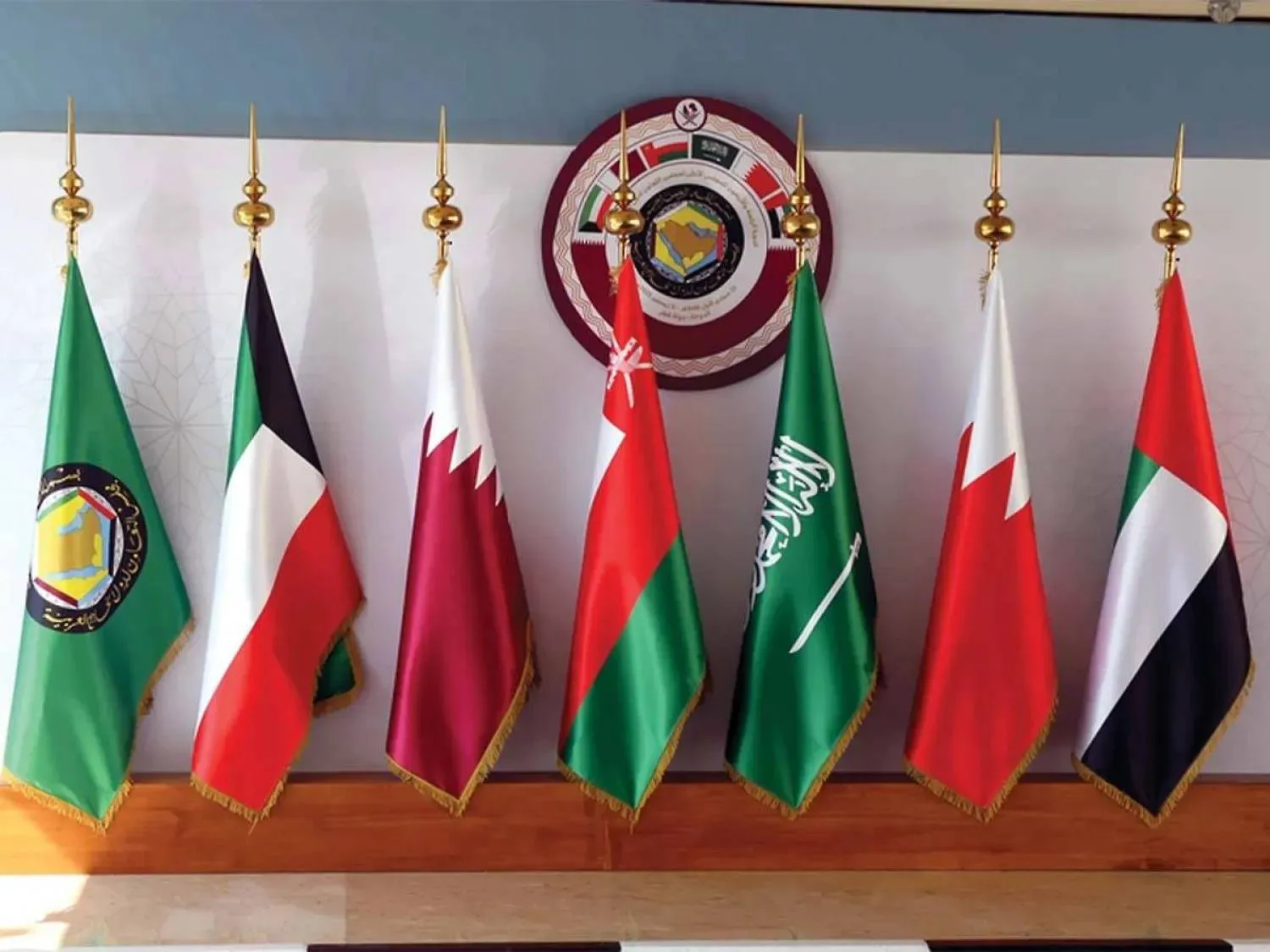

Gulf States Step Up Coordination after Iran Escalation

Gulf consultations and reciprocal visits followed Iranian attacks over the past 72 hours (QNA)
TT

Gulf States Step Up Coordination after Iran Escalation

Gulf consultations and reciprocal visits followed Iranian attacks over the past 72 hours (QNA)

Gulf states have sharply stepped up coordination after Iranian attacks hit several Gulf countries over the past 48 hours, holding nearly seven rounds of consultations so far, including two official visits, five phone calls and a series of official statements.

The latest attacks came at dawn on Thursday, when missiles targeted Bahrain and Qatar. Jordan also said it had intercepted Iranian missiles that had entered its airspace.

Saudi Foreign Minister Prince Faisal bin Farhan discussed regional developments on Thursday with Sheikh Mohammed bin Abdulrahman bin Jassim Al Thani, Qatar’s prime minister and foreign minister, in a call Prince Faisal received from the Qatari official.

The two reviewed the latest developments in the military escalation between the United States and Iran over the past two days.

Qatar’s foreign minister condemned and rejected attacks on commercial ships in the Strait of Hormuz, despite a climate of calm and efforts to reduce escalation in the region.

He said such acts would undermine trust, threaten the security of international navigation and damage efforts to cement regional security and stability.

The two ministers stressed that all parties must commit to dialogue and diplomacy and implement what had been agreed under the memorandum of understanding, in a way that preserves regional security, protects gains achieved and strengthens regional stability.

Prince Faisal also spoke by phone with Kuwaiti Foreign Minister Sheikh Jarrah Jaber Al-Ahmad Al-Sabah. They discussed the latest regional developments, particularly the current escalation, efforts to reduce tensions and ways to advance diplomatic solutions.

The Saudi and Omani foreign ministers had discussed developments related to the Strait of Hormuz in Muscat on Wednesday.

They stressed the need to protect the security of waterways, ensure freedom of navigation, support efforts to strengthen regional security and stability, and settle disputes through dialogue and peaceful means.

On Wednesday, Bahraini Foreign Minister Dr. Abdullatif Al Zayani discussed with Prince Faisal “the latest regional developments, the heinous Iranian attacks on the Kingdom of Bahrain and the State of Kuwait, and the Iranian attacks that targeted the Saudi tanker Wadyan and the Qatari tanker Al-Rakiyat as they crossed the Strait of Hormuz.”

The Bahraini statement described the attacks as “a rejected assault on the security and safety of international navigation and global energy supplies, and a grave violation of international law and UN Security Council Resolution 2817.”

Separately, the Kuwait News Agency and the Emirates News Agency said Sheikh Mohammed bin Zayed, president of the United Arab Emirates, arrived in Kuwait on Thursday on a “fraternal visit.”

He was received by Kuwait’s Emir Sheikh Mishal Al-Ahmad, the crown prince, the prime minister and several senior Kuwaiti officials.

Sheikh Mohammed bin Abdulrahman bin Jassim Al Thani and Sheikh Abdullah bin Zayed Al Nahyan, the UAE’s deputy prime minister and foreign minister, also reviewed on Thursday “the latest developments in the military escalation between the United States and Iran over the past two days.”

Qatar’s prime minister again condemned and rejected “the attacks that targeted commercial ships in the Strait of Hormuz, despite the atmosphere of calm and efforts to reduce escalation in the region.”

He said such acts would undermine trust, threaten the security of international navigation and damage efforts to cement regional security and stability.

He urged all parties to commit to dialogue and diplomacy and implement what had been agreed under the memorandum of understanding, in a way that preserves regional security, protects gains achieved and strengthens regional stability.

Al Thani discussed the same issue with his Omani counterpart, Badr Al Busaidi, in a phone call on Thursday. He renewed Doha’s support for “all efforts aimed at containing the escalation and reaching a comprehensive agreement that helps consolidate security and stability and achieve sustainable peace in the region.”

The Kuwaiti army released the latest tally of Iranian attacks. A Kuwaiti Defense Ministry spokesman said the armed forces had detected three ballistic missiles, one cruise missile and 10 hostile drones inside Kuwaiti airspace at dawn on Thursday, and had intercepted and dealt with them successfully.

Bahrain Defense Force said, “The deliberate use of missiles and drones to target civilians and private property is a blatant violation of international humanitarian law.”



Attacks from Iraq on East-West Pipeline Draw Strong Condemnations

Saudi Aramco logo. Reuters
TT

Attacks from Iraq on East-West Pipeline Draw Strong Condemnations

Saudi Aramco logo. Reuters

Attacks on a key Saudi oil pipeline launched from Iraqi territory drew on Saturday strong condemnations from many countries and organizations.

The Saudi Foreign Ministry blamed the attacks on the East-West pipeline in the Riyadh and Madinah regions on several drones that came from Iraq and, in a statement, said the Kingdom would not retaliate to give the Iraqi government “an opportunity to take the necessary measures.”

For its part, the Iraqi government strongly condemned the attacks, reiterating its categorical rejection of any aggression that threatens the Kingdom's security, stability, or bilateral relations.

Iraqi Prime Minister and Commander-in-Chief of the Armed Forces Ali Al-Zaidi ordered an immediate investigation to determine the circumstances of the strikes and identify the perpetrators.

In a statement carried by the Iraqi News Agency, Spokesperson for the Commander-in-Chief of the Armed Forces Sabah Al-Numan emphasized that Baghdad will take strict legal action against anyone implicated in the assault, stressing that the state will not tolerate activities that jeopardize Iraq's national security or its ties with brotherly nations.

Al-Numan voiced appreciation for Saudi Arabia's measured response and constructive engagement with Baghdad's efforts to de-escalate tensions, noting that this stance underscores Riyadh's commitment to regional stability and bilateral cooperation.

He reaffirmed that Iraq's territory and airspace will not serve as a launchpad for hostile actions against any state. He reiterated Baghdad's dedication to upholding state sovereignty, good neighborliness, and regional diplomacy, ensuring relations with neighboring nations foster mutual stability rather than conflict.

Also, UAE, Qatar, Bahrain, Jordan, Oman, Egypt, Libya, Syria, Lebanon, Pakistan, OIC, the Arab Parliament, the Gulf Cooperation Council (GCC) and the Muslim World League (MWL) were quick to condemn the attacks.

The separate statements all stressed full solidarity with Saudi Arabia and backed all measures taken by the Kingdom to safeguard its territory. 


Saudi Foreign Minister Receives Phone Call from British Counterpart

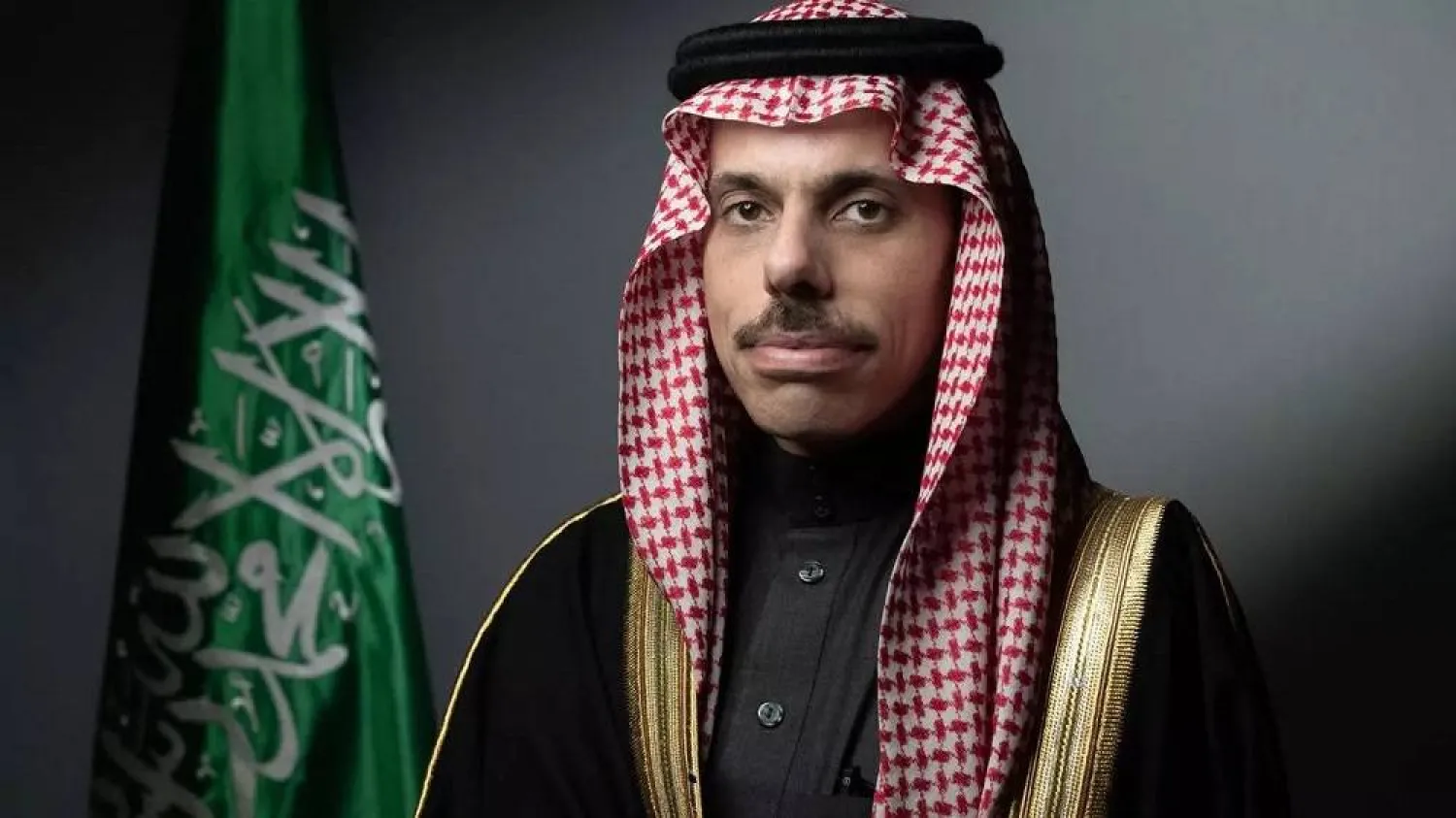
Saudi Minister of Foreign Affairs Prince Faisal bin Farhan bin Abdullah in Moscow on July 4, 2025. (Reuters)
TT

Saudi Foreign Minister Receives Phone Call from British Counterpart

Saudi Minister of Foreign Affairs Prince Faisal bin Farhan bin Abdullah in Moscow on July 4, 2025. (Reuters)

Saudi Foreign Minister Prince Faisal bin Farhan bin Abdullah received a phone call on Saturday from Secretary of State for Foreign, Commonwealth and Development Affairs of the United Kingdom Edward Miliband.

During the call, the two sides discussed regional developments.

According to SPA, at the outset, Miliband renewed his country's solidarity with Saudi Arabia following the attacks launched by the Houthi militia, stressing the Kingdom's right to take necessary measures to defend its security and capabilities in accordance with international law.

The two sides also discussed the importance of intensifying joint efforts to ensure the security and freedom of navigation in waterways, contributing to regional security and stability and protecting global trade and supply chains from the repercussions of the current crisis.


Saudi Arabia Welcomes Launch of Global Alliance for South-South and Triangular Cooperation

File photo of the Saudi flag/AAWSAT
TT

Saudi Arabia Welcomes Launch of Global Alliance for South-South and Triangular Cooperation

File photo of the Saudi flag/AAWSAT

Saudi Arabia has welcomed the launch of the Global Alliance for South-South and Triangular Cooperation, emphasizing its importance in enhancing integration and reducing duplication of efforts while respecting countries’ national priorities.

In the Kingdom’s speech delivered on the occasion of the United Nations Day for South-South Cooperation, Saudi Permanent Representative to the United Nations Ambassador Dr. Abdulaziz Alwasil said Saudi Vision 2030 aligns with the priorities of South-South cooperation, particularly in economic diversification, digital transformation, innovation, sustainability, youth empowerment, and the private sector, SPA reported.

He noted that the Saudi Fund for Development has contributed to supporting and financing development projects and programs in more than 100 developing countries across various vital sectors, affirming Saudi Arabia’s commitment to continuing to work with member states, the United Nations, and partners to strengthen cooperation and achieve more prosperous, sustainable, and inclusive development.