


China Temporarily Bans Helium Exports as US-Iran Tensions Flare Again

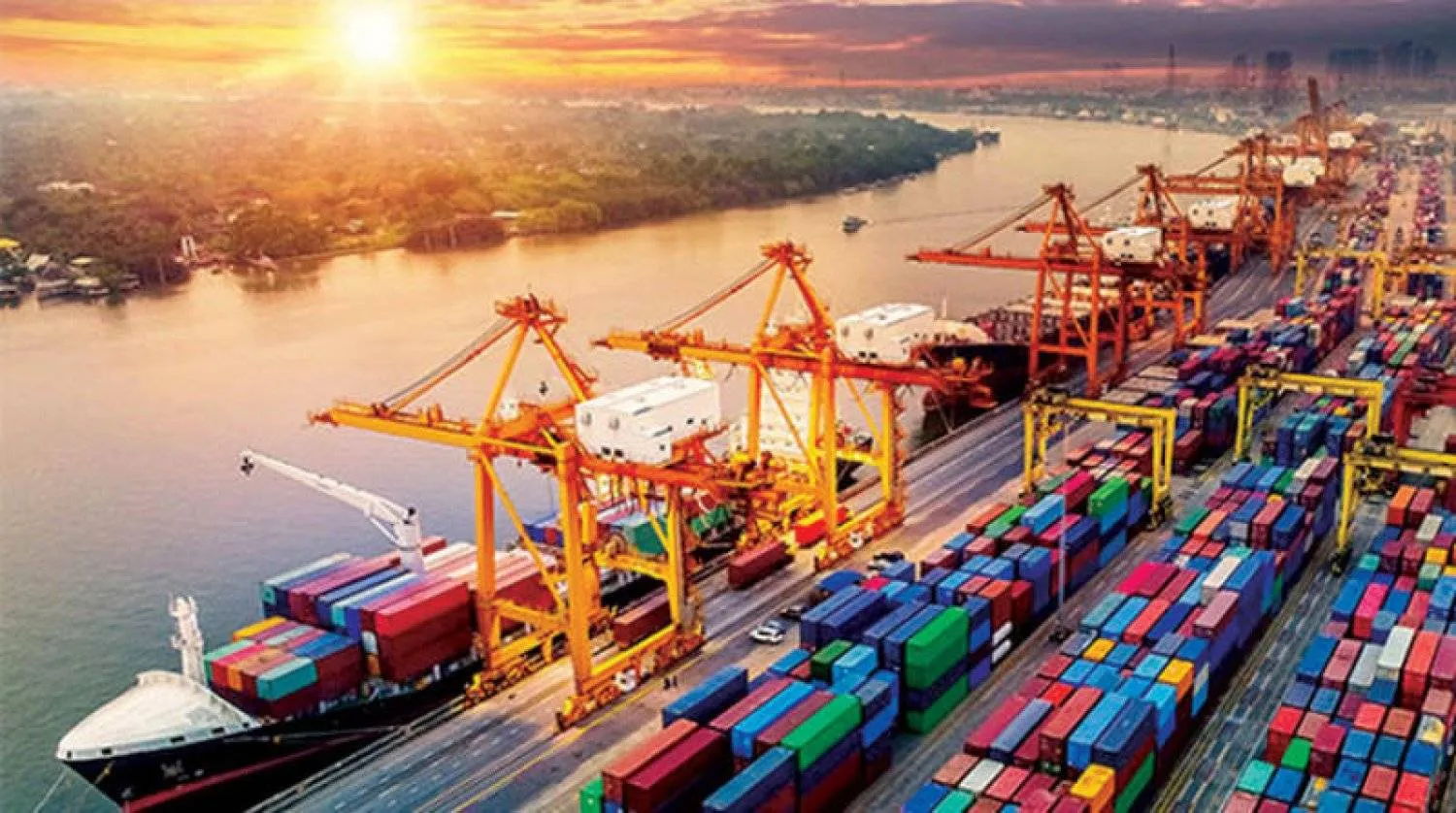
Ships and containers at a Chinese port (Reuters)
TT

China Temporarily Bans Helium Exports as US-Iran Tensions Flare Again

Ships and containers at a Chinese port (Reuters)

China announced on Friday a temporary export ban on helium, effective immediately, as resumption of military conflict in the Middle East threatens to trigger new shortages of the gas critical for chip manufacturing.

Earlier this year, the US-Israeli war on Iran led to helium shortages, disrupting companies globally, including in China, where the AI industry increasingly relies on domestic chips for training and ⁠running AI models. Helium is essential for heat management in semiconductor production.

The helium ban is the latest example of Beijing seeking to prevent domestic shortages of critical materials by curbing exports. It has previously imposed similar measures on fuel, fertilizers and sulfuric acid.

China is also looking to boost domestic chip manufacturing capacity and reduce the industry's dependence on cutting-edge Nvidia semiconductors that fall under US export controls.

China is heavily ⁠dependent on overseas helium despite efforts to expand domestic production.

Still, the export ban could squeeze global supply further because Chinese companies have increasingly acted as intermediaries, importing Russian helium and re-exporting some volumes to overseas markets, including Europe.

According to Reuters, analysts ⁠estimate China imports around 85% or more of its helium requirements. Qatar accounts for a major share of global helium output and has supplied more than half ⁠of China's imports in recent years.

Helium is extracted from natural gas fields with unusually high helium concentrations and cannot be quickly manufactured from ⁠other industrial processes.

In chipmaking, it is used for wafer cooling, plasma etching, chemical vapor deposition, atomic layer deposition, lithography support and leak detection.



Iraq Raises September Basrah Medium Crude OSP to Asia

Workers walk across pipelines at the Rumaila oil field in Basra, Iraq (Reuters)
TT

Iraq Raises September Basrah Medium Crude OSP to Asia

Workers walk across pipelines at the Rumaila oil field in Basra, Iraq (Reuters)

Iraq has raised the September official selling price (OSP) for Basra Medium crude oil to Asia to minus $4 a barrel against the average of Oman/Dubai quotes from the August OSP of minus $6.50 a barrel, state-owned Iraqi oil marketer SOMO said on Monday, Reuters reported.

Basrah Heavy to Asia was priced at minus $7.30 a barrel to Oman/Dubai quotes, from minus $8.80 a barrel set for August.

Type of North and South European Far East Crude American Market Market Market ($/bbl) Oil ($/bbl) ($/bbl) Basrah ASCI +5.10 Brent Average (Oman Medium (dated)-4.35 & Dubai)-4.00 Basrah ASCI +1.40 Brent Average


Turkish Central Bank Bought $5 billion in Foreign Exchange Last Week, Bankers Say

Central Bank of Türkiye - File Photo/Reuters
TT

Turkish Central Bank Bought $5 billion in Foreign Exchange Last Week, Bankers Say

Central Bank of Türkiye - File Photo/Reuters

The Turkish central bank bought $5 billion in foreign exchange last week, with its net reserves increasing $9 billion to $63 billion, bankers said on Monday, Reuters reported.

According to the calculations of four bankers, the central bank's total reserves increased $14 billion last week to $178 billion, while net reserves excluding swaps increased $9.5 billion to $50 billion. The central bank did not comment on the figures.


July US Container Imports Hit Fourth-highest on Record, Descartes Says

FILE PHOTO: Workers move shipping containers at the Port Authority of New York and New Jersey in, Newark, New Jersey, US, September 30, 2024. REUTERS/Caitlin Ochs/File Photo
TT

July US Container Imports Hit Fourth-highest on Record, Descartes Says

FILE PHOTO: Workers move shipping containers at the Port Authority of New York and New Jersey in, Newark, New Jersey, US, September 30, 2024. REUTERS/Caitlin Ochs/File Photo

US imports of containerized goods in July hit the fourth-highest level for the month, as shippers rushed in goods ahead of unknown US tariff changes, supply chain technology provider Descartes Systems Group said on Monday.

US seaports handled 2.5 million 20-foot equivalent units (TEUs) in July, down 4.3% from the near-record result in July 2025. Through the first seven months of 2026, imports were down 0.9% year over year while remaining ⁠well above pre-COVID pandemic ⁠levels, Descartes said.

In late July, 10% global Section 122 tariffs expired and were replaced by new tariffs of up to 12.5% on imports from 60 countries tied to allegations of forced labor.

Chinese-origin imports rose to 873,129 TEUs ⁠in July, the highest monthly volume in a year.

China sends more goods via container to the US than any other country, even after President Donald Trump has targeted such products with tariffs.

Retailers like Walmart, Amazon.com and Home Depot account for roughly half of all US container imports, Reuters reported.

The traditional peak shipping season tied to their imports of goods for autumn and winter holiday promotions ⁠has ⁠been arriving earlier and over a longer period of time as shippers have responded to a string of supply-chain upheavals ranging from the COVID-19 pandemic and the ongoing US and Israeli war on Iran to rapidly changing US tariff policies.

"The broader trade environment remains unsettled. Elevated Strait of Hormuz risk, changing US tariff measures, tighter Panama Canal draft restrictions, and continued Red Sea disruption are influencing freight costs, routing decisions, and sourcing strategies," Descartes said.
