



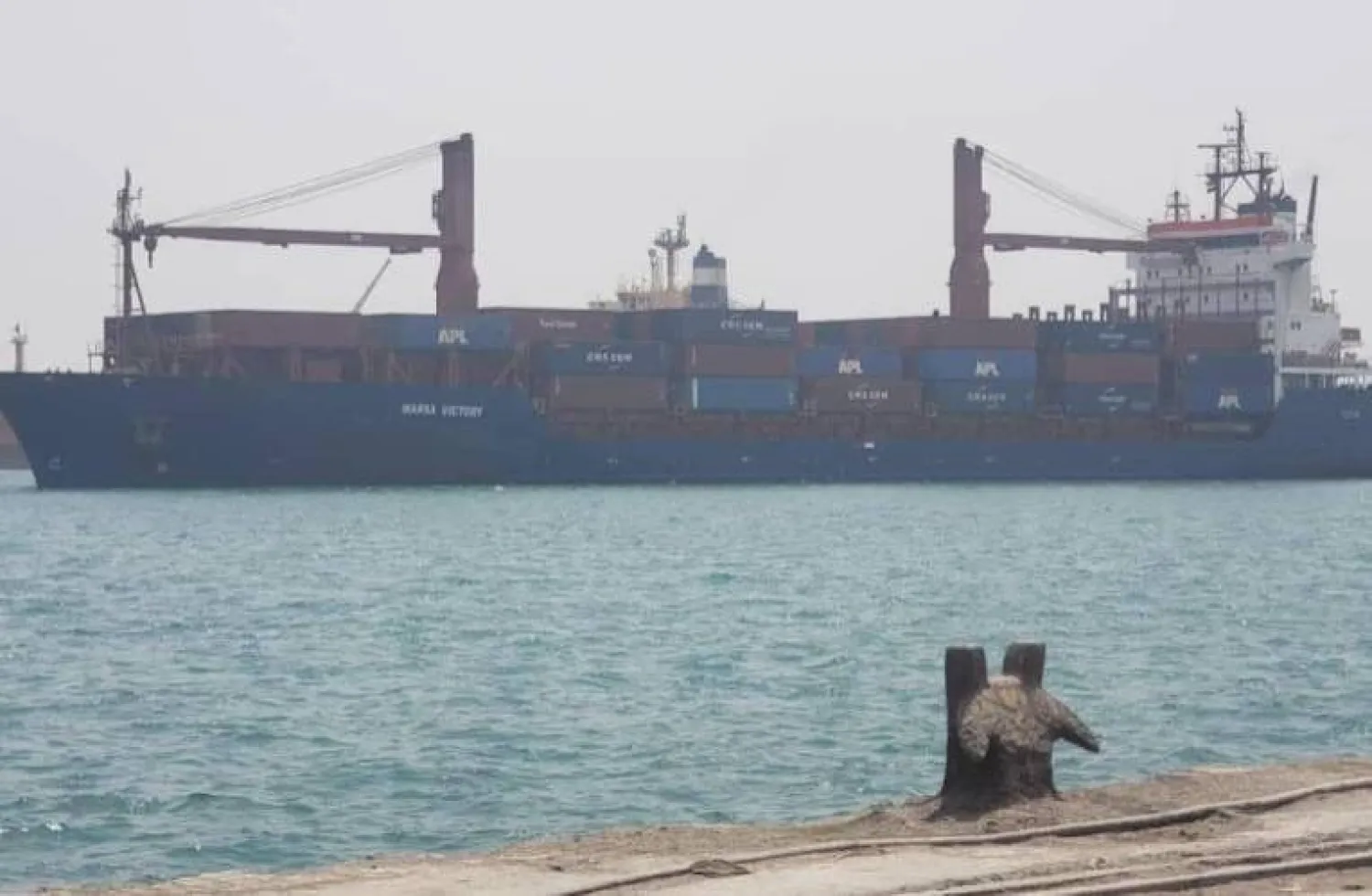

At a time when Yemen faces one of the world's worst humanitarian and economic crises, renewed threats by the Houthis to target commercial shipping in the Red Sea and Bab al-Mandab Strait are raising growing fears of direct repercussions on the lives of millions of Yemenis, who may find themselves facing a new wave of rising prices and declining basic services each time.
Commercial sources in Sanaa say that markets in Houthi-controlled areas are currently witnessing a rising wave of basic commodity prices, with continued threats to international shipping.
The sources add that both traders and consumers are facing increasing pressure due to the abuses, looting, and illegal levies imposed by the group, which exacerbates the suffering of families and deepens the living crisis.
The sources indicated that millions in Houthi-controlled areas are not following the news of the escalation in the Red Sea as distant events, but rather consider them an additional threat that is getting closer day by day to the details of their daily lives.
Residents in Sanaa and other Houthi-controlled areas fear that continued tension will lead to further economic pressures, whether through rising prices, declining commercial activity, or increased difficulty in obtaining certain goods and services. They express their growing concerns that they will be the first to pay the price for this escalation, amidst an exhausted economy and an ongoing humanitarian crisis that has lasted for years.
Anticipation and Fear
Nasser, a government employee in Sanaa, awaits the repercussions of any potential Houthi escalation in the Red Sea with increasing anxiety, amidst his salary being cut for years and his repeated inability to secure his children's needs.
Jameel told Asharq Al-Awsat: "We can no longer tolerate successive waves of inflation. Any new tension could prolong the war and double the suffering, especially with the ongoing salary crisis, and it directly affects the prices of food, medicine, and fuel, while our incomes and those of many families remain stagnant and do not keep pace with the rising cost of living."
Saeed from Hodeidah Governorate added: "We hear about conflicts at sea, but their effects reach us directly in the markets. When transportation and shipping costs rise, we ultimately pay the price," confirming current significant increases in the prices of many basic goods.
Yemen relies heavily on imports to cover its basic needs, making disruption of navigation and increased shipping and insurance risks a significant factor pushing up commodity prices in local markets. Reports have warned that rising sea transport and insurance costs could exacerbate the burdens on Yemeni consumers.
In one of the rural areas of Sanaa, Sadeq, an unemployed family man, says: "We calculate the value of everything before buying it. Any new crisis means the family will forgo more of its needs."
Meanwhile, a merchant from Ibb city told Asharq Al-Awsat: "The merchant is also affected, as the rising cost of import and transport impacts everyone, from the shop owner to the citizen buying the goods."
Daily Burdens
While the Houthi militants continue to threaten international commercial shipping, Yemenis in areas under their control remain the most affected, as regional developments transform into daily burdens affecting food, medicine, income, and job opportunities.
Observers believe that continued tension in the Red Sea could open the door to mutual military responses, increasing the likelihood of the conflict's expansion in the region, and placing Yemen at the heart of a regional conflict whose repercussions extend beyond its geographical borders, while the Yemeni citizen remains the most harmed party.
Economic experts also warn that any escalation leading to disruption of navigation or increased risks to commercial vessels will push global shipping companies to raise transport and insurance fees, or change their routes, which practically translates into higher costs for imported goods reaching Yemeni markets.
Amidst salary cuts, declining purchasing power, and rising poverty rates, any new price increase will exacerbate the suffering of Yemeni families.


