Analysts to Asharq Al-Awsat: Policy Flexibility Strengthens Saudi Arabia’s Ability to Withstand Shocks

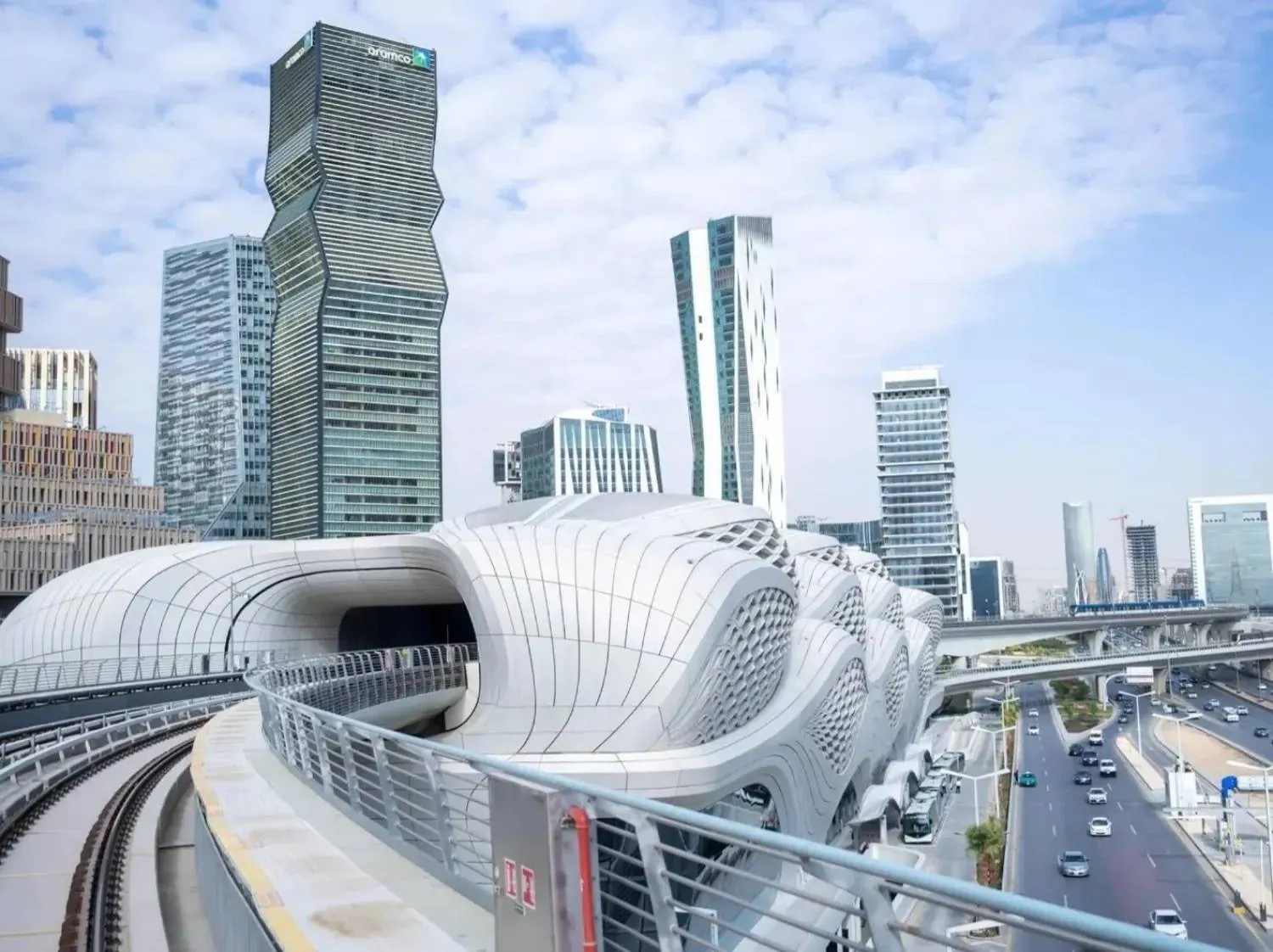
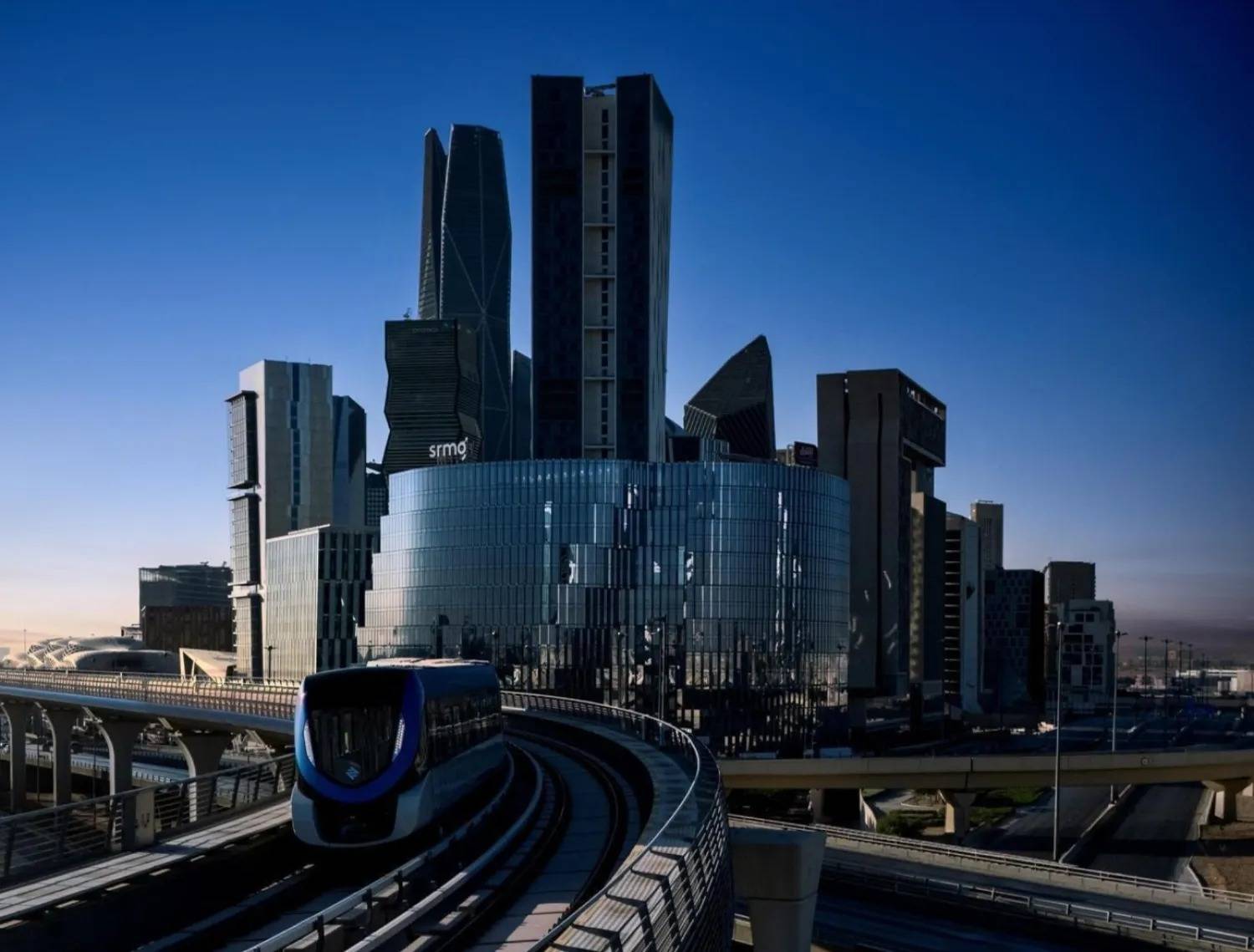
A view of Riyadh’s Financial District from the metro. (SPA)
TT

Analysts to Asharq Al-Awsat: Policy Flexibility Strengthens Saudi Arabia’s Ability to Withstand Shocks

A view of Riyadh’s Financial District from the metro. (SPA)

The International Monetary Fund (IMF) has raised its forecast for Saudi Arabia’s economy, projecting GDP growth of 5.5 percent in 2027, supported by a recovery in both the oil and non-oil sectors and continued strength in consumption and investment.

Economists said the Kingdom’s sound public finances and accelerating non-oil activity have strengthened its ability to sustain growth despite geopolitical challenges.

The IMF had forecast growth slowing to 1.7 percent in 2026 because of the impact of the Middle East conflict and shipping disruptions through the Strait of Hormuz. It expects the economy to regain momentum the following year as economic activity improves and projects under Saudi Vision 2030 continue to advance.

Naif Alghaith, chief economist at Riyad Bank, told Asharq Al-Awsat that the Saudi economy is likely to exceed 5 percent growth in 2027, driven by the continued strength of non-oil activities, which now account for more than half of GDP, supported by domestic demand, investment projects and Vision 2030 programs.

The tourism, construction, services and trade sectors are poised for further growth alongside improving trade and shipping activity and a recovery in oil production and exports, he added.

“These transformations have helped build a more resilient and robust economy capable of absorbing external shocks and maintaining a sustainable growth trajectory,” he remarked.

A more resilient economy

According to Alghaith, the IMF report clearly reflects the strength of the Saudi economy and its high capacity to withstand external shocks.

The Kingdom demonstrated its resilience during recent geopolitical tensions thanks to strong economic fundamentals and advanced infrastructure, he stressed.

Long-term investments in ports and logistics enabled oil and non-oil shipments to be rerouted efficiently, helping maintain trade flows and supply chains, he said.

He added that substantial foreign asset reserves, strategic commodity reserves and Saudi Arabia’s pivotal position in global energy markets have further enhanced the economy’s ability to absorb external shocks.

He further stressed that the continued expansion of non-oil activities and the broader economy despite global challenges reflects the success of economic policies in building a more resilient, robust and adaptable economy.

International confidence

Abdullah Almeer, assistant professor of economics at King Fahd University of Petroleum and Minerals, told Asharq Al-Awsat that the IMF’s projections reflect international confidence in Saudi Arabia’s ability to overcome geopolitical crises.

He said the Saudi economy continues to deliver a remarkable economic transformation despite the expected slowdown in 2026. A rebound to 5.5 percent growth in 2027 would represent “an excellent recovery” given the impact of the war involving Iran and the geopolitical turmoil that has affected the region.

Almeer underlined the importance of diversified export routes, flexible infrastructure and the Kingdom’s financial strength in enhancing economic resilience. He noted that the Saudi Central Bank’s net foreign assets exceed $488 billion, enough to cover 14 months of imports.

The projected growth depends on the recovery of both oil and non-oil activity, continued strength in consumption, increased domestic and foreign investment, and the continued implementation of Vision 2030 megaprojects, he added.

Strong public finances and investment appeal

Commenting on the IMF’s favorable assessment of Saudi Arabia’s fiscal position, Alghaith said the continued strength of public finances and the decline in the non-oil primary deficit reflect the Kingdom’s success in balancing economic growth with fiscal sustainability.

The non-oil primary deficit fell to 23.3 percent of non-oil GDP in 2025 from 24.5 percent in 2024, strengthening the government’s fiscal position and providing greater fiscal space to continue financing priority development projects, he noted.

Almeer remarked that these indicators would bolster the Saudi capital market by strengthening investor confidence and increasing the appeal of Saudi assets.

Strong growth prospects signal economic stability and resilience, encouraging both domestic and foreign investors to expand their investments, he said. Financial markets also tend to perform better as the economic outlook improves and investors’ appetite for higher-return assets increases.

Debt market and IPOs

Almeer went on to say that the development of the domestic debt market and the flexibility of the initial public offering market are helping attract additional investment inflows.

He noted that the inclusion of Saudi riyal-denominated government sukuk in the JPMorgan and Bloomberg indexes reflects the market’s maturity as well as its greater depth and liquidity.

Saudi Arabia has become one of the largest emerging-market bond issuers, strengthening its position in global capital markets and attracting additional foreign investment, he stressed.

The Saudi stock market also enhanced its investment appeal after raising about $4.2 billion through 40 IPOs on the main and parallel markets in 2025, he said.

Sectors poised to benefit

Almeer expects tourism, entertainment, logistics, manufacturing, technology, artificial intelligence and financial services to be among the sectors that will benefit most from the projected growth over the coming years.

He said the massive investments associated with Vision 2030 projects will support economic diversification and increase the private sector’s contribution.

He highlighted several indicators demonstrating the impact of economic reforms, including inflation remaining around 2 percent, women’s labor-force participation rising to 34.5 percent, and Saudi homeownership reaching 66 percent.

IMF Says Engaging with Iraq on Preparing New Bailout Program

Central Bank of Iraq (INA)
TT

IMF Says Engaging with Iraq on Preparing New Bailout Program

Central Bank of Iraq (INA)

The International Monetary Fund on Thursday said it was engaging with Iraqi authorities as it prepares a new bailout program for the country, whose economy has been battered by the war on Iran.

The US-Israel war on Iran, launched in late February, plunged the region into conflict and saw Tehran's retaliatory action virtually block the Strait of Hormuz, a key energy supply route.

Iraq's economy is heavily dependent on its energy exports, which almost entirely rely on transport through the strait.

Before the war, the country was already facing acute fiscal constraints, and the IMF this month forecast its economy would contract by 16 percent this year.

"Our plan now is to engage with the authorities to understand better their priorities, how they want to address their vulnerabilities, and then to move ahead on how we can best support them with a program," said IMF spokesperson Julie Kozack at a regular press briefing in Washington.

Kozack cited the country's severe financing constraints from before the outbreak of the war, and said its very narrow non-oil revenue base was also putting pressure on the fiscal balance.

The last of Iraq's three most recent programs with the IMF ended in 2019.

It has a total of around $428 million in interest payments due to the Fund by 2030, according to IMF data.

IMF Chief Kristalina Georgieva first disclosed that Iraq had approached the Fund for a new program at the Fund's annual meetings in Bangkok earlier this month.

At those meetings, Georgieva lauded the resilience of global economic growth in the face of wars in Iran and Ukraine, but warned that outcomes were highly uneven with more vulnerable economies battered hard by the conflicts.


Iraq's Central Bank: Exchange Rate Gap Narrows to 9%, No New Currency Being Printed

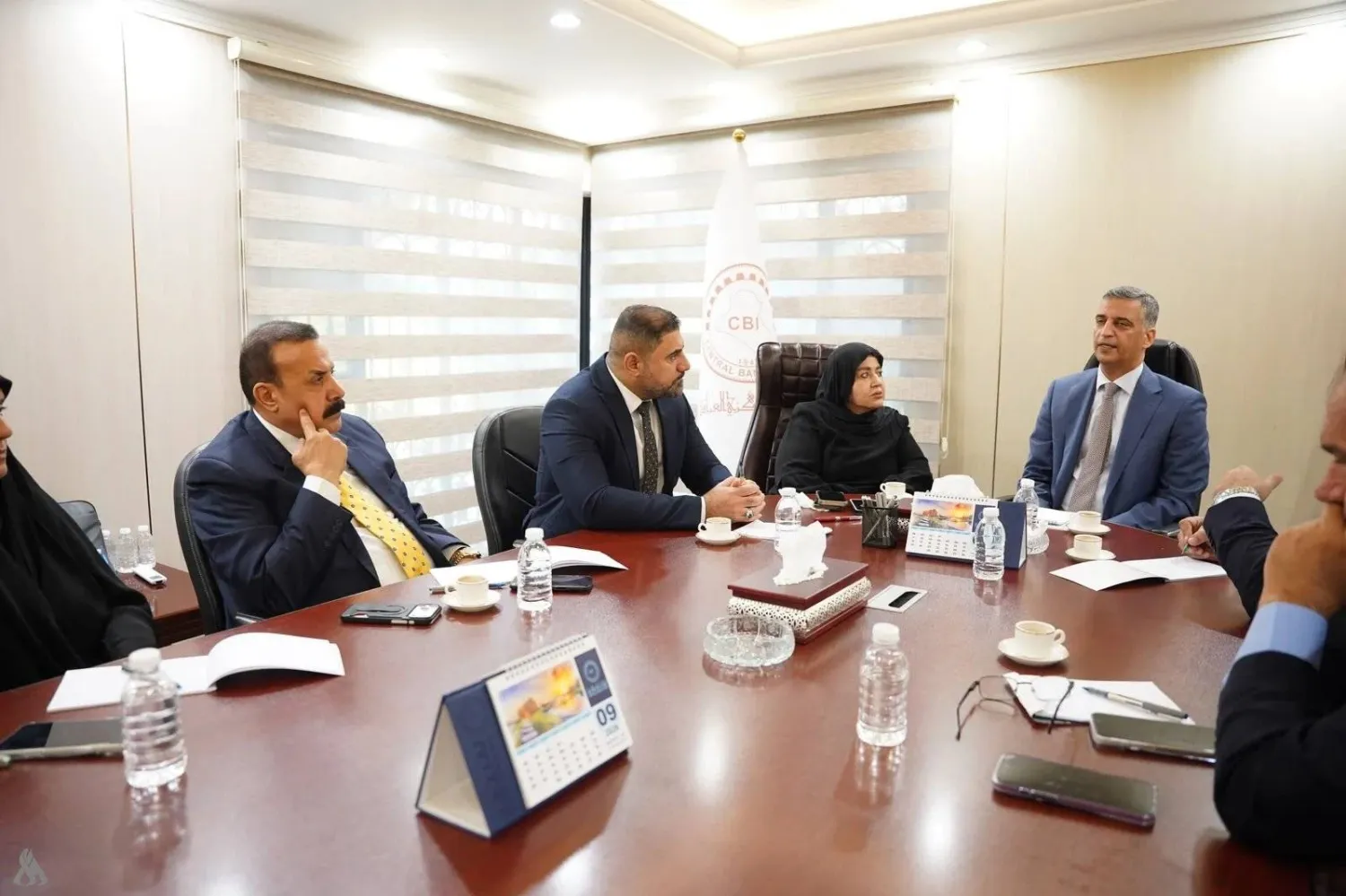
Iraq's Central Bank Governor chairs a meeting on Thursday (Iraqi News Agency)
TT

Iraq's Central Bank: Exchange Rate Gap Narrows to 9%, No New Currency Being Printed

Iraq's Central Bank Governor chairs a meeting on Thursday (Iraqi News Agency)

Iraq's Central Bank Governor Nizar Nasser Hussein announced Thursday that the gap between the dinar's official exchange rate and its parallel-market rate had narrowed to 9%, down from approximately 24%, while denying reports that new banknotes were being printed.

Hussein made the remarks during a visit by the Iraqi Parliament's Investment and Development Committee to the central bank to discuss the repercussions of changes to the dollar exchange rate, their impact on economic and investment activity, and the challenges facing investors and local companies, according to a parliamentary statement carried by the Iraqi News Agency (INA).

The governor confirmed that no currency printing was underway, describing reports to the contrary as inaccurate. He also noted that the gap between the official and parallel-market exchange rates had fallen to 9%, as Iraq faces mounting financial and economic pressures stemming from the war involving Iran and disruptions to oil exports.

In early October, the Central Bank of Iraq raised the dollar's selling rate to the public to 1,520 dinars, from approximately 1,320 dinars previously, a move that devalued the dinar by around 15% against the dollar amid pressure on oil revenues and foreign currency inflows.

Iraq's public finances depend heavily on oil revenues, making export disruptions and declining foreign currency inflows major sources of pressure on the state budget and foreign exchange market.

During the meeting, the central bank outlined measures taken to support the economy, including assistance to state-owned and private banks in providing citizens with concessional loans ranging from 5 million to 15 million Iraqi dinars.

For its part, the Investment and Development Committee stressed the need to limit the impact of exchange rate changes on investment project costs, raw material prices and contractual obligations, as well as their repercussions for market stability and citizens' purchasing power.

The committee called for stronger coordination between the central bank, government agencies and the banking sector, streamlined bank financing procedures, and the removal of obstacles facing investors to ensure projects can continue without imposing additional burdens on businesses and citizens.

The developments come as Iraqi authorities seek to contain the economic fallout from the war amid mounting pressure on oil exports and public finances.

Iraq had requested financial support from the International Monetary Fund, which projected that the country's economy would contract by 16% this year, according to estimates cited in the report.


Riyadh Metro Opens New Horizons for Commercial Real Estate Investment

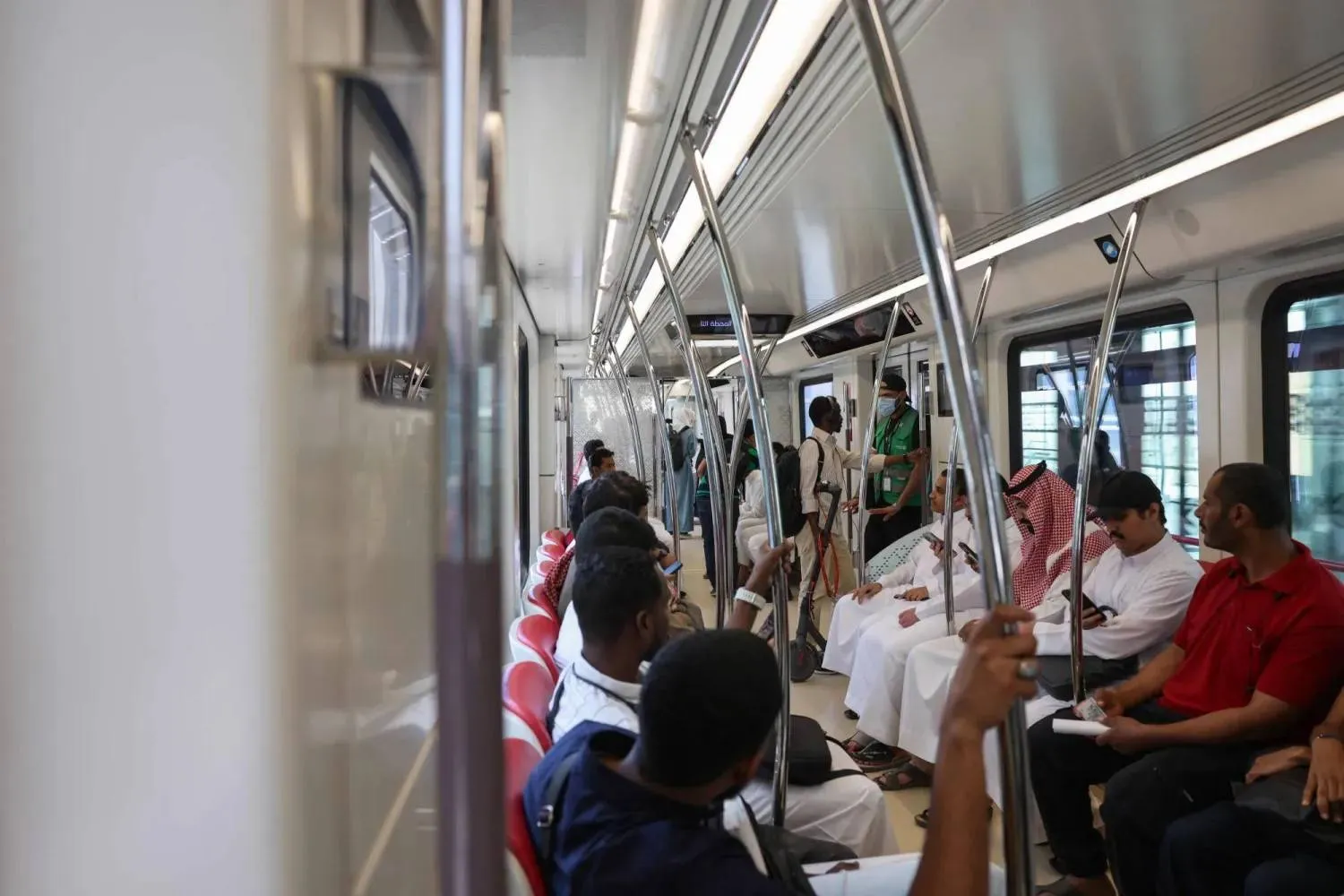
Men ride the Riyadh Metro heading to King Saud University Station in Riyadh (AFP)
TT

Riyadh Metro Opens New Horizons for Commercial Real Estate Investment

Men ride the Riyadh Metro heading to King Saud University Station in Riyadh (AFP)

Riyadh's public transport network is increasingly becoming a factor in real estate investors' calculations, with Saudi Arabia's rail services recording more than 40.9 million passengers during the third quarter of 2026. Of these, the Riyadh Metro accounted for 30.4 million riders.

This draws renewed attention to the attractiveness of commercial properties located near metro stations and the opportunities for cafés, restaurants, and retail outlets to benefit from passenger traffic. However, industry specialists note that assessing the metro's actual impact on rents and occupancy rates requires comparing property performance before and after operations began, while taking other market factors into account.

In this context, Khaled Al-Mobid, CEO of Menassat Realty Co., told Asharq Al-Awsat that the Riyadh Metro has begun to reshape the concept of a prime commercial location.

A desirable site is no longer limited to properties situated on major roads; ease of access through public transportation has become an additional factor enhancing investment appeal.

Al-Mobid added that average rents in Riyadh's major shopping centers reached approximately SAR 2,650 per square meter annually, reflecting growth of 1.2 percent, while occupancy rates remained stable at 91 percent during the first half of 2026. He stressed, however, that these indicators cannot be attributed solely to the metro.

He pointed to practical signs of the growing importance of transport-linked commercial activity, including the offering of 733 commercial units within the public transport network, in addition to opportunities available for cafés and financial services.

Metro Enhances the Appeal of Commercial Locations

Al-Mobid expects businesses that depend on daily customer traffic, particularly cafés, restaurants, and quick-service providers, to benefit from locations near the busiest stations. He believes proximity to metro stations will become a more important consideration for investors and developers when selecting sites and planning mixed-use projects.

He emphasized that the value of a commercial location in the future will not be measured solely by the number of cars passing by, but also by the number of people who can easily reach it without needing a vehicle.

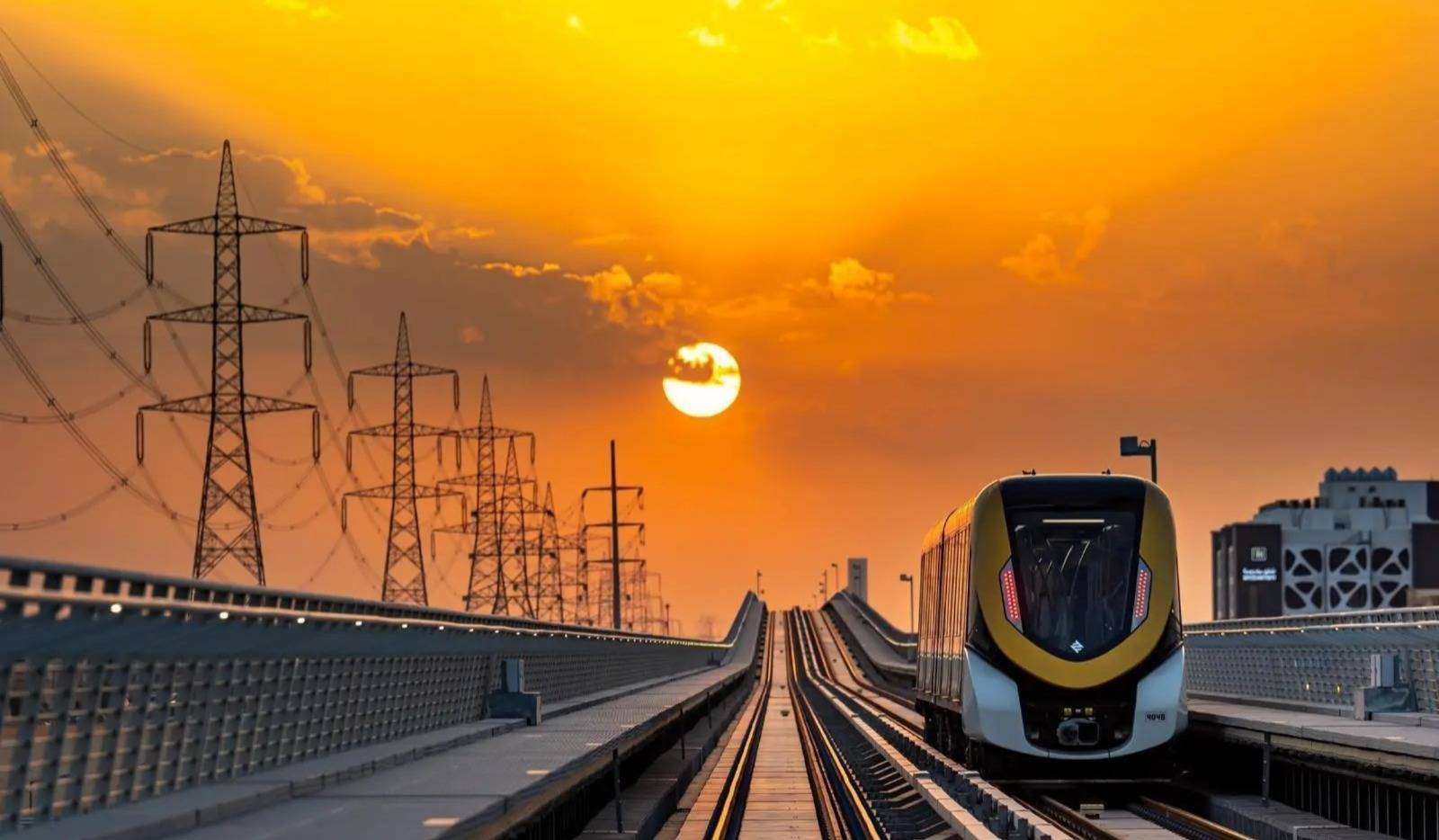
A view of the Riyadh Metro's Blue Line emerging from the Financial District Station (SPA)

Measuring the Real Estate Impact Requires Market Comparison

For his part, Khalid Aljasir, a real estate specialist and chairman of Amaken International Group, told Asharq Al-Awsat that the launch of the Riyadh Metro represents a significant development in the city's infrastructure and is expected to gradually influence the real estate demand landscape, particularly in commercial areas that benefit from improved accessibility and higher user traffic.

Aljasir explained that proximity to public transport stations can enhance a property's investment appeal, although the extent of the impact varies depending on the location, the nature of the commercial activity, and the level of demand in the area.

He stressed that increases in rents or occupancy rates cannot be attributed solely to metro operations without analyzing other market variables.

He noted that measuring the metro's actual impact requires comparing similar commercial properties located near stations with those farther away, both before and after operations began. Metrics such as average rents, occupancy rates, and demand levels can help determine how improved accessibility affects real estate performance.

A view of the Riyadh Metro's Yello Line (SPA)

Accessibility Becomes a Key Consideration for Investors

Aljasir added that accessibility and integration with public transport networks are increasingly important factors when evaluating investment opportunities. Investors assess a property's ability to attract tenants and users, as well as how easily customers and employees can reach it, alongside traditional considerations such as location and size.

He noted that cafés, restaurants, retail stores, and daily-service businesses may benefit from sites experiencing steady pedestrian traffic near metro stations. Commercial offices may also gain from improved accessibility for employees and clients.

Furthermore, locations connected to public transport could become more attractive for mixed-use developments that combine commercial, office, and service functions.

Aljasir stressed that proximity to a station is not the sole determinant of investment success. Economic viability, rent levels, actual demand, the nature of the business, and overall site quality remain fundamental factors in decision-making.

He underscored the importance of studying the integration of public transportation and real estate development and evaluating its impact on expected cash flows and investment returns, rather than assuming that all properties near stations will experience the same increase in value or rental rates.