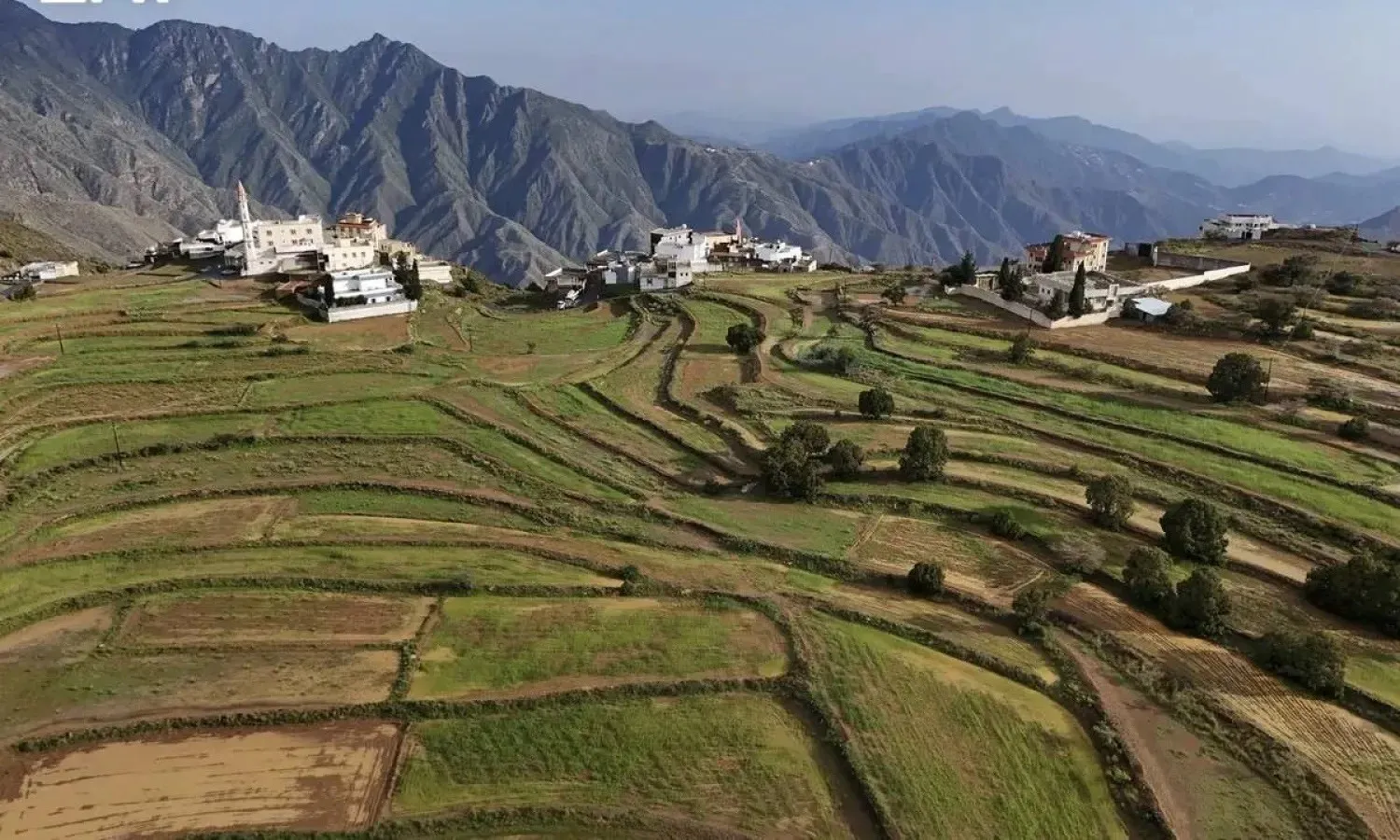

Saudi Arabia’s Aseer region is no longer relying solely on its natural beauty. Instead, it is building an integrated tourism economy led by the Aseer Region Development Authority, which has transformed the region’s natural and cultural assets into investment opportunities, flagship projects, and year-round tourism experiences.
As the region’s development strategy gathers pace, Aseer is steadily positioning itself as a destination capable of competing with leading regional and international tourism hubs. Its strategy is underpinned by modern infrastructure, expanding air connectivity, growing investment, and an integrated ecosystem designed to serve both investors and visitors.
Located in southwestern Saudi Arabia, Aseer is administered from Abha and occupies a strategic location linking the highlands with the coastal plain. It borders the Jazan, Najran, Al-Baha, and Makkah provinces, as well as Yemen to the south and the Red Sea to the west, reinforcing its position as one of the Kingdom’s leading tourism and investment destinations.
Broadening investment opportunities
The Aseer Region Development Authority told Asharq Al-Awsat that tourism investment opportunities have become increasingly diverse, driven by rising demand and the region’s ability to support every segment of the tourism value chain.
Accommodation and hospitality remain the largest opportunities, including hotels, mountain resorts, serviced apartments, and eco-lodges, reflecting sustained growth in visitor numbers and multiple tourism seasons throughout the year.
Rural tourism and adventure tourism are also among the region’s most promising sectors, benefiting from Aseer’s distinctive mountain landscape, hiking trails, climbing experiences, and tourism products across its highlands and valleys, alongside growing interest in ecotourism.
In cultural and heritage tourism, investment opportunities include restoring heritage villages, historic palaces, and traditional markets through modern business models that generate economic returns while preserving the region’s cultural and architectural identity.
The food sector has also emerged as a new investment driver, particularly after Aseer was named the World Region of Gastronomy 2024, creating opportunities to attract local and international restaurants that showcase Aseeri cuisine through contemporary dining concepts.
Visitor growth
The authority said investment opportunities also extend to events, entertainment, and retail, helping lengthen visitor stays and increase spending.
Investors benefit from an integrated support system that streamlines the process from project conception through implementation, enhancing the region’s investment environment, it added.
Aseer welcomed about 6.1 million visitors last year and is targeting visitor growth of more than 10 percent in 2026, supported by a broader calendar of events, expanded tourism offerings, improved air connectivity, and continued upgrades to infrastructure and services.
Under its long-term strategy, the region aims to reach 9.1 million visits by 2030, strengthening its position as a year-round global tourism destination.
Domestic tourism continues to account for the largest share of visitors, while arrivals from Gulf countries and other regional and international markets linked by direct flights continue to grow. In 2025, the largest groups of international visitors came from Egypt, Yemen, the UAE, Oman, Qatar, and India.
Competing globally
The authority said Aseer is now closer than ever to competing with leading regional and international destinations, supported by a clear strategy to build a world-class tourism hub. Key projects include the new Abha International Airport, alongside the expansion of direct domestic, regional, and international air links.
It highlighted the region’s mild climate, mountain peaks, heritage villages, historic palaces, traditional markets, rich local cuisine, and scenic nature trails, as well as rapid growth in events, tourism experiences, and hospitality offerings.
These strengths have been reflected in a series of international recognitions, including being named the Fastest-Growing Tourism Destination in the Gulf for 2025, the inclusion of Abo Noghta Castles among the Best Tourism Villages of 2024, and its designation as the World Region of Gastronomy 2024.
The Aseer Region Development Authority is coordinating development efforts across government entities while overseeing the implementation of strategic infrastructure projects. Its objective is to transform the region into a world-class, year-round tourism destination that capitalizes on its natural diversity and cultural identity in support of Saudi Vision 2030’s goals of economic diversification and tourism development.