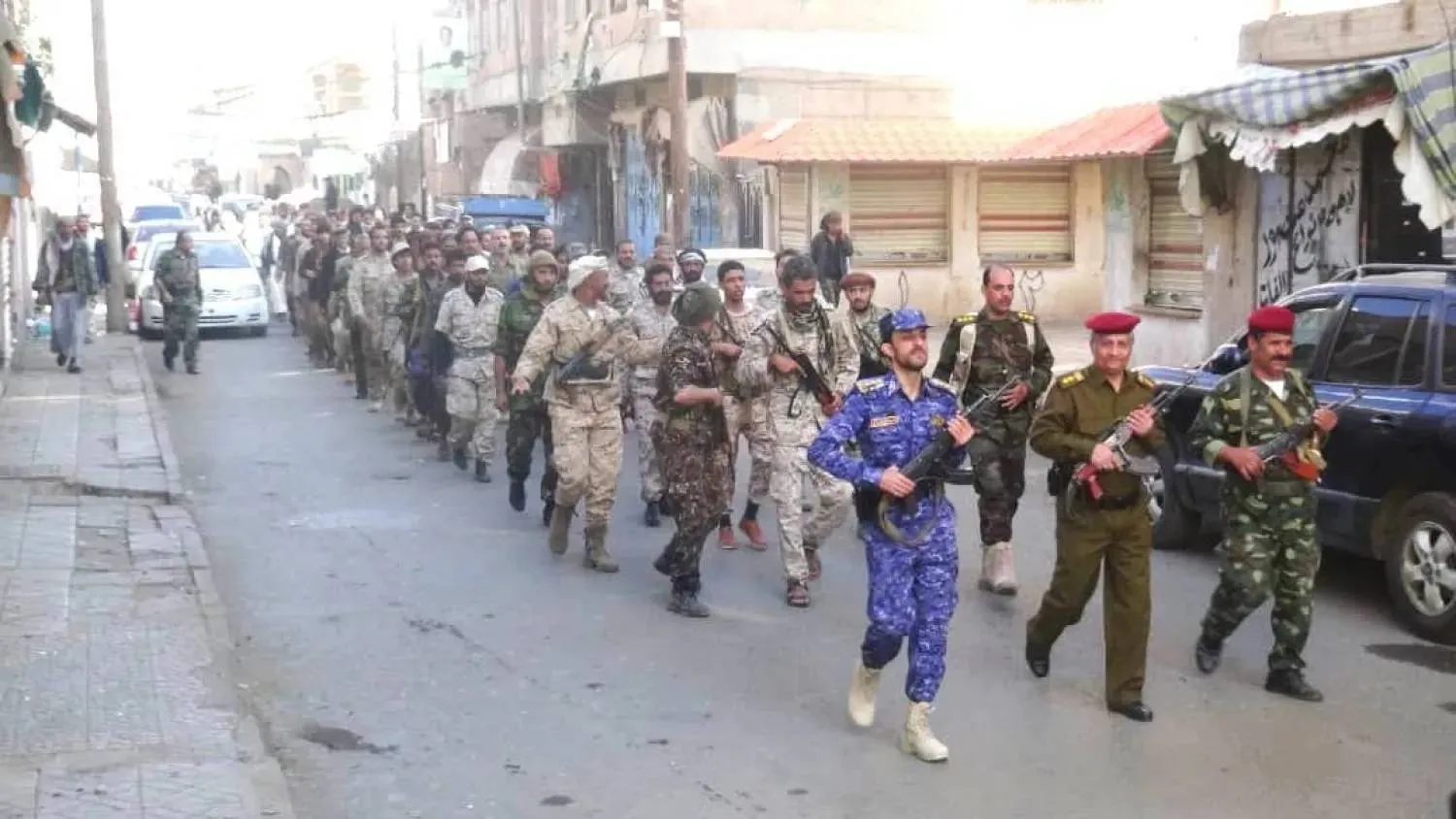

Houthi fighters have deserted front-line positions across six Yemeni governorates in recent days after failed infiltration attempts and attacks triggered counteroffensives by Yemen’s army, military and local sources said.
The group suffered personnel and territorial losses as desertions increased across several battlefronts, pointing to mounting pressure on its forces, the sources said.
Fighters withdrew from fronts in Bayda, Dhalea, Taiz, Hodeidah, Marib and Jawf after Houthi attempts to advance failed and army forces regained the initiative at several positions, according to the sources.
The latest desertions were reported in Marib and Jawf, where dozens of fighters abandoned their posts in recent days as clashes intensified and the Houthis carried out repeated battlefield violations, the sources said.
Yemeni sources said the deserters came from Arhab district, north of Sanaa, and left the Marib and Jawf fronts individually and in groups without informing field commanders.
They had been deployed as part of reinforcements sent by Houthi leaders in the district, led by commander Fares al-Habbari, the sources said.
Informed sources in Sanaa told Asharq Al-Awsat that desertions had accelerated, with about 400 fighters returning to their home areas in rural Sanaa, Raymah, Ibb and Dhamar without coordinating with military commanders or obtaining the permits required to leave the fronts.
The sources linked the rise in desertions to repeated battlefield setbacks and resulting personnel and material losses, which they said had deepened confusion within Houthi ranks. Some fighters left their positions carrying their weapons.
Relatives of several deserters said their family members had fled combat positions in recent days by different routes. They said escalating clashes and mounting losses drove them to leave the fronts and return home.
Observers said the withdrawals reflected growing military pressure on the group and continued personnel attrition, which could weaken its ability to send fresh reinforcements to other battlefronts.
Hunt for deserters
The sources said the group was preparing to carry out orders from its leader, Abdul-Malik al-Houthi, to form field teams from its Preventive Security and Security and Intelligence agencies to hunt down deserters, particularly in Dhalea, Taiz, Jawf and Marib.
The teams would also investigate field supervisors who failed to report desertions or were accused of helping fighters leave their positions, the sources said.
The Houthis had formed similar teams in previous years to pursue thousands of fighters who abandoned the fronts, part of efforts to curb desertions. The phenomenon has widened again as fighting intensifies across several governorates, the sources said.
Previous crackdowns
The latest developments echo previous incidents in which the group threatened the families of underage recruits who fled fighting in southern Marib and eastern Jawf, seeking to pressure them to return to the front.
Sources said at the time that hundreds of fighters had abandoned positions after they became exposed to government forces.
Houthi security agencies also arrested about 48 fighters in Hajjah, Dhamar and rural Sanaa during previous campaigns after they left the fronts and returned home.
Some of those detained said they had fled because of what they described as discrimination within the group’s ranks and at front-line positions, according to sources at the time.
Observers said continued desertions could further strain the group’s military operations as fighter numbers fall on some fronts and the need to replace battlefield losses grows amid continued escalation along the lines of contact.