
Egypt is seeking to turn Nabq Nature Reserve in South Sinai into a model for sustainable ecotourism, as part of a broader drive to develop protected areas and attract tourism investment.
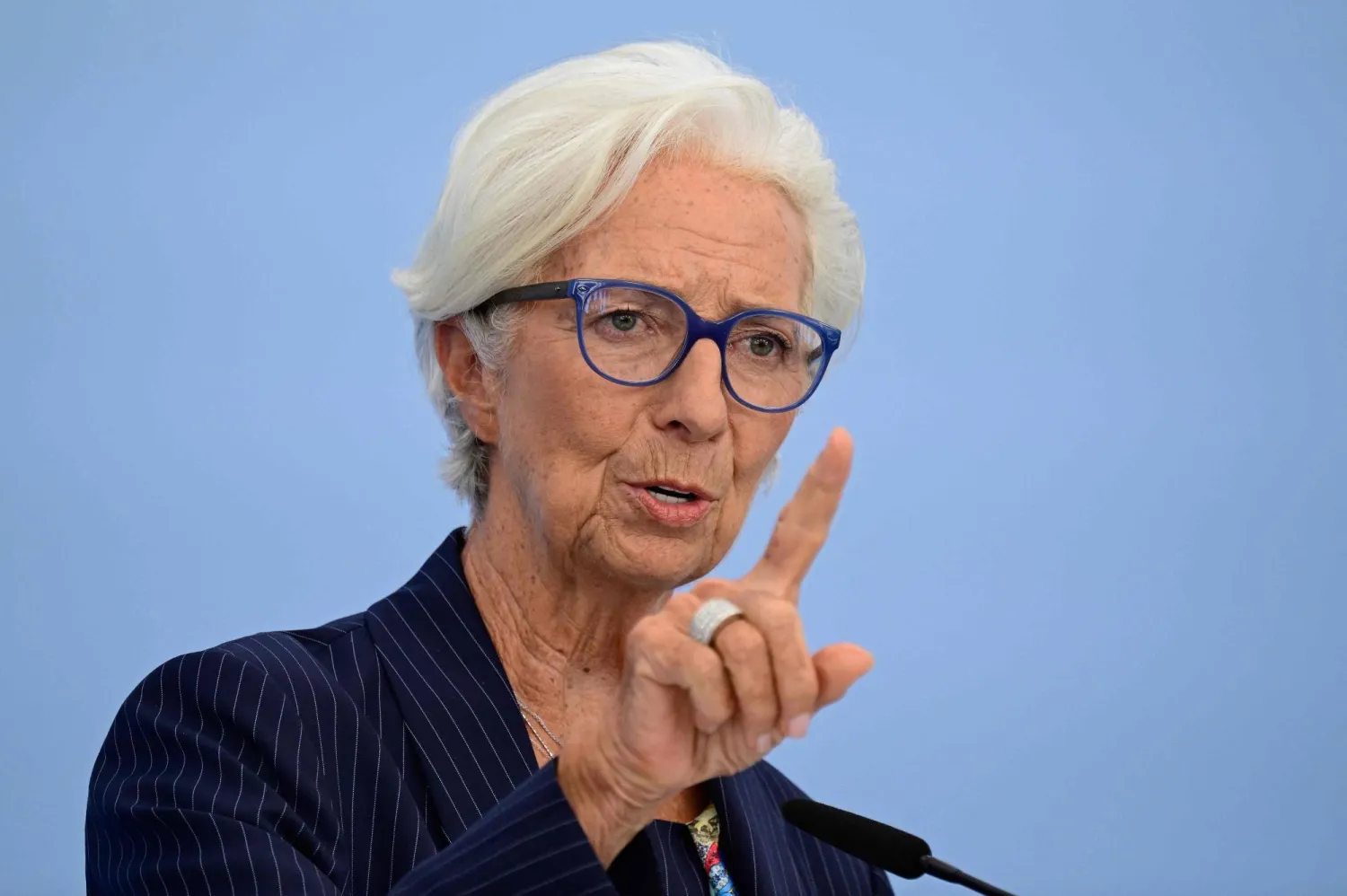
Minister of Local Development and Environment Manal Awad reviewed the proposed integrated management model with the Green Sharm project team and an investment company, the ministry said.
The model presents a new vision for managing Egypt’s nature reserves and proposes transforming Nabq into a sustainable ecotourism destination.
It aims to address existing gaps in the management of protected areas through an integrated system based on an institutional partnership between the state and the private sector, Awad said.
The approach seeks to balance the protection of sensitive ecosystems with the empowerment of local communities and the attraction of responsible investment capable of delivering sustainable economic returns.
“Nabq Nature Reserve provides an outstanding setting for applying this approach because of its exceptional environmental and tourism value,” Awad said in a ministry statement on Tuesday.
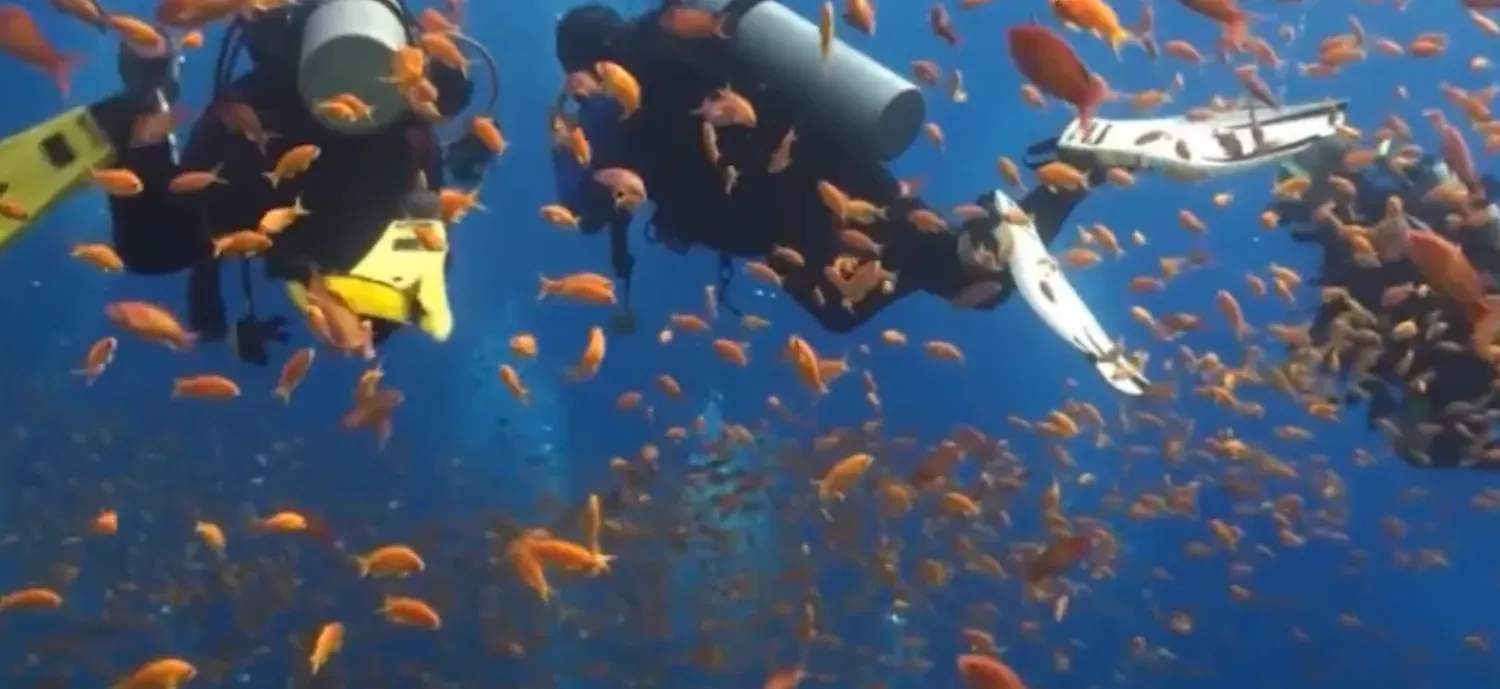
“It combines marine and desert ecosystems, mangrove forests, coral reefs and unique biodiversity, making it one of the country’s most important natural destinations and well placed to offer a leading Egyptian model for sustainable ecotourism.”
Egypt is relying on the diversity of its tourism destinations to attract more visitors. Previous campaigns have highlighted the range of tourism experiences available in the country, including cultural, environmental, medical, beach, sports, safari and conference tourism.
Egypt aims to attract 30 million tourists by 2030.
Awad said the Nabq model rests on several main pillars, led by the creation of a single destination management entity to coordinate all tourism, environmental, community and investment activities.
The entity would seek to improve management efficiency and ensure a unified development vision. The model would also empower local communities by integrating them as key partners in value chains and providing sustainable employment opportunities.
It would also aim to attract capital committed to sustainability standards and long-term returns.
Nabq Nature Reserve lies at the far southeastern tip of the Sinai Peninsula on the Gulf of Aqaba and covers about 600 square kilometers.
It is known for its biodiversity and natural wealth, including birds, animals, plants and marine life, and hosts a wide range of diving activities.
The ministry statement outlined a three-stage implementation roadmap.
The first stage, covering the first two years, would focus on establishing the institutional entity, preparing infrastructure and launching quick-impact projects, including eco-hotels and guided tours.
The second stage would involve activating major investments and expanding programs to empower local communities.
The final stage would seek to achieve financial sustainability, expand the project and develop the destination into a global brand.
Awad said the Nabq model could generate environmental benefits by securing sustainable funding for conservation efforts and reducing the carbon footprint of tourism activities.
It could also deliver social benefits by improving the quality of life of local residents and creating direct and indirect jobs, as well as economic gains by increasing tourist overnight stays and diversifying Egypt’s tourism offerings.
She said the model could be replicated and expanded across several Egyptian nature reserves, helping to create a national network of protected areas that generate economic value while remaining conserved.
Egypt has about 31 nature reserves across the country, according to the Egyptian Environmental Affairs Agency.
Some are major tourism destinations, particularly for diving, safari and ecotourism enthusiasts. They include the Gabal Kamel Meteorite Protected Area in New Valley Governorate, Wadi al-Gemal in the Red Sea Governorate, Siwa in Matrouh Governorate, and the Wadi al-Rayan and Lake Qarun protected areas in Fayoum.