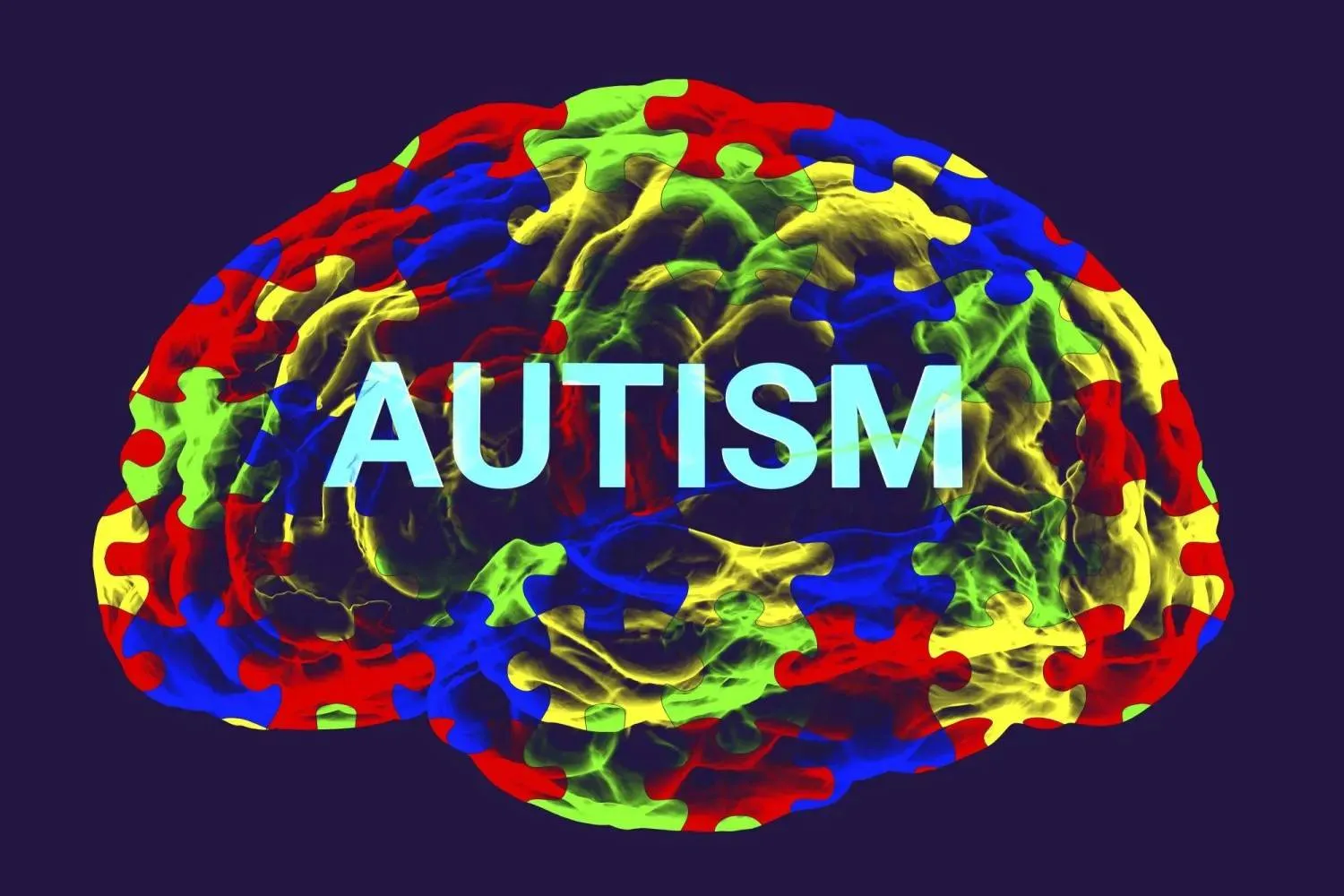

The autism spectrum is now so broad that anyone could have the condition, an expert who pioneered research into the condition has said.
Professor Dame Uta Frith, an emeritus professor in cognitive development at University College London, said autism had become a “catch-all diagnosis” for a range of conditions and that “anyone of any age or intelligence level can be diagnosed with autism if they meet certain criteria,” according to The Telegraph.
Dame Uta was one of the architects of the “autism spectrum” in the 1960s and 70s which was devised to include the “not-so-typical cases.”
But she now argues this has become “too broad,” having previously said it was so inclusive it was “completely meaningless.”
In a new essay, Dame Uta has warned that autism has become a part of “popular culture” and that there is an “almost magnetic attraction” to being labelled with the condition.
Autism Spectrum Disorder (ASD), as it is medically known, is a condition that affects how people communicate and understand others, as well as how they think, learn and respond to stimuli such as sounds and light.
More than 270,000 are waiting for an NHS autism assessment, with demand for a diagnosis surging since the pandemic.
Writing in the Psychological Medicine journal, Dame Uta said the definition has now widened to include people with milder traits and warned that social media had “spread simplified or misleading ideas.”
The 85-year-old said: “Autism wasn’t always defined this way – a sort of catch-all diagnosis for a huge variety of conditions.”
“When it was first identified in the 1940s, it referred to a small group of children with severe difficulties in social interaction, communication and behavior,” she said.
Over time, the definition has widened to include people with milder traits and no language or learning problems.
“Today, anyone of any age or intelligence level can be diagnosed with autism if they meet certain criteria.”
‘Why use a medical diagnosis?’
Dame Uta said it was “no longer just a medical term – it has become part of popular culture.”
“Social media, films and online communities have helped people share experiences, but they have also spread simplified or misleading ideas.”
She said the introduction of the “idea of ‘neurodiversity’” means that people are encouraged to see autism as a “difference rather than a disorder.”
“While this helps reduce stigma, it also creates tension: if autism is not a disorder, why use a medical diagnosis?”
The German-born developmental psychologist suggested the rise in diagnosed cases could be caused by a “desire for inclusion” and a reliance on patients self-reporting symptoms.
In addition, there has been an acceptance of “masking,” a term used to describe people with autism suppressing traits of the condition to blend in, which she rejects as being a unique feature of autism.