



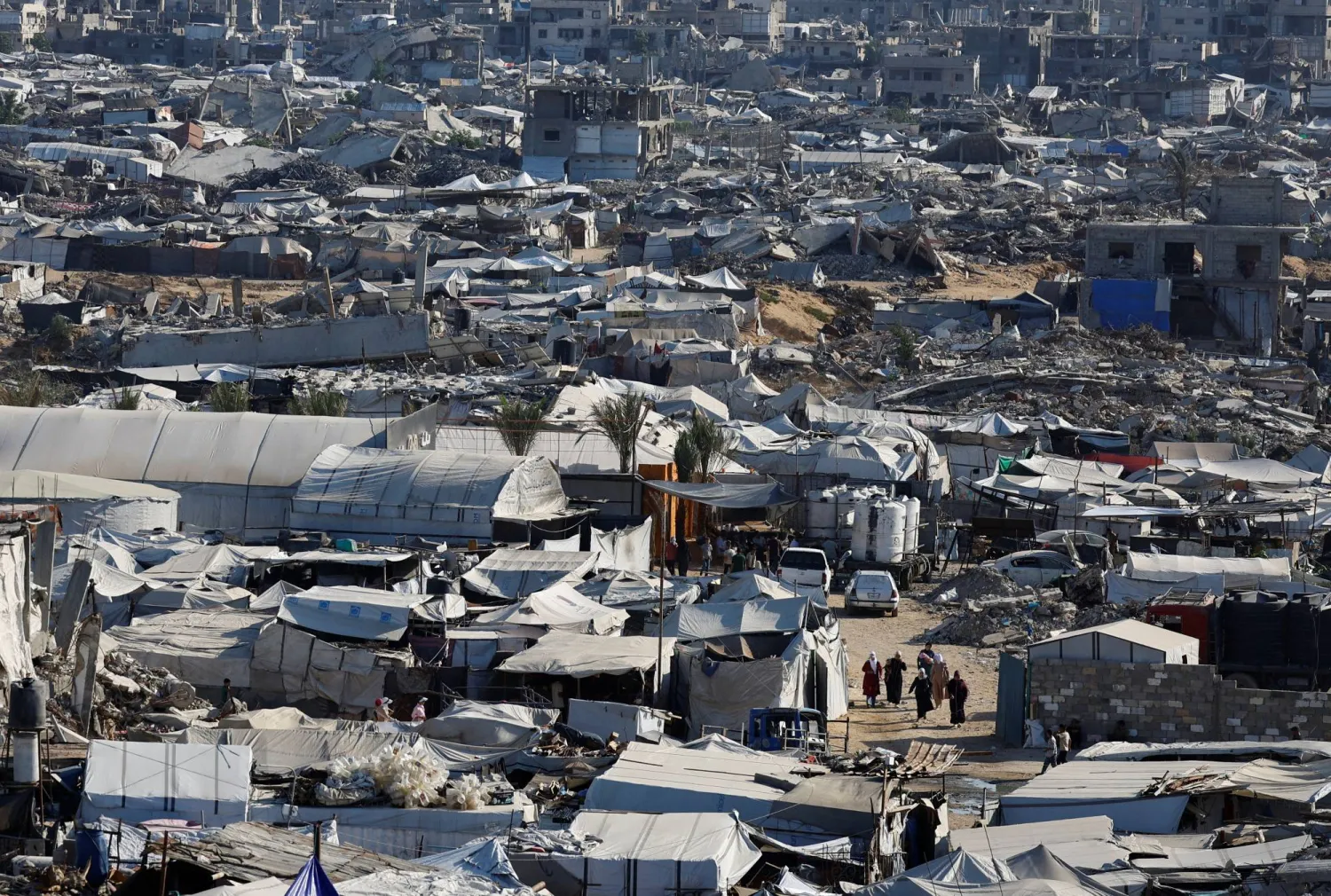

The ministers of foreign affairs of the Kingdom of Saudi Arabia, the Hashemite Kingdom of Jordan, the United Arab Emirates, the State of Qatar, the Republic of Indonesia, the Islamic Republic of Pakistan, the Arab Republic of Egypt, and the Republic of Türkiye expressed in a joint statement their strongest condemnation and denunciation of the ongoing Israeli violations in the Gaza Strip, particularly the targeting of healthcare facilities and medical infrastructure, attacks on civilian infrastructure, and the continued loss of civilian lives, including women and children, in grave violation of international law, including international humanitarian law.
According to SPA, the ministers affirmed that the continuation of these violations constitutes a clear breach of Israel’s obligations under international law and the Comprehensive Plan to End the Gaza Conflict, undermines international and regional efforts aimed at implementing the second phase of the plan, particularly following the announcement by US President Donald Trump that the Palestinian factions accepted the roadmap, including the provisions relating to the confinement of weapons, and threatens to derail the political process, reignite the cycle of escalation, and further deepen the humanitarian catastrophe in the Gaza Strip.
The ministers stressed that the protection of civilians, the safeguarding of medical facilities and personnel working in the health and humanitarian sectors, and ensuring the immediate, safe, and unhindered delivery of humanitarian assistance, medical supplies, and relief aid throughout the Gaza Strip constitute legal obligations that must not be compromised or diminished under any circumstances.
The ministers further affirmed that the ongoing Israeli violations in the Gaza Strip cannot be viewed in isolation from the attacks carried out by settlers in the occupied West Bank, the unlawful expansion of settlements, and the unilateral measures aimed at altering the status quo in occupied Jerusalem.
Taken together, these practices constitute a systematic policy aimed at imposing a fait accompli by force, undermining the foundations of the two-state solution, and marginalizing the legitimate rights of the Palestinian people, in flagrant violation of international law and the relevant UN resolutions.
The ministers also renewed their call on the international community, particularly the United Nations Security Council, to assume its legal and moral responsibilities and take practical and effective measures to compel Israel to fulfill its obligations under international law, including international humanitarian law, and UN Security Council Resolution 2803, and to hold those responsible for grave violations accountable, in a manner that contributes to protecting civilians, preserving the prospects for completing the implementation of the agreement, and achieving a permanent ceasefire.
The ministers further stressed their categorical rejection of any attempts to annex the occupied Palestinian territory, impose Israeli sovereignty over it, or forcibly displace the brotherly Palestinian people.
They affirmed that the only path to achieving a just and comprehensive peace is the launch of a serious political process leading to the implementation of the two-state solution, including the establishment of an independent and sovereign Palestinian State based on the 1967 lines, with East Jerusalem as its capital.


