


Saudi Arabia, Sudan Establish Joint Coordination Council

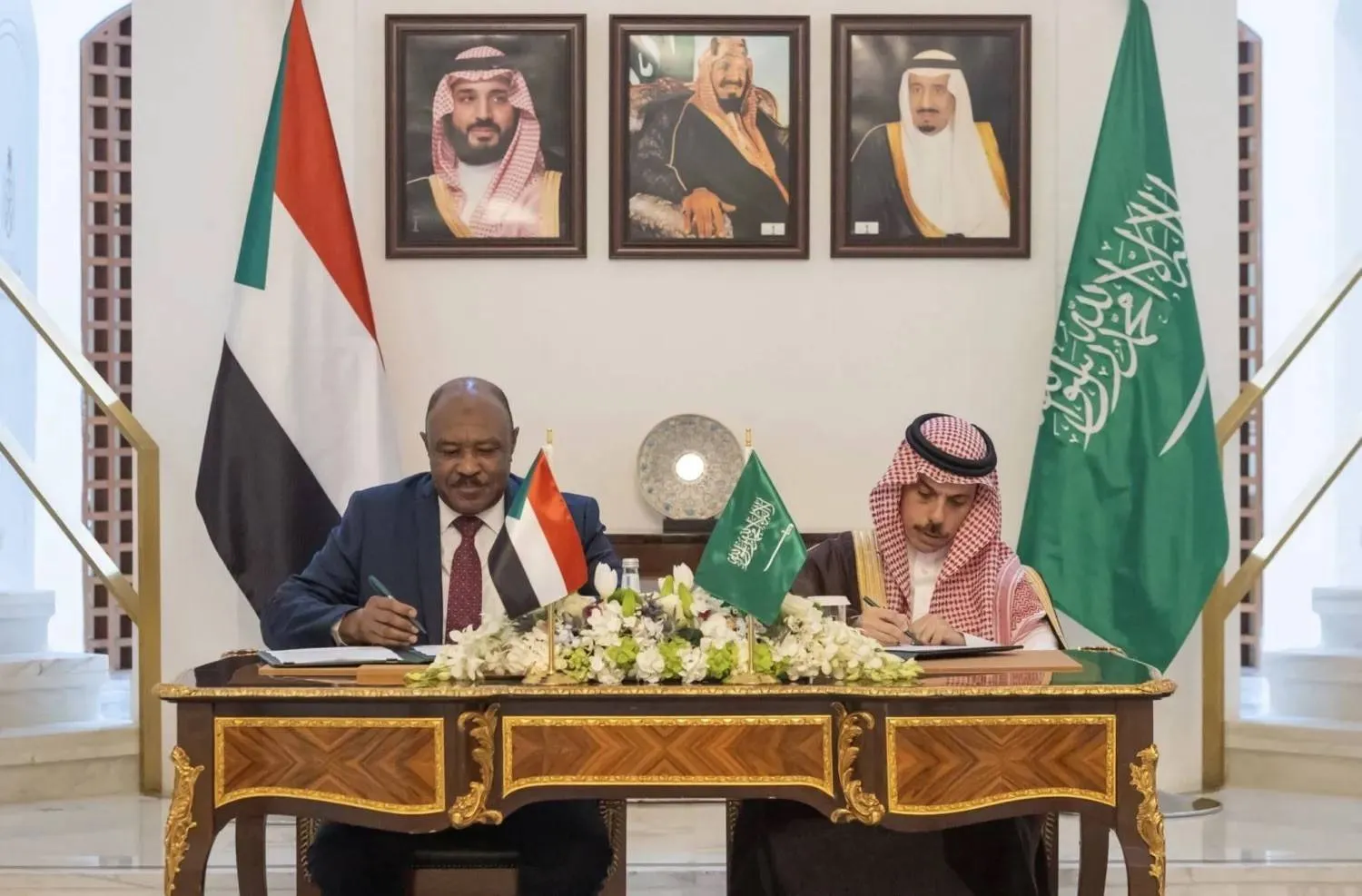
Saudi Foreign Minister Prince Faisal bin Farhan and his Sudanese counterpart, Mohieddin Salem Ahmed Ibrahim, sign the document. (SPA) 
TT

Saudi Arabia, Sudan Establish Joint Coordination Council

Saudi Foreign Minister Prince Faisal bin Farhan and his Sudanese counterpart, Mohieddin Salem Ahmed Ibrahim, sign the document. (SPA) 

Saudi Arabia and Sudan signed an agreement Monday establishing a joint coordination council to deepen bilateral ties and provide an institutional framework for cooperation through clearly defined initiatives, projects and targets.

Saudi Foreign Minister Prince Faisal bin Farhan and his Sudanese counterpart, Mohieddin Salem Ahmed Ibrahim, signed the document establishing the Saudi-Sudanese Coordination Council in Riyadh. The council is intended to serve as an institutional platform for developing relations and advancing cooperation between the two countries.

Following their meeting, the ministers co-chaired a session of the bilateral Political Consultation and Follow-Up Committee, where they reviewed relations, explored ways to expand cooperation across various fields and discussed regional developments.

Speaking to Asharq Al-Awsat, Salem described Saudi-Sudanese relations as “strategic” and said he expected the new council to produce tangible results. He stressed that Red Sea security remained a top priority for both countries.

Salem also praised the Makkah Joint Defense Agreement between Saudi Arabia, Pakistan and Türkiye, expressing optimism about Sudan potentially joining a broader grouping with the Kingdom.

He described Saudi Arabia as more than a major power or international symbol, saying Riyadh had approached the Sudanese crisis with “the sense of a neighbor, supporter and shared destiny.” He added that Khartoum viewed potential integration into the trilateral grouping positively as a means of strengthening regional security and stability.

The Sudanese minister praised Saudi Arabia’s support since the outbreak of the war, which he attributed to the Rapid Support Forces and mercenaries. He pointed to Riyadh’s hosting of the Jeddah talks — the first negotiating platform launched after the conflict erupted — as evidence of the Kingdom’s commitment to Sudan and its people.

Salem also highlighted humanitarian assistance provided by the King Salman Humanitarian Aid and Relief Center, saying the war had prompted Sudan to reassess its relationships with other countries. Khartoum’s foreign policy, he added, would take a different course in the future.

He said the coordination council could usher in comprehensive strategic cooperation spanning political, security, economic and social affairs.

Turning to Sudan’s domestic political dialogue, Salem expressed hope that civilian forces could reach consensus on an overarching vision for resolving the crisis, stressing that political divisions and fragmentation among those groups had contributed to complicating the country’s political landscape.

He urged civilian and political forces to unite around national priorities and engage in dialogue free from agendas that could undermine national unity. He also called for inclusive internal talks representing Sudan’s diverse political currents and fostering greater cooperation between the government and national forces.

Salem further urged Sudanese political groups to forge a unified national position to confront the challenges created by the war, accusing the militia involved in the conflict of seeking demographic change in the country.

At a news conference in Riyadh on Monday evening, Salem and Sudanese Ambassador to Saudi Arabia Dafallah Al-Haj said the council would pave the way for further consultations, initiatives and projects aimed at strengthening bilateral cooperation and integration.


Pakistan Says Makkah Alliance to Discuss Houthi Attacks at Emergency Riyadh Meeting

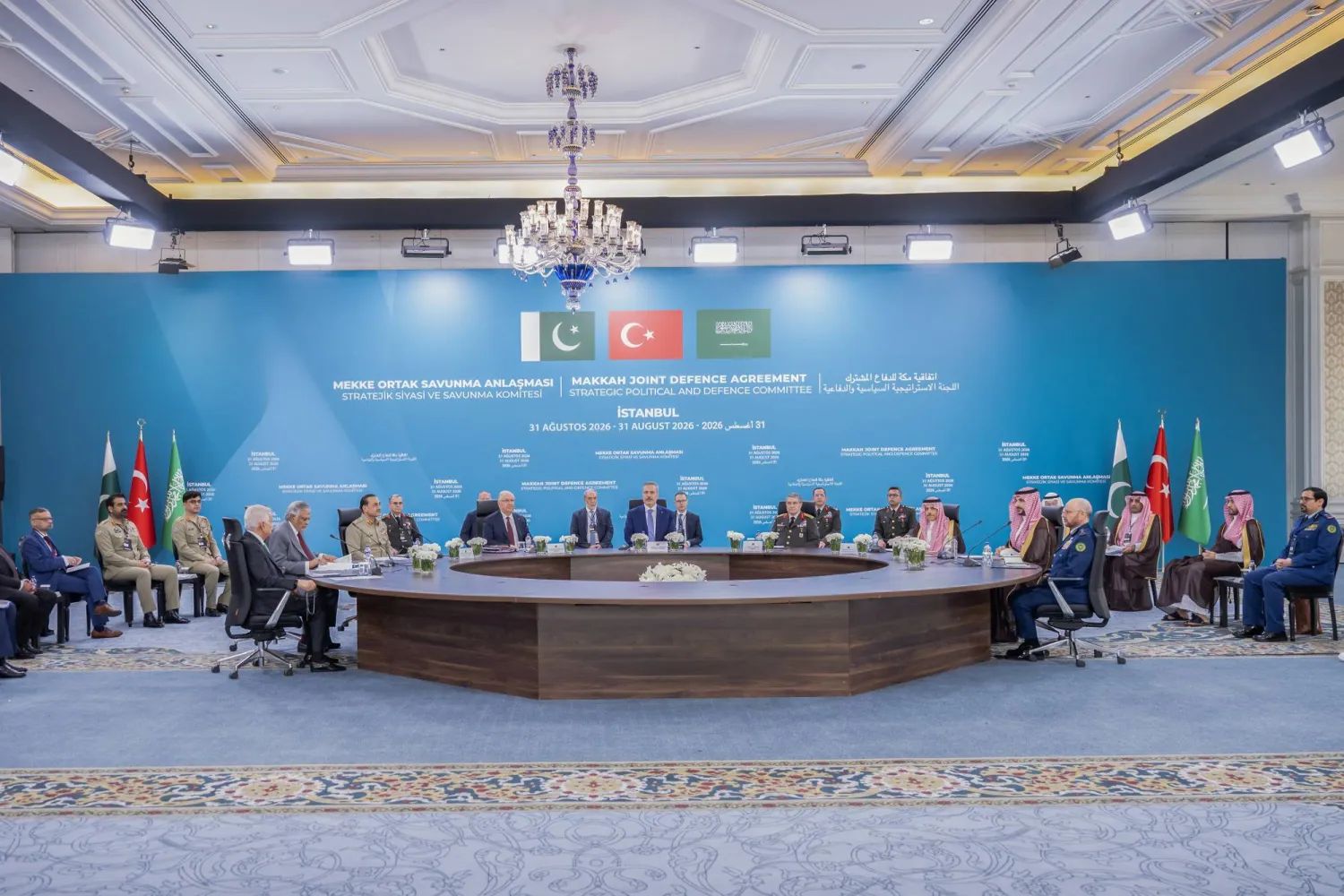
The first meeting of the Strategic Political and Defense Committee established under the Makkah Agreement in Istanbul (Saudi Ministry of Defense). 
TT

Pakistan Says Makkah Alliance to Discuss Houthi Attacks at Emergency Riyadh Meeting

The first meeting of the Strategic Political and Defense Committee established under the Makkah Agreement in Istanbul (Saudi Ministry of Defense). 

Pakistani Foreign Minister Mohammad Ishaq Dar announced that the Strategic Political and Defense Committee of the Makkah Joint Defense Agreement between Pakistan, Saudi Arabia and Türkiye will hold an emergency meeting in Riyadh next week to discuss Houthi attacks on the Kingdom.

Speaking at a press conference on Friday, Dar said the committee would determine the next steps at the meeting, adding that more than six countries had expressed interest in joining the Makkah alliance, according to Reuters.

In a statement carried by Reuters on Friday, the Pakistani military said its senior commanders had strongly condemned the Houthi attacks on Saudi Arabia, expressed solidarity with the Kingdom and reaffirmed their commitment to the security of Islam’s holy sites.

The Makkah Joint Defense Agreement, signed on Aug. 7 by Saudi Crown Prince Mohammed bin Salman, Turkish President Recep Tayyip Erdogan and Pakistani Prime Minister Shehbaz Sharif, stipulates that an armed attack against any one of its signatories shall be considered an attack against all three.

Any joint military response is subject to an assessment by the member states, particularly the country under attack, taking into account the need for such action, the nature and severity of the attack, the level of threat and the contributions required from each party to achieve the intended integration of their efforts.

Istanbul hosted the first meeting of the agreement’s Strategic Political and Defense Committee on Aug. 31, bringing together the foreign and defense ministers and military chiefs of staff of Saudi Arabia, Türkiye and Pakistan.

During the meeting, the three countries reaffirmed their determination to work together under the Makkah agreement to achieve sustainable peace and stability in their region and continue supporting efforts to promote de-escalation and restraint. They encouraged peaceful solutions to crises in line with their commitment to fulfilling their regional responsibilities.

The three countries’ foreign ministers subsequently met in New York on Sept. 24 to review progress toward establishing the agreement’s general secretariat, committees and working groups, as well as preparations for the launch of their activities.

The ministers also condemned attacks targeting Makkah and civilian and economic facilities in Saudi Arabia, stressing the Kingdom’s right to take whatever measures it deemed appropriate to defend its security under Article 51 of the UN Charter.

On Sept. 25, the three countries’ military chiefs of staff met in Riyadh to review the security situation and attacks against Saudi Arabia. They condemned the strikes targeting Makkah and the Kingdom’s civilian and economic infrastructure.

Participants also discussed ways to further strengthen cooperation among their armed forces, develop intelligence cooperation, enhance military coordination and integrate their capabilities to bolster deterrence and collective defense.


UAE: Flydubai Co-Pilot Attempted Terrorist Attack

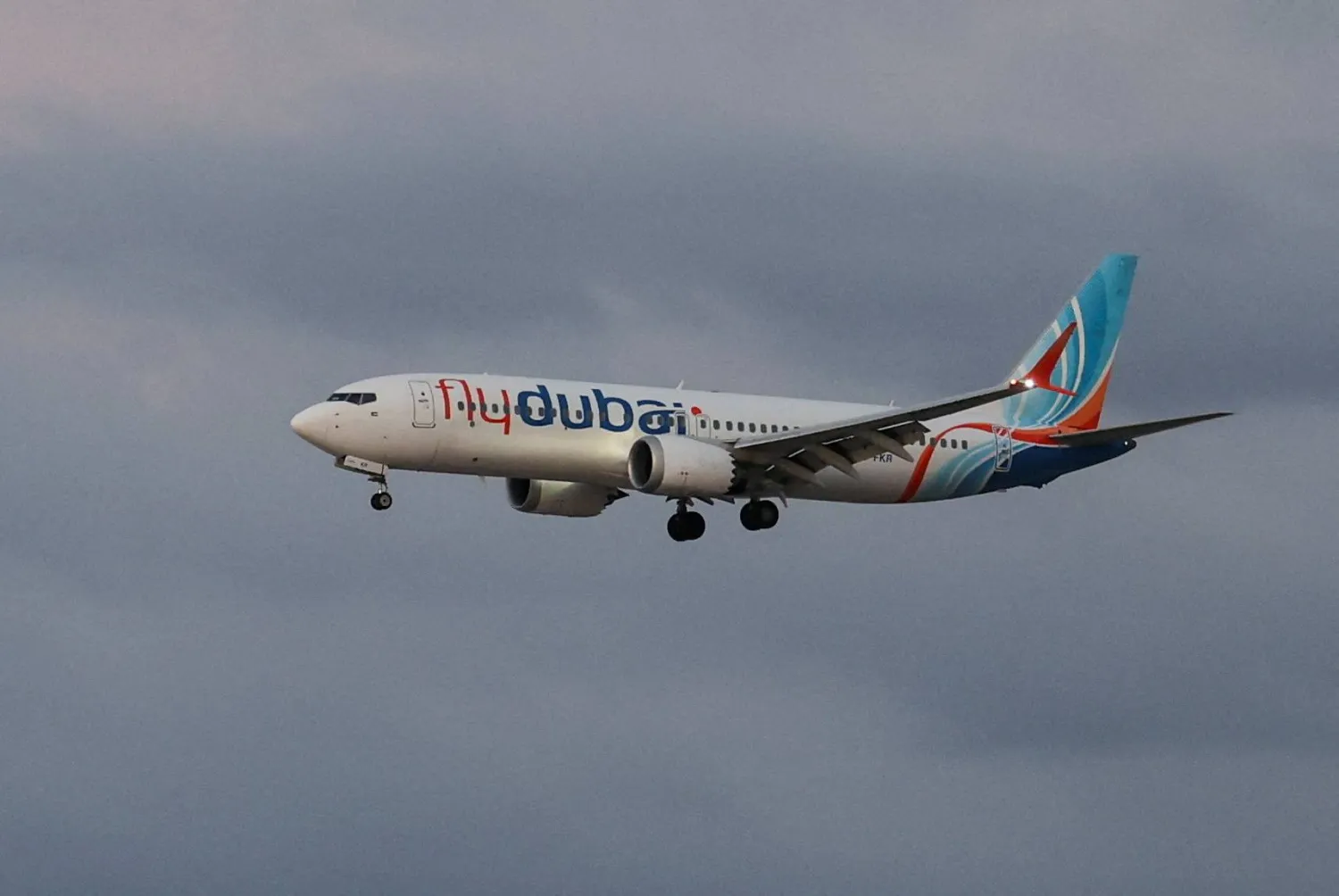
FILE PHOTO: A plane, carrying passengers who were on the FlyDubai aircraft bound for Israel from the United Arab Emirates, which was diverted to Saudi Arabia following an emergency signal, arrives at the Ben Gurion International Airport, in Lod, near Tel Aviv, Israel, September 30, 2026. REUTERS/Ammar Awad/File Photo
TT

UAE: Flydubai Co-Pilot Attempted Terrorist Attack

FILE PHOTO: A plane, carrying passengers who were on the FlyDubai aircraft bound for Israel from the United Arab Emirates, which was diverted to Saudi Arabia following an emergency signal, arrives at the Ben Gurion International Airport, in Lod, near Tel Aviv, Israel, September 30, 2026. REUTERS/Ammar Awad/File Photo

The United Arab Emirates Attorney-General said investigations into the incident aboard flydubai flight FZ1073 revealed that the co-pilot attempted to carry out a terrorist act, the Emirates News Agency (WAM) reported on Saturday.

The co-pilot began executing his plan during the flight, attacking the captain inside the cockpit using a crash axe and attempting to take control of the aircraft, the Attorney-General added.

He assured that investigations are ongoing to establish the full circumstances, motives, and any links related to the incident, as well as to complete technical examinations and analysis of physical and digital evidence.

The final results will be announced upon the conclusion of all necessary procedures, he assured.

The flight from Dubai to Tel Aviv came close to disaster on Wednesday morning when the attacker stabbed the captain.

Passengers told interviewers that the captain, who was seriously wounded, managed to open the cockpit door, allowing a group of passengers and crew members to overpower the attacker. Two reserve pilots who were also on board then managed to regain control of the aircraft, stabilize it, and land safely.


Saudi Civil Defense: Houthi Missile Shrapnel Injures Resident, Damages Property in Aseer

Saudi Civil Defense says Houthi missile shrapnel injures resident, damages property in Aseer. (SPA)
TT

Saudi Civil Defense: Houthi Missile Shrapnel Injures Resident, Damages Property in Aseer

Saudi Civil Defense says Houthi missile shrapnel injures resident, damages property in Aseer. (SPA)

Saudi Arabia's General Directorate of Civil Defense stated that Civil Defense teams in Ahad Rafidah Governorate, Aseer Region, responded on Friday, October 2, to falling shrapnel from a ballistic missile launched by the terrorist Houthi militia following its interception and destruction.

The falling shrapnel injured an Asian expatriate resident and caused material damage to a prayer room inside a building, as well as several civilian vehicles, the Saudi Press Agency said.

Approved emergency procedures were immediately implemented at the site.
